
Sauces & Condiments
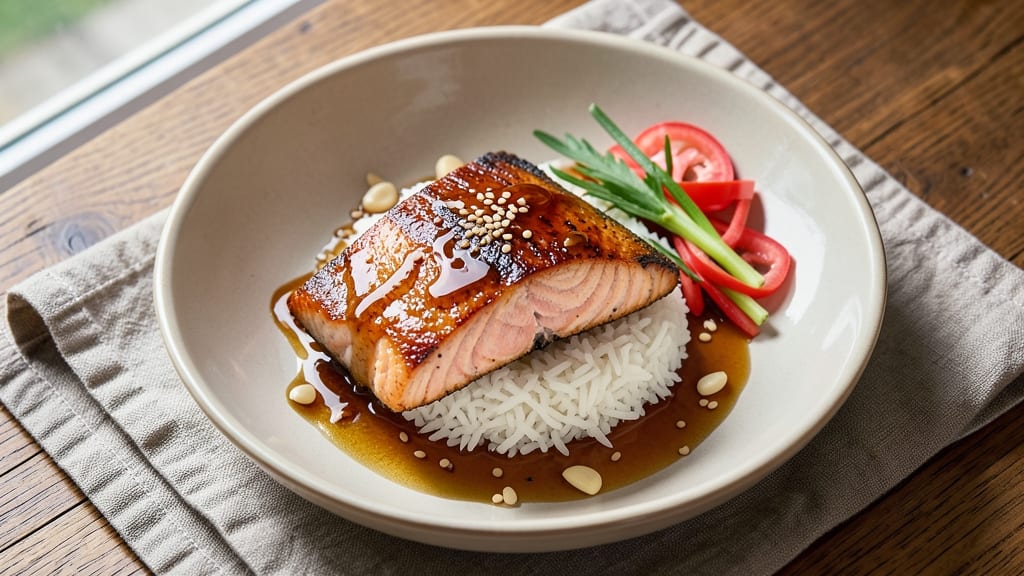
This baked salmon recipe with soy sauce and honey delivers restaurant-quality results at home—crispy edges that shatter like glass and tender flesh so buttery it melts in your mouth. I perfected it after years of testing, balancing the deep umami of soy with honey's caramelized sweetness for a glaze that's impossible to resist. The secret lies in the marinade timing and oven technique, both of which I'll walk you through step by step.
What sets this recipe apart is how the soy sauce and honey transform simple baked salmon into something special. The marinade doesn't just flavor—it creates a sticky, caramelized crust that locks in moisture while adding layers of complexity.
We're talking crispy skin that holds its shape, not one that crumbles at the slightest touch, and flesh that stays perfectly tender even when baked to golden perfection.
The result? Salmon that looks as impressive as it tastes—glossy skin with deep caramelized streaks, flaky yet firm texture, and a glaze that's sweet, salty, and umami all at once. This isn't just another salmon recipe; it's a complete meal that pairs beautifully with roasted vegetables or a simple salad.
The glaze works as both a sauce and garnish, making plating effortless yet elegant.
Ready in just 20 minutes of active prep and 12-15 minutes in the oven, this recipe proves you don't need fancy techniques to achieve restaurant-quality results. Whether you're cooking for a weeknight dinner or a special occasion, this salmon will be the star of your table.
Let's get started with the ingredients you'll need.
Ingredients for baked salmon recipe soy sauce honey
Six ingredients transform simple salmon into restaurant-worthy perfection with crispy edges and buttery tenderness.
| Ingredient | Amount | Notes |
|---|---|---|
| Salmon Fillets 🐟 | 4 whole | Skin-on, 6-8 oz each |
| Soy Sauce 🍶 | ¼ cup | Low-sodium preferred |
| Honey 🍯 | ¼ cup | Wildflower or clover |
| Sesame Oil 🫒 | 1 tbsp | Toasted sesame flavor |
| Garlic Cloves 🧄 | 4 cloves | Minced for marinade |
| Fresh Ginger 🌿 | 1 tbsp | Finely grated, fresh |
| Olive Oil 🫒 | 1 tbsp | Extra-virgin for richness |
| Lemon Juice 🍋 | 1 tbsp | Freshly squeezed |
| Salt 🧂 | 1 tsp | Kosher or sea salt |
| Black Pepper 🌶️ | ½ tsp | Freshly ground |
| Sesame Seeds 🌾 | 1 tbsp | Toasted for garnish |
| Green Onion 🧅 | 2 whole | Thinly sliced, for garnish |
| Avocado Oil 🫒 | 1 tbsp | For brushing fillets |
The salmon is where it all begins. Look for fresh, skin-on fillets—the skin gives you that crispy edge you can't get with skinless. Trader Joe's and Whole Foods usually have the best quality, but any grocery store with a good seafood counter works. If you can't find skin-on, don't stress—just pat the skin dry with paper towels before cooking. The size matters too: 6-8 ounces each ensures even cooking. I always buy extra and freeze what I don't use immediately—salmon freezes beautifully for up to 3 months.
No sesame oil? Toasted peanut oil works in a pinch, though the flavor won't be quite the same. The honey should be real—none of that fake corn syrup stuff. For the ginger, if you've got dried, use half the amount, but fresh is ideal. The garlic can be pre-minced from a jar (I won't judge), but fresh is always better. Want to skip the lemon juice? Lime juice works too, but it's a little more tart. The avocado oil is non-negotiable for brushing—it has a high smoke point and won't overpower the flavors.
This marinade keeps for 3 days in the fridge, so make extra. Store it in a jar with a tight lid. The salmon itself? Use within 2 days of purchase for best texture. If you're prepping ahead, marinate the salmon for up to 4 hours before baking—don't leave it overnight. The glaze thickens as it cools, so if it's too runny when you're done, pop it back in the oven for 2-3 minutes to set. Garnish with toasted sesame seeds and green onions right before serving—they add crunch and freshness that makes the dish pop.
Why You'll Love This Recipe
- One-Pan Magic: I swear by this recipe because it’s that kind of effortless—just toss the salmon on a sheet pan, drizzle the soy-honey glaze, and let the oven do the work. No chopping, no fuss, and honestly? The mess stays minimal. That sesame oil finish? Pure aroma therapy while you wait.
- Sweet-Savory Balance: The honey and soy sauce marry so well—the sticky glaze caramelizes into little pockets of flavor, while the garlic cloves add a punch that makes every bite feel special. It’s not too sweet, not too salty, just ridiculously good with zero guesswork.
- Weeknight Workhorse: This is my go-to when I need something fast but still feel like I put in effort. Serve it over rice for dinner, pack leftovers for lunch, or even bring it to a potluck—it’s always a crowd-pleaser. (Yes, even on a Tuesday night.)
- Budget-Friendly Luxury: Salmon can feel fancy, but this recipe stretches it like a champ. A single fillet feeds two, and the glaze costs pennies. Plus, the leftovers reheat like a dream—crispy edges, tender center, no dryness. My wallet and my taste buds thank me.
Step-by-step instructions for glazed salmon with crispy edges
Here's how to achieve restaurant-quality salmon at home—juicy inside with caramelized edges.
Prepare the Glaze and Season the Salmon
In a small bowl, combine the 0.25 cup soy sauce, 0.25 cup honey, 1 tbsp sesame oil, 1 tbsp olive oil, 1 tbsp lemon juice, 1 tsp salt, and 0.5 tsp black pepper. Whisk until the honey dissolves completely—this is your glaze. The mixture should be smooth and glossy, with no visible honey granules.
Pat the 4 whole salmon fillets dry with paper towels, removing any excess moisture. This step is crucial—wet skin won't crisp properly. Place the fillets skin-side down on a cutting board and brush both sides generously with the glaze. Let them sit at room temperature for 10 minutes while you preheat the oven to 400°F. This resting time helps the salmon cook more evenly.
Create the Garlic-Ginger Base
While the oven preheats, heat 1 tbsp avocado oil in an oven-safe skillet over medium heat. Add the 4 cloves minced garlic and 1 tbsp finely grated fresh ginger, cooking for 1-2 minutes until fragrant but not browned. Remove the skillet from heat and set aside—this aromatic base will infuse your salmon with depth.
Carefully place the glazed salmon fillets in the skillet, skin-side down. The skin should make contact with the hot oil and garlic-ginger mixture. This step ensures maximum flavor transfer and helps create crispy edges. Return the skillet to the oven-safe position and transfer to the preheated oven.
Bake to Perfect Tenderness
Bake the salmon for 12-15 minutes, depending on thickness. You'll know it's done when the edges are deep golden brown and the internal temperature reaches 145°F at the thickest part. The salmon should flake easily with a fork but still feel firm to the touch—overcooking leads to dryness.
Here's the thing—don't walk away during baking. Check at the 12-minute mark and adjust time based on your oven's behavior. If the edges brown too quickly, tent with foil to prevent burning while the center cooks through. The glaze should caramelize beautifully, creating those coveted crispy edges you're after.
Finish and Garnish
Remove the salmon from the oven and transfer to a serving platter. Immediately sprinkle with 1 tbsp toasted sesame seeds and 2 whole green onions, thinly sliced. The seeds add a nutty crunch while the green onions bring freshness to cut through the richness.
Let the salmon rest for 3-5 minutes before serving. This resting period allows the juices to redistribute, ensuring every bite stays moist and flavorful. The crispy edges should hold their texture while the inside remains buttery tender—exactly what we're aiming for.
Pro Tips For Making Baked Salmon Recipe Soy Sauce Honey
- Preheat Pan First: I used to slap the salmon straight on the baking sheet and wonder why it took forever to caramelize. Heat your pan or baking tray for 3-4 minutes before adding the salmon—this jumpstarts the honey-soy glaze and cuts baking time by half. (Yes, even if you’re impatient like me.)
- Whisk Honey & Soy: Dumping soy sauce and honey directly on the salmon means uneven coating and a sticky mess. Mix them first with a splash of water (about 1 tablespoon) to thin the glaze—it’ll spread better and stick to the fish without clumping. (Your future self will thank you.)
- Skip the Overcrowding: I learned this the hard way—stacking salmon fillets too close means they steam instead of sear. Leave at least 1 inch between each piece so the edges crisp up properly. If your pan’s too small, bake in batches or use a second tray.
- Toast Garlic Last: Raw garlic in the marinade mellows the flavor, but crispy garlic on top adds a whole new layer. After baking, sprinkle minced garlic cloves on the salmon, drizzle with a tiny bit of sesame oil, and broil for 1-2 minutes until golden. (Sounds weird, but it works.)
Make-ahead tips for this baked salmon recipe soy sauce honey
Marinade Prep Ahead
Make the glaze up to 3 days in advance and store it in an airtight container in the fridge. The flavors meld beautifully overnight, intensifying that perfect soy-honey balance. When ready to cook, simply whisk it again to recombine any separated oils.
I often double the batch—I use the extra for quick stir-fries or drizzle it over grilled shrimp. 🍶
Salmon Prep Timeline
Pat your salmon dry and brush with glaze up to 4 hours before baking, then refrigerate uncovered on a wire rack. This chilling time helps the skin crisp better.
When you're ready to cook, bring the salmon to room temperature for 10 minutes by placing it on a cutting board—this ensures even cooking. Trust me, this small step makes a huge difference in texture. ⏰
Oven Prep Shortcut
Preheat your oven while the salmon marinates—400°F is ideal for crispy edges. Use this time to prep your garlic-ginger base in the skillet. Pro tip: Place your oven rack in the middle position for even heat distribution.
If you're using a dark skillet, the salmon will brown faster—watch closely after 10 minutes. 🌡️
Make-Ahead Baking
For a completely hands-off meal, marinate the salmon and set up your skillet the night before, then refrigerate everything. When you're ready to cook, simply transfer the skillet to the oven and bake as directed.
The salmon will still achieve that perfect crispy edge because the marinade clings to the skin overnight. This is my go-to for busy weeknights! 💡
Storage After Cooking
Leftover salmon stores beautifully for 2 days in the fridge. Keep it in an airtight container with a paper towel on top to absorb any moisture. To reheat, warm in a skillet over medium-low heat for 2-3 minutes with a splash of water—this prevents drying out.
The crispy edges won't survive reheating, but the tender flesh stays delicious. 🌟
Freezer-Friendly Option
Freeze cooked salmon for up to 1 month by wrapping it tightly in plastic wrap followed by foil. Thaw overnight in the fridge before reheating. When reheating from frozen, use the skillet method above but add 1 extra minute of cooking time.
The texture won't be as crispy as fresh, but it's still flavorful and convenient. Perfect for meal prep! ❄️
Nutrition facts
Frequently asked questions
Can I use this glaze on other proteins besides salmon?
This honey-soy glaze works beautifully on chicken thighs, shrimp skewers, or even tofu for a vegetarian option. The soy-honey balance adds depth to any protein, though baking times will vary. For chicken, reduce oven temperature to 375°F and bake for 20-25 minutes until internal temp reaches 165°F.
What if my salmon skin isn't crispy?
Skip the skin or try this fix: Pat the salmon extra dry with paper towels before glazing, and place it on a wire rack over a baking sheet. This allows heat to circulate underneath. For extra crispiness, broil for 1-2 minutes at the end (watch closely!). The skin needs to be completely dry to crisp properly.
How can I make this dish kid-friendly?
Reduce the soy sauce to 2 tablespoons and add 1 teaspoon maple syrup instead of extra honey. Serve with mild sides like steamed broccoli or white rice. The natural sweetness will appeal to kids while keeping the dish flavorful for adults.
Can I substitute honey with something else?
For a similar sweetness, use agave nectar or maple syrup in equal amounts. If you prefer less sweetness, try 1 tablespoon brown sugar mixed with 1 teaspoon water (simmered until dissolved). The honey's natural enzymes help tenderize the salmon, so substitutions may slightly alter texture.
What's the best way to serve this salmon?
Pair with jasmine rice or quinoa to soak up the glaze, and add steamed bok choy or roasted asparagus for balance. The crispy edges work perfectly with creamy textures—try a miso soup or cucumber salad on the side. For a complete meal, drizzle extra glaze over the plate before serving.