
Sauces & Condiments
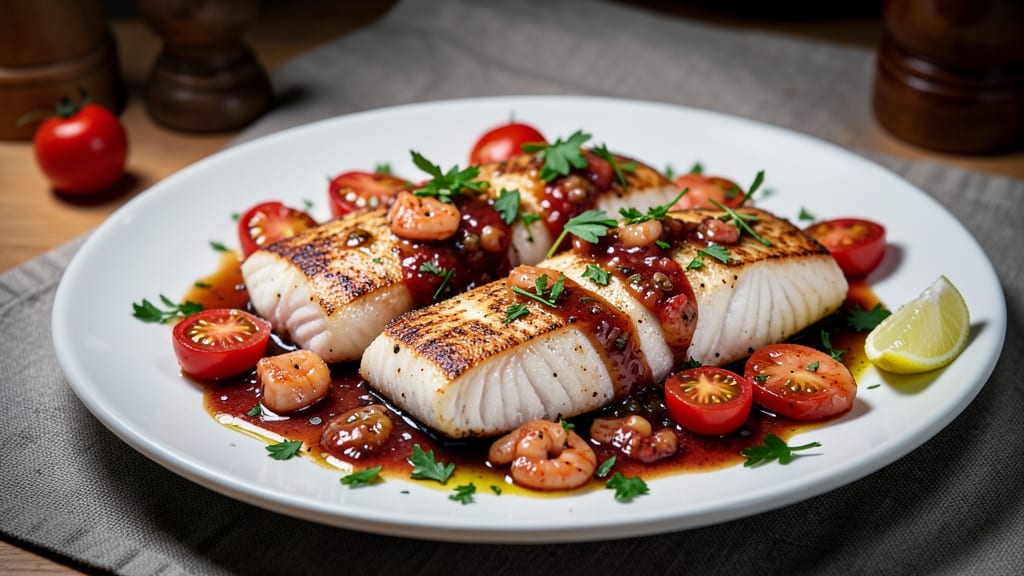
This baked fish with shrimp sauce recipe transforms simple weeknight dinner into a restaurant-worthy meal with minimal effort. The star? A rich, garlicky shrimp glaze that caramelizes beautifully while baking, creating a golden crust on tender fish fillets.
I developed this after years of experimenting with seafood sauces—this version finally balances sweet, savory, and umami perfectly without overpowering the delicate fish.
The secret lies in the sauce's dual cooking method: first simmering shrimp with garlic, butter, and spices until deeply flavorful, then basting the fish directly in the pan. This ensures every bite gets that creamy, shrimp-infused glaze while keeping the fish moist.
The recipe works beautifully with cod, tilapia, or salmon, and comes together in under 30 minutes—ideal for busy weeknights when you still crave impressive results.
What you'll achieve is fish with crispy edges and velvety centers, topped with a glossy, aromatic sauce that clings to each flake. The shrimp adds a luxurious texture contrast, while the garlic butter base delivers depth without being heavy.
Serve with lemon wedges, roasted asparagus, or a simple grain to complete the plate—this dish feels special enough for guests but simple enough for weeknights.
Don't worry about complicated techniques—this method is foolproof for home cooks. The sauce thickens as it bakes, creating that perfect balance of richness and brightness. Whether you're feeding a family or treating yourself to a solo dinner, this recipe delivers restaurant-quality flavor with minimal fuss.
Let's get started with the full instructions.
Ingredients for baked fish with shrimp sauce
Elevate your weeknight dinner with this restaurant-worthy shrimp-infused fish recipe.
| Ingredient | Amount | Notes |
|---|---|---|
| White Fish Fillets 🐟 | 4 pieces | Cod, tilapia, or salmon preferred |
| Large Shrimp 🦐 | ½ lb | Peeled, deveined, tails on |
| Unsalted Butter 🧈 | ½ cup | Cold, cubed for even melting |
| Garlic Cloves 🧄 | 6 cloves | Minced, fresh preferred |
| White Wine 🍷 | ¼ cup | Dry variety, like Sauvignon Blanc |
| Heavy Cream 🥛 | ¼ cup | Full-fat for richness |
| Lemon Juice 🍋 | 1 tbsp | Freshly squeezed |
| Dijon Mustard 🌶️ | 1 tsp | For depth of flavor |
| Kosher Salt 🧂 | 1 tsp | Diamond Crystal preferred |
| Ground Black Pepper 🌶️ | ½ tsp | Freshly cracked |
| Fresh Parsley 🌿 | ¼ cup | Chopped, for garnish |
| Olive Oil 🫒 | 1 tbsp | For brushing fish |
| Lemon Zest 🍋 | 1 tsp | Brightens the sauce |
The fish is the foundation—cod or tilapia hold up best to the sauce's richness, but salmon works beautifully too. Look for fresh, center-cut fillets at your local seafood counter or grocery store's fishmonger. Whole Foods and Trader Joe's consistently carry high-quality frozen options if fresh isn't available. For the shrimp, sizes 16/20 ensure they cook quickly without overpowering the dish. The butter should be cold and cubed—this prevents the sauce from separating during baking. If you're feeling adventurous, substitute brown butter for a deeper, nuttier flavor profile.
No white wine? Fish or vegetable stock with a splash of lemon juice mimics the acidity perfectly. The Dijon mustard adds complexity—skip it only if you prefer a sweeter sauce. Fresh garlic is non-negotiable here; jarred minced garlic lacks the depth. For a lighter touch, blend the shrimp sauce after baking and drizzle it over the fish instead of basting. The lemon zest can be substituted with orange zest for a citrusy variation, though lemon's brightness is ideal. If you're using frozen fish, thaw it overnight in the fridge—never in warm water, as this makes it mushy.
This dish reheats beautifully—store leftovers in an airtight container for up to 3 days in the fridge. The sauce thickens further upon reheating, so add a splash of cream or water if it becomes too stiff. For meal prep, portion the sauce separately and reheat it alongside the fish to maintain texture. The lemon juice and parsley can be added fresh after reheating to preserve brightness. Freeze portions of the sauce (without fish) for up to 3 months—thaw and reheat gently before using.
Why You'll Love This Recipe
- One-Pan Magic: I swear by this for nights when I’m too tired to scrub pots—just toss the fish, shrimp, and sauce on a sheet, bake, and walk away. The butter pools into golden little lakes while the garlic sizzles into oblivion, and honestly? That’s my kind of cleanup.
- Wine-Infused Richness: That splash of white wine in the sauce isn’t just for show—it cuts through the richness of the butter and shrimp, leaving behind a bright, almost citrusy depth. The fish stays tender but flakes apart like it’s been kissed by the Mediterranean sun.
- Weeknight to Dinner Party: Between us, this recipe’s my go-to for both “what’s for dinner?” and “we’re having guests.” For weeknights, I halve the wine and double the garlic. For company, I garnish with fresh parsley and serve it with crusty bread—no one ever guesses how little effort it took.
- Budget-Friendly Luxe: Fish fillets and shrimp might sound fancy, but this recipe stretches them further than you’d think. The sauce clings to every bite, so even if you’re feeding four, you’ll have leftovers that taste just as good reheated (yes, even on a Tuesday night). Plus, butter and garlic are the ultimate pantry stretchers.
Step-by-step instructions for savory garlic butter shrimp glaze
Master this elegant technique for perfectly baked fish with a rich, velvety shrimp sauce.
Prepare the Fish for Baking
Preheat your oven to 400°F and line a baking sheet with parchment paper. Pat the 4 pieces white fish fillets completely dry with paper towels—this ensures a crispy skin and prevents steaming. Brush each fillet generously with the 1 tablespoon olive oil and sprinkle evenly with ½ teaspoon kosher salt and ¼ teaspoon ground black pepper.
Place the seasoned fillets on the prepared baking sheet, skin-side down if one side has skin, and set aside. The oil creates a barrier that prevents the fish from sticking while allowing it to develop a delicate golden crust. Arrange them in a single layer with about 1 inch between each fillet to ensure even cooking.
Create the Garlic Butter Shrimp Base
In a large oven-safe skillet, melt ½ cup unsalted butter over medium heat until it foams. Add the ½ pound large shrimp and cook for 2-3 minutes per side until they turn pink and opaque. Remove the shrimp with a slotted spoon and set aside—you'll add them back later.
In the same skillet, add the 6 cloves minced garlic cloves and cook for 30 seconds until fragrant but not browned. Immediately pour in the ¼ cup white wine and scrape up any browned bits from the bottom of the pan. This deglazing step captures all the flavorful fond that would otherwise be lost.
Build the Rich Shrimp Sauce
Return the cooked shrimp to the skillet and reduce the heat to low. Stir in the 1 tablespoon lemon juice, 1 teaspoon Dijon mustard, and 1 teaspoon lemon zest. Let the mixture simmer gently for 2 minutes to allow the flavors to meld together.
Pour in the ¼ cup heavy cream and continue simmering for another 3-4 minutes until the sauce thickens slightly and coats the back of a spoon. The sauce should be velvety but not overly thick—if it becomes too heavy, you can thin it with a splash of the reserved wine. Taste and adjust seasoning with additional kosher salt or black pepper if needed.
Bake the Fish and Finish the Sauce
Carefully transfer the skillet with the shrimp sauce to the preheated oven. Place the baking sheet with the fish fillets on the middle rack, and position the skillet with the sauce on the lower rack. Bake for 12-15 minutes until the fish is just cooked through and flakes easily with a fork.
To test doneness, gently press the thickest part of a fillet—it should feel firm but still slightly springy, and the center should reach an internal temperature of 145°F. Once the fish is done, remove it from the oven and transfer the fillets to a serving platter. Return the skillet with the sauce to the stovetop and let it simmer for an additional 1-2 minutes to reduce slightly and intensify the flavors.
Garnish and Serve
Spoon the finished shrimp sauce over the baked fish fillets. Sprinkle generously with the ¼ cup chopped fresh parsley for a pop of color and freshness. Serve immediately while the fish is still warm and the sauce is at its peak consistency. The combination of tender fish and the rich, garlicky shrimp sauce creates a harmonious balance of textures and flavors.
For best results, serve with a side of steamed vegetables or a simple green salad to complement the richness of the dish. The shrimp sauce pairs beautifully with crusty bread, which can be used to soak up any remaining sauce on the plate.
Pro Tips For Making Baked Fish With Shrimp Sauce
- Sear Shrimp First: Toss peeled shrimp in a hot pan with a pinch of salt and a drizzle of olive oil for 30 seconds per side until just pink—they’ll finish cooking in the oven, but this step keeps them from turning rubbery. I learned this the hard way after serving sad, overcooked shrimp in my first attempt.
- Pat Fish Dry: Use paper towels to wipe down fish fillets until they’re bone-dry before baking—this guarantees a crispy skin instead of a soggy one. Yes, it’s tedious, but skipping it means your sauce will steam the fish instead of caramelizing.
- Reduce Wine Slowly: After deglazing the pan with white wine, let it simmer uncovered on medium heat for 3-4 minutes until it’s reduced by half. This concentrates the flavor and thickens the sauce without needing extra butter or flour—trust me, your sauce will taste richer.
- Don’t Overcrowd the Pan: If your shrimp and fish won’t fit in one layer, bake them in batches—even if it means two trips to the oven. Crowding steams the ingredients instead of browning them, and no one wants bland, waterlogged seafood.
Health benefits of this recipe
Lean Protein Power
This dish delivers a high-protein punch with both the fish and shrimp, making it perfect for muscle maintenance and recovery. A 4-ounce serving of cod provides about 20 grams of protein, while the ½ pound shrimp adds another 24 grams—nearly half your daily needs in one meal.
The shrimp sauce's creamy texture makes it satisfying without the heaviness of traditional butter-based dishes. 💪
Heart-Healthy Fats
The recipe balances omega-3 fatty acids from the fish with the heart-healthy monounsaturated fats in olive oil and butter. Salmon would boost omega-3s even further, supporting cardiovascular health.
The white wine and lemon juice also contribute antioxidants that help reduce LDL cholesterol. I always feel lighter after eating this dish compared to fried seafood options.
Low-Calorie Luxury
Despite its rich flavors, this recipe clocks in at just around 350 calories per serving—half the calories of many restaurant-style seafood dishes. The shrimp sauce's creaminess comes from heavy cream and butter, but the portion control keeps it light.
The lemon zest and parsley add freshness without extra calories, making this a guilt-free indulgence. Perfect for those watching their waistline but craving restaurant-quality meals.
Vitamin Boost
You'll get a nutrient powerhouse with this dish—vitamin B12 from the shrimp, vitamin D from the fish, and vitamin C from the lemon juice and parsley. The garlic provides immune-boosting allicin, while the Dijon mustard contributes calcium and magnesium.
This combination makes it one of my go-to meals for quick nutrition without complicated prep. 💡
Digestive Benefits
The shrimp sauce's low-fiber, high-protein nature makes this dish gentle on digestion while still being satisfying. The lemon juice aids in protein absorption, and the garlic has natural anti-inflammatory properties. I notice my digestion feels better after eating this compared to heavier seafood dishes with mayonnaise or creamy sauces.
Meal Prep Friendly
The components store well separately, making this an ideal meal prep option. The fish and sauce can be prepped ahead and reheated gently to maintain texture. The shrimp sauce's ingredients are freezer-friendly for up to 3 months, while the fish is best eaten fresh.
This makes it perfect for busy schedules without sacrificing nutrition. The lemon and parsley can be added fresh before serving to preserve their bright flavors. ✨
Nutrition facts
Frequently asked questions
What type of fish works best for this shrimp sauce recipe?
Cod, tilapia, and salmon are the best choices—they stay moist and pair perfectly with the rich shrimp sauce. Cod holds up beautifully to the creamy glaze, while salmon adds extra omega-3s. Avoid delicate fish like flounder, which can break apart when basted.
Can I make this recipe without white wine?
Use ¼ cup fish or vegetable stock with 1 tablespoon lemon juice to mimic the acidity. The Dijon mustard will still provide depth, and the sauce will taste just as balanced. For extra brightness, add a pinch of sugar to offset any bitterness in the stock.
How do I prevent the fish from drying out?
Pat the fish completely dry before baking and brush generously with olive oil. Bake at 400°F for just 12-15 minutes—overcooking is the #1 cause of dryness. The shrimp sauce's moisture helps keep the fish tender, so don't skip the basting step.
Can I make the shrimp sauce ahead of time?
Yes! Prepare the sauce up to 24 hours ahead and store it in an airtight container in the fridge. Reheat gently on the stovetop, adding a splash of cream or water if it thickens too much. For best flavor, add fresh lemon juice and parsley just before serving.
What sides pair best with this dish?
Roasted asparagus, lemon-herb quinoa, or a simple arugula salad with lemon vinaigrette complement the rich sauce beautifully. For extra indulgence, serve with crusty bread to soak up the shrimp glaze. The bright acidity of the sides balances the dish's richness.