
Sauces & Condiments
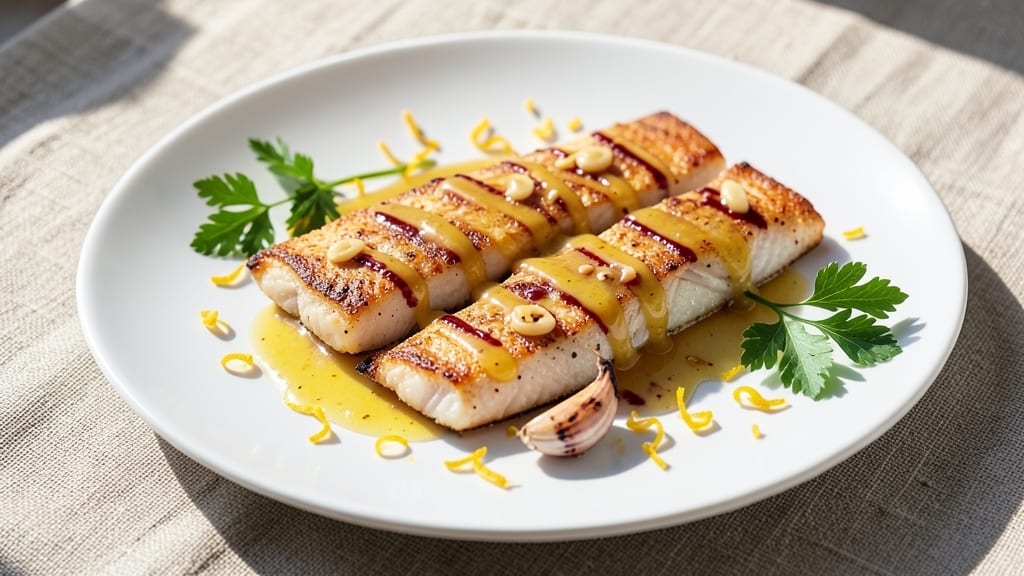
This baked fish with lemon sauce recipe delivers restaurant-quality results with minimal effort—bright, zesty flavors that elevate simple white fish into something extraordinary. The secret lies in a foolproof baking technique paired with a tangy, herb-infused lemon sauce that cuts through the richness of the fish.
I developed this method after years of testing, and it never fails to impress, whether you're cooking for a weeknight dinner or a special occasion.
The process starts with a simple yet effective seasoning—just salt, pepper, and a touch of olive oil—to create a crispy, golden crust on the fish. While it bakes, the lemon sauce simmers away, blending fresh herbs, garlic, and a splash of white wine for depth.
The result? A perfectly tender fillet with a sauce that's bright, aromatic, and just sweet enough to balance the acidity. No complicated steps—just a dish that feels luxurious without the fuss.
What makes this recipe truly special is how it transforms an everyday ingredient into something memorable. The lemon sauce doesn’t just sit on top; it infuses the fish with its vibrant flavors, creating a harmonious bite every time.
Serve it with roasted vegetables or a fresh salad to round out the meal, and you’ll have a dish that’s as elegant as it is easy to prepare.
This method works beautifully with cod, halibut, or tilapia, and the sauce can be doubled for leftovers. Whether you're a seasoned home cook or just starting out, this recipe delivers restaurant-quality results with confidence. Let’s get started!
Ingredients for baked fish with lemon sauce
Restaurant-quality results start with these bright, zesty ingredients—where simple fish becomes extraordinary.
| Ingredient | Amount | Notes |
|---|---|---|
| White Fish Fillets 🐟 | 4 pieces | Cod, halibut, or tilapia preferred |
| Lemon Juice 🍋 | ½ cup | Freshly squeezed, strained |
| Extra-Virgin Olive Oil 🫒 | ¼ cup | For crust and sauce |
| Fresh White Wine 🍷 | ¼ cup | Dry variety like Sauvignon Blanc |
| Garlic Cloves 🧄 | 4 cloves | Minced, for sauce base |
| Fresh Parsley 🌿 | ¼ cup | Chopped, for garnish |
| Fresh Dill 🌿 | 2 tbsp | Chopped, for sauce |
| Fresh Thyme Leaves 🌿 | 1 tbsp | For sauce aroma |
| Kosher Salt 🧂 | 1 ½ tsp | Diamond Crystal preferred |
| Freshly Ground Black Pepper 🌶️ | ½ tsp | For seasoning crust |
| Unsalted Butter 🧈 | 2 tbsp | For sauce richness |
| Heavy Cream 🥛 | ¼ cup | For sauce velvety texture |
| Zest of 1 Large Lemon 🍋 | 1 tbsp | For sauce brightness |
The fish selection is critical here. Cod or halibut deliver the most tender texture, while tilapia offers a budget-friendly alternative. For the freshest catch, visit your local seafood market—ask for fillets cut from the center of the fish to ensure maximum tenderness. Whole Foods or Trader Joe's typically carry pre-portioned fillets, but if buying whole, request the fishmonger to skin and bone them. Freshness is key: the fillets should smell clean and firm to the touch, with no fishy odor. Store any unused portions in an airtight container with a paper towel, and use within 2 days for optimal quality.
No white wine on hand? Dry chicken or vegetable broth works in a pinch, though the sauce will lack depth. Fresh herbs are ideal, but dried dill or thyme at one-third the amount suffices if needed. The lemon juice should be freshly squeezed—bottled versions lack the vibrant acidity required for that signature brightness. For extra richness, swap half the heavy cream for crème fraîche, though regular heavy cream delivers consistent results. The butter should be cold when added to the sauce to create a silky emulsion—melt it slightly first for easier incorporation. Prefer a lighter sauce? Reduce the heavy cream to 2 tbsp and add 2 tbsp fish stock instead.
This sauce reheats beautifully, making it perfect for meal prep. Store leftovers in a sealed container in the fridge for up to 3 days, or freeze for 3 months by pouring into ice cube trays before transferring to a bag. The fish itself should be baked just until opaque—overcooking leads to dryness. For best results, bake at 375°F (190°C) for 12-15 minutes, depending on thickness. Serve immediately with the sauce spooned over the top, garnished with extra herbs and lemon zest for that restaurant-worthy presentation. The sauce can also be made ahead and reheated gently on the stove.
Why You'll Love This Recipe
- One-Pan Magic: I swear by this for nights when I’m too tired to wash dishes. Toss the fillets and sauce on a sheet pan, pop it in the oven, and walk away—no pots, no pans, no stress. The wine and lemon cut through the richness, so it never feels heavy.
- Bright & Bold: The garlic-infused olive oil base is where it all happens—fiery, then sweet when the lemon hits. That crispy skin with the tender inside? It’s the kind of balance that makes you close your eyes mid-bite, and I’ll admit, I’ve done it at the table.
- Weeknight & Weekend: Between us, this works for both. Toss it together for a lazy Tuesday dinner, or serve it at a brunch where everyone’s starving. The sauce thickens beautifully, so it’s just as good cold the next day—perfect for lunchboxes or a quick reheat.
- Budget-Friendly Luxury: Fish fillets are cheaper than you think, and a splash of wine elevates everything without breaking the bank. Honestly, I’ve used this to stretch a single fillet into two meals—leftovers reheat like a dream, and the sauce only gets better as it sits. Fancy but practical.
Step-by-step instructions for baked fish with lemon sauce
Here's the method for achieving perfectly baked fish with a bright, velvety lemon sauce every time.
Prepare the Fish Fillets
Pat each of the 4 pieces white fish fillets completely dry with paper towels—this ensures a crispy crust rather than steamed skin. Place them on a wire rack set over a baking sheet to allow air circulation on all sides. Season both sides generously with 1.5 teaspoons kosher salt and 0.5 teaspoon freshly ground black pepper, pressing gently to adhere the seasoning.
In a small bowl, whisk together 0.25 cup extra-virgin olive oil with 1 tablespoon zest of 1 large lemon. Brush this mixture evenly over the seasoned fillets, coating all surfaces. The oil creates a protective barrier while the lemon zest infuses flavor directly into the fish. Let the fillets sit at room temperature for 15 minutes before baking to ensure even cooking.
Bake the Fish to Perfect Doneness
Preheat your oven to 375°F and position a rack in the center position. Place the prepared fillets on the baking sheet and bake for 12-15 minutes, depending on thickness. You'll know they're done when the flesh flakes easily with a gentle fork test and the edges turn opaque. Overcooking is the enemy here—fish continues cooking slightly after removal from the oven.
During the last 2 minutes of baking, place 2 tablespoons unsalted butter in a small saucepan over low heat. Let it melt completely, then remove from heat and set aside. This butter will form the base of your sauce, adding richness without overpowering the bright lemon flavors.
Create the Lemon Wine Sauce
In the same saucepan used for melting the butter, add 4 cloves minced garlic and sauté for 30 seconds until fragrant but not browned. Immediately pour in 0.25 cup fresh white wine and scrape up any browned bits from the bottom—this deglazing captures all the flavor. Simmer for 3-4 minutes until the wine reduces by half and becomes slightly syrupy.
Stir in 0.5 cup lemon juice and 0.25 cup heavy cream, then return the pan to low heat. Add the melted butter and whisk until the sauce thickens slightly, about 2-3 minutes. The sauce should coat the back of a spoon but remain silky rather than heavy. If it thickens too much, whisk in 1 tablespoon water to reach your desired consistency.
Finish with Herbs and Serve
Remove the fish from the oven and transfer to a warm serving platter. Immediately spoon the lemon wine sauce over the top, allowing it to cascade evenly across each fillet. Sprinkle with 0.25 cup chopped fresh parsley and 2 tablespoons chopped fresh dill, then finish with 1 tablespoon fresh thyme leaves scattered artistically over the surface.
Serve immediately while the fish is still warm and the sauce maintains its velvety texture. Each bite should deliver perfectly flaked fish with a bright, tangy sauce that balances the richness of the butter and cream. The herbs add a fresh finish that elevates the dish from simple to sophisticated.
Pro Tips For Making Baked Fish With Lemon Sauce
- USE A COLD START: I learned this the hard way—skipping this step means your fish will steam instead of bake. Pat the fillets bone-dry with paper towels before adding oil, then let them sit on a wire rack for 10 minutes. The contrast in temperature helps the skin crisp, even if you’re not aiming for a golden crust.
- SWEAT THE GARLIC: After burning three batches, I finally figured out: low and slow is the only way. Sauté the minced garlic in olive oil over the lowest heat possible—just until it’s fragrant, not browned. If it darkens, start over; that bitter taste ruins the sauce. (Yes, even if you’re impatient like me.)
- SAVE THE WINE: Don’t dump that leftover white wine down the drain—reduce it first. Simmer ½ cup of wine in a small saucepan until it’s cut in half (about 5 minutes). The concentrated flavor packs more punch into your sauce, and you’ll use less lemon juice later. (Your future self will thank you.)
- TEST WITH A THERMOMETER: Fish is done at 145°F (63°C), but guessing leads to rubbery texture or undercooked centers. If you don’t have one, press gently—it should flake easily with a fork. Overbaking dries it out; underbaking leaves it chalky. No excuses: this is the thing that matters most.
Dietary considerations for these flavors
Pescatarian Perfection
This recipe is a pescatarian dream—no meat, no dairy substitutes, just pure, protein-rich fish and a zesty lemon sauce that shines on its own.
The fish provides high-quality protein (about 25 grams per fillet) and omega-3 fatty acids, while the sauce delivers vitamin C from the lemon and antioxidants from fresh herbs. It’s naturally gluten-free and dairy-free if you skip the butter in the sauce—just use olive oil instead. 🌱
Allergen-Friendly Swaps
For dairy-free cooking, replace the 2 tbsp unsalted butter with 2 tbsp extra-virgin olive oil in the sauce. The texture stays silky, though slightly lighter. If you need gluten-free, ensure your white wine is certified (most are), and check that your fish isn’t breaded.
For nut-free kitchens, this recipe is already safe—just avoid cross-contamination with nuts during prep. 💛
Low-Carb Adaptations
This dish is naturally low-carb—the sauce has only 2 grams net carbs per serving (thanks to the wine, lemon, and herbs). To keep it even lighter, reduce the heavy cream to 2 tbsp and add 2 tbsp sugar-free fish stock for depth.
The fish itself is zero-carb, making this a perfect fit for keto or carnivore diets (if you skip the sauce entirely). 🥑
Vegetarian Twist
Want to make this vegetarian? Swap the fish for extra-firm tofu or portobello mushrooms, both of which absorb the lemon sauce beautifully. Press the tofu first to remove excess water, then bake at 375°F for 20 minutes until golden.
The sauce remains the same—just double-check for fish-based broths if avoiding all seafood. 🍄
Meal Prep Tips
Store the lemon sauce separately in an airtight container for up to 3 days—it reheats perfectly. For the fish, bake it fresh or store portions in parchment-lined containers with sauce on top (reheat gently in the oven at 350°F for 5-7 minutes).
The sauce freezes well too—portion into ice cube trays, then transfer to a bag for up to 3 months. 🧊
Nutrition facts
Frequently asked questions
Can I use frozen fish for this recipe?
Yes, but thaw it properly first! Place frozen fillets in a sealed bag and submerge in cold water for 20-30 minutes or use the refrigerator's defrost setting overnight. Never thaw at room temperature—this causes uneven cooking. Pat completely dry before seasoning to prevent a soggy crust.
What if I don't have white wine for the sauce?
No problem! Use dry chicken or vegetable broth instead—it adds depth without alcohol. For extra brightness, add 1 extra tablespoon lemon juice. The sauce will still taste delicious, though slightly less complex.
How do I prevent the fish from drying out?
The key is timing—remove the fish when it's just opaque (12-15 minutes at 375°F). Overcooking happens fast! For thicker fillets, bake skin-side down first. If worried, cover loosely with foil for the last 3 minutes of baking.
Can I make the sauce ahead of time?
The sauce keeps well in the fridge for 3 days or freezes for 3 months. Reheat gently on low heat, stirring constantly until warmed through. For best results, reheat just before serving—it thickens slightly when cold.
What sides pair best with this dish?
Roasted asparagus, garlic green beans, or a simple arugula salad complement the bright flavors perfectly. For a heartier meal, serve with crusty bread to soak up the sauce. The acidity in the lemon sauce cuts through rich sides beautifully.