
Sauces & Condiments
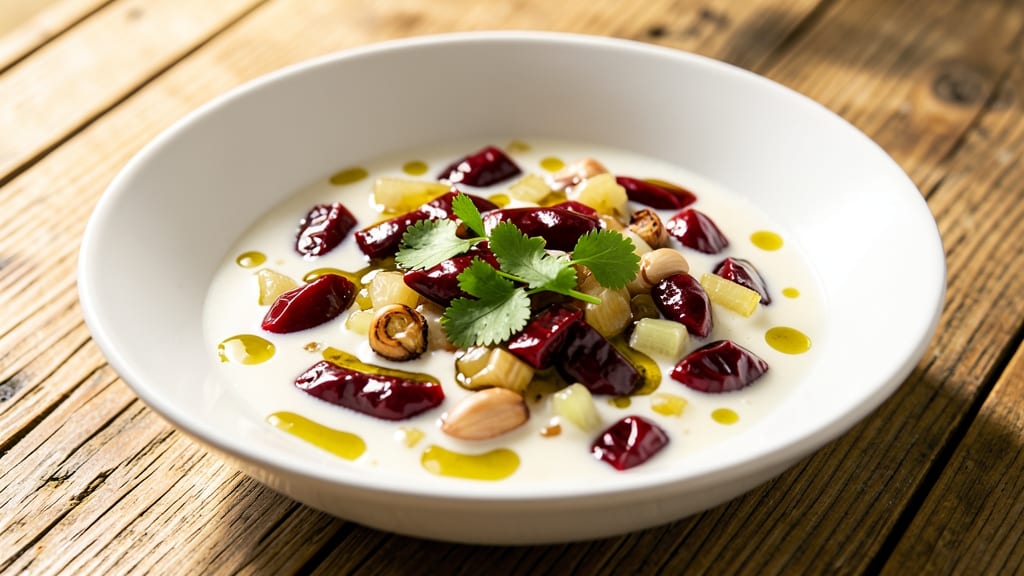
This Bajan sauce recipe brings the bold flavors of the Caribbean to your table with its fiery Scotch bonnet peppers, tangy vinegar, and creamy coconut base. The secret lies in balancing heat, acidity, and texture—where every spoonful delivers a punch of island-inspired flavor.
Perfect for drizzling over grilled meats, seafood, or even roasted vegetables, this sauce transforms ordinary dishes into something extraordinary.
The magic happens when you blend fresh celery crown with the sauce, creating a unique crunch that cuts through the richness while adding a refreshing contrast. Simmering the ingredients low and slow allows the flavors to meld, resulting in a sauce that’s both complex and deeply satisfying.
No special equipment is needed—just a blender, a pot, and patience for the flavors to develop.
What you’ll end up with is a versatile condiment that’s as useful as it is delicious—spicy, tangy, and just sweet enough to balance the heat. The coconut adds a creamy depth, while the Scotch bonnet peppers bring the fire.
This isn’t just a sauce; it’s a flavor experience that elevates any dish it touches.
Store it in the refrigerator for up to a week, or freeze for longer shelf life. Whether you’re cooking for a crowd or treating yourself to a taste of the Caribbean, this sauce is a game-changer. Let’s get started!
Ingredients for bajan sauce
Caribbean heat meets creamy coconut—just ten ingredients for bold island flavor.
| Ingredient | Amount | Notes |
|---|---|---|
| Scotch Bonnet Peppers 🌶️ | 2 whole | Seeds removed for less heat |
| Yellow Onion 🧅 | 1 whole | Medium size, diced finely |
| Celery Crown 🥬 | 1 whole | Fresh, chopped for texture |
| Fresh Garlic Cloves 🧄 | 4 cloves | Peeled, minced for depth |
| Coconut Milk 🥥 | 1 can | Full-fat, 13.5 oz can |
| White Vinegar 💧 | ½ cup | Distilled preferred for tang |
| Brown Sugar 🍯 | 2 tbsp | Light or dark variety |
| Olive Oil 🫒 | ¼ cup | Extra-virgin for richness |
| Salt 🧂 | 1 tsp | Kosher or sea salt |
| Black Peppercorns 🌶️ | ½ tsp | Freshly cracked preferred |
Scotch bonnet peppers are the heart of this sauce—find them at Latin markets or well-stocked grocery stores. If you can't get them, Habanero peppers work in a pinch, but reduce the amount by half. The coconut milk should be full-fat for that rich, velvety texture—no light versions here. For the celery crown, grab the leafy top of a celery stalk (the part most stores toss). It adds a fresh, crunchy contrast that balances the heat perfectly. If you're using pre-chopped celery, skip the crown and add an extra tablespoon of chopped celery for texture.
No Scotch bonnet? Thai bird's eye chilies bring similar heat, but use just one whole pepper. Vinegar substitutes? Apple cider vinegar or lime juice both work, though the flavor will shift slightly. Brown sugar too sweet? Coconut sugar or even maple syrup keeps things balanced. The olive oil matters here—use something fruity and peppery like California extra-virgin. For extra depth, toast the garlic cloves in the olive oil for 30 seconds before adding them to the pot. It makes all the difference.
This sauce keeps beautifully—1 week in the fridge or 3 months frozen. Store it in a glass jar with a tight seal, and the flavors only get better with time. If you make a big batch, freeze portions in ice cube trays for easy single-use servings. The celery crown will wilt after blending, but that's okay—it still adds subtle flavor. For extra crunch, reserve a few chopped pieces to stir in right before serving.
Why You'll Love This Recipe
- No Chopping Marathon: I swear by this—just dice the onion and celery once, toss them in a pot with the garlic, and let the heat do the work. The Scotch bonnet’s natural oils soften everything in minutes, so you’re not stuck stirring for hours.
- Heat That Stays: That first bite of creamy coconut milk cutting through the fire? Chef’s kiss. The Scotch bonnet lingers just enough to make your mouth tingle without overwhelming—perfect for people who love flavor but hate the burn-out.
- Pantry-to-Table Magic: This sauce turns rice into a feast, drizzles over grilled fish like a dream, and even elevates a sad bowl of lentils. Honestly, I keep a jar in the fridge just to toss on whatever I’m craving—no rules, no stress.
- Leftovers That Save Me: Make a big batch on Sunday, and you’ve got sauce for stir-fries, soups, or even as a dip for weeks. The coconut milk thickens beautifully when reheated, so it’s my go-to for lazy nights when I don’t want to cook.
Step-by-step instructions for Bajan sauce
Here's how to make this vibrant Caribbean sauce with perfect balance and texture.
Prepare the Aromatic Base
Heat the 0.25 cup Olive Oil in a medium saucepan over medium heat. Add the 1 whole Yellow Onion and 1 whole Celery Crown, both finely diced. Cook for 5-7 minutes until the onion becomes translucent and the celery softens slightly. You'll see the mixture release moisture and begin to caramelize—this builds the sauce's foundational flavor.
Add the 4 cloves Fresh Garlic Cloves, minced, and cook for another 30 seconds until fragrant. Here's the thing—don't let the garlic burn. It should smell sweet and inviting, not bitter. If it starts to darken too quickly, reduce the heat to low and stir constantly. This aromatic base forms the heart of your Bajan sauce, so take your time getting it right.
Add Heat and Sweetness
Increase the heat to medium-high and add the 2 whole Scotch Bonnet Peppers, seeds removed and chopped. Cook for 2-3 minutes until the peppers soften and begin to release their vibrant color. Be careful—the Scotch Bonnet packs serious heat, so avoid touching your eyes after handling them. The peppers should contribute a fiery kick without overwhelming the other flavors.
Stir in the 2 tbsp Brown Sugar and cook for another 1 minute until the sugar begins to dissolve and caramelize slightly. This step balances the heat with sweetness, creating that signature Bajan sauce complexity. You'll notice the mixture darken and develop a rich aroma—this is exactly what you want. The sugar helps mellow the pepper's intensity while adding depth.
Build the Sauce Foundation
Pour in the 0.5 cup White Vinegar and bring the mixture to a gentle simmer. Let it cook for 3-4 minutes until the vinegar's sharpness begins to mellow and the flavors meld together. This is where the sauce starts to come together—you should smell the vinegar's tang blending with the sweetness and heat. If the mixture looks too thick, add 1-2 tablespoons of water to help it along.
Next, add the 1 can Coconut Milk and stir well to combine. The sauce will become noticeably creamier as the coconut milk incorporates. Bring everything to a gentle simmer again and let it cook for 5-7 minutes, stirring occasionally. You're looking for the sauce to thicken slightly and develop a glossy appearance. The coconut milk adds richness and helps balance the acidity from the vinegar.
Season and Simmer
Add the 1 tsp Salt and 0.5 tsp Black Peppercorns, freshly cracked. Stir well and let the sauce simmer gently for 8-10 minutes. During this time, the flavors will continue to develop and meld together. You'll notice the sauce thicken further and the colors deepen—this is when the magic happens. Taste the sauce as it simmers and adjust the seasoning if needed, adding more salt or pepper to your preference.
Here's the crucial part: simmer until the sauce reaches your desired consistency. For a thicker sauce, simmer for the full 10 minutes. For a thinner, more pourable sauce, you can stop at 7-8 minutes. The sauce should coat the back of a spoon but still be smooth and silky. If it's too thick, you can thin it with a splash of water or coconut milk. Once you're happy with the consistency, remove the sauce from heat.
Rest and Serve
Let the Bajan sauce rest for 5-10 minutes off the heat. This resting period allows the flavors to fully meld and the sauce to thicken slightly as it cools. Don't skip this step—it makes a big difference in the final result. The sauce will continue to develop in flavor and texture during this time.
Taste the sauce one final time and adjust the seasoning if needed. It should have a perfect balance of heat, sweetness, and tanginess with a rich, creamy texture. Serve warm over grilled fish, shrimp, or chicken, or use it as a marinade for meats. This versatile sauce is also fantastic drizzled over rice and beans or as a dipping sauce for fried plantains. Enjoy the fruits of your labor—you've just made authentic Bajan sauce!
Pro Tips For Making Bajan Sauce
- CHAR THE ONIONS LOW: Medium heat is your friend here—high heat turns onions mushy and sweet instead of golden and caramelized. I learned this the hard way when my sauce ended up tasting like a sad dessert instead of a bold base. Let them cook for 8-10 minutes until they’re soft but still holding shape, and resist the urge to rush.
- PEEL GARLIC IN ADVANCE: Fresh garlic cloves take forever to peel mid-recipe. Do it all at once before you start—just smash each clove with the flat side of a knife, then pull the skins off. No more frantic peeling while the pot’s on the stove, and you’ll get even, consistent mincing every time.
- STRAIN THE PEPPERS: Unless you’re going for a chunky texture, blend the Scotch Bonnet peppers then strain them through a fine-mesh sieve. This removes seeds and excess liquid, giving you a smoother, more balanced sauce. Trust me, your taste buds will notice the difference—especially if you’re sensitive to heat.
- SIMMER THE COCONUT MILK: Don’t dump cold coconut milk straight into the pot—heat it first until it’s just warm to the touch. This prevents curdling when it hits the hot base, and the sauce will emulsify better. Stir it in slowly while the pot’s on low, or you’ll end up with a lumpy mess. (Yes, I’ve made that mistake.)
Regional styles of bajan sauce
Barbados Classic
The original Bajan sauce from Barbados is all about Scotch bonnet peppers and vinegar as the stars, creating that signature tangy heat. In Barbados, this sauce is traditionally served with fried fish, especially red snapper, or as a marinade for grilled chicken.
The recipe often includes tomato paste (about 1 tbsp) for depth, though our version keeps it simpler with the coconut milk for creaminess. Locals call it "pepper sauce," but it's so much more than just heat—it's a flavor bridge between spicy and sweet. 🌶️
For an authentic touch, many Barbadian cooks finish their sauce with a splash of lime juice right before serving. This brightens the flavors and adds a citrusy finish that cuts through the richness.
I've made this version countless times, and I always find myself reaching for it when I crave that island-inspired kick. The key is letting the sauce simmer until the vinegar's sharpness softens into a balanced tang.
Trinidadian Fusion
In Trinidad, Bajan sauce often gets a rum infusion—just 1 tbsp dark rum added during the simmering process. This adds a caramelized depth that's hard to resist. Trinidadians also love to include thyme (about 1 sprig) in their versions, which pairs beautifully with the coconut and peppers.
The result is a sauce that's slightly more complex, with a hint of herbal warmth alongside the heat. I've experimented with this variation, and it works especially well with grilled pork chops or jerk chicken. 🍹
For extra richness, some Trinidadian recipes call for a light coconut cream (like ½ cup coconut cream) instead of full coconut milk. This makes the sauce even more velvety and luxurious.
If you're feeling adventurous, try adding 1 tsp ground allspice during the simmer—it adds a warm, slightly sweet spice that complements the peppers perfectly.
Jamaican Jerk Twist
Jamaican jerk sauce often shares DNA with Bajan sauce, and you can easily adapt this recipe to create a jerk-inspired version. Add 1 tbsp jerk seasoning (store-bought or homemade with allspice, cinnamon, and nutmeg) and 1 tsp soy sauce for umami depth.
The jerk seasoning brings a smoky, slightly sweet complexity that pairs wonderfully with the Scotch bonnet's heat. This version is perfect for grilled meats like chicken or pork, giving them that signature jerk flavor boost. 🔥
For an extra kick, Jamaican cooks sometimes include 1 tsp grated ginger and 1 tsp ground thyme in their jerk-Bajan fusion. These ingredients add a layer of warmth and earthiness that rounds out the sauce beautifully.
I've used this twist on grilled jerk chicken, and the results are always a crowd-pleaser.
Grenadian Adaptation
In Grenada, Bajan sauce often incorporates nutmeg and cinnamon for a warmer, slightly sweeter profile. Grenadians also love to add 1 tbsp honey or 1 tsp grenadine syrup to balance the heat and add a floral note.
This version works exceptionally well with seafood, especially grilled lobster or shrimp skewers. The nutmeg and cinnamon add a cozy, spiced warmth that's perfect for cooler evenings. 🌴
For a Grenadian touch, try finishing the sauce with a sprinkle of toasted coconut flakes right before serving. This adds a delightful crunch and enhances the coconut's natural sweetness. I've made this version for seafood boil-ups, and it elevates the dish to a whole new level of flavor.
Modern Fusion Twist
If you're looking to put a modern spin on Bajan sauce, consider adding 1 tbsp miso paste for umami richness or 1 tsp smoked paprika for a subtle smokiness. These additions work surprisingly well, especially in fusion dishes like Bajan sauce-glazed ribs or sauce-drizzled tofu bowls.
The miso adds a savory depth, while the smoked paprika brings a hint of campfire flavor. 💡
For a sweeter, dessert-friendly version, reduce the Scotch bonnet to 1 pepper and add 2 tbsp honey or maple syrup. This creates a spicy-sweet glaze that's perfect for drizzling over grilled pineapple or ice cream. It's a fun way to repurpose the sauce for unexpected treats!
Nutrition facts
Frequently asked questions
Can I substitute Scotch bonnet peppers with another type?
Yes, but adjust carefully! For milder heat, use 1-2 habanero peppers (remove seeds for less spice) or Thai bird's eye chilies. If you prefer no heat, omit them entirely and add an extra 1 tbsp lime juice for tang. Never use jalapeños—they lack the fruity depth of Scotch bonnet.
How spicy should this sauce be?
The heat level depends on your tolerance! With 2 whole Scotch bonnet peppers (seeds removed), it's medium-hot—think "kick but not overwhelming." For extra heat, leave seeds in or add ½ tsp cayenne pepper at the end. For kids or sensitive palates, reduce to 1 pepper or blend in 1 tbsp tomato paste to mellow the flavor.
What's the best way to store leftover Bajan sauce?
Store in an airtight glass jar in the fridge for up to 1 week. For longer storage, freeze in ice cube trays (thaw as needed) or small jars for 3 months. The celery crown will soften but still add flavor. If the sauce separates, stir well before using—it's normal! The coconut milk may solidify; reheat gently on low heat.
Can I make this sauce without coconut milk?
For a lighter version, replace with ½ cup heavy cream or Greek yogurt (thinned with 2 tbsp water). For a dairy-free option, use ½ cup cashew cream (blend soaked cashews with water) or extra ¼ cup vinegar to maintain tang. The texture will be thinner but still vibrant—great for drizzling!
Why does my sauce taste too vinegary?
Simmer longer! The vinegar's sharpness mellows as it cooks. If it's still too tangy, balance it by adding 1 tbsp brown sugar or 1 tsp honey and simmer for another 5 minutes. For extra depth, stir in 1 tsp tomato paste or a pinch of smoked paprika—these add complexity that rounds out the acidity.