
Sauces & Condiments
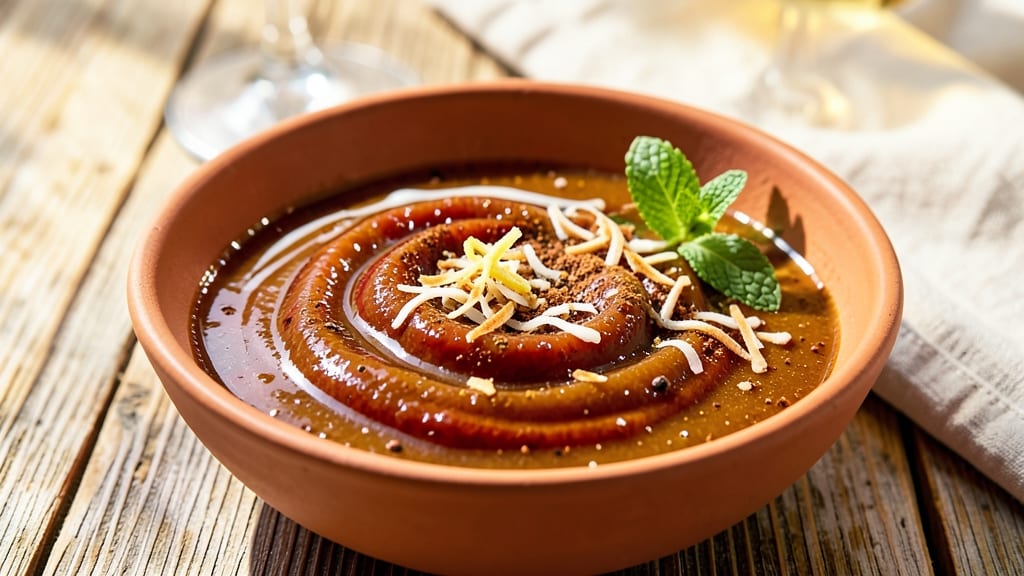
This Bahamian tamarind sauce delivers a bright citrus-tang with just the right Caribbean heat to elevate any dish. The secret lies in simmering tamarind pulp with vinegar, aromatic spices, and just enough sugar to balance the natural tartness—creating a versatile sauce that works as a marinade, glaze, or dipping sauce.
I developed this recipe after realizing how often tamarind was overlooked in home cooking, despite its ability to transform simple grilled fish or jerk chicken into something extraordinary.
The sauce begins with tamarind pulp dissolved in hot water, then simmered with vinegar, cinnamon, allspice, and cloves until reduced by half—this reduction is key to achieving that deep, concentrated flavor.
The spices infuse beautifully, adding warmth without overpowering the tangy-sweet profile. Unlike store-bought versions, this homemade sauce stays fresh for weeks in the fridge, making it perfect for meal prep or gifting.
What makes this sauce truly special is its versatility. Use it as a marinade for shrimp or chicken, a glaze for roasted vegetables, or a dipping sauce for fried plantains.
The balance of sweet, sour, and spice creates a complex flavor that pairs beautifully with seafood, grilled meats, and even as a dressing for salads. Once you try it, you’ll never reach for bottled sauce again.
The process is straightforward but requires patience—simmering for 20-25 minutes ensures the flavors meld perfectly. Store it in an airtight container, and you’ll have a pantry staple that brings a taste of the Bahamas to every meal. Let’s get started!
Ingredients for bahamian tamarind sauce
Pantry staples meet Caribbean boldness—this sauce transforms simple ingredients into vibrant flavor magic.
| Ingredient | Amount | Notes |
|---|---|---|
| Tamarind Pulp 🍈 | ½ cup | Unadulterated, block form preferred |
| Hot Water 💧 | 1 cup | Boiled for dissolving tamarind |
| White Vinegar 🍶 | ½ cup | Distilled preferred for clarity |
| Granulated Sugar 🍚 | ¼ cup | Adjust to taste for sweetness |
| Ground Cinnamon 🌿 | ½ tsp | Freshly ground for warmth |
| Ground Allspice 🌶️ | ¼ tsp | Key for Caribbean depth |
| Whole Cloves 🌿 | 2 whole | Lightly crushed for aroma |
| Fresh Lime Juice 🍋 | 2 tbsp | Freshly squeezed for brightness |
| Salt 🧂 | ½ tsp | Kosher or sea salt |
| Extra-Virgin Olive Oil 🫒 | 2 tbsp | For finishing drizzle |
Tamarind is the heart of this sauce, so block form is non-negotiable—it dissolves perfectly without gummy residue. I always grab mine from Trader Joe's or Penzeys Spices for the cleanest, most concentrated pulp. The vinegar should be white distilled (apple cider works too), but avoid balsamic or red wine vinegar—they’ll muddy the bright citrus notes. For the spices, freshly ground cinnamon and allspice make all the difference, though pre-ground works in a pinch. Cloves should be whole and lightly crushed—no need to powder them, just a gentle tap with a mortar or rolling pin.
No tamarind? Substitute 1/4 cup lime juice plus 1 tbsp honey, though it won’t have the same depth. Running low on vinegar? Lemon juice at the same amount keeps the tang, but the sauce will taste slightly less complex. The sugar can be swapped for coconut sugar or maple syrup—just reduce by 10% since they’re sweeter. If you’re feeling adventurous, add a pinch of Scotch bonnet powder for heat, but start small. The lime juice is critical—bottled won’t cut it. Freshly squeezed gives that electric brightness the sauce needs to shine.
This sauce keeps for 3-4 weeks in the fridge, sealed tightly in a glass jar. The flavors actually improve over time—let it sit for a day before using if you can. For gifting, portion into small jars with a drizzle of olive oil and a sprig of thyme. Freezes beautifully for up to 6 months, though texture may separate slightly. If it thickens too much, just whisk in a splash of warm water. The olive oil at the end isn’t just for flavor—it creates a protective seal that keeps the sauce fresh longer.
Why You'll Love This Recipe
- Five-Ingredient Magic: I swear, this sauce comes together with just tamarind pulp, hot water, and three pantry staples—no fancy techniques, no stress. The tamarind’s natural tang and that first sprinkle of cinnamon? Instant flavor without the fuss.
- Tangy-Sweet Balance: Here’s what sold me—the way the vinegar cuts through the tamarind’s richness while the sugar and cinnamon warm it up. It’s not too sweet, not too sour; it’s that just-right moment you crave when you’re halfway through a meal.
- Dips, Glazes, Everything: Between us, this sauce is my secret weapon for grilled fish, roasted veggies, or even drizzled over ice cream (yes, really). The versatility means I’m never stuck figuring out what to do with leftovers—just repurpose and enjoy.
- Budget-Friendly Staple: Honestly, tamarind pulp and cinnamon are cheap, and this recipe stretches into a whole week’s worth of flavor. I make a big batch, store it in the fridge, and pull it out whenever I need a quick, reliable boost—no grocery runs, no extra cost.
Step-by-step instructions for Bahamian tamarind sauce
Here's how to craft this vibrant, tangy-sweet sauce that balances Caribbean heat with citrus brightness.
Dissolve the Tamarind Pulp
In a medium saucepan, combine the 0.5 cup tamarind pulp with the 1 cup hot water. Stir gently but thoroughly to break up any clumps, then bring to a gentle simmer over medium heat. The mixture will thicken slightly as it heats, but keep stirring occasionally to prevent sticking. You're looking for a smooth, paste-like consistency—this ensures no grainy texture remains in your final sauce.
Here's the thing—tamarind pulp can vary in quality. If you're using block tamarind, make sure it's fully dissolved before proceeding. If you notice any undissolved bits after 5 minutes of simmering, strain the mixture through a fine-mesh sieve to achieve that silky texture we want. The sauce should now have a deep amber color and a complex, slightly sour aroma that hints at the flavors to come.
Add Vinegar and Spices
Once the tamarind is fully dissolved, reduce the heat to low and add the 0.5 cup white vinegar. Stir well to combine, then add the 0.25 cup granulated sugar, 0.5 tsp ground cinnamon, 0.25 tsp ground allspice, 2 whole cloves, and 0.5 tsp salt. The spices will infuse their warmth into the sauce as it simmers, creating that signature Bahamian depth.
Let the mixture simmer gently for 10-12 minutes, stirring occasionally. You'll notice the sauce thickening slightly and developing a rich, aromatic steam. The cloves will release their earthy notes, while the cinnamon and allspice add layers of warmth. This is where the magic happens—don't rush this step. The longer the spices steep, the more complex the flavor profile becomes.
Finish with Lime and Olive Oil
After the spices have had time to infuse, remove the saucepan from heat and let it cool slightly for 2-3 minutes. Then, stir in the 2 tbsp fresh lime juice and 2 tbsp extra-virgin olive oil. The lime juice brightens the sauce with its sharp acidity, cutting through the sweetness and vinegar. The olive oil adds a velvety finish and helps balance the tang.
Taste the sauce and adjust the seasoning if needed. You might want to add a touch more sugar if it's too tart, or a splash more lime juice if it needs more brightness. The sauce should have a perfect balance of sweet, sour, and spicy notes. Once you've achieved that harmony, give it one final stir to emulsify the olive oil evenly throughout.
Strain and Serve
For a smooth, refined sauce, strain the mixture through a fine-mesh sieve into a clean bowl or jar, pressing gently on the solids to extract every last drop of flavor. This step removes the cloves and any remaining tamarind fibers, leaving you with a silky, ready-to-use sauce. If you prefer a slightly textured sauce, you can skip the straining—just be mindful that the cloves might add a slight bite.
The sauce is now ready to use. It keeps well in the refrigerator for up to 2 weeks, making it perfect for drizzling over grilled fish, chicken, or even as a marinade. The balance of tangy, sweet, and spicy flavors makes it incredibly versatile—pair it with anything that needs a bright, Caribbean-inspired kick.
Pro Tips For Making Bahamian Tamarind Sauce
- STRAIN IT WELL: Tamarind pulp has seeds and fibers that turn your sauce gritty if you skip this. Use a fine-mesh sieve or cheesecloth—press with a spoon, and don’t rush. I learned this the hard way when my first batch tasted like I’d forgotten to blend it.
- WEIGH THE SUGAR: Granulated sugar by volume is unreliable here—pack it lightly into your measuring cup and level it off. Too much and your sauce turns cloying; too little and it’s just vinegary. I now use a kitchen scale for consistency, especially when doubling batches.
- BALANCE THE VINEGAR: Start with half the vinegar called for, taste, then add more. White vinegar’s sharpness can overpower tamarind’s depth if you dump it all in at once. My grandmother’s rule: “Let the tamarind sing first.”
- SIMMER LOW AND LONG: Don’t boil this sauce—gentle heat (just bubbles at the edges) prevents the sugar from crystallizing and the cinnamon from burning. Ten minutes is enough; check it every 3-4 minutes after the first five. Patience here makes all the difference.
Perfect pairings for this recipe
Grilled Seafood Pairing
This sauce transforms grilled whole red snapper or mahi-mahi into a showstopper. Brush 2 tbsp of the sauce over the fish just before grilling at medium-high heat for 4-5 minutes per side.
The tamarind’s tang cuts through the fish’s richness while the spices caramelize beautifully on the grill. Serve with lime wedges and toasted coconut flakes for extra texture. 🌊
Jerk Chicken Glaze
Use the sauce as a finishing glaze for jerk chicken thighs. After marinating in traditional jerk spices for 4-6 hours, brush the chicken with 1 tbsp of sauce during the last 5 minutes of grilling or baking at 375°F.
The sauce creates a sticky, glossy crust that balances the heat with sweetness. Pair with grilled pineapple slices for a tropical twist.
Plantain Dipping Sauce
Sweet fried green plantains become irresistible when dipped in this sauce. Heat 1 tbsp of the sauce in a small saucepan until warm (don’t boil) and serve alongside plantains.
The contrast of the caramelized plantains with the tangy-sweet sauce is pure Bahamian comfort. Add a sprinkle of flaky sea salt for extra depth.
Marinade for Shrimp
Toss 1 lb of peeled shrimp with ¼ cup of the sauce and 1 tbsp olive oil for a 30-minute marinade. Grill or sauté until pink (2-3 minutes per side) for a flavor-packed dish.
The tamarind tenderizes the shrimp while infusing them with Caribbean warmth. Garnish with fresh cilantro and serve with grilled corn on the cob.
Salad Dressing Twist
Whisk 2 tbsp of the sauce with 3 tbsp olive oil and 1 tbsp lime juice for a bold dressing. Toss with mango slices, red bell pepper strips, and cucumber.
The sauce’s complexity elevates simple greens like arugula or kale into a vibrant, tangy salad. Add toasted pumpkin seeds for crunch.
Breakfast Pairing
Drizzle over scrambled eggs or grilled cheese for a Bahamian-inspired breakfast. The sauce’s sweet-tangy profile balances the richness of eggs or melted cheese beautifully. For extra flair, top with crumbled feta and sliced jalapeños. Serve with toasted brioche** for a decadent brunch.
Nutrition facts
Frequently asked questions
Can I substitute tamarind pulp if I can't find it?
Yes! For a quick substitute, mix ¼ cup lime juice with 1 tbsp honey to mimic tamarind's tangy-sweet profile. However, the sauce will lack tamarind's unique depth and complexity. For best results, seek out tamarind blocks or pulp at specialty stores or online.
How spicy is this sauce and can I adjust the heat?
The recipe includes mild spices like cinnamon and allspice, but you can add a pinch of Scotch bonnet powder (start with ¼ tsp) for heat. For a milder version, reduce the allspice to ⅛ tsp or omit it entirely. The lime juice already provides bright acidity without added spice.
Can I make this sauce without vinegar?
While vinegar adds tang, you can replace it with lemon juice at the same amount. Just note the sauce will be slightly less complex. For a deeper flavor, simmer the tamarind with 1 extra tbsp of lime juice instead. The reduction time may need to be extended by 3-5 minutes to concentrate the flavors.
Why does my sauce look grainy after simmering?
Undissolved tamarind pulp causes graininess. To fix it, strain the sauce through a fine-mesh sieve after simmering. For prevention, use hot water (not cold) and stir vigorously while heating. If using block tamarind, soak it in warm water for 10 minutes before dissolving to soften it first.
How long can I store this sauce and can I freeze it?
Store in an airtight container in the fridge for 3-4 weeks. The flavors actually improve with time! For freezing, portion into ice cube trays or small jars, leaving ½-inch headspace. Thaw overnight in the fridge—never microwave. Texture may slightly separate, but whisking restores smoothness.