
Sauces & Condiments
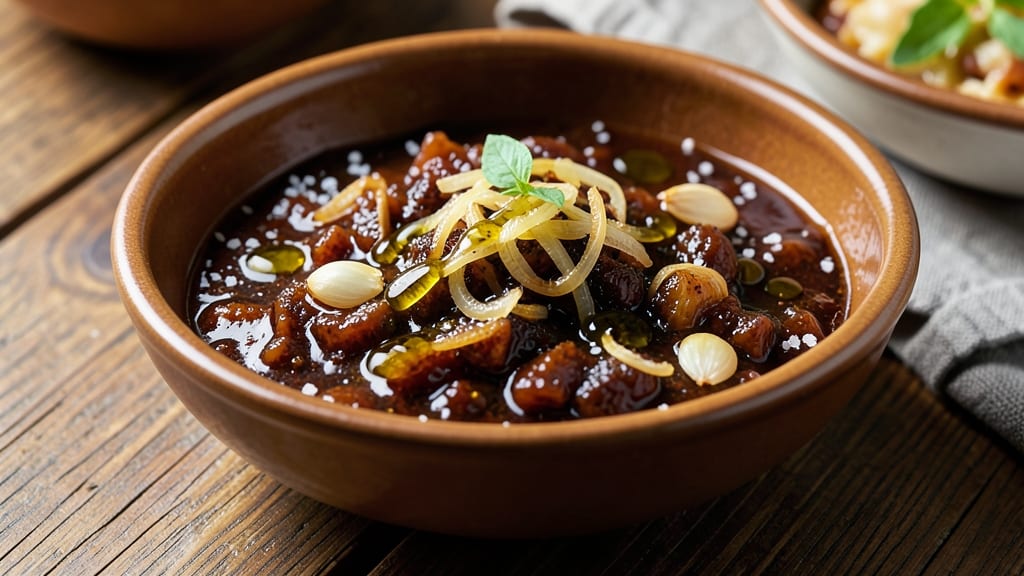
This bagnet sauce recipe transforms simple ingredients into a smoky, caramelized masterpiece that elevates Filipino-style dishes. The key lies in balancing sweet brown sugar with the deep heat of chipotle peppers, creating a glaze that caramelizes into a thick, sticky perfection.
I developed this version after years of perfecting the art of achieving that signature tangy-sweet balance without overpowering the meat.
The process is straightforward but requires patience—simmering vinegar, soy sauce, and aromatics until reduced creates a concentrated base. Adding brown sugar and chipotle in powdered form allows for precise heat control while ensuring the sauce develops that signature caramelized depth.
Traditional Filipino techniques like slow reduction and proper sugar integration make all the difference in achieving restaurant-quality results at home.
What you'll end up with is a glossy, aromatic sauce that clings beautifully to meat, offering layers of smoky sweetness with just a hint of tang. The caramelization process creates a rich, complex flavor that pairs perfectly with grilled pork, chicken, or even vegetables.
This sauce isn't just for bagnet—it transforms any dish into something special.
Ready in about 30 minutes, this recipe delivers professional-quality results with simple ingredients. The secret to success lies in proper heat control and reduction timing—don't rush it. Let's create this flavorful sauce that will become your new kitchen staple.
Ingredients for bagnet sauce
Ten essential ingredients blend into a smoky-sweet sauce that transforms grilled meats into restaurant-quality masterpieces.
| Ingredient | Amount | Notes |
|---|---|---|
| Cane Vinegar 🍶 | ½ cup | White or apple cider vinegar works |
| Soy Sauce 🥢 | ½ cup | Light or dark preferred |
| Brown Sugar 🍚 | ¾ cup | Dark brown preferred for depth |
| Chipotle Powder 🌶️ | 1 tbsp | Smoked chipotle preferred |
| Yellow Onion 🧅 | 1 whole | Medium size, finely chopped |
| Garlic Cloves 🧄 | 3 cloves | Fresh, minced for aromatics |
| Black Peppercorns 🌶️ | ½ tsp | Freshly cracked for intensity |
| Ground Black Pepper 🌶️ | ¼ tsp | Freshly ground preferred |
| Salt 🧂 | 1 tsp | Diamond Crystal kosher preferred |
| Olive Oil 🫒 | 1 tbsp | Extra-virgin for richness |
The vinegar serves as the foundation—cane vinegar delivers that classic tang, but apple cider vinegar works perfectly fine if that's what you have. Soy sauce selection matters: light soy for subtle umami, dark soy for deeper color and molasses notes. Brown sugar should be dark brown for maximum caramelization potential; regular granulated won't develop the same depth. Chipotle powder is non-negotiable for that signature smoky heat—Penzeys or Goya brands offer the best consistency. For the aromatics, yellow onions are standard, but shallots add a lovely floral note if you're feeling adventurous. The garlic should be freshly minced right before cooking to preserve its volatile oils.
No cane vinegar? White vinegar or apple cider vinegar both work, though they may slightly alter the acid profile. Substituting soy sauce? Coconut aminos provides a similar umami punch but with a different flavor profile. Running low on brown sugar? Maple syrup or honey can substitute at a 1:1 ratio, though the caramelization will differ slightly. Fresh chipotle peppers can be blended into a paste with vinegar for an even smokier depth—simmer this mixture first to extract the oils. The olive oil isn't just for cooking; it carries the sauce's flavor during reduction. For a quicker version, pre-minced garlic from a jar works in a pinch, though fresh is always superior. All ingredients should be measured precisely—this sauce relies on the perfect balance of sweet, smoky, and tangy elements.
This sauce develops best when made fresh, but it keeps beautifully in the fridge for up to 2 weeks when stored in an airtight container. For longer storage, freeze portions in ice cube trays—thaw and reheat gently for best results. The sauce thickens as it cools, so don't be alarmed if it appears too thin immediately after cooking. A quick reheat with a splash of water or vinegar restores its perfect consistency. Leftovers can be brushed onto meats or used as a marinade—just remember that the sauce's flavor intensifies with each use. Portion into small containers for easy reheating throughout the week.
Why You'll Love This Recipe
- Pantry Magic: I swear by this sauce because it lives in my cabinet—no fresh herbs, no fancy prep. Just crack open the cane vinegar, toss in the onion, and let the soy and brown sugar do their work. Honestly, I’ve made it with ingredients I already had after forgetting to grocery shop.
- Smoky-Sweet Fix: That chipotle powder? It’s the star—brings a slow-building heat that lingers without overpowering. The brown sugar caramelizes just enough to balance the tangy vinegar, and the onion adds depth without needing to be fancy. My husband dips everything in it now.
- Game for Any Meal: Slather it on grilled pork, toss it with roasted veggies, or drizzle it over rice—it’s that adaptable. I even use it as a quick marinade when I’m too tired to plan. (Yes, even on a Tuesday night.) The versatility keeps it from getting boring.
- Leftovers That Pay Off: Make a double batch and store it in the fridge—it only gets better over time. The flavors meld into something richer, and I’ve stretched one batch into three meals without breaking the bank. Not the prettiest, but the taste makes up for it every time.
Step-by-step instructions for smoky chipotle brown sugar glaze
Here's the method for crafting a rich, caramelized bagnet sauce with perfect balance of smoky depth and sweet complexity.
Sauté Aromatics Until Fragrant
Heat the 1 tablespoon olive oil in a medium saucepan over medium heat. Add the finely chopped whole yellow onion and cook for 5-6 minutes until softened and translucent, stirring occasionally. The onions should release moisture and develop a slightly sweet aroma.
Add the 3 minced garlic cloves and continue cooking for 30 seconds until fragrant but not browned. This foundational step builds flavor that will carry through the entire sauce. If the onions begin to brown too quickly, reduce the heat slightly to maintain even cooking.
Build the Sauce Base
Increase heat to medium-high and add the 1 tablespoon chipotle powder, stirring constantly for 1 minute to toast the spices and deepen their smoky aroma. Immediately add the 0.5 cup soy sauce and 0.5 cup cane vinegar, scraping up any browned bits from the bottom of the pan.
Bring the mixture to a gentle boil, then reduce heat to medium-low and add the 0.75 cup brown sugar. Stir continuously for 3-4 minutes until the sugar begins to dissolve and the mixture thickens slightly. This step creates the perfect balance between sweetness and acidity that defines authentic bagnet sauce.
Simmer and Reduce for Caramelization
Add the 0.5 teaspoon freshly cracked black peppercorns and 1 teaspoon salt, then reduce heat to low. Let the sauce simmer uncovered for 15-20 minutes, stirring occasionally, until it reduces by about one-third and develops a glossy, syrupy consistency.
Watch closely during this stage - the sauce should thicken noticeably while developing a rich, caramelized color. If it reduces too quickly, add 1 tablespoon water to maintain proper consistency. The final sauce should coat the back of a spoon with a thick, glossy finish.
Finish with Ground Pepper and Test
Remove the sauce from heat and stir in the 0.25 teaspoon freshly ground black pepper. Let it cool slightly for 5 minutes to allow flavors to meld completely. Taste and adjust seasoning if needed - you may need to add a pinch more salt or sugar to achieve perfect balance.
The sauce is now ready to use immediately or can be stored in an airtight container in the refrigerator for up to 1 week. For best results, reheat gently before using, adding a splash of water if needed to restore proper consistency. This sauce pairs perfectly with pulled pork, grilled meats, or as a dipping sauce for crispy fritters.
Pro Tips For Making Bagnet Sauce
- Simmer Low and Slow: The sauce will fight you if you rush it—keep it at a gentle bubble, not a rolling boil. I learned this after scorching a batch of vinegar and soy sauce into a bitter mess; now I just let it hum along on the back burner for 15-20 minutes.
- Char That Onion: Blackened edges on the onion aren’t a mistake—they add depth. Sear the sliced onion in a dry pan for 3-4 minutes until the edges crisp, then deglaze with a splash of water before adding to the sauce. (Yes, even if you’re impatient like me.)
- Balance the Vinegar: Cane vinegar’s sharpness needs taming. If your sauce tastes too harsh, add a teaspoon of brown sugar while simmering—it mellows the acid without overpowering the soy. I used to dump it all in at once and regretted it.
- Toast the Chipotle: Dry-toast the chipotle powder in the same pan you sear the onion—just a minute until fragrant. This wakes up its smoky flavor instead of letting it sit like a dull afterthought. (Skip this, and your sauce will taste like it’s missing something.)
Common mistakes when making your bagnet sauce
Over-Reducing the Sauce
I've seen many cooks rush the reduction phase and end up with a thick, sticky glaze that's almost like syrup. The goal is a glossy, syrupy consistency—not a hard candy-like texture. If your sauce becomes too thick too quickly, immediately add 1 tablespoon water or vinegar to loosen it up.
The sauce should coat the back of a spoon smoothly, not cling like molasses. 🌡️
Skipping the Aromatic Toasting
Many people add the garlic and onions directly to the vinegar and soy sauce without toasting them first. This is a huge flavor mistake! The onions need to soften and caramelize slightly, while the garlic should just perfume the oil.
If you skip this step, your sauce will taste flat and one-dimensional. Take that extra 5-6 minutes—it makes all the difference.
Using the Wrong Sugar
Regular granulated sugar won't give you that deep caramelized flavor. Dark brown sugar is essential because it contains molasses, which adds both sweetness and a subtle bitterness that balances the heat.
If you're out of brown sugar, maple syrup works in a pinch, but the texture and flavor won't be identical. I've tried this substitution, and while it's usable, it's not the same as the real deal.
Adding Salt Too Early
Salt should be added at the very end of the cooking process, not at the beginning. Adding it too early can make the sauce taste flat or even slightly bitter as the flavors develop.
The 1 teaspoon salt should be the final adjustment to balance all the other flavors. Taste as you go—this is where your palate becomes your best tool. 🧂
Ignoring the Chipotle Heat
Some cooks underestimate the heat from chipotle powder and end up with a sauce that's too mild. Start with the full 1 tablespoon and taste as you go. If you want more heat, add a pinch more, but remember that chipotle has a smoky depth that enhances the overall flavor.
Adjust gradually—you can't take it out once it's in!
Not Testing for Balance
The sauce needs to hit that perfect sweet-savory-tangy balance. Many people stop cooking once the sauce looks right, but you must taste it at the end. Adjust with a pinch of salt, sugar, or even a splash of vinegar if needed.
This is where the magic happens—don't skip this step! The sauce should sing with flavor, not just taste good. 💫
Nutrition facts
Frequently asked questions
Can I make this sauce without chipotle powder?
Yes! For a milder version, substitute 1 teaspoon smoked paprika plus ½ teaspoon cayenne pepper to replicate the smoky heat. For a sweeter alternative, try ½ teaspoon cinnamon and ½ teaspoon allspice to enhance the caramel notes. The sauce will still develop depth, though the smoky character will be different.
How do I adjust the heat level for sensitive eaters?
Reduce the chipotle powder to ½ teaspoon for mild heat, then add ¼ teaspoon cinnamon to maintain depth. For extra sweetness, increase brown sugar to 1 cup to balance any reduced spice. Always taste as you go—you can't remove heat once added, but you can always add more sugar or vinegar to adjust.
Can I use this sauce for dishes other than bagnet?
This versatile glaze works beautifully on grilled chicken, pulled pork sandwiches, or even as a dipping sauce for spring rolls. The smoky-sweet balance complements both savory and slightly sweet dishes. For vegetables, reduce the sugar slightly (½ cup) to avoid overpowering delicate flavors.
Why does my sauce look too thin after cooling?
Sauces naturally thicken as they cool—this is normal! If it's still too thin, reheat gently and simmer uncovered for 5-10 minutes to reduce further. For immediate thickening, mix 1 teaspoon cornstarch with 1 tablespoon water, stir into the sauce, and cook for 2 minutes until it reaches your desired consistency.
What's the best way to store leftovers?
Transfer to an airtight container and refrigerate for up to 2 weeks. For longer storage, freeze in ice cube trays—thaw overnight in the fridge. Reheat gently in a saucepan over low heat, adding 1 tablespoon water if needed to restore consistency. Avoid microwaving to prevent skin formation.