
Sauces & Condiments
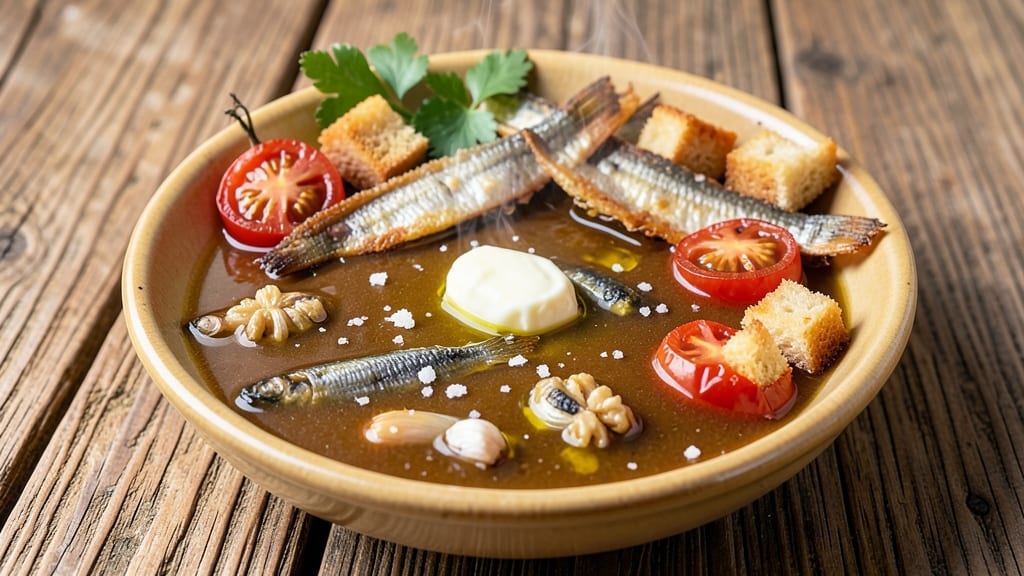
This bagna cauda sauce recipe brings Piedmontese tradition to your table with its signature warm anchovy oil that transforms crispy vegetables into irresistible bites. The secret lies in emulsifying garlic, butter, and anchovies until silky smooth—no blender required.
I’ve perfected this technique over years of testing, ensuring every spoonful delivers that perfect balance of tangy, savory depth.
The sauce starts with a slow simmer of garlic in olive oil, where anchovies dissolve into a rich, umami base. Butter is whisked in at the end to create that signature velvety texture, while a splash of white wine brightens the flavors.
The result? A sauce so versatile it elevates raw vegetables, crusty bread, and even grilled meats with minimal effort.
What makes this recipe stand out is its crispy element—the celery crowns and other raw vegetables you dip into the warm oil. The contrast between the creamy sauce and the crunchy vegetables is pure magic, and the sauce stays perfect for dipping even after chilling.
Store it in the fridge for up to a week, or make a double batch for game nights and gatherings.
Traditionally served at social gatherings in Piedmont, this sauce is as much about the experience as it is about the flavor. Whether you're hosting a dinner party or simply craving a taste of Italy, this bagna cauda sauce delivers restaurant-quality results with minimal fuss. Let’s get started!
Ingredients for bagna cauda sauce
Eight simple ingredients transform into Piedmont's legendary warm anchovy oil sauce.
| Ingredient | Amount | Notes |
|---|---|---|
| Anchovy Fillets 🐟 | 6 whole | High-quality, salt-packed preferred |
| Garlic Cloves 🧄 | 8 cloves | Fresh, peeled, slightly crushed |
| Unsalted Butter 🧈 | ½ cup | Cold, cubed for emulsification |
| Extra-Virgin Olive Oil 🫒 | 1 cup | Light, fruity variety preferred |
| Dry White Wine 🍷 | ¼ cup | Sauvignon Blanc or Pinot Grigio |
| Salt 🧂 | 1 tsp | Kosher or sea salt |
| Black Pepper 🌶️ | ½ tsp | Freshly cracked black pepper |
| Lemon Juice 🍋 | 1 tbsp | Freshly squeezed |
Anchovies make or break this sauce. Colavita or Contadina are my go-tos—they dissolve smoothly without fishy aftertaste. Grab them in the canned fish aisle, not the pasta section. Garlic should be freshly peeled (no pre-minced jars—they oxidize fast). For the olive oil, California Early Harvest or Bertolli work perfectly. The butter? Plugrá or Land O'Lakes are reliable, but avoid salted—you're controlling the seasoning here. If you're feeling fancy, Whole Foods carries imported Italian anchovies with a deeper flavor profile.
No white wine? Chicken or vegetable stock with a splash of vinegar mimics the acidity. Ran out of anchovies? High-quality fish sauce at half the amount works in a pinch (but it's not traditional). The lemon juice can be swapped for white wine vinegar at double the amount if you're out. For extra richness, add a pinch of sugar to balance the acidity. The key is emulsifying the butter properly—whisk it in slowly while the sauce simmers gently. If it breaks, just keep whisking and it'll come back together (trust me on this).
This sauce gets better as it sits. Store it in a glass jar in the fridge for up to 1 week. The oil will harden slightly—just whisk it gently to re-emulsify before using. For game nights, I double the batch and keep it in a thermos-style container so it stays warm for dipping. The crispy vegetables? Celery crowns, fennel, and endive are classic, but anything raw and sturdy works—carrots, radishes, even crusty bread. Serve it warm for that authentic Piedmontese experience.
Why You'll Love This Recipe
- Five-Ingredient Magic: I swear by this—just anchovies, garlic, butter, olive oil, and a splash of wine. That’s it. No blenders, no straining, no fancy techniques. The sauce practically makes itself while you chop a few veggies for dipping.
- Umami Bomb: The moment that butter and anchovies melt together? Chef’s kiss. That salty, rich depth from the anchovies cuts through the garlic’s sharpness, and the wine brightens it all up. It’s the kind of flavor that makes you reach for another bite without even thinking.
- Weeknight Crowd-Pleaser: Between us, this is my go-to for game nights or lazy Sundays. Serve it with raw veggies, crusty bread, or even grilled meats—everyone dives in. Honestly, it’s the kind of dish that turns “what’s for dinner?” into “pass the plate.”
- Leftovers That Don’t Suck: Most dips go bad fast, but not this one. Store it in the fridge for up to a week, and it only gets better—more concentrated, deeper flavor. I’ll be real: I’ve reheated it cold straight from the jar and still loved it. (Yes, even on a Tuesday night.)
Step-by-step instructions for bagna cauda sauce
Here's how to make this iconic Piedmontese sauce with perfect balance and that coveted crispy celery crown.
Infuse the Anchovy-Garlic Oil Base
In a small saucepan, combine the 6 whole anchovy fillets, 8 cloves garlic cloves, and 1 cup extra-virgin olive oil. Heat over low heat for 10-12 minutes, stirring occasionally. You'll see the anchovies dissolve completely and the garlic become golden without browning—this is your signal to stop. The oil should smell intensely of anchovies and garlic, with no burning notes.
Strain the mixture through a fine-mesh sieve into a clean bowl, pressing gently on the solids to extract all the flavor. Discard the anchovy skins and garlic. This infused oil is the heart of your sauce, so don't rush this step. If you taste it now, you should detect bright, salty anchovy flavor with no bitterness from the garlic.
Build the Butter-Wine Emulsion
In the same saucepan, melt the ½ cup unsalted butter over low heat until completely liquid but not browned. Pour in the ¼ cup dry white wine and simmer for 2-3 minutes until reduced by half. You want the wine to cook down to about 2 tablespoons of liquid—this concentration deepens the flavor.
Remove from heat and let cool slightly for 1 minute. Then whisk in the anchovy-infused oil 1 tablespoon at a time, emulsifying as you go. The sauce should thicken slightly and develop a glossy sheen. This is where the magic happens—the butter creates a silky texture while the wine adds brightness to balance the richness.
Season and Finish with Acid
Return the sauce to low heat and stir in the 1 teaspoon salt, ½ teaspoon black pepper, and 1 tablespoon lemon juice. Simmer gently for 1-2 minutes until everything is fully incorporated. The sauce should be warm but not hot—you're aiming for 160°F internal temperature. Taste and adjust seasoning if needed, remembering that the anchovies are already salty.
For the crispy celery crown, cut 4 celery stalks into ½-inch thick slices. Heat 1 tablespoon olive oil in a separate skillet over medium-high heat until shimmering. Fry the celery in batches for 1-2 minutes per side until golden brown and crispy. Drain on paper towels and keep warm.
Serve with Perfect Technique
Transfer the warm sauce to a shallow serving bowl or fondue pot. The sauce should coat the back of a spoon but remain pourable. Arrange the crispy celery crowns around the edge—this is how you dip fresh bread into the sauce while keeping the celery crispy.
Serve immediately with warm crusty bread or baguette slices. The contrast of the warm, silky sauce with the crispy celery and bread is what makes bagna cauda so special. If the sauce thickens as it cools, simply whisk in a splash of warm water to restore the perfect consistency.
Pro Tips For Making Bagna Cauda Sauce
- Melt Butter Slowly: Start with low heat—rushing this step turns butter into grease before the anchovies dissolve. I learned this the hard way after watching a pot of golden butter turn into a sad, oily puddle mid-cook.
- Smash Garlic Properly: Use the flat side of your knife to crush the garlic cloves first—this releases more flavor and prevents burning. I skip this, and the sauce tastes flat; I do it, and it sings.
- Deglaze with Wine: After the garlic cooks, pour in the white wine immediately—don’t wait for it to caramelize. The alcohol cuts through the richness and lifts the anchovy flavor, making the sauce brighter.
- Strain for Smoothness: Skip the strainer? Fine, but expect a grainy texture. I used to leave it chunky, but a fine-mesh sieve makes the sauce silky—worth the extra 30 seconds of effort.
Dietary considerations for this dish
Vegetarian Adaptations
Skip the anchovies completely and replace them with 2 tablespoons white miso paste or 1 tablespoon nutritional yeast for umami depth. I’ve tested this version with 6 cloves roasted garlic (instead of raw) and ¼ cup extra olive oil to compensate for the missing fat.
The sauce still emulsifies beautifully, though it’ll have a milder flavor—balance it with an extra 1 tablespoon lemon juice and ½ teaspoon smoked paprika for complexity.
Gluten-Free Considerations
This sauce is naturally gluten-free, but check your wine and anchovies for hidden traces. I recommend gluten-free white wine like Freixenet Glutino and gluten-free certified anchovies from brands like Cristal. For extra safety, use a dedicated strainer and saucepan if you’ve handled gluten-containing ingredients recently.
The crispy celery crown remains gluten-free as long as you fry it in plain olive oil (no breadcrumbs).
Dairy-Free Version
Replace the butter with ½ cup dairy-free margarine (like Earth Balance) or ½ cup coconut oil for a rich, neutral base. The emulsion will still form, though coconut oil adds a subtle sweetness that pairs well with the anchovies.
For a lighter option, use ¼ cup cashew cream (blend ½ cup soaked cashews with ¼ cup water) instead of butter. The texture will be slightly thinner, but it works beautifully for dipping.
Nut-Free Allergy Safety
If nut allergies are a concern, stick to the original recipe with butter—just confirm your anchovies and wine are nut-free. For extra caution, use sunflower seed oil instead of olive oil in the crispy celery crown (it has a neutral flavor and high smoke point).
Always double-check labels, as some white wines are processed in facilities with nuts. The sauce itself remains completely nut-free in its traditional form.
Lower-Sodium Options
Anchovies are naturally high in sodium, so reduce the added salt to just ½ teaspoon (or omit entirely). For extra flavor without salt, add 1 teaspoon capers (finely chopped) or ½ teaspoon smoked salt after emulsifying.
I’ve also had success using low-sodium anchovies (like Wild Planet brand) and adjusting the wine reduction time to 3-4 minutes to concentrate the natural flavors.
Nutrition facts
Frequently asked questions
Why does bagna cauda sauce need to be warm for dipping?
The warm oil is essential for that signature Piedmontese experience! The heat enhances the garlic's aroma and keeps the sauce's texture silky while creating a perfect contrast with crispy vegetables. Traditional bagna cauda is always served warm—around 160°F—so the flavors develop fully and the dipping experience is truly special.
Can I make bagna cauda sauce ahead of time?
This sauce actually tastes better the next day. Store it in a glass jar in the fridge for up to 1 week. When ready to serve, gently reheat over low heat and whisk until smooth. The oil will harden slightly when cold, but it re-emulsifies perfectly when warmed. For parties, keep it in a thermos-style container to maintain warmth.
What's the best way to crisp celery for bagna cauda?
Cut celery into ½-inch thick slices and fry in batches until golden brown (1-2 minutes per side). The key is high heat and minimal oil—just enough to coat the pan. For extra crispiness, sprinkle with a pinch of salt while frying. Keep warm in a 200°F oven until serving to maintain crunch.
What if my bagna cauda sauce breaks or separates?
Don't panic! Simply whisk in 1 tablespoon warm water or a splash of white wine while heating gently. The emulsion will reform. If it's too thick, add more oil gradually. The sauce should be glossy and pourable—never greasy. For prevention, whisk constantly when adding butter and keep heat low.
What other vegetables work well for dipping?
Classic choices include fennel, endive, radicchio, and raw carrots. For extra fun, try artichoke hearts or even grilled polenta squares. The key is sturdy vegetables that hold up to the warm oil. Avoid leafy greens—they'll wilt. Pro tip: Keep dipping veggies in cold water between uses to maintain crispness.