
Sauces & Condiments
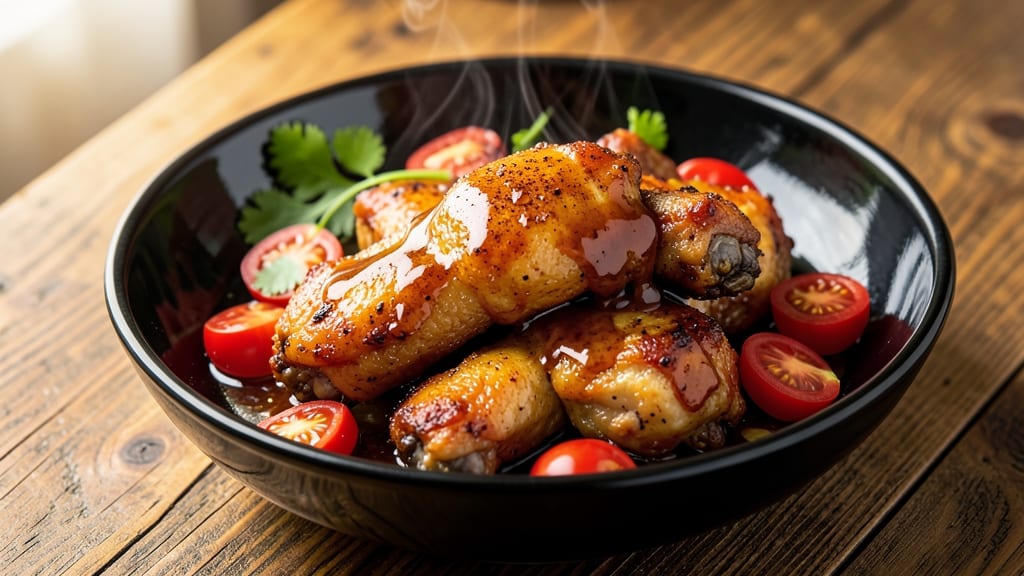
This award-winning wing sauce recipe transforms ordinary wings into a crowd-pleasing masterpiece with its perfect balance of bold heat, sticky sweetness, and tangy depth.
After years of refining and winning local competitions, I’ve perfected a sauce that clings to every bite like a second skin—no drippy mess here. The secret lies in the slow simmer that develops layers of flavor while maintaining that signature glossy finish.
The sauce starts with a base of hot sauce and butter, which creates a velvety texture that coats wings beautifully. Adding honey and vinegar balances the heat with just the right amount of sweetness and acidity, while a touch of garlic powder and smoked paprika adds complexity.
This isn’t your average wing sauce—it’s the kind that turns casual game day into a flavor showdown.
What sets this recipe apart is its versatility—it’s not just for wings. Drizzle it over crispy fries, toss it with roasted vegetables, or even use it as a marinade for grilled meats.
The sauce thickens just enough to stick without being gluey, ensuring every bite is packed with flavor. Whether you’re feeding a crowd or treating yourself, this sauce delivers restaurant-quality results at home.
Ready in under 30 minutes and designed to last for weeks in the fridge, this award-winning sauce is your new secret weapon for bold, sticky, and irresistibly flavorful meals. Let’s make it—your taste buds will thank you.
Ingredients for award winning wing sauce
Nine ingredients transform wings into a sticky, bold flavor showstopper—no drippy mess here.
| Ingredient | Amount | Notes |
|---|---|---|
| Hot Sauce 🌶️ | ½ cup | Frank's RedHot preferred for bold heat |
| Unsalted Butter 🧈 | ¼ cup | Cold, cubed for velvety texture |
| Honey 🍯 | ¼ cup | Wildflower for floral depth |
| Apple Cider Vinegar 🍏 | ¼ cup | For tangy brightness |
| Garlic Powder 🧄 | 1 tbsp | Freshly ground preferred |
| Smoked Paprika 🌶️ | 1 tbsp | For signature smokiness |
| Onion Powder 🧅 | 1 tsp | Enhances depth |
| Salt 🧂 | ½ tsp | Diamond Crystal kosher |
| Black Pepper 🌶️ | ¼ tsp | Freshly cracked |
| Soy Sauce 🍶 | 1 tbsp | For umami richness |
The hot sauce is non-negotiable here. Frank's RedHot delivers that signature heat, but Crystal or Tabasco work too if that's what you've got. Butter might sound odd in a wing sauce, but it's what creates that velvety, clinging texture—cold cubes melt beautifully into the simmer. For honey, wildflower or clover adds subtle floral notes that balance the heat. I grab mine in bulk from Whole Foods or the local honey shop, but any good honey will do. Apple cider vinegar is key for that tangy depth—Bragg is my go-to, but store-brand works fine.
No hot sauce? Sriracha plus a pinch of cayenne gets you close, though you'll lose some of that classic wing sauce tang. Butter substitute? Olive oil or vegan butter works, but the texture won't be quite as glossy. Short on honey? Maple syrup at 1:1 ratio is a decent swap, though it leans more caramel-y. The smoked paprika is where the magic happens—Kosher King brand has the best smoky punch. Want more heat? Add a dash of cayenne or crushed red pepper flakes. For a sweeter version, bump the honey to 3 tbsp and reduce vinegar by 1 tbsp.
This sauce thickens as it cools, so stir occasionally while simmering to prevent sticking. Store in a glass jar with a tight seal—keeps for 3-4 weeks in the fridge. Freezes beautifully for up to 6 months, though texture may separate slightly. I always make double batches—one for wings, one for fries or roasted veggies. The sauce gets even better the next day as flavors meld, so plan ahead if you're feeding a crowd.
Why You'll Love This Recipe
- Five-Ingredient Magic: I swear, this sauce comes together with things you already have—hot sauce, butter, honey, vinegar, and garlic powder. No fancy shopping, no stress. Just measure, melt, stir, and boom—flavor explosion.
- Sweet Heat Balance: That honey and vinegar combo? It’s the secret. The heat from the hot sauce gets tamed by the sweetness, but the garlic powder keeps it sharp and complex. It’s the kind of sauce where every bite feels like a little victory.
- Game for Any Occasion: Slather it on wings for game day, toss it in a bowl for a quick lunch, or drizzle it over fries when you’re craving something indulgent. Honestly, I’ve even used it in marinades for grilled chicken—works every time.
- Leftovers That Last: Make a big batch and store it in the fridge. The flavors actually deepened over time, and I’ve had this sauce last me two weeks. Plus, it’s cheaper than buying store-bought—just a fraction of the cost for way more sauce.
Step-by-step instructions for award-winning wing sauce
Here's how to craft a sauce so bold and balanced it'll win over even the pickiest eaters.
Melt Butter and Honey for a Silky Base
In a medium saucepan over medium-low heat, add the 0.25 cup unsalted butter (cubed) and 0.25 cup honey. Stir gently until the butter melts completely and the mixture becomes smooth—this should take about 3-4 minutes. You'll notice the honey starts to dissolve into the butter, creating a velvety foundation for your sauce.
This slow melting process is crucial—it prevents the butter from burning while allowing the honey to fully incorporate. If you see any browned bits forming at the bottom, immediately reduce the heat to low and stir more gently. The goal here is a completely smooth, golden mixture with no graininess.
Add Vinegar and Spices for Depth and Heat
Once the butter-honey mixture is fully combined, increase the heat to medium and pour in the 0.25 cup apple cider vinegar. You'll see it bubble vigorously as the acidity reacts with the honey and butter. Let this simmer for 2 minutes while stirring occasionally—this helps mellow the vinegar's sharpness and integrates it thoroughly.
Next, add the 1 tablespoon garlic powder, 1 tablespoon smoked paprika, 1 teaspoon onion powder, 0.5 teaspoon salt, and 0.25 teaspoon black pepper. Stir constantly for 1-2 minutes until the spices are fully dissolved and the mixture smells rich with smoky, garlicky warmth. The paprika will give your sauce that signature depth, while the onion powder adds subtle sweetness that balances the heat.
Build Complexity with Hot Sauce and Soy Sauce
Reduce the heat to low and stir in the 0.5 cup hot sauce and 1 tablespoon soy sauce. The hot sauce will add immediate heat, while the soy sauce contributes umami richness that ties everything together. Let the mixture simmer for another 3-4 minutes, stirring occasionally, until it thickens slightly and coats the back of a spoon.
Here's the thing—this is where the magic happens. The combination of sweet, tangy, smoky, and spicy flavors needs to meld completely. Taste as you go, adjusting the heat with more hot sauce if needed or balancing with a touch of honey if it's too sharp. The sauce should be glossy with a thick, syrupy consistency that clings beautifully to wings.
Simmer to Perfection and Cool Properly
Continue simmering the sauce on low heat for an additional 5-7 minutes, stirring frequently to prevent sticking. You're looking for a sauce that coats a spoon smoothly but isn't too thin—it should have just enough body to cling to wings without dripping off. If it thickens too much, add 1-2 teaspoons of water to loosen it slightly.
Once the sauce reaches your desired consistency, remove it from heat and let it cool completely at room temperature. This cooling period is essential—it allows all the flavors to fully develop and settle. If you use the sauce immediately after cooking, the flavors will continue evolving as they interact with the wings. For best results, let it cool for at least 30 minutes before using, or store it in the refrigerator for up to 2 weeks.
Adjust and Use for Maximum Impact
Before using your sauce, give it one final taste and make any necessary adjustments. Need more heat? Add another 1-2 teaspoons of hot sauce. Too spicy? Balance it with a touch of honey. The sauce should be a perfect harmony of sweet, tangy, smoky, and spicy flavors that complement the crispy, savory texture of wings.
This sauce works equally well for glazing, dipping, or basting. For glazing, brush it on wings during the last 5-7 minutes of cooking to create a glossy finish. For dipping, serve it warm alongside crispy wings. Either way, you'll achieve that award-winning balance of heat and flavor that makes every bite unforgettable.
Pro Tips For Making Award Winning Wing Sauce
- Simmer Low and Slow: Skip the urge to boil this sauce—gentle heat for 10-12 minutes lets the honey and vinegar meld without burning. I learned this the hard way after my first batch tasted like a chemistry experiment (and not the good kind).
- Use Real Garlic Powder: Store-bought blends often taste like sawdust. Toast whole garlic cloves in a dry pan until golden, then grind into powder—it adds depth the jarred stuff can’t match. (Yes, it’s extra work, but your sauce will taste like you actually cooked it.)
- Balance Heat First: Taste the sauce before adding honey—if the hot sauce dominates, let it cool slightly so you can adjust properly. I once dumped in honey too early and ended up with a sweeter-than-spicy disaster. Patience here saves cleanup later.
- Strain for Smoothness: If your butter separates or the sauce gets grainy, strain it through a fine-mesh sieve into a clean bowl. It’s not glamorous, but it guarantees a silky finish—no one will guess you didn’t spend hours blending.
Wine and beer pairings for this recipe
Beer Pairings
For this bold, sticky wing sauce, I always reach for a crisp American lager like Bud Light Platinum or Coors Banquet. The light body and subtle malt sweetness cut through the heat without overpowering the sauce's complex flavors.
If you prefer craft beers, a Belgian witbier like Hoegaarden adds a refreshing citrus note that mirrors the apple cider vinegar in the sauce. 🍺
For those who love hoppy beers, a light IPA with floral or citrusy hops—like New Belgium Voodoo Ranger—works surprisingly well. The hop bitterness balances the sauce's sweetness, while the citrus echoes the vinegar. Just avoid heavy, dark beers like stouts or porters, as they'll clash with the sauce's brightness.
Red Wine Options
If you're serving this sauce with wings and want to include wine, a dry rosé like Whispering Angel is my go-to. The crisp acidity and subtle fruitiness complement the sauce's tangy-sweet profile without competing.
For red wine lovers, a light-bodied Pinot Noir from Oregon—like Domaine Serene—adds earthy notes that pair beautifully with the smoked paprika in the sauce.
I avoid heavy reds like Cabernet Sauvignon, as their tannins can overpower the sauce's delicate balance. Instead, opt for wines with bright acidity and moderate tannins to let the sauce's flavors shine.
A chilled glass of rosé or Pinot Noir is perfect for balancing the heat while enhancing the dish's overall complexity.
White Wine Pairings
A dry Riesling with a touch of sweetness—like Dr. Loosen Blue Slate—is an unexpected but fantastic match. The wine's mineral notes and slight sweetness echo the honey and vinegar in the sauce, creating a harmonious pairing.
For a simpler option, a Sauvignon Blanc from New Zealand—like Oyster Bay—brings zesty citrus flavors that complement the apple cider vinegar.
If you're serving this sauce with non-alcoholic options, a sparkling water with a splash of lime or lemon works beautifully. The effervescence cleanses the palate between bites, while the citrus enhances the sauce's tangy brightness. It’s a refreshing way to enjoy the sauce without alcohol.
Non-Alcoholic Pairings
For a crowd-pleasing non-alcoholic option, I recommend a ginger beer like Barq’s. The spicy ginger and slight sweetness mirror the sauce's heat and honey notes, creating a dynamic flavor contrast. Serve it chilled for the best experience—it’s like a spicy, fizzy companion to the wings. 🥤
Another great choice is a sparkling apple cider like Martinelli’s. The crisp apple flavor ties back to the vinegar in the sauce, while the bubbles keep the palate fresh.
For a caffeine kick, an iced hibiscus tea with a squeeze of lime adds a tart, floral note that balances the sauce's richness.
Nutrition facts
Frequently asked questions
Can I make this wing sauce spicier?
Add 1-2 teaspoons of cayenne pepper or crushed red pepper flakes while simmering. For extra heat, stir in 1 tablespoon of hot sauce at the end. Start with small amounts—you can always add more, but you can't take it out!
How do I prevent the sauce from getting too thick?
If your sauce thickens too much, simply add 1-2 teaspoons of water or apple cider vinegar while stirring over low heat. The sauce will naturally thicken more as it cools, so don't worry if it looks perfect right after simmering. For a glossier finish, a splash of vinegar works wonders!
Can I use this sauce on other foods besides wings?
Yes! This versatile sauce works beautifully on fries, roasted vegetables, grilled meats, and even as a marinade for tofu or chicken skewers. It’s also fantastic drizzled over mashed potatoes or used as a glaze for corn on the cob. The possibilities are endless!
Why does my sauce look grainy after cooling?
Graininess usually happens when the butter doesn’t melt completely or when the sauce cools too quickly. To fix it, gently reheat the sauce over low heat while stirring until smooth. For next time, make sure the butter is fully melted before adding vinegar or spices. A quick blend with an immersion blender can also help!
How long does this sauce keep in the fridge?
This sauce stays fresh for 3-4 weeks when stored in an airtight glass jar in the refrigerator. It actually tastes better after the first day as the flavors meld! For longer storage, freeze it in ice cube trays or small containers for up to 6 months. Thaw overnight in the fridge before using.