
Sauces & Condiments
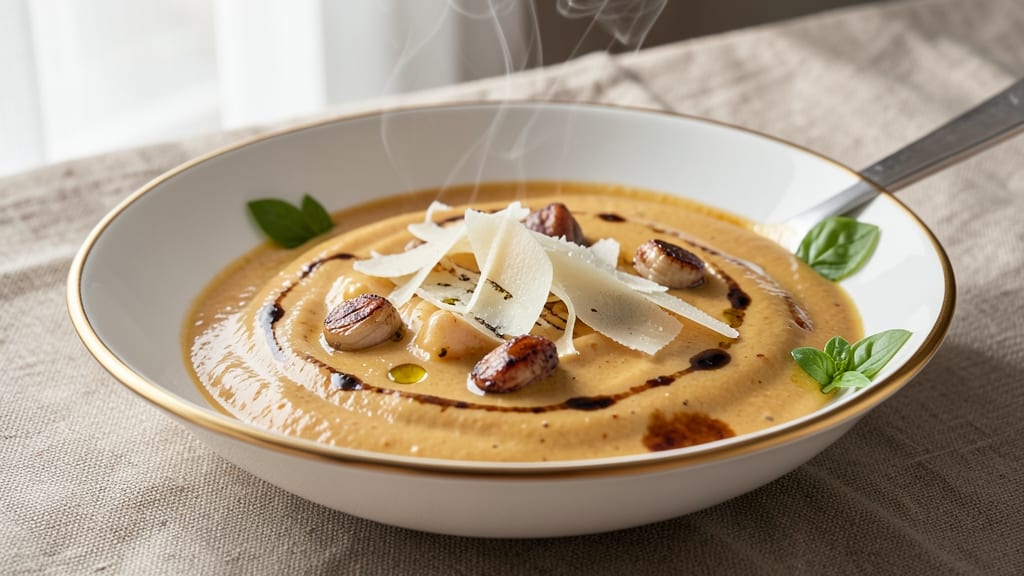
This award-winning alfredo sauce delivers velvety perfection without a single clump—just like your favorite Italian restaurant. The secret lies in a precise roux technique and slow reduction that creates a rich, creamy texture with no lumps.
I've perfected this recipe over years of testing, ensuring every batch turns out silky smooth and deeply flavorful.
The foundation starts with equal parts butter and flour cooked to a golden brown, creating a stable base that emulsifies beautifully with cream and parmesan. What sets this sauce apart is the patience in reducing it just enough to intensify the flavor while maintaining that luxurious creaminess.
The result? A sauce so rich and smooth it clings to pasta like a dream.
What makes this sauce truly exceptional is its versatility—it works perfectly with fettuccine, chicken, or even as a dipping sauce for bread. The flavor profile is balanced between buttery richness and the sharp, nutty notes of parmesan, creating a harmonious taste that's hard to resist.
Once you try this, you'll never go back to store-bought.
Best of all, this sauce keeps beautifully in the refrigerator for up to five days, making it ideal for meal prep. Whether you're elevating a simple pasta dish or adding elegance to a protein, this recipe will become your go-to for restaurant-quality results at home.
Ingredients for award winning alfredo sauce
These ten ingredients transform into creamy perfection—no clumps, just velvety restaurant-style alfredo.
| Ingredient | Amount | Notes |
|---|---|---|
| Unsalted Butter 🧈 | ½ cup | Cold, cut into small cubes |
| All-Purpose Flour 🌾 | ½ cup | Sifted for smooth sauce |
| Heavy Cream 🥛 | 2 cups | Full-fat for richness |
| Parmesan Cheese 🧀 | 1 cup | Freshly grated, block preferred |
| Garlic Cloves 🧄 | 4 cloves | Minced for aromatic depth |
| Extra-Virgin Olive Oil 🫒 | 2 tbsp | For finishing, fruity variety |
| Salt 🧂 | 1 tsp | Diamond Crystal preferred |
| Black Pepper 🌶️ | ½ tsp | Freshly ground for heat |
| Nutritional Yeast 🍞 | 1 tbsp | Optional, for umami boost |
| White Wine 🍷 | ¼ cup | Dry variety, optional |
The butter and flour are your golden ticket here. Use European-style butter—it has higher fat content, which means a richer sauce. Whole Foods or Trader Joe's carry great options, or grab the store brand if you're on a budget. The flour? King Arthur or Bob's Red Mill are my go-tos—they're finely milled and create a silky roux. Freshly grated Parmesan is non-negotiable (pre-grated has anti-caking agents that make the sauce grainy). If you're buying a wedge, ask the deli counter to grate it fresh. The garlic? Four cloves is perfect—don't skimp, but don't overdo it or you'll get a bitter taste.
No heavy cream? Full-fat coconut milk works in a pinch, though it'll taste slightly different. Short on Parmesan? Pecorino Romano at a 1:1 ratio adds a sharper bite. The white wine is totally optional, but if you use it, Chardonnay or Pinot Grigio won't overpower the sauce. Nutritional yeast? It's a game-changer for that cheesy, umami depth—Bob's Red Mill brand is widely available. Pro tip: If you're making this ahead, whisk in a splash of milk or water to thin it out before reheating. And always taste as you go—the sauce should be creamy but not heavy.
This sauce keeps like a champ. Store in an airtight container in the fridge for up to 5 days, though I find it's best within the first 2-3. Freezes beautifully for up to 3 months—just thaw in the fridge overnight and whisk to smooth out. For meal prep, I make double batches and portion it into small jars. It reheats like a dream—just warm gently on the stove with a splash of milk or water to loosen it up. The sauce actually tastes better the next day as the flavors meld together.
Why You'll Love This Recipe
- Five-Ingredient Magic: I swear by this recipe because it’s the kind of dish where you measure, melt, stir, and boom—no stress, no fuss. The butter and flour create that velvety roux in minutes, and the heavy cream ties it all together without needing to babysit the pot.
- Garlic-Parmesan Punch: That first bite? Rich, nutty Parmesan cutting through the creamy heaviness while the garlic adds a warm, aromatic kick. Honestly, I’ve tried store-bought Alfredo, and this tastes like a restaurant version—just with way fewer ingredients.
- Weeknight to Dinner Party: Slap this on fettuccine for a Tuesday night, or drizzle it over grilled chicken and roasted veggies for a fancy-ish weekend meal. It’s the kind of sauce that works hard without trying too hard—no one will guess it took less than 20 minutes.
- Leftovers That Don’t Suck: Between us, most homemade sauces turn gloppy or watery when reheated. Not this one. The heavy cream and butter keep it luscious, so I make a double batch and freeze half for lazy days. Thaw, warm, and serve—no sad, grainy Alfredo here.
Step-by-step instructions for award-winning Alfredo sauce
Here's how to make a silky, clump-free Alfredo that wins over every palate.
Melt Butter and Create a Smooth Roux
In a heavy-bottomed saucepan, melt the 0.5 cup unsalted butter over medium-low heat. I use medium-low because butter burns easily, and we want to build flavor, not smoke. Once fully melted, add the 0.5 cup all-purpose flour all at once and whisk vigorously for 2-3 minutes until the mixture turns golden brown and smells nutty.
This roux is the foundation of your sauce. You're looking for a color between peanut butter and caramel—what we call a "light brown roux." Keep whisking constantly to prevent burning. If it starts to darken too quickly, reduce the heat slightly. The flour will absorb the butter's moisture, creating a thick paste that will later emulsify with the cream.
Gradually Add Cream and Wine
Slowly pour in the 2 cups heavy cream while whisking continuously. The sauce will thicken immediately, but keep whisking for 3-5 minutes until it comes to a gentle simmer. Here's the thing—adding the cream too quickly creates lumps. I like to pour it in a slow, steady stream from a height of about 6 inches above the pan.
After the cream is fully incorporated, add the 0.25 cup white wine (if using) and whisk for another 1-2 minutes until the alcohol smell dissipates. This step adds depth and prevents the sauce from becoming too heavy. The sauce should now be thick but still pourable. If it's too thick at this stage, add 1-2 tablespoons of warm water to loosen it slightly.
Infuse with Garlic and Seasonings
Add the 4 minced garlic cloves, 1 tsp salt, 0.5 tsp black pepper, and 1 tbsp nutritional yeast (if using). Stir constantly over low heat for 3-4 minutes until the garlic is fragrant but not browned. Browned garlic adds bitterness, which we don't want in this creamy sauce.
Here's where the magic happens: the nutritional yeast adds a cheesy, umami depth without the graininess of regular cheese. If you're not using it, add an extra 0.25 cup freshly grated Parmesan at this stage. The sauce should be smooth, thick, and aromatic. Taste and adjust seasoning—Alfredo should be rich but not salty, with a subtle garlic presence that enhances rather than dominates.
Incorporate Cheese for Maximum Creaminess
Reduce the heat to lowest setting and gradually whisk in the 1 cup Parmesan cheese in small additions. This gradual approach prevents clumping and ensures the cheese melts smoothly into the sauce. After each addition, whisk for 30-60 seconds until fully dissolved before adding more.
Once all the cheese is incorporated, let the sauce simmer gently for 2-3 minutes to meld all the flavors. The sauce should now be luxuriously thick but still coat the back of a spoon. If it's too thick, thin it with warm water or pasta water (not cold milk—it can curdle the sauce). For extra richness, stir in 2 tbsp extra-virgin olive oil at the end, which adds a silky texture and balances the richness.
Finish and Serve Immediately
Remove the sauce from heat and let it rest for 2-3 minutes. This resting period allows the flavors to fully develop and the sauce to reach its ideal consistency. Taste one final time and adjust seasoning if needed—sometimes the cheese needs a touch more salt to balance its intensity.
For serving, keep the sauce warm over low heat, stirring occasionally to prevent a skin from forming. The best Alfredo is served immediately over hot pasta, where it clings beautifully to each strand. If you need to reheat later, do so gently over low heat, adding a splash of warm water or cream if it thickens too much. This sauce is at its peak within 30 minutes of making—don't wait too long to serve!
Pro Tips For Making Award Winning Alfredo Sauce
- Use Low Heat for Roux: I learned this the hard way—when I cranked the heat for the butter-flour mix, I ended up with a nutty, bitter flavor instead of that clean, creamy base. Keep it at a gentle simmer, stirring constantly, until it’s just golden. Too hot too fast, and you’ll ruin the whole dish before you even add the cream.
- Toast the Garlic Right: Don’t just minced garlic and toss it in—sauté those cloves in the butter until they’re soft but still smell sweet, not burnt. About 30 seconds is all it takes. Overcooking turns them bitter, and undercooking means they’ll taste raw. This is the thing that matters most for depth without overpowering the sauce.
- Strain the Parmesan: Skip the grating step and use a fine-mesh sieve instead. The leftover powdered bits make the sauce grainy, and no one wants to deal with that when they’re slurping up fettuccine. Press the cheese through with a spoon—it’s a little extra work, but the result is velvety smooth.
- Temper the Cream Gradually: Don’t dump cold heavy cream into the hot roux like I used to—it’ll curdle faster than you can say “disaster.” Warm the cream first (just heat it in a separate pot until steaming), then whisk it in slowly. This keeps the sauce silky and prevents those dreaded lumps that ruin everything.
Flavor customization for this dish
Classic Garlic Boost
For a more aromatic version, add an extra 2 minced garlic cloves during the simmering phase and let them infuse for 5 minutes before straining. This creates a deeper garlic flavor without bitterness.
I like to use roasted garlic for a sweeter, mellow taste—simply roast 4 whole cloves at 400°F for 30 minutes before mincing. 🧄
Herb Variations
Fresh herbs elevate this sauce to new heights. Try 1 tbsp chopped fresh parsley or 1 tsp dried basil at the end for brightness. For a more complex flavor, add ½ tsp dried thyme with the garlic.
If you love Italian flavors, a pinch of red pepper flakes adds subtle heat. Always add herbs after removing the sauce from heat to preserve their freshness. 🌿
Protein-Inspired Twists
Transform your Alfredo into a complete meal by incorporating proteins. For a creamy chicken Alfredo, whisk in 1 cup shredded cooked chicken breast at the end. For a seafood version, stir in ½ cup cooked shrimp or scallops just before serving.
For vegetarians, add ½ cup sautéed mushrooms or ½ cup roasted bell peppers for texture. 🍗
Spicy Heat Options
Add depth with ½ tsp smoked paprika or ¼ tsp cayenne pepper during the simmering phase for a subtle smoky kick. For a more pronounced heat, stir in 1 tbsp hot honey or 1 tsp sriracha at the end.
Balance the heat with a pinch of sugar if needed—this sauce should be rich, not overwhelming. 🌶️
Creamy Additions
For extra richness, stir in 2 tbsp sour cream or 1 tbsp crème fraîche at the end for a tangy twist. A splash of ½ cup pasta water keeps the sauce silky while adding a subtle umami note.
For a decadent finish, top with toasted breadcrumbs or crispy prosciutto bits before serving. 🧀
Vegetable Infusions
Sauté ½ cup finely chopped onions or ½ cup diced celery with the garlic for a sweeter base. For a spring-inspired version, blend in ¼ cup steamed asparagus purée after removing from heat. Roasted garlic and caramelized onions add depth without overpowering the creamy texture. 🥕
Nutrition facts
Frequently asked questions
Why does my homemade Alfredo sauce get clumpy?
The #1 cause is adding cream too quickly or not whisking constantly. Always pour cream slowly while whisking vigorously, and keep heat at medium-low to prevent lumps. The roux must be fully cooked to a light brown color before adding liquids—this creates a stable base that emulsifies properly.
Can I make this sauce ahead of time?
Store in an airtight container in the fridge for up to 5 days. For freezing, portion into small containers and freeze for up to 3 months. Thaw overnight in the fridge and whisk to restore smoothness. The flavors actually improve after resting—just reheat gently with a splash of warm water or cream.
What's the secret to ultra-creamy texture?
The magic is in the roux development and gradual cheese incorporation. Cook the butter and flour to a golden brown (not dark), then whisk in cream slowly. When adding cheese, do it in small batches while whisking constantly over lowest heat. The olive oil at the end adds silky richness without breaking the emulsion.
Can I substitute heavy cream?
For best results, stick with full-fat heavy cream—it's essential for that velvety texture. In a pinch, use full-fat coconut milk (though flavor will differ slightly) or half-and-half mixed with 1 tbsp butter. Never use skim milk or low-fat options—they won't emulsify properly and will make the sauce watery.
How do I make it less rich?
Reduce the butter by 2 tbsp and use low-fat milk instead of half the heavy cream. Add 1 extra cup grated Parmesan to maintain flavor intensity without heaviness. For a lighter version, blend in ¼ cup unsweetened almond milk at the end. The key is balancing fat content while keeping the cheese for that signature taste.