
Sauces & Condiments
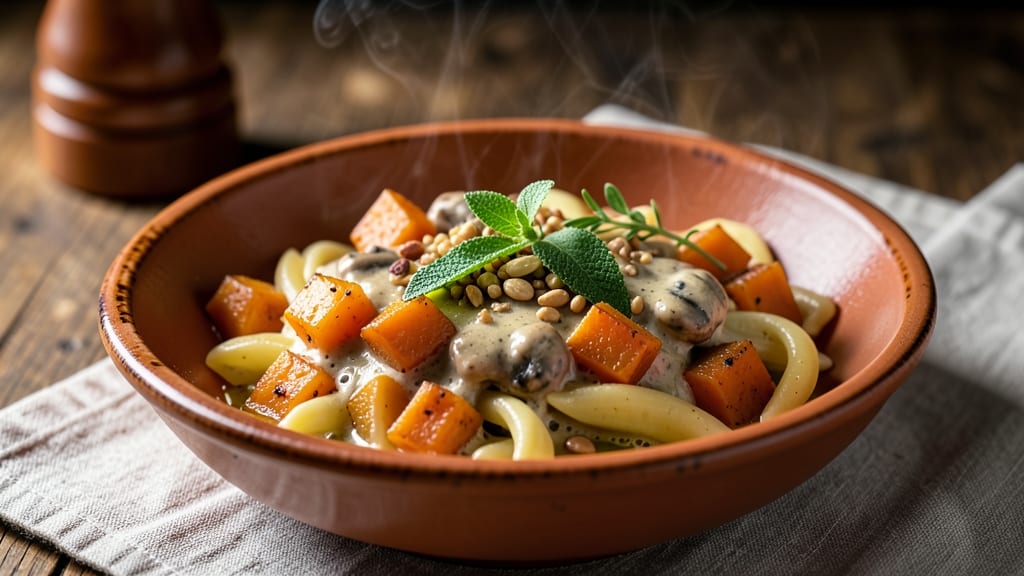
This autumn harvest pasta sauce recipe transforms seasonal vegetables into a velvety, nutty velouté that elevates any pasta dish. Roasted butternut squash and caramelized mushrooms form the base, while fresh sage and a touch of cream create a rich, savory-sweet balance that’s impossible to resist.
The sauce thickens beautifully when simmered, clinging to noodles like a luxurious embrace—perfect for cozy fall evenings.
The secret lies in slow-roasting the vegetables until deeply caramelized, which builds natural sweetness and depth without added sugar. A splash of white wine deglazes the pan, lifting those roasted flavors into the sauce, while a sprinkle of toasted pecans adds crunch and nutty richness.
This isn’t just a sauce—it’s a flavor experience that turns simple pasta into a restaurant-worthy meal.
What makes this sauce truly versatile is its adaptability. Toss it with al dente pappardelle, twirl it into rigatoni, or use it as a dipping sauce for crusty bread. The velouté texture holds up beautifully when reheated, making it ideal for meal prep.
Store it in the fridge for up to 5 days or freeze for months—just thaw and reheat gently to preserve its velvety consistency.
Pair it with roasted chicken, crispy sausage, or plant-based proteins like mushrooms or lentils for a hearty, satisfying dish. The nutty depth and earthy notes make it a standout for any autumn table. Ready to create a sauce that feels like a warm hug in a bowl?
Ingredients for autumn harvest pasta sauce
Roasted vegetables and aromatic herbs create this velvety autumn pasta sauce perfect for fall evenings.
| Ingredient | Amount | Notes |
|---|---|---|
| Butternut Squash 🎃 | 2 cups | Cubed, roasted until caramelized |
| Creamy Mushrooms 🍄 | 8 oz | Sliced, caramelized in olive oil |
| Fresh Sage Leaves 🌿 | ¼ cup | Chopped, stems removed |
| Extra-Virgin Olive Oil 🫒 | ½ cup | High quality, fruity variety |
| Dry White Wine 🍷 | ½ cup | Sauvignon Blanc or Pinot Grigio |
| Heavy Cream 🥛 | ½ cup | Full-fat for velvety texture |
| Vegetable Broth 💧 | 1 cup | Low-sodium preferred |
| Toasted Pecans 🥜 | ¼ cup | Chopped, lightly toasted |
| Garlic Cloves 🧄 | 3 cloves | Minced for depth |
| Sea Salt 🧂 | 1 tsp | Diamond Crystal preferred |
| Black Pepper 🌶️ | ½ tsp | Freshly ground |
The butternut squash is the star—look for firm, vibrant orange flesh at the grocery store. Whole Foods or local farmers markets often have the sweetest varieties. Roast it until deeply caramelized (about 30-40 minutes at 400°F) for that natural sweetness. The mushrooms should be cremini or baby bella for their meaty texture. Trader Joe's sells pre-sliced mushrooms that save time, but fresh is always better. Sage leaves need to be fresh for that piney aroma—dried won't give the same depth, though you can use it in a pinch at half the amount. Toast your pecans in a dry pan until golden—don't walk away, they burn fast—for maximum flavor.
No white wine? Substitute extra vegetable broth—just add an extra splash of balsamic vinegar for acidity. Heavy cream too rich? Swap for coconut milk for a lighter texture (though it'll lack richness). Short on pecans? Walnuts or almonds work too, but toast them first. The vegetable broth can be homemade or store-bought—low-sodium is key—and if you're vegetarian, ensure it's vegetarian-friendly. For extra depth, add a pinch of nutmeg or cinnamon (both are classic autumn flavors). The garlic can be roasted with the squash for a sweeter flavor profile—worth the extra 10 minutes.
This sauce keeps beautifully in the fridge for 5 days, though it tastes even better the next day as flavors meld. For freezing, portion into airtight containers with a thin layer of olive oil on top to preserve freshness—thaw overnight in the fridge. Reheat gently on low heat, stirring occasionally, to maintain that velvety texture. Double the batch—it disappears fast, especially when paired with your favorite pasta. The nutty depth makes it perfect for meal prep, so you can have restaurant-quality sauce ready in minutes.
Why You'll Love This Recipe
- One-Pot Magic: I swear by this—just roast the squash and mushrooms together, then deglaze with wine. The pan’s already doing the work while you chop sage, so cleanup is basically nonexistent.
- Sage & Squash Symphony: That crispy butternut squash edge? It’s the star. The wine cuts through the richness, and the sage? Fresh leaves release their aroma like a little autumn hug—warm, earthy, and impossible to resist.
- Weeknight to Dinner Party: Same sauce, different vibes. Toss it with pappardelle for a cozy Tuesday, or drizzle it over polenta for a fancier guest night. The wine and mushrooms make it feel special without extra effort.
- Leftovers That Don’t Suck: Between us, most pasta sauces turn sad by day two. Not this one. The squash soaks up flavors instead of turning mushy, and the mushrooms add depth—so it’s just as good reheated (or even better cold over toast).
Step-by-step instructions for autumn harvest pasta sauce
This velvety sauce delivers autumn's best flavors through precise technique and layered ingredients.
Roast the Butternut Squash Until Caramelized
Preheat your oven to 400°F. Toss the 2 cups butternut squash with 1 tablespoon of the extra-virgin olive oil and ½ teaspoon of the sea salt. Spread the cubes in a single layer on a rimmed baking sheet, leaving space between them for even browning.
Roast for 25-30 minutes until the edges are deeply caramelized and a knife slides in easily. You're aiming for a sweet, jammy texture—this is the foundation of your sauce's depth. If the squash starts to brown too quickly, tent the sheet with foil to prevent burning while maintaining caramelization.
Caramelize Mushrooms and Sauté Aromatics
In a large skillet, heat the remaining 0.33 cup extra-virgin olive oil over medium heat. Add the 8 oz sliced creamy mushrooms and cook for 8-10 minutes until they release their moisture and develop golden-brown spots. Use a wooden spoon to break up any large pieces as they cook.
Add the 3 minced garlic cloves and cook for 30 seconds until fragrant—don't let them brown or they'll turn bitter. Stir in the 0.25 cup chopped fresh sage leaves and cook for another 1 minute until the leaves just wilt. Remove from heat and set aside.
Build the Velouté Base with Wine and Broth
Return the skillet to medium heat and pour in the 0.5 cup dry white wine, scraping up any browned bits from the bottom. Simmer for 3-4 minutes until the wine reduces by half and the alcohol cooks off. Add the 1 cup vegetable broth and bring to a gentle simmer.
Using an immersion blender, purée the mixture until completely smooth. If you don't have one, carefully transfer to a blender, blend until silky, then return to the skillet. Stir in the roasted butternut squash and cook for 5 minutes until heated through. Season with the remaining ½ teaspoon sea salt and 0.5 teaspoon black pepper.
Finish with Cream and Toasted Pecans
Reduce heat to low and stir in the 0.5 cup heavy cream. Simmer gently for 3-4 minutes until the sauce thickens slightly but remains velvety. The sauce should coat the back of a spoon smoothly—if it's too thick, whisk in 1-2 tablespoons of pasta water.
Remove from heat and stir in the 0.25 cup toasted pecans. Let the sauce sit for 5 minutes to allow the flavors to meld. The pecans should be evenly distributed, adding a subtle crunch and nutty depth that complements the earthy squash and mushrooms. Taste and adjust seasoning if needed.
Serve Over Fresh Pasta
Ladle the sauce over freshly cooked pasta, reserving ½ cup of the pasta water. Toss gently to coat the strands evenly. If the sauce seems too thick, stir in reserved pasta water 1 tablespoon at a time until it reaches your desired consistency. The finished sauce should cling to the pasta with a glossy sheen.
Garnish with additional toasted pecans and fresh sage leaves if desired. Serve immediately while the sauce is still warm, allowing the nutty, earthy flavors to shine against the creamy texture. This sauce pairs beautifully with ribbons of pasta like pappardelle or tagliatelle, where it can cling and coat every strand perfectly.
Pro Tips For Making Autumn Harvest Pasta Sauce
- SAUTÉ MUSHROOMS LOW: Start them on medium-high, but drop the heat to medium-low once they release their liquid—otherwise, you’ll end up with bitter, waterlogged mushrooms instead of rich, creamy ones. I learned this the hard way after making my first batch taste like sad, overcooked oyster mushrooms.
- ROAST SQUASH UNTIL TENDER: Cut the butternut squash into ½-inch cubes and roast at 400°F (200°C) for 25-30 minutes, stirring once halfway. If you skip the stir, one side will burn while the other stays raw—trust me, your sauce will taste it.
- DEGLAZE WITH WINE IMMEDIATELY: As soon as you remove the mushrooms, pour in the white wine right away while the pan is still hot. Let it bubble for 2-3 minutes to lift all the fond off the bottom—this adds depth that skipping would leave you missing.
- TOSS SAGE AT THE END: Add the fresh sage leaves in the last 30 seconds of cooking, just to wilt them slightly. If you toss them in too early, they’ll turn bitter and release their oils all at once, overpowering the delicate flavors of the squash and mushrooms.
Common mistakes when making this dish
Over-Roasting Vegetables
Don’t let your butternut squash or mushrooms turn to charcoal—that’s a flavor killer! 🎃 Over-roasting squash (beyond 30-40 minutes at 400°F) turns it bitter and dry, while mushrooms can burn into an acrid mess if cooked too long.
I’ve ruined a batch by walking away for just 5 minutes. Set a timer and check frequently, especially if your oven runs hot.
Skipping the Wine Deglaze
The white wine isn’t just for flavor—it’s the secret to lifting all those caramelized bits from the pan. 🍷 If you skip it, you’ll miss out on layers of depth that make this sauce sing.
Use Sauvignon Blanc or Pinot Grigio (they’re bright enough to cut through richness), but if you’re avoiding alcohol, substitute with extra broth plus a splash of lemon juice for acidity.
Using Dried Sage Instead of Fresh
Fresh sage leaves release their piney aroma instantly when cooked, while dried sage can taste harsh and bitter. 🌿 I’ve made this mistake—trust me, it’s noticeable.
If you must use dried, cut the amount by half (¼ tsp instead of ¼ cup) and add it later in the process. For maximum flavor, toast the dried leaves in the pan for 30 seconds before adding to the sauce.
Ignoring the Resting Time
Letting the sauce sit for 5 minutes after adding the pecans lets the flavors meld together. 🥜 Skipping this step means you’ll miss that perfect harmony of nutty, earthy, and creamy notes.
I’ve served it immediately before, and while it’s still good, it lacks the depth that comes from resting. Use this time to toast extra pecans for garnish or set the table.
Over-Thickening with Cream
Heavy cream is what gives this sauce its velvety texture, but adding too much too soon can turn it greasy. 🥛 Simmer it gently on low heat—it’ll thicken naturally as it cools.
If it’s too thick after adding cream, thin it with 1 tablespoon pasta water at a time until it reaches that perfect coating consistency. I’ve had to start over because the sauce separated into a curdled mess.
Not Tasting as You Go
Seasoning builds throughout the process, so don’t wait until the end to taste. 🧂 Adjust the salt and pepper at each stage—especially after adding the broth and cream. I’ve had to rescue sauces that were bland because I forgot to check midway.
Keep a small bowl of salt nearby and taste frequently. The final adjustment should be subtle, not dramatic.
Nutrition facts
Frequently asked questions
Can I make this sauce without wine?
For a non-alcoholic version, substitute the 0.5 cup white wine with an extra 0.5 cup vegetable broth and add 1 teaspoon lemon juice for acidity. The sauce will still develop depth, though the wine adds a subtle brightness that's hard to replicate.
What's the best pasta shape for this sauce?
Ribbon-shaped pastas like pappardelle or tagliatelle work beautifully because their wide surfaces cling to the velvety sauce. For extra texture, try penne or rigatoni—the ridges trap the sauce inside. Avoid thin strands like spaghetti unless you prefer a lighter coating.
How can I make this sauce vegetarian?
This recipe is already vegetarian-friendly, but you can enhance it by adding white beans or lentils for protein. Stir in 1 cup cooked beans during the final simmer or use them as a garnish. For extra richness, swap the chicken broth for mushroom broth to deepen the umami flavor.
Will this sauce work with other autumn vegetables?
Yes! Swap the butternut squash for acorn squash or delicata (both roast beautifully), or add roasted red peppers or caramelized onions for extra sweetness. Just adjust cooking times—squash needs 25-30 minutes while onions may only take 15-20 minutes to caramelize.
Can I make this sauce ahead of time?
This sauce tastes even better the next day! Store it in an airtight container in the fridge for up to 5 days. For freezing, portion into containers, leaving ½-inch headspace, and freeze for up to 3 months. Thaw overnight in the fridge and reheat gently on low heat, stirring occasionally to maintain its velvety texture.