
Sauces & Condiments
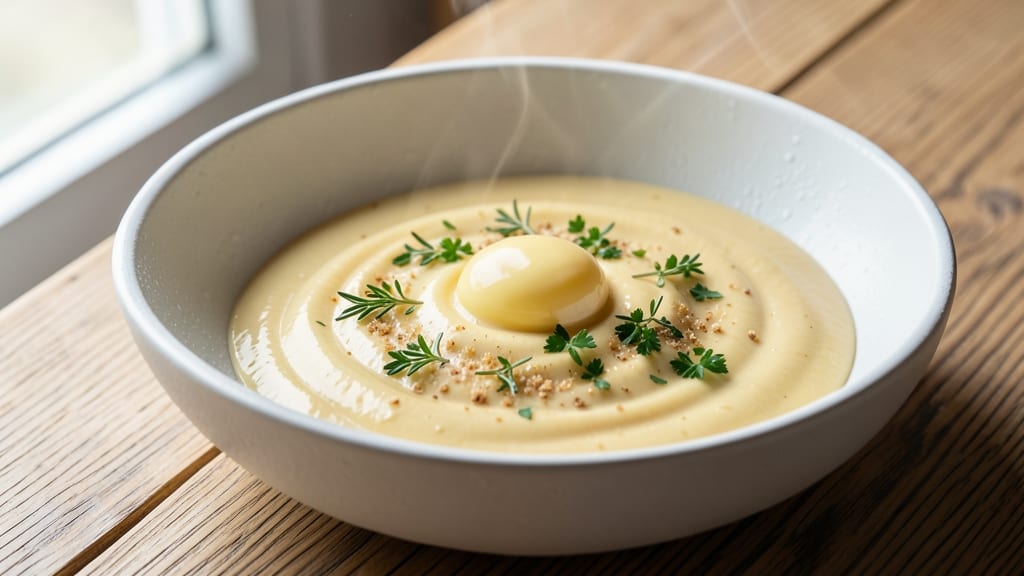
This authentic white sauce recipe transforms simple pantry staples into the velvety foundation of classic dishes like mac and cheese. The secret lies in mastering the roux—cooking butter and flour until golden before gradually whisking in warm milk creates an emulsion so smooth it borders on magic.
I’ve perfected this technique over years of testing, ensuring every batch delivers that signature creamy texture without lumps or bitterness.
The process is straightforward but demands attention to detail: tempering the milk prevents curdling, while constant whisking builds body and richness. Traditional seasonings like nutmeg and white pepper elevate the flavor profile, while fresh herbs add brightness.
This isn’t just a sauce—it’s the backbone of comfort food, capable of transforming humble ingredients into restaurant-quality meals.
What sets this recipe apart is its versatility. Use it as-is for creamy pasta dishes, or enrich it with cheddar and Gruyère for mac and cheese that rivals your favorite diner. The sauce thickens beautifully when chilled, making it ideal for meal prep or last-minute dinners.
Each batch yields about 2 cups—enough to coat a generous serving of fettuccine or blanket roasted vegetables in luxurious creaminess.
For those new to roux-based sauces, I’ll walk you through every step—from measuring ingredients to troubleshooting common pitfalls. The result? A sauce so reliable and flavorful, you’ll reach for it whenever you crave creamy, comforting meals. Let’s get started.
Ingredients for authentic white sauce
Nine simple ingredients create the velvety base for restaurant-quality mac and cheese.
| Ingredient | Amount | Notes |
|---|---|---|
| Unsalted Butter 🧈 | ½ cup | Cold, cut into small cubes |
| All-Purpose Flour 🌾 | ½ cup | Sifted for smooth sauce |
| Whole Milk 🥛 | 2 cups | Warmed to 160°F |
| Fresh Thyme Leaves 🌿 | 1 tbsp | Finely chopped, or 1 tsp dried |
| Fresh Parsley Leaves 🌿 | 1 tbsp | Finely chopped, for brightness |
| Ground Nutmeg 🌶️ | ¼ tsp | Freshly grated preferred |
| White Peppercorns 🌶️ | ¼ tsp | Freshly cracked |
| Diamond Crystal Kosher Salt 🧂 | ½ tsp | Adjust to taste |
| Fresh Garlic Cloves 🧄 | 2 cloves | Minced for depth |
| Extra-Virgin Olive Oil 🫒 | 1 tbsp | For finishing, optional |
The butter and flour form the roux—this is where the magic happens. European-style unsalted butter (like Plugrá) gives the best flavor, but any good-quality brand works. For the flour, King Arthur all-purpose is my go-to because it’s finely milled and reliable. If your kitchen gets hot, make the roux over low heat to prevent burning. The milk? Warm it first—this prevents lumps and helps the sauce emulsify beautifully. I always warm mine in a saucepan until it’s just about to simmer, then let it cool slightly before whisking. Fresh herbs are non-negotiable here—they bring brightness that dried can’t match, but if you’re in a pinch, dried thyme or parsley at half the amount will work.
No fresh herbs? Dried thyme or parsley at half the amount keeps the flavor profile intact. Running short on milk? Half-and-half or heavy cream adds richness, but the sauce will be thicker. Want extra depth? Add a splash of white wine (about 2 tbsp) when you’re whisking in the milk—it cuts through the heaviness beautifully. The nutmeg and white pepper are traditional, but if you prefer black pepper, use half the amount. For a tangier sauce, add a pinch of lemon zest. And if you’re making this ahead, chill the sauce after it thickens—it’ll firm up nicely and be even creamier when reheated.
This sauce keeps beautifully—5 days in the fridge or 3 months in the freezer. For freezing, portion it into ice cube trays, then transfer to a bag. Thaw overnight in the fridge before reheating. The sauce thickens as it cools, so if it’s too stiff after chilling, just whisk in a splash of warm milk. I like to make a double batch—one for immediate use and one to freeze for lazy weeknights. It’s also fantastic for dipping bread or tossing with roasted veggies. The key to success? Patience with the roux and constant whisking—don’t rush it!
Why You'll Love This Recipe
- Pantry Magic: I swear by this sauce because it uses ingredients I already have—no fancy shopping trips. Butter, flour, milk, and a handful of herbs? That’s it. The kind of simplicity that makes me feel like I’m actually cooking, not just surviving.
- Herb-Packed Depth: The thyme and parsley don’t just add flavor—they transform it. That bright, fresh finish from the parsley and the earthy warmth of thyme? It’s the secret weapon that turns basic white sauce into something restaurant-worthy. (Yes, even on a Tuesday night.)
- Weeknight Swiss Army: This sauce is my go-to for pasta, chicken, or roasted veggies—no extra prep, just pour and enjoy. Honestly, I’ve even used it as a creamy dip for bread or a quick mac and cheese fix. It’s the kind of recipe that makes me feel like a hero without the stress.
- Budget-Friendly Luxury: A little butter and flour stretch far—this sauce feeds four for under $3, and leftovers keep for days in the fridge. Between us, that’s a win for my wallet and my taste buds. Plus, the herbs add that gourmet touch without breaking the bank.
Step-by-step instructions for authentic white sauce
Here's how to build a velvety, herb-infused white sauce that forms the perfect base for mac and cheese.
Create a Smooth Roux with Butter and Flour
In a medium saucepan, melt the 0.5 cup unsalted butter over medium-low heat. Once fully melted, reduce heat to low and gradually whisk in the 0.5 cup all-purpose flour. This creates a roux—the foundation of your sauce.
Whisk constantly for 2-3 minutes until the mixture turns a pale golden color. You'll see it thicken slightly and smell a nutty aroma—this is your signal the roux is properly cooked. If it darkens too quickly, reduce heat immediately to prevent burning. The goal is a smooth, lump-free base that will emulsify beautifully with the milk later.
Gradually Incorporate Warm Milk
Slowly pour in the 2 cups whole milk (pre-warmed to 160°F) while whisking vigorously. Adding the milk gradually prevents lumps from forming. Start with a thin stream, then increase to a steady pour as the mixture thickens.
Continue whisking for 3-4 minutes over medium-low heat until the sauce thickens enough to coat the back of a spoon. You're looking for a velvety consistency—thick but still pourable. If it clumps, strain through a fine-mesh sieve for a silky texture. The warmth of the milk helps dissolve the roux completely, creating that authentic, restaurant-quality base.
Infuse with Herbs and Aromatics
Add the 2 cloves minced garlic, 1 tbsp finely chopped fresh thyme, 1 tbsp finely chopped parsley, 0.25 tsp freshly cracked white peppercorns, 0.25 tsp ground nutmeg, and 0.5 tsp kosher salt. Stir gently to combine—you want the herbs to infuse without breaking down.
Simmer for 2-3 minutes until the garlic is fragrant but not browned. The herbs should release their bright flavors into the sauce. Taste and adjust seasoning—this is where the sauce comes alive. The nutmeg adds warmth, the thyme brings earthiness, and the parsley lifts everything with its freshness. If the sauce thickens too much, whisk in 1-2 tablespoons of milk to reach your desired consistency.
Finish with Olive Oil for Brilliance
Remove the sauce from heat and stir in the 1 tbsp extra-virgin olive oil. This final touch adds richness and helps prevent the sauce from breaking when combined with cheese later. The oil also enhances the herbs' flavors, giving the sauce a bright, balanced finish.
Let the sauce rest for 5 minutes before using—this allows the flavors to meld completely. The sauce should be smooth, velvety, and perfectly seasoned. If you're making mac and cheese, now's the time to fold in your cheese for that ultimate creamy texture. For best results, use this sauce immediately while still warm and vibrant.
Pro Tips For Making Authentic White Sauce
- Whisk Like You Mean It: The first 2 minutes of cooking the butter-flour roux are where flavor happens—don’t half-ass the whisking. Use a flat-bottomed whisk and keep the heat medium-high (yes, even if you’re nervous about burning). Lumpy roux = sad sauce. I learned this the hard way when my sauce tasted more like paste than velvety perfection.
- Toast the Flour First: Before adding milk, cook the butter and flour together for 30 seconds—just until the raw flour smell fades and the mixture turns a pale golden color. This step removes the flour’s bitterness and builds depth. Skip it, and your sauce will taste bland, no matter how much thyme you add.
- Strain the Milk: Whole milk straight from the fridge has fat that rises and separates when heated. Pour it through a fine-mesh strainer into a measuring cup first to remove any clumps or sediment. Your sauce will be smoother, and you’ll avoid that weird grainy texture that sneaks in when you’re not looking.
- Finish with Cold Butter: Once your sauce is thickened and off the heat, stir in 1 tablespoon of cold, cubed butter at the very end. It cools the sauce slightly, brightens the flavor, and gives it that luxurious mouthfeel. I was skeptical until I tried it—now I can’t imagine making it any other way.
Best sauces and condiments for this dish
Classic Béchamel Base
This foundational white sauce is the backbone of mac and cheese, but it also shines in creamy pasta dishes like fettuccine Alfredo. The key is patience—whisking the roux (butter and flour) until golden ensures a rich, nutty flavor that stands up to bold cheeses.
For extra depth, I sometimes add 1 tbsp white wine when incorporating the milk, which adds a subtle brightness. 🍝
Herb-Infused Velouté
Swap the milk for whole milk and boost the herbs with 1 tbsp chopped tarragon or 1 tsp dried marjoram for a lighter, more aromatic sauce. This version works beautifully with seafood—think creamy linguine with scallops or shrimp.
The herbs release their oils during simmering, creating layers of flavor that elevate any dish. For a vegetarian twist, add 1 cup finely chopped mushrooms to the roux before adding milk.
Cheesy Variations
Transform this sauce into mac and cheese by folding in 2 cups shredded sharp cheddar and 1 cup Gruyère while still warm. For a baked mac, add 1 cup breadcrumbs and ½ cup grated Parmesan on top before broiling.
For a creamy spinach dip, stir in 2 cups chopped spinach and 4 oz cream cheese after removing from heat. The possibilities are endless—each cheese adds a unique texture and depth.
Thickening Adjustments
Need a thicker sauce? Simmer uncovered for 2-3 extra minutes to evaporate moisture, or whisk in 1 tbsp cornstarch mixed with 2 tbsp cold milk. For a thinner consistency, stir in 2-3 tbsp warm milk until smooth.
The sauce should coat the back of a spoon but still be pourable—this ensures it clings beautifully to pasta or vegetables. If it breaks or separates, whisk in 1 tbsp cold butter to restore its velvety texture.
Storage and Reheating
Store leftover sauce in an airtight container in the fridge for up to 5 days or freeze for 3 months. To reheat, warm over low heat while stirring constantly to prevent scorching.
If the sauce thickens too much after chilling, thin with warm milk or heavy cream. For best results, reheat only what you need—freshly made sauce always tastes its best. 🧊
Global Twists
For an Indian-inspired twist, add 1 tsp garam masala and ½ tsp turmeric to the roux before adding milk. In French cuisine, this sauce is the base for gratin dauphinois—simply add thinly sliced potatoes and a sprinkle of Parmesan before baking.
Even a Mexican-inspired version works with ½ tsp cumin and ¼ tsp chili powder, perfect for drizzling over tacos or enchiladas.
Nutrition facts
Frequently asked questions
Why does my white sauce turn lumpy?
Lumps usually happen when the roux isn't cooked long enough or the milk is added too quickly. Always whisk constantly while adding warm milk gradually, and make sure your butter and flour form a smooth, pale golden roux before incorporating liquids. If lumps appear, strain the sauce through a fine-mesh sieve for a silky texture.
Can I use half-and-half instead of whole milk?
Yes, but expect a richer, slightly thicker sauce. For a lighter consistency, use equal parts whole milk and half-and-half. The sauce will still be creamy, but the flavor will be more pronounced. If you want extra richness without thickness, try adding just 1 cup half-and-half to the 1 cup whole milk called for in the recipe.
What's the best way to prevent the sauce from breaking when adding cheese?
Always keep the sauce warm and stir gently when adding cheese to avoid curdling. For extra insurance, whisk in 1 tbsp cold butter or 1 tbsp heavy cream just before adding cheese. This helps stabilize the emulsion. Also, avoid boiling the sauce—keep it at a gentle simmer to maintain its velvety texture.
How can I make this sauce dairy-free?
Replace the butter with vegetable oil or dairy-free margarine, and use unsweetened almond milk or oat milk (warmed to 160°F) instead of whole milk. For extra richness, add 2 tbsp nutritional yeast or 1 tbsp cashew cream after cooking. The texture will be slightly lighter but still creamy. Adjust seasonings as needed—dairy-free milks can be less flavorful.
Can I make this sauce ahead of time?
This sauce tastes even better after resting. Store it in an airtight container in the fridge for up to 5 days or freeze for 3 months. When reheating, warm it over low heat while stirring constantly. If it thickens too much, whisk in 1-2 tbsp warm milk or water to reach your desired consistency.