
Sauces & Condiments
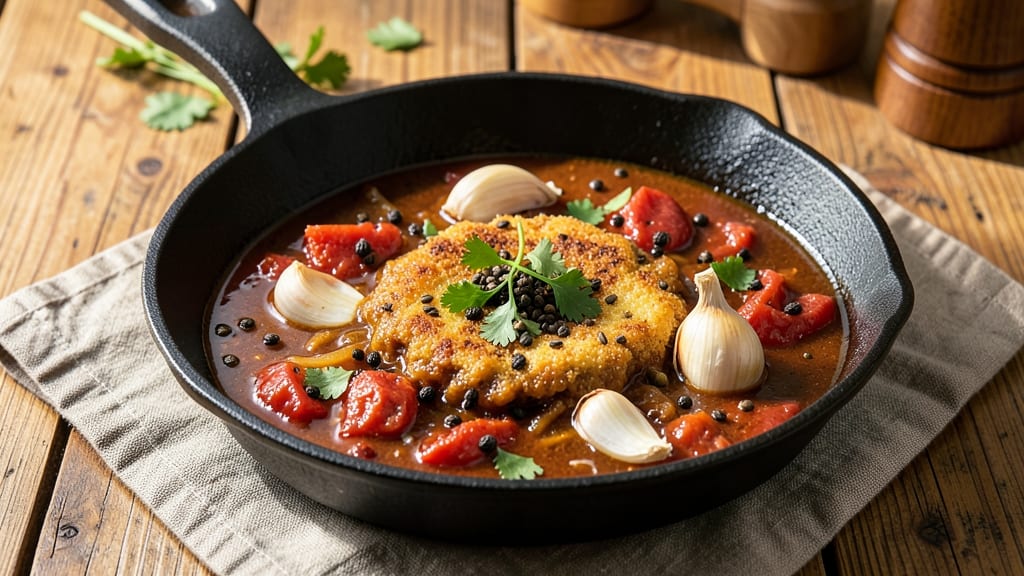
This authentic vindaloo sauce recipe brings the fiery, aromatic soul of Goan cuisine right to your kitchen, where slow-simmered spices and tangy vinegar create a complex, restaurant-quality base.
The secret lies in blooming whole spices—fenugreek, mustard seeds, and black peppercorns—in hot oil until they release their deep, earthy aromas before blending with tomatoes, onions, and garlic into a velvety, slightly sweet-savory sauce.
I’ve perfected this version after years of testing, ensuring the balance of heat, acidity, and umami that defines traditional Goan vindaloo.
The sauce develops its signature depth through a 30-minute slow simmer, allowing the spices to meld and the flavors to intensify without burning. Vinegar cuts through the richness, while a touch of sugar caramelizes the tomatoes for natural sweetness.
This isn’t just a sauce—it’s a flavor bomb that transforms simple proteins like chicken or pork into a dish worthy of a Goa street-side eatery. The key is patience; rushing the process dulls the spices’ potency.
What you’ll end up with is a thick, glossy sauce with layers of heat, tang, and smoky spice notes that cling to every bite. It’s versatile enough to use immediately on grilled meats or store for up to a week in the fridge, where the flavors deepen over time.
The sauce’s authenticity comes from traditional techniques—like toasting spices until fragrant and simmering until the oil separates slightly—without relying on shortcuts.
Whether you’re cooking for a family gathering or meal prepping for the week, this vindaloo sauce delivers restaurant-quality depth with minimal effort. Pair it with rice, roti, or even as a marinade for extra flavor. Let’s get started on creating a sauce that tastes like home.
Ingredients for authentic vindaloo sauce
Aromatic spices, tangy vinegar, and slow-simmered tomatoes create this restaurant-quality vindaloo base.
| Ingredient | Amount | Notes |
|---|---|---|
| Vegetable Oil 🫒 | ½ cup | High smoke point for blooming spices |
| Yellow Onions 🧅 | 1 whole | Finely chopped for base |
| Garlic Cloves 🧄 | 6 cloves | Peeled, minced finely |
| Fresh Tomatoes 🍅 | 2 lbs | Ripe, Roma preferred |
| White Vinegar 🍶 | ¼ cup | For tangy brightness |
| Brown Sugar 🍚 | 2 tbsp | Caramelizes tomatoes |
| Mustard Seeds 🌿 | 1 tbsp | Whole, for authentic pop |
| Black Peppercorns 🌶️ | 1 tsp | Crushed lightly |
| Fenugreek Seeds 🌿 | 1 tsp | Toasted until fragrant |
| Ground Cumin 🌿 | 1 tbsp | Toasted for depth |
| Ground Coriander 🌿 | 1 tbsp | Freshly ground preferred |
| Turmeric Powder 🌿 | 1 tsp | Bright yellow color |
| Red Chili Powder 🌶️ | 1 tbsp | Adjust for heat preference |
| Salt 🧂 | 1 tsp | Kosher or sea salt |
The spices are non-negotiable here. Whole mustard seeds and fenugreek from the bulk section at Whole Foods or an Indian market give the best flavor—pre-ground loses its punch. Toast them in hot oil until they sizzle and pop (about 30 seconds), then add the onions. If you can't find whole spices, Penzeys sells them online. The tomatoes should be ripe but firm—Roma or vine-ripened work best. For extra authenticity, grab a can of San Marzano tomatoes if you're feeling fancy, but fresh is ideal.
No mustard seeds? Substitute with extra ground cumin at double the amount, but you'll lose that signature pop. Vinegar too strong? Apple cider vinegar works too, but white vinegar's sharpness is traditional. Want more heat? Add fresh red chili flakes (1 tsp) at the end. The brown sugar might seem odd, but it caramelizes the tomatoes and balances the acidity—don't skip it. If you're short on time, use 1 tbsp tomato paste instead of fresh tomatoes, but fresh is worth the effort.
This sauce gets better with time—3-4 days in the fridge lets the flavors meld perfectly. Store in a glass jar with a tight seal, submerged in oil to preserve freshness. Freezes beautifully for up to 3 months—portion into ice cube trays for easy use. I always double the batch; it disappears fast on grilled chicken or pork, and freezes perfectly for lazy weeknights.
Why You'll Love This Recipe
- No Chopping Chaos: I swear by this sauce because you only need to dice onions and mince garlic—no spiralizing, no julienning, just basic knife work. That white vinegar cut? It balances the heat so fast, you’ll wonder why you ever struggled with vindaloo before.
- Spice That Stays: The slow simmer with tomatoes and onions builds layers of depth—sweet, tangy, with a backbone of heat that lingers. Honestly, this isn’t just sauce; it’s the kind of flavor that turns plain rice into a meal you’ll crave for days.
- Pot Luck Hero: Slap this on chicken, toss it with potatoes, or drizzle it over naan—it’s the MVP of lazy dinners. My college roommates and I lived on this stuff; it’s the only sauce that feels fancy enough for guests but easy enough for a Tuesday night.
- Budget-Friendly Powerhouse: Onions, garlic, and tomatoes? Those are the cheap staples that punch above their weight. A single batch stretches across three meals, and the vinegar keeps the cost down while adding that signature tang. (Yes, even on a student budget.)
Step-by-step instructions for authentic vindaloo sauce
Here's how to build that signature Goan depth with bold spices and slow-simmered tomatoes.
Bloom the Spices in Hot Oil
Heat the 0.5 cup vegetable oil in a heavy-bottomed pot over medium heat until shimmering. Add the 1 tablespoon mustard seeds and watch them pop and sizzle—this is your signal they're ready. Immediately add the 1 teaspoon fenugreek seeds and 1 teaspoon black peppercorns.
Let these toast for 30 seconds until fragrant and lightly browned. Then add the 1 tablespoon ground cumin and 1 tablespoon ground coriander, stirring constantly for 1 minute until aromatic. This blooming step unlocks all the spice oils—don't rush it or you'll burn the spices. The mixture should smell earthy and warm, like a spice market in Goa.
Cook the Aromatics Until Golden
Add the 1 whole yellow onion, finely chopped, and cook for 5-6 minutes until softened and golden. Stir in the 6 cloves garlic, minced, and cook for another 1 minute until fragrant. Here's the thing—if the garlic starts to brown too quickly, reduce the heat slightly to prevent burning.
Now add the 1 teaspoon turmeric powder and 1 tablespoon red chili powder, stirring well to coat the onions and garlic. Cook for 30 seconds until the raw spice smell disappears—this ensures you don't get a bitter aftertaste in your sauce. The mixture should look vibrant and smell intensely spicy with a hint of sweetness from the turmeric.
Simmer the Tomatoes Until Deep and Rich
Add the 2 pounds fresh tomatoes, chopped, 2 tablespoons brown sugar, and 1 teaspoon salt to the pot. Stir well to combine, then increase heat to medium-high and bring to a boil. Once boiling, reduce heat to low and let it simmer uncovered for 45-60 minutes.
Here's where the magic happens: the tomatoes will break down into a thick, glossy sauce. Stir occasionally to prevent sticking, and add 0.25 cup white vinegar after 30 minutes of simmering. This tangy brightness balances the richness and cuts through the fat. You'll know it's ready when the sauce reduces to about 2 cups and coats the back of a spoon.
Finish with Texture and Balance
Taste the sauce and adjust seasoning if needed—add more salt if it's too mild, or a pinch more red chili powder if you want more heat. The sauce should be deeply spiced, slightly sweet from the caramelized tomatoes, and tangy from the vinegar. Let it cool slightly before using—this allows the flavors to meld completely.
This authentic vindaloo sauce is now ready to use with pork, chicken, or even vegetables. The key to its depth lies in that long simmer—don't skip it. The sauce should be vibrant, complex, and packed with layers of spice that build with every bite. Store any leftovers in the refrigerator for up to 5 days, or freeze for 3 months.
Pro Tips For Making Authentic Vindaloo Sauce
- CHAR THE ONIONS LOW: I used to rush this step, but vindaloo sauce demands patience—cook onions on low heat until they’re deep golden, not browned. High heat burns them fast, and you’ll taste the bitterness later. About 10-12 minutes, stirring occasionally, is the sweet spot.
- SWEAT THE GARLIC: After onions soften, add minced garlic and cook it just until fragrant—no color, no crisping. Overcooking turns garlic bitter, and that sour note ruins the balance. Keep heat gentle and walk away for 30 seconds while it steams.
- VINEGAR FIRST, THEN TOMATOES: I learned this the hard way—adding vinegar after tomatoes makes the sauce clump like glue. Deglaze the pan with vinegar immediately after onions, then toss in chopped tomatoes. The acid breaks down the onions’ sugars properly, saving you from scraping burnt bits later.
- CRUSH TOMATOES BY HAND: Skip the blender—roughly crush tomatoes with your fingers or a knife before adding. The texture stays chunkier, and you avoid the watery sludge that comes from pureeing. Plus, it releases more juice, which thickens the sauce naturally as it cooks.
Dietary considerations for this recipe
Vegetarian Adaptations
Transform this sauce into a vegetarian powerhouse by swapping meat for chickpeas or paneer. Simmer 1 cup chickpeas with the sauce for 15 minutes to absorb the flavors, or add ½ cup crumbled paneer in the last 5 minutes of cooking.
For extra depth, stir in 1 tablespoon soy sauce to mimic umami from meat. The sauce’s tangy-spicy profile shines with roasted eggplant or cauliflower—toss 2 cups chopped veggies in the finished sauce and grill for a smoky twist. 🌱
Gluten-Free Considerations
This recipe is naturally gluten-free, but always double-check spice blends for hidden additives. Use certified gluten-free vinegar (like Bragg) to avoid cross-contamination. For extra safety, toast your spices in a clean, dedicated dry pan to prevent residue from other ingredients.
The sauce pairs beautifully with gluten-free flatbreads like almond flour tortillas or steamed basmati rice. 🌾
Spice Sensitivity Adjustments
Reduce heat by cutting red chili powder to ½ teaspoon and omitting black peppercorns. For a milder kick, add 1 teaspoon sweet paprika instead. If you’re sensitive to mustard seeds, replace them with ½ teaspoon asafoetida (hing), a common Goan substitute that adds depth without the sharpness.
The fenugreek seeds can also be omitted if their bitter note is overwhelming. 🌶️
Dairy-Free Options
Skip the brown sugar if you’re avoiding refined products, and use 1 tablespoon coconut sugar instead. For richness, stir in 2 tablespoons coconut milk at the end to balance the tangy vinegar.
This sauce works perfectly with dairy-free proteins like tofu or tempeh, which absorb the flavors beautifully. Serve with cashew cream on the side for extra creaminess. 🥥
Protein Pairings
For a hearty meal, simmer 1 lb chicken thighs or pork shoulder in the sauce for 30-45 minutes until tender. The meat’s fat renders into the sauce, deepening its flavor.
For seafood lovers, add ½ lb shrimp or firm white fish in the last 10 minutes of cooking to avoid overcooking. The sauce’s acidity tenderizes proteins beautifully—just be mindful of delicate fish. 🍗
Nutrition facts
Frequently asked questions
Can I make this vindaloo sauce without fresh tomatoes?
Yes, but fresh tomatoes give the best flavor. For a shortcut, use 2 (28 oz) cans crushed tomatoes instead of fresh. Reduce the simmering time to 30 minutes since canned tomatoes are already broken down. Add 1 extra tablespoon brown sugar to balance the acidity from the vinegar. The texture will be slightly thinner, but the spice depth remains intact.
How can I adjust the heat level in this sauce?
Start with ½ teaspoon red chili powder for mild heat, or use 1 tablespoon fresh red chili flakes for extra fire. For a smoky kick, add ½ teaspoon smoked paprika at the end. If you love heat, toast 1 dried Kashmiri red chili with the mustard seeds—it adds color and mild heat without overwhelming bitterness. Always taste as you go!
Why does my vindaloo sauce look too thin?
This happens if you skipped the simmering step or used too many tomatoes. Simmer uncovered for 10-15 extra minutes to reduce it, or stir in 1 tablespoon tomato paste to thicken. For a glossy finish, whisk in 1 tablespoon coconut milk at the end. The sauce should coat the back of a spoon when done—this ensures rich flavor in every bite.
Can I use wine instead of vinegar?
Replace the 0.25 cup white vinegar with 0.25 cup dry white wine for a more complex flavor. Simmer the wine down by half before adding it to concentrate the flavors. The alcohol will cook off, leaving behind fruity notes that pair beautifully with pork or chicken. A splash of Portuguese red wine works too for extra depth.
How long will this sauce keep in the fridge?
Store in an airtight glass jar submerged in oil to preserve freshness. It stays flavorful for 5-7 days in the fridge. For longer storage, freeze in 1-cup portions for up to 3 months. Thaw overnight in the fridge—never microwave directly. The flavors actually improve with time, so make extra!