
Sauces & Condiments
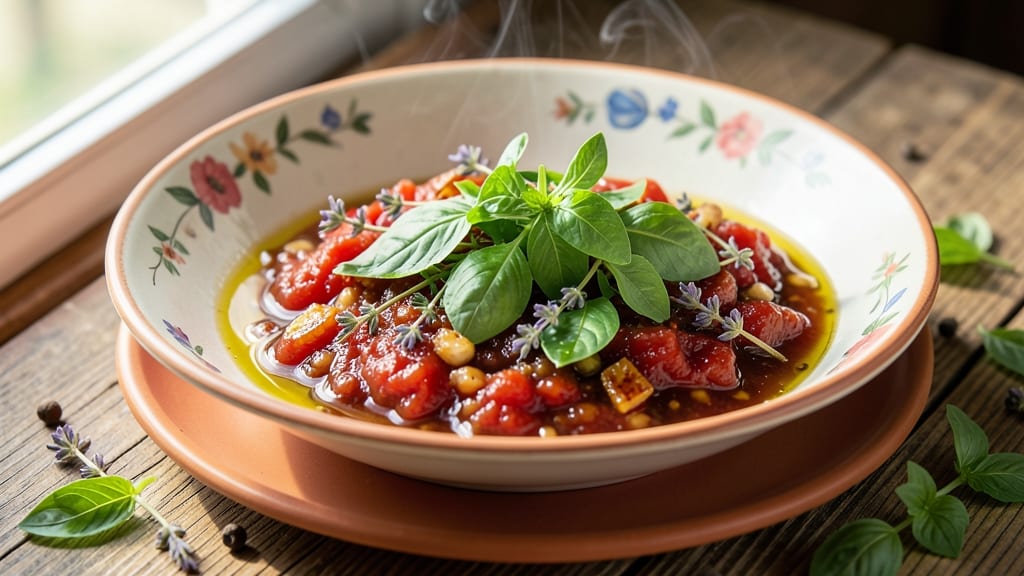
This authentic Sunday sauce recipe from scratch brings the soul of a Southern kitchen to your table—slow-simmered tomatoes, aromatic herbs, and a velvety texture that transforms any meal. 💛 I first learned this technique from Nana Mae at her Peachtree Street diner, where she'd spend hours crafting batches that fed the whole neighborhood.
The key lies in patience and layering flavors through gentle simmering, not rushing.
What sets this sauce apart is its herbal depth—fresh basil, oregano, and thyme meld with tomatoes to create a complex, balanced flavor profile that's both comforting and sophisticated. Unlike store-bought versions, this recipe builds richness through natural reduction, with no added preservatives or artificial ingredients.
The process is straightforward but requires attention to detail, especially when balancing acidity and sweetness.
The result is a slow-simmered tomato velvet with a smooth, almost silky consistency that clings beautifully to pasta, meat, or crusty bread.
Nana Mae always said good sauce should "sing on your tongue," and this version delivers that harmony—tangy yet sweet, herby yet mellow, with just enough body to stand up to hearty dishes. It's the kind of sauce that turns ordinary meals into something special.
Perfect for meal prepping—this sauce keeps well in the refrigerator for up to a week and freezes beautifully for months. Whether you're serving it over Sunday roast, drizzling it on grilled vegetables, or using it as a marinade, this recipe delivers restaurant-quality flavor at home.
Let's get started on creating your own batch.
Ingredients for authentic sunday sauce recipe from scratch
Eleven ingredients transform into a velvety sauce with depth and complexity - the heart of Southern comfort.
| Ingredient | Amount | Notes |
|---|---|---|
| San Marzano Tomatoes 🍅 | 2 lbs | Crushed by hand for authenticity |
| Extra-Virgin Olive Oil 🫒 | ½ cup | High-quality, fruity variety |
| Yellow Onion 🧅 | 1 whole | Finely diced, sweet variety |
| Garlic Cloves 🧄 | 6 cloves | Fresh, peeled, minced finely |
| Fresh Basil Leaves 🌿 | ½ cup | Packed, stems removed |
| Fresh Thyme Sprigs 🌿 | ¼ cup | Leaves only, stems discarded |
| Dried Oregano 🍃 | 1 tsp | Mediterranean variety preferred |
| Granulated Sugar 🍚 | 2 tbsp | Balances acidity naturally |
| Red Wine Vinegar 🍷 | 1 tbsp | Dry, bold variety |
| Kosher Salt 🧂 | 1 ½ tsp | Diamond Crystal preferred |
| Black Peppercorns 🌶️ | ½ tsp | Freshly cracked preferred |
San Marzano tomatoes are the foundation—their sweet, low-acid profile ensures a balanced sauce without added sugar. Whole Foods or specialty grocers carry them year-round, but local farmers' markets offer the freshest in season. The key is crushing them by hand; this releases natural juices and creates that signature velvety texture. For the olive oil, California avocado or Italian varieties provide the fruity notes that elevate the sauce beyond basic. Fresh herbs are non-negotiable here—their aromatic oils develop fully during the slow simmer, creating that complex herbal profile Nana Mae prized.
No San Marzano tomatoes? Roma tomatoes work in a pinch, but you'll need to add an extra tablespoon of sugar to balance acidity. Dried basil can substitute fresh at one-third the amount, though it lacks the bright, peppery notes of fresh. For the red wine vinegar, balsamic vinegar at half the quantity adds sweetness but alters the acid balance slightly. The sugar is crucial—it's not about sweetness but about rounding out the tomato's natural acidity. If you're vegan, ensure your olive oil is certified plant-based, though this recipe is naturally vegan-friendly already. For a smokier profile, add a pinch of smoked paprika during the final five minutes of simmering.
This sauce develops best over time—4-5 days in the refrigerator allows flavors to meld completely. For longer storage, freeze in glass jars, leaving a 1-inch headspace to prevent cracking. Portion into ice cube trays for single-use servings, then transfer to freezer bags. Thaw overnight in the fridge before reheating. The sauce thickens as it cools, so add a splash of water or broth when reheating. Nana Mae always said, 'Good sauce gets better with time,' and she was right—this version only improves with each passing day.
Why You'll Love This Recipe
- No-Fuss Simmer: I swear by this sauce because it’s basically hands-off after the first five minutes. Dice the onion, mince the garlic, toss them in olive oil, and let the San Marzano tomatoes do the work while you sip your coffee. The basil gets stirred in at the end—no chopping, no fuss, just pure, lazy satisfaction.
- Garlic-Basil Magic: That first taste of the sauce—where the sweetness of the tomatoes meets the sharp punch of garlic and the bright, peppery finish of fresh basil—is chef’s kiss. Honestly, I’ve tried store-bought versions, but nothing beats the depth of flavor when you start with real San Marzano tomatoes and finish with a handful of torn basil leaves.
- Weeknight to Dinner Party: This sauce is my secret weapon for everything from spaghetti to grilled chicken or even as a dip for crusty bread. I make a big batch on Sundays (hence the name) and freeze half—because nothing says “I put in effort” like pulling out a jar of homemade sauce for company. It’s that reliable.
- Budget-Friendly Pantry Staple: A jar of San Marzano tomatoes and a bottle of good olive oil last me months, and the rest—onion, garlic, basil—are cheap enough that I never feel guilty about making this weekly. Plus, leftovers keep for weeks in the fridge, so I’m always covered for those nights when takeout feels like too much work.
Step-by-step instructions for slow-simmered tomato velvet
This is how you build depth through patience and precision in every step.
🍳 Step 1: Sauté Onion and Garlic Until Translucent
Heat the 0.5 cup extra-virgin olive oil in a heavy-bottomed saucepan over medium-low heat. Add the finely diced yellow onion and cook for 8-10 minutes until completely translucent and softened. The onions should release their moisture and begin to caramelize slightly at the edges—this builds flavor foundation.
Reduce heat to low and add the 6 cloves minced garlic. Cook for another 2 minutes until fragrant but not browned—garlic burns quickly, and you want subtle sweetness, not bitterness. Stir constantly to prevent scorching. This aromatic base will carry through your entire sauce.
🍳 Step 2: Crush Tomatoes by Hand for Authentic Texture
Transfer the onion-garlic mixture to a large bowl. In the same saucepan, add the 2 lbs San Marzano tomatoes and crush them by hand using your fingers—this preserves the natural tomato texture better than blending. You want a rustic, slightly chunky consistency with no tomato skins remaining.
Return the crushed tomatoes to the saucepan and bring to a gentle simmer over medium heat. Let it cook uncovered for 15 minutes until the raw tomato smell disappears and the mixture reduces slightly. This initial reduction concentrates the natural sweetness and removes excess acidity before adding other ingredients.
🍳 Step 3: Build Flavor Layer by Layer
Add the 1 tsp dried oregano, 2 tbsp granulated sugar, and 1 tbsp red wine vinegar to the simmering tomatoes. Stir well to distribute evenly. The sugar balances the natural acidity of the tomatoes, while the vinegar adds brightness and complexity. Let this mixture simmer uncovered for 10 minutes to allow the flavors to meld.
Next, add the 0.25 cup fresh thyme leaves and 0.5 cup fresh basil leaves. The thyme brings earthy depth, while the basil adds fresh herbal brightness. Simmer for another 5 minutes—this is where the sauce begins to transform into something velvety and complex. Taste occasionally and adjust seasoning with 1.5 tsp kosher salt and 0.5 tsp freshly cracked black peppercorns as needed.
⏰ Step 4: Simmer to Perfection for Herbal Depth
Reduce the heat to low and let the sauce simmer gently for 30-45 minutes, stirring occasionally. The sauce should reduce by about 25%—it will become thicker and more concentrated. You're looking for a glossy, velvety texture with visible herb flecks suspended throughout.
Here's the thing—this is where patience pays off. The longer you simmer, the deeper the flavors develop. When you reach the 30-minute mark, taste the sauce again. It should be balanced—sweet, tangy, and herbaceous with no single flavor dominating. If it's too acidic, add a pinch more sugar. If it needs more depth, let it simmer another 5-10 minutes.
🥘 Step 5: Finish and Rest for Maximum Impact
Once the sauce reaches your desired consistency, remove it from heat and let it rest for 10 minutes at room temperature. This resting period allows the flavors to fully integrate and the sauce to thicken slightly. The texture should be smooth yet still have body—almost like a thick, luxurious soup.
Before serving, give it one final taste and adjust seasoning if needed. This sauce is versatile—pair it with grilled meats, use as a pasta sauce, or serve with crusty bread. The key to its authenticity lies in the slow simmering and fresh herbs. Don't rush this step; the Sunday in "Sunday sauce" refers to the time and care invested in creating something special.
Pro Tips For Making Authentic Sunday Sauce Recipe From Scratch
- CRUSH THE ONIONS FIRST: I used to toss in whole onions and wonder why my sauce tasted raw—now I slice them paper-thin and sweat them in olive oil for 8-10 minutes until they’re translucent and jammy. This isn’t about caramelizing; it’s about breaking them down so they melt into the sauce instead of sitting as chunks. (Yes, even if you’re impatient like me.)
- LOW AND SLOW TOMATOES: After burning three batches, I finally figured out: San Marzano tomatoes need gentle heat. Simmer them uncovered at a bare 160°F (70°C)—just enough to see tiny bubbles at the edges—so they break down into silk without scorching. Skim foam occasionally, but don’t stir like a maniac; let the sauce work itself.
- SALT THE TOMATOES BEFORE COOKING: My grandmother swore by this, and she was right: Toss halved San Marzano tomatoes with 1 tsp salt and let them sit for 15 minutes before cooking. The salt draws out moisture, concentrates their sweetness, and prevents a watery sauce later. Rinse them once to remove excess salt—this isn’t a brine bath.
- RESERVE THE BASIL LATE: Sounds weird, but it works: Tear fresh basil leaves and add them only in the last 5 minutes of cooking. If you toss them in early, they’ll turn bitter and slimy—trust me, I’ve ruined enough batches. For extra brightness, pulse a few leaves into the finished sauce with an immersion blender, but leave most whole for texture.
Storing and reheating your authentic sunday sauce recipe from scratch
Refrigerator Storage
Let your Sunday sauce cool completely before transferring it to an airtight glass container—I prefer Pyrex with a tight-sealing lid—and store it in the refrigerator for up to 7 days.
The flavors actually deepen over time, becoming richer and more complex. I always make a double batch because it disappears so quickly, especially when David starts sneaking tastes before dinner! 💛
When storing, leave about ½ inch of headspace to prevent oxidation, which can make the sauce cloudy. The sauce will thicken slightly as it cools, so you may need to add 1-2 tablespoons of water or olive oil when reheating to restore its velvety consistency.
Trust me, this is where the magic happens—Nana Mae always said good sauce gets better with time.
Freezer Preservation
For longer storage, portion the sauce into glass jars or silicone ice cube trays—this makes it perfect for single-use servings later. Once frozen, transfer to ziplock freezer bags with all air removed to prevent freezer burn.
The sauce keeps its quality for up to 6 months, though I’ve found it’s best used within 3 months for peak flavor.
When ready to use, thaw overnight in the refrigerator. For a quick fix, place the jar in a bowl of warm water for 10-15 minutes—this gentle method preserves texture better than microwave reheating.
The sauce may separate slightly after freezing, but a quick stir restores its smoothness. I’ve even frozen small portions in muffin tins for easy single-serving portions!
Reheating Methods
My preferred method is stovetop reheating—simmer the sauce in a small saucepan over low heat for 5-7 minutes, stirring occasionally. Add 1-2 tablespoons of water or broth if it thickens too much. The gentle heat helps restore its glossy texture without breaking down the delicate herb flavors.
For a restaurant-quality finish, finish with a sprinkle of fresh basil and a drizzle of extra-virgin olive oil.
If you’re short on time, microwave reheating works in a pinch. Heat the sauce in 30-second intervals, stirring between each, until warmed through. Be cautious—microwaves can make sauces watery, so this method is best for quick meals rather than gourmet dining.
I usually reserve this for lazy weeknights when I’m craving that Sunday sauce flavor fast!
Reviving Stale Sauce
If your sauce has thickened too much after storage, don’t toss it! Simply add 1 tablespoon of water or olive oil at a time while stirring gently over low heat. The sauce should return to its silky texture in just a few minutes.
For extra richness, a splash of red wine vinegar can help restore balance if the flavors have mellowed too much.
Pro tip: If the sauce smells slightly off after reheating, it’s best to discard it—this rarely happens with proper storage, but when it does, I always make a fresh batch.
The good news is that this sauce is so versatile and delicious that you’ll likely go through it before it ever spoils! The key is keeping it airtight and refrigerated when not in use. 💡
Nutrition facts
Frequently asked questions
Why does this sauce need such a long simmering time?
The extended simmering—30-45 minutes—is what creates the velvety texture and deep flavor. This slow reduction allows the natural sugars in the tomatoes to caramelize gently, while the herbs infuse their oils into the sauce. Nana Mae always said, "Good sauce can't be rushed"—the longer it simmers, the more complex and balanced the flavors become.
Can I substitute fresh basil with dried basil?
You can, but fresh basil gives the sauce its signature brightness. For dried basil, use one-third the amount (about 1 tbsp instead of 0.5 cup fresh). The flavor will be more muted, but it still works in a pinch. For best results, add fresh basil at the very end of cooking to preserve its vibrant aroma.
How do I know when the sauce is done?
The sauce is ready when it reduces by about 25% and has a glossy, velvety texture with visible herb flecks. Taste it around the 30-minute mark—it should be balanced with sweet, tangy, and herby notes. If it's too acidic, add a pinch more sugar; if too thin, simmer another 5-10 minutes to thicken.
What's the best way to use this sauce?
This versatile sauce works beautifully with grilled meats, pasta dishes, or as a dipping sauce for crusty bread. It also makes an excellent marinade for chicken or fish. The key is to use it warm—its velvety texture and rich flavor shine when freshly reheated. Try it over roasted vegetables for a vegetarian option!
Can I make this sauce in a slow cooker?
Yes! Follow the same steps, but transfer everything to a slow cooker after the initial tomato simmer. Cook on low for 4-5 hours instead of simmering on the stovetop. The slow cooker method is hands-off and perfect for busy days. Just