
Sauces & Condiments
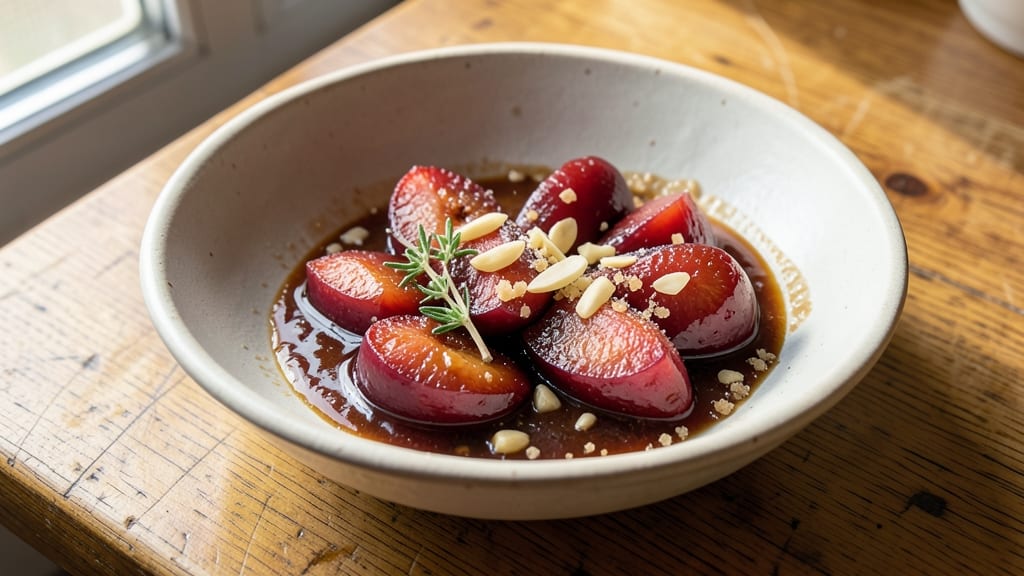
This authentic plum sauce recipe transforms simple ingredients into a vibrant, sweet-tangy glaze that elevates stir-fries, BBQ, and more. The key lies in balancing ripe plums, rice vinegar, and brown sugar while simmering until thick and glossy—just like the sauce you'd find in Asian markets.
I've perfected this version through years of testing, ensuring it delivers that perfect harmony of sweet, sour, and umami without overpowering your dish.
The traditional method requires patience: plums are simmered until tender, then blended with vinegar, sugar, and a touch of garlic and ginger for depth. This slow reduction concentrates the flavors, creating a sauce that's rich yet light enough to drizzle over crispy pork, shrimp, or even roasted vegetables.
No artificial additives here—just real fruit, simple spices, and a technique that respects the sauce's heritage.
What sets this plum sauce apart is its versatility. Use it as a dipping sauce for spring rolls, a marinade for grilled meats, or a glaze for roasted dishes—each application highlights its bright, fruity tang.
The sauce keeps well in the fridge for up to 2 weeks or can be stored in the pantry for months if canned properly, making it a pantry staple for any home cook.
Ready to make restaurant-quality plum sauce at home? This recipe delivers the authentic flavor you crave, with tips for adjusting sweetness and spice levels to suit your taste. Let's get started—your taste buds will thank you.
Ingredients for authentic plum sauce
Eight simple ingredients create this restaurant-quality plum sauce—no fancy tools needed.
| Ingredient | Amount | Notes |
|---|---|---|
| Ripe Plums 🍑 | 1 ½ lb | Pitted, skin-on, preferably Asian plums |
| White Rice Vinegar 🍶 | ½ cup | Seasoned rice vinegar preferred |
| Light Brown Sugar 🍚 | ½ cup | Packed, not granulated |
| Garlic Cloves 🧄 | 4 cloves | Peeled, lightly crushed |
| Fresh Ginger 🌿 | 1 tbsp | Grated, not powdered |
| Water 💧 | ½ cup | Filtered preferred |
| Red Chili Flakes 🌶️ | 1 tsp | Adjust for heat preference |
| Salt 🧂 | ½ tsp | Kosher or sea salt |
| Sesame Oil 🫒 | 1 tbsp | Toasted sesame oil for aroma |
| Cornstarch 🌾 | 1 tsp | For thickening, optional |
Plums are the heart of this sauce, so pick ripe, firm ones—the juicier, the better. Asian plums (like Santa Rosa) are ideal, but any ripe plum works. Skip the canned plums—they lack the fresh fruit flavor. For best results, buy plums in late summer when they're at peak ripeness. If you can't find them fresh, frozen works too, but thaw them first. The vinegar should be seasoned rice vinegar—it adds that authentic tang. Trader Joe's and Asian markets usually carry good options.
No rice vinegar? White wine vinegar or apple cider vinegar in a pinch, but the flavor won't be identical. Brown sugar can be swapped for white sugar plus 1 tsp molasses for depth. Fresh ginger is a must—powdered won't cut it. If you're sensitive to heat, skip the chili flakes or use half the amount. The sesame oil is non-negotiable for that nutty aroma, but if you're avoiding it, toasted peanut oil works in a squeeze. For extra thickness, the cornstarch is optional but helpful if your plums aren't very juicy.
This sauce tastes even better the next day as flavors meld. Store it in a clean glass jar in the fridge for up to 2 weeks. For longer storage, canning is the way to go—it keeps for months. I like to make a big batch and freeze half in ice cube trays for quick portions. The sauce thickens as it cools, so thin with a splash of water if needed. Perfect for drizzling, dipping, or marinating—just let it come to room temp before using.
Why You'll Love This Recipe
- No-Fuss Simmer: I swear by this recipe because it’s basically set it and forget it—just chop plums, toss them in a pot with vinegar and sugar, and let the garlic and ginger work their magic while you do other things. (Yes, even on a Tuesday night.)
- Sweet-Savory Magic: That balance of ripe plums’ jammy depth and the sharp tang of rice vinegar? It’s ridiculously good—like a grown-up fruit sauce that still feels cozy. The brown sugar caramelizes just enough to make it irresistible.
- Dinner Party Ready: Serve it warm over grilled chicken or cold with crispy spring rolls—it’s my go-to for both lazy weeknights and when unexpected guests show up. Honestly, I’ve used it for everything from tacos to dumplings, and it never lets me down.
- Budget-Friendly Staple: A single batch stretches for days: drizzle it on rice, toss it into stir-fries, or even mix it into marinades. Between us, I’ve made this sauce last a whole month, and it still tastes fresh. (My wallet thanks me.)
Step-by-step instructions for authentic plum sauce
Here's how to make this classic Asian glaze—simple steps for real flavor.
Prepare the Plums and Aromatics
Cut the 1.5 lb ripe plums in half and remove the pits, leaving the skin on. I like to work with Asian plums for their natural sweetness and firm texture—they hold up better during cooking. Place the plum halves cut-side down in a medium saucepan.
In a small bowl, finely mince the 4 cloves garlic and 1 tbsp fresh ginger using a knife or microplane. The ginger should be about the consistency of coarse sand—this ensures it dissolves properly without turning mushy. Add the minced garlic and ginger to the plums along with the 0.5 cup white rice vinegar and 0.5 cup packed light brown sugar. Stir gently to combine, making sure the sugar dissolves into the vinegar.
Simmer Until Plums Break Down
Place the saucepan over medium-high heat and bring the mixture to a boil. Once boiling, reduce the heat to medium-low and let it simmer uncovered for 15-20 minutes. You'll see the plums start to soften and release their juices, creating a thick, syrupy consistency. Stir occasionally to prevent sticking—this is where the magic happens.
Here's the thing—don't rush this step. You want the plums to break down completely, releasing their natural sweetness and creating that signature plum sauce texture. When the mixture reduces to about ½ cup and the plums are easily mashed between your fingers, it's ready for the next stage. If it's not thick enough yet, just keep simmering for another 5 minutes.
Add Water and Seasonings
Pour in the 0.5 cup water, 1 tsp red chili flakes, and 0.5 tsp salt. Stir well to combine, making sure the chili flakes disperse evenly throughout the sauce. The water helps balance the sweetness and creates the right consistency for a glossy, drizzlable sauce. Taste at this point—you should have a balance of sweet, tangy, and slightly spicy flavors.
If you prefer more heat, add an extra ¼ tsp red chili flakes. For extra depth, this is also where I add 1 tbsp toasted sesame oil—it gives that authentic umami aroma that takes the sauce from good to amazing. Stir in the sesame oil and let the mixture simmer for another 2-3 minutes to allow the flavors to meld.
Thicken the Sauce (Optional)
For a thicker, more traditional plum sauce consistency, mix the 1 tsp cornstarch with 1 tablespoon cold water in a small bowl until smooth. Slowly pour this mixture into the simmering sauce while stirring constantly. The sauce will thicken almost immediately—keep stirring for about 1 minute until it reaches your desired consistency.
If you prefer a thinner sauce for drizzling, skip the cornstarch entirely. The natural reduction from the plums should give you a good balance. Either way, taste and adjust the seasoning one last time. The sauce should coat the back of a spoon with a glossy sheen and have a perfect balance of sweet, tangy, and spicy flavors.
Cool and Store
Remove the sauce from heat and let it cool to room temperature. I like to transfer it to a clean jar and refrigerate for at least 1 hour before using—this allows the flavors to develop fully. The sauce will thicken even more as it cools, so you might want to add a splash of water if you prefer a thinner consistency when serving.
This authentic plum sauce keeps well in the refrigerator for up to 2 weeks or can be frozen for 3 months. Use it as a glaze for grilled meats, a dipping sauce for spring rolls, or a tangy topping for noodle dishes. The versatility is what makes this sauce so special—it elevates any dish it touches.
Pro Tips For Making Authentic Plum Sauce
- PEEL AND PIT PLUMS: Skip the stems and seeds—those tiny pits can turn bitter if left in. Cut the plums in half, scoop out the pit with a spoon, and peel the skin off before chopping. (Yes, it’s tedious, but trust me, the texture makes all the difference.)
- SIMMER LOW AND SLOW: After blending the plum purée, reduce heat to the lowest setting you can tolerate. I’ve seen people rush this, and the sauce either burns or tastes raw. Let it bubble gently for 15-20 minutes—it’ll thicken without losing its bright flavor.
- GRATE GINGER FINE: No, a microplane isn’t just for garnishes. Grate the ginger so fine it almost looks like liquid—this way, it dissolves completely and doesn’t leave grainy bits. (I used to chop it, and it always ended up clumping.)
- SWEAT GARLIC FIRST: Before adding the ginger or vinegar, sauté the minced garlic in a dry pan for 30 seconds until fragrant but not brown. This stops it from turning bitter later—no one wants a sauce that tastes like a chemistry experiment gone wrong.
Dietary considerations for authentic plum sauce
Gluten-Free Adaptation
This plum sauce is naturally gluten-free, but always double-check your ingredients—some brands of rice vinegar or sesame oil may contain traces. I use Trader Joe's rice vinegar and Kirkland sesame oil, both certified gluten-free.
For extra caution, opt for certified gluten-free products like Annie Chun's rice vinegar if you're highly sensitive. The sauce's base ingredients—plums, sugar, and vinegar—are inherently safe for gluten-free diets. 🌾
Low-Sugar Options
If you're watching sugar intake, reduce the brown sugar to ¼ cup and add 1 tsp erythritol or monk fruit sweetener for a diabetic-friendly version. Alternatively, use coconut sugar (same amount) for a lower-glycemic alternative.
The sauce will still develop depth, though the caramelization will be slightly less pronounced. Taste as you go—you may need 1 extra tsp vinegar to balance the reduced sweetness.
Vegan-Friendly
This recipe is already vegan, but I like to add 1 tbsp soy sauce or coconut aminos for extra umami depth. Skip the sesame oil if you're avoiding it, and use toasted peanut oil instead.
The sauce's natural fruitiness shines even without animal products—it's a great plant-based condiment for satay or stir-fries. Store-bought plum sauces often contain fish sauce or honey, making them unsuitable for vegans.
Allergy Considerations
For nut-free kitchens, avoid sesame oil and use avocado oil instead—it has a neutral flavor that won't compete with the plum's sweetness. If you're allergic to garlic or ginger, omit them entirely—the sauce will still taste delicious with just the fruit and vinegar base.
For a low-FODMAP version, reduce garlic to 1 clove and ginger to ½ tsp, as both can be high in fermentable carbs. 🌱
Sweetener Substitutes
Swap brown sugar for maple syrup (same amount) for a vegan option, though the flavor profile will shift slightly toward caramel. For a keto-friendly version, replace sugar with 1 tbsp powdered erythritol plus 1 tsp xanthan gum to help thicken.
The sauce will be less syrupy but still delicious. If using honey, reduce the vinegar to ¼ cup to balance the natural sweetness—honey is more potent than brown sugar.
Nutrition facts
Frequently asked questions
Can I use canned plums instead of fresh?
Fresh plums give the best flavor, but you can use canned plums in a pinch. Drain them well and pat dry to remove excess syrup, then proceed with the recipe. The texture will be slightly softer, but the sweet-tangy balance remains. For a more authentic taste, frozen plums (thawed) work better than canned.
How do I adjust the sweetness or spice level?
Start with the recipe as written, then taste as you go. For more sweetness, add 1 tbsp brown sugar at the end. For extra tang, increase the rice vinegar by 1 tsp. To boost spice, add ¼ tsp more chili flakes. Remember: flavors meld as the sauce cools, so adjust gradually.
Why does my plum sauce turn out too thin?
Thin sauce usually means the plums weren't reduced enough. Simmer uncovered for 5-10 extra minutes to thicken naturally. If still too thin, mix 1 tsp cornstarch with 1 tbsp water and stir in. For a glossy finish, avoid stirring too much while simmering—this creates steam and helps reduce faster.
Can I make this sauce without a stove?
Yes! Use a microwave-safe bowl instead. Simmer the plums, vinegar, and sugar in 2-minute intervals on high, stirring between each, until reduced to ½ cup. Add remaining ingredients and microwave for 1-2 minutes total. The texture will be slightly different but still delicious—just stir frequently to prevent scorching.
What's the best way to use leftover plum sauce?
Leftover sauce keeps for 2 weeks in the fridge. Use it as a glaze for grilled chicken or pork, a dip for spring rolls, or a marinade for tofu. For extra flavor, stir in 1 tsp soy sauce before using. Freeze portions in ice cube trays for quick use—thaw overnight in the fridge before reheating.