
Sauces & Condiments
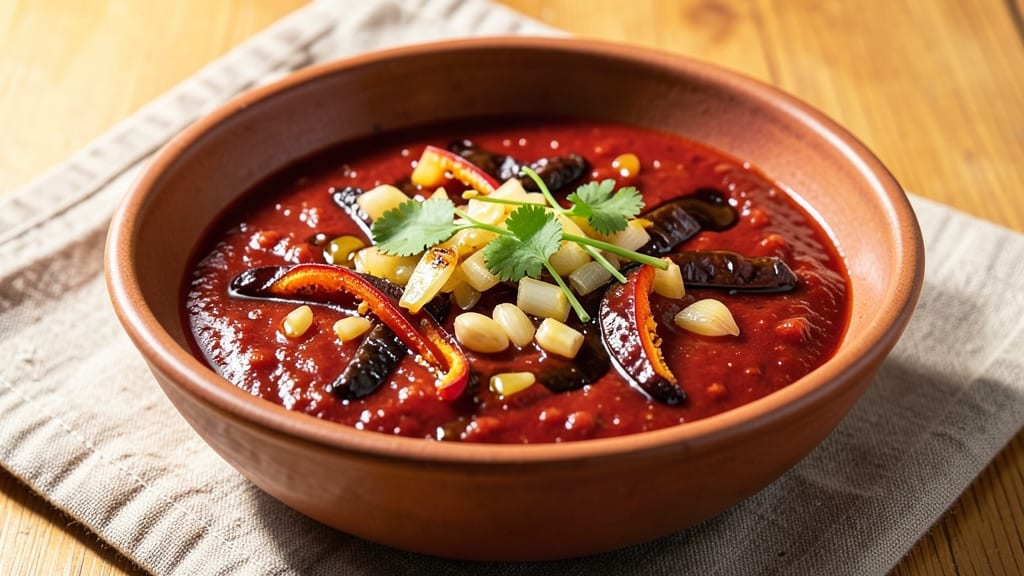
This authentic mambo sauce recipe delivers the bold, velvety richness that defines Cuban cuisine—where smoky chipotle meets tangy tomatoes in perfect harmony. The secret lies in balancing Scotch bonnet peppers for heat, garlic for depth, and a touch of vinegar to brighten the sauce.
Unlike store-bought versions, this recipe simmers until thick and flavorful, creating a versatile sauce that elevates everything from grilled meats to fried plantains.
What sets this mambo sauce apart is its authentic technique: slow-cooked tomatoes caramelize into a rich base, while chipotle peppers infuse smoky warmth without overpowering.
The blend of onions, garlic, and a splash of apple cider vinegar ensures a balanced flavor profile—savory, slightly sweet, and just spicy enough to linger. It’s the kind of sauce that transforms simple dishes into restaurant-worthy meals.
Perfect for marinating grilled chicken or pork, dipping crispy tostones, or drizzling over black beans, this mambo sauce keeps well in the fridge for up to a week.
The texture is velvety yet not overly thick, making it ideal for both quick weeknight dinners and festive gatherings. Once you taste the difference, store-bought will never compare.
The real magic happens in the simmering process—letting the flavors meld and deepen over time. No shortcuts here, just authentic Cuban technique that delivers restaurant-quality results at home. Ready to make your dishes unforgettable? Let’s get cooking.
Ingredients for authentic mambo sauce
Eleven ingredients transform into velvety Cuban richness—where smoky chipotle meets bright tomatoes in perfect balance.
| Ingredient | Amount | Notes |
|---|---|---|
| San Marzano Tomatoes 🍅 | 28 oz | Canned, crushed by hand |
| Smoked Chipotle Peppers in Adobo 🌶️ | 2 whole | Minced, with 1 tbsp adobo sauce |
| Yellow Onions 🧅 | 1 whole | Medium, finely diced |
| Garlic Cloves 🧄 | 6 cloves | Fresh, minced |
| Scotch Bonnet Peppers 🌶️ | 1 whole | Seeds removed, finely chopped |
| Apple Cider Vinegar 🍎 | 2 tbsp | Bragg preferred |
| Extra-Virgin Olive Oil 🫒 | ½ cup | High-quality, fruity |
| Cumin Seeds 🌿 | 1 tsp | Toasted, ground |
| Bay Leaves 🌿 | 2 whole | Fresh preferred |
| Salt 🧂 | 1 ½ tsp | Diamond Crystal kosher |
| Black Peppercorns 🌶️ | ½ tsp | Freshly cracked |
The tomatoes are non-negotiable here. San Marzano is the gold standard—sweeter, less acidic, and crushes beautifully by hand. For chipotle peppers, Penzeys brand delivers consistent heat and smokiness, but any quality adobo sauce works. Scotch bonnet peppers bring the authentic Cuban kick—always remove seeds for controlled heat. If you can't find them, a mix of habanero and jalapeño works in a pinch, but the flavor won't be identical. Toast your cumin seeds in a dry pan for 30 seconds until fragrant—this depth of flavor makes all the difference.
No Scotch bonnet? Habanero plus jalapeño (1:1 ratio) mimics the heat profile, though the flavor won't be exact. Substituting canned tomatoes? Crush them thoroughly—no chunks allowed. The apple cider vinegar can be swapped for white vinegar, but Bragg's adds subtle sweetness that enhances the sauce. For a deeper smoky flavor, add 1/2 tsp smoked paprika to the spice blend. Fresh bay leaves infuse better than dried, but if you must use dried, halve the quantity. The olive oil should be fruity and high-quality—none of that cheap cooking oil. Every ingredient here serves a purpose: onions for sweetness, garlic for depth, and vinegar to brighten the rich tomato base.
This sauce develops flavor over time—never rush the simmer. Store in an airtight container in the fridge for up to 7 days, though it tastes even better the next day as flavors meld. For longer storage, freeze in ice cube trays—perfect for single-use portions. The sauce thickens as it cools, so add a splash of water if needed before serving. Double the batch if you can—it disappears fast during Cuban feasts. The key to restaurant-quality mambo sauce lies in patience and balancing each component: sweet, smoky, tangy, and just spicy enough to linger.
Why You'll Love This Recipe
- One-Pot Magic: I swear by this sauce—just toss everything into one pot, let it simmer, and walk away. No blenders, no straining, no extra bowls. The San Marzano tomatoes break down beautifully on their own, and the chipotle peppers in adobo melt right into the sauce while you’re still chopping onions.
- Heat You’ll Crave: That smoky chipotle warmth paired with the bright, fruity kick of Scotch bonnet? It’s a flavor explosion that lingers. Honestly, the first time I tasted it, I immediately made a double batch—no questions asked.
- Weeknight Workhorse: Slap this on grilled chicken for Taco Tuesday, stir it into rice for a quick dinner, or drizzle it over eggs for breakfast. Between us, I’ve even used it as a marinade for shrimp—works every single time.
- Budget-Friendly Powerhouse: San Marzano tomatoes and chipotles stretch this sauce far, and it keeps for days in the fridge. I’ll be real: I’ve had this same jar sitting for over a week, and it’s still the star of whatever I’m cooking. Plus, onions and garlic are cheap—win-win.
Step-by-step instructions for authentic mambo sauce
Master this Cuban classic with deep smoky-sweet complexity and velvety texture.
Prepare the Base Ingredients
In a large, heavy-bottomed pot, combine the 28 oz San Marzano Tomatoes that you've crushed by hand—this releases their natural sweetness and prevents a watery sauce. Add the 1 whole Yellow Onions that you've finely diced, the 6 cloves Garlic Cloves that you've minced, and the 1 whole Scotch Bonnet Peppers with seeds removed and finely chopped. This aromatic trio forms the flavor foundation.
Stir everything together and bring to a gentle simmer over medium-high heat. Let it cook uncovered for 10-12 minutes, stirring occasionally, until the onions soften and the mixture reduces slightly. You'll notice the sauce becoming more concentrated and developing a deep, rich color. This initial reduction develops the sauce's natural sweetness and removes excess acidity.
Incorporate the Smoky Elements
While the base simmers, prepare the 2 whole Smoked Chipotle Peppers in Adobo by mincing them finely and reserving 1 tablespoon of the adobo sauce from the can. Add these to the pot along with the 0.5 cup Extra-Virgin Olive Oil, the 1 tsp Cumin Seeds that you've toasted and ground, and the 2 whole Bay Leaves. Stir well to combine all ingredients.
Simmer the mixture uncovered for another 15 minutes, allowing the smoky chipotle and earthy cumin to infuse the sauce. The olive oil will begin to emulsify with the tomatoes, creating that signature velvety texture. You'll smell the deep, complex aromas of smoked peppers and warm spices—this is when the sauce truly comes alive. Taste occasionally and adjust seasoning with the 1.5 tsp Salt and 0.5 tsp Black Peppercorns that you've freshly cracked.
Balance and Simmer to Perfection
After the initial simmering, stir in the 2 tbsp Apple Cider Vinegar. This bright acidity cuts through the richness and balances the smoky-sweet flavors. The sauce should now have a vibrant sheen and be noticeably thicker. Reduce the heat to low and let it simmer gently for 30-40 minutes, stirring occasionally to prevent sticking.
The sauce is ready when it reaches a thick, velvety consistency that coats the back of a spoon. It should be reduced by about one-third from its original volume, with a deep red color and complex layers of flavor. If it thickens too much before reaching this stage, add 1-2 tablespoons of water to loosen it. The final sauce should be rich enough to cling to proteins but still have enough body to stand alone.
Finish and Rest for Optimal Flavor
Once the sauce reaches the perfect consistency, remove it from heat and let it rest for 10-15 minutes. This resting period allows the flavors to meld completely and the sauce to thicken slightly as it cools. Skim off any excess foam or fat that rises to the surface for a cleaner finish.
Before serving, taste again and make any final adjustments to seasoning. The sauce should have a perfect balance of sweetness from the tomatoes, heat from the Scotch Bonnet and chipotle, and acidity from the vinegar. Serve warm over grilled meats, black beans, or rice—this authentic mambo sauce will elevate any Cuban-inspired dish with its complex, velvety richness.
Pro Tips For Making Authentic Mambo Sauce
- CHAR THE ONIONS LOW: Skip the rush—cook your yellow onions over medium-low heat for 10-12 minutes until they’re deep golden, not browned. I learned this the hard way: burning them turns mambo sauce bitter. Add a splash of water if they stick, but don’t walk away.
- TOAST THE CHIPOTLE: Dry-toast the adobo sauce off your smoked chipotles in a skillet for 30 seconds before blending. This removes excess moisture and intensifies the smoky depth—no soggy, diluted heat here. (Yes, even if you’re impatient like me.)
- PEEL THE GARLIC WRONG: Smash the garlic cloves flat with the side of your knife instead of peeling them. They’ll release more flavor when cooked, and you’ll avoid the mess of minced bits floating in your sauce. My grandmother swore by this, and she was right.
- SIMMER THE TOMATOES: Reduce the San Marzano tomatoes uncovered on medium-high for the first 10 minutes to break them down faster. Then lower the heat and cover—this balances acidity and thickness without turning the sauce into paste. (Your future self will thank you.)
Troubleshooting this recipe
Sauce Too Thin?
If your mambo sauce isn't thickening enough during simmering, try these fixes: First, ensure you're using San Marzano tomatoes—their natural sweetness reduces better than regular canned tomatoes. Simmer uncovered on low heat for an extra 10-15 minutes to evaporate excess moisture.
For immediate thickening, mix 1 tablespoon cornstarch with 2 tablespoons cold water, then stir into the sauce off heat. Let it thicken for 2-3 minutes before serving. 💫
Heat Too Intense?
Scotch bonnet peppers are the culprit for excessive heat. If your sauce is too spicy, reduce it by half—simmer the sauce uncovered for an extra 5 minutes to concentrate flavors while reducing spiciness. Alternatively, stir in 1 tablespoon honey or 1 teaspoon sugar to balance the heat.
For future batches, use half a Scotch bonnet pepper or swap for 1 habanero + 1 jalapeño (seeds removed) for milder heat. 🌶️
Sauce Too Thick?
Over-thickened sauce can happen if you simmer too long or reduce too much. Thin it by adding 1-2 tablespoons water or broth at a time, stirring well after each addition. For a smoother texture, blend the sauce briefly with an immersion blender—this breaks up any lumps while maintaining thickness.
If the sauce separates, stir in 1 teaspoon olive oil to re-emulsify. Always taste as you go to avoid over-correcting. ✨
Smoky Flavor Missing?
If your sauce lacks depth, the chipotle peppers might not have infused enough. Next time, simmer the chipotle in adobo sauce for 5 minutes before adding to the pot—this extracts more smoky flavor.
For an extra boost, add ½ teaspoon smoked paprika or a pinch of liquid smoke (just ¼ teaspoon) to the finished sauce. Toasting the cumin seeds for 30 seconds also enhances their earthy aroma. 🔥
Sauce Separates?
Sauce separation usually means the oil and water haven't emulsified properly. To fix it, whisk in 1 tablespoon cold water or 1 teaspoon cornstarch slurry while stirring vigorously.
For prevention, ensure your olive oil is high-quality (fruity, not refined) and stir frequently during simmering. A handheld immersion blender can also help re-combine separated layers quickly. 💡
Flavor Too Bland?
Blandness often means the sauce needs more acidity or salt. Brighten it with 1 extra tablespoon apple cider vinegar or ½ teaspoon lemon juice. Boost umami by adding 1 teaspoon soy sauce or ½ teaspoon fish sauce (traditional in Cuban cooking).
For depth, stir in 1 minced garlic clove or ½ teaspoon dried oregano. Always taste as you go—authentic mambo sauce should balance sweet, smoky, tangy, and spicy notes. 💛
Nutrition facts
Frequently asked questions
What's the secret to authentic mambo sauce flavor?
The magic lies in balancing smoky chipotle peppers, Scotch bonnet heat, and apple cider vinegar. The key technique is slow simmering—this lets the tomatoes caramelize and develop deep, complex flavors. Don't skip the 10-15 minute rest after cooking, as this allows all the components to meld perfectly.
Can I make mambo sauce without Scotch bonnet peppers?
Yes, but the flavor won't be identical. For a milder heat, use 1 habanero + 1 jalapeño (seeds removed) instead. If you can't find any, 2 teaspoons cayenne pepper will add heat, though it won't replicate the fruity complexity. The sauce will still be delicious—just adjust the spice level to your preference.
How long does homemade mambo sauce keep?
Store in an airtight container in the fridge for up to 7 days. For longer storage, freeze in ice cube trays—perfect for single-use portions. The sauce actually improves with time as flavors continue to develop. Always let it cool completely before refrigerating to prevent condensation.
What are the best ways to use mambo sauce?
This versatile sauce works as a marinade for grilled chicken or pork, a dipping sauce for tostones or yuca, or a topping for black beans and rice. It also makes an excellent base for Cuban-style sandwiches. The velvety texture makes it perfect for drizzling over any dish that needs a smoky-sweet kick.
Why does my mambo sauce look watery?
Watery sauce usually means the tomatoes weren't reduced enough. Always use San Marzano tomatoes—they're sweeter and reduce better. Simmer uncovered on low heat for an extra 10-15 minutes to evaporate excess moisture. For immediate thickening, mix 1 tbsp cornstarch with 2 tbsp water and stir into the sauce off heat.