
Sauces & Condiments
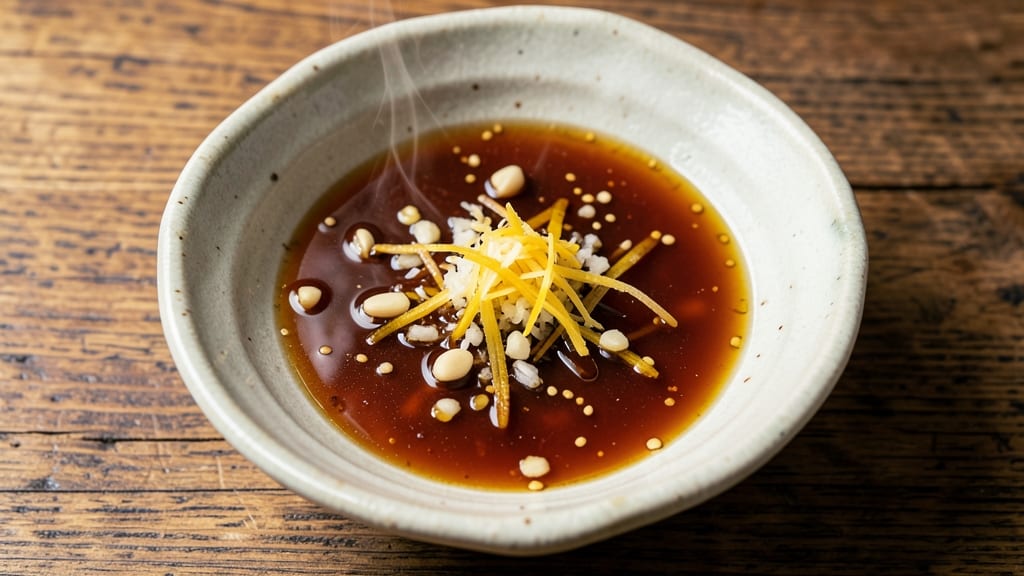
This authentic Japanese gyoza sauce transforms simple dipping into a flavor experience that rivals the dumplings themselves. The secret lies in balancing fermented soy, bright ginger, and umami-rich mirin—each ingredient playing its part to create a sauce that enhances rather than competes with the delicate dumpling filling.
I developed this recipe after years of testing what truly elevates gyoza, and the difference between store-bought and homemade is night and day.
The foundation starts with a simmered base of soy sauce, rice vinegar, and mirin, which develops depth as it reduces. Fresh garlic and ginger add aromatic layers, while sesame oil introduces nutty warmth and a subtle earthiness.
A touch of chili flakes brings just enough heat to complement the dish without overpowering it—a balance that makes every bite of gyoza more satisfying. The sauce should coat the back of your spoon, clinging to each dumpling while letting its natural flavors shine.
What sets this sauce apart is its ability to stay true to Japanese authenticity while being simple enough for home cooks. No complex techniques are required—just a saucepan, a few minutes of attention, and the right ingredients. The result?
A sauce that's tangy yet savory, aromatic yet clean, with just enough complexity to make your gyoza taste like you've been to Tokyo. The best part? It keeps well in the fridge, ready to elevate any batch of dumplings.
Whether you're serving crispy pan-fried gyoza or steamed versions, this sauce will take your meal from good to unforgettable. The key is letting the flavors develop during the simmering process—don't rush it.
Trust the process, and you'll have a sauce that's as close to authentic as you can get at home.
Ingredients for authentic japanese gyoza sauce
Nine simple ingredients create this restaurant-quality Japanese gyoza sauce—no shortcuts.
| Ingredient | Amount | Notes |
|---|---|---|
| Japanese Soy Sauce 🍶 | ½ cup | High-quality, preferably <strong>Kikkoman</strong> or <strong>Hajime</strong> |
| Rice Vinegar 🍶 | ¼ cup | Unseasoned, mild flavor preferred |
| Mirin 🍶 | ¼ cup | Sweet cooking mirin, not regular mirin |
| Fresh Ginger 🧄 | 1 tbsp | Finely grated, aromatic variety |
| Garlic Cloves 🧄 | 3 cloves | Minced, fresh preferred |
| Toasted Sesame Oil 🫒 | 1 tbsp | For nutty aroma, not regular sesame oil |
| Red Chili Flakes 🌶️ | ½ tsp | Adjust for heat preference |
| Granulated Sugar 🍚 | 1 tbsp | White or brown, dissolves easily |
| Water 💧 | ¼ cup | Room temperature preferred |
The soy sauce is non-negotiable here. Kikkoman or Hajime are the gold standards, but any quality Japanese soy will work. Mirin should be sweet cooking mirin—not the regular mirin you'd use for drinks. Fresh ginger is a must; dried loses that bright, zesty punch. For the garlic, minced is best, but a quick press works in a pinch. Toasted sesame oil is what gives this sauce its signature nutty aroma—don't skip the toasting (heat oil gently until fragrant). If you're sensitive to spice, start with half the chili flakes and adjust to taste.
No mirin? Substitute 1 tbsp sugar plus 1 tbsp dry sherry—it won't be identical, but close enough. Fresh ginger unavailable? Double the amount of ground ginger, but it won't have the same brightness. For a deeper umami kick, add 1 tsp fish sauce (if not vegetarian) or 1 tsp soy sauce reduction. The sugar can be swapped for honey or maple syrup, though sugar dissolves cleaner. If your rice vinegar is seasoned, use half the amount of soy sauce to balance the salt. The water is just for thinning—adjust if your sauce is too thick.
This sauce tastes even better the next day as flavors meld. Store in an airtight container in the fridge for up to 1 week. For longer storage, freeze in ice cube trays—just thaw and stir. The sesame oil will separate slightly when refrigerated, so give it a quick shake before using. Double the batch if you're making gyoza for a crowd—it disappears fast. Leftovers make an amazing marinade for grilled meats or a quick stir-fry sauce.
Why You'll Love This Recipe
- Five-Ingredient Magic: I swear by this combo—just soy sauce, rice vinegar, mirin, and two fresh things (ginger + garlic). No weird pantry hauls, no specialty stores. Honestly, if you’ve got a knife and a bowl, you’re golden.
- Umami Bomb: That first sip of sauce? Pure flavor payoff. The mirin sweetens just enough to balance the tangy vinegar, while the ginger and garlic add this je ne sais quoi that makes your gyoza taste like you slaved over them for hours.
- Weeknight to Party: Same sauce works for quick stir-fries, dumpling dipping, or even a last-minute noodle toss. I’ve used it to dress up takeout rice when friends dropped by—no one ever guessed it wasn’t homemade.
- Budget Stash: A little goes a long way. I make a double batch and keep it in the fridge; it’s my go-to for when I’m broke but still want to eat well. Three tablespoons of this stuff turns cheap frozen dumplings into something special.
Step-by-step instructions for authentic Japanese gyoza sauce
Here's the method for a sauce that balances umami, sweetness, and aromatic heat—just like you'd find at a Tokyo izakaya.
Prepare the Aromatics
Peel and finely grate the 1 tablespoon fresh ginger using a microplane or fine grater. I like to press it between my fingers to release the oils before adding—this ensures maximum flavor infusion. In a small bowl, mince the 3 cloves garlic cloves as finely as possible. The goal is to create a paste-like texture that dissolves completely into the sauce.
Fresh ginger is non-negotiable here. Powdered ginger lacks the bright, zesty punch that defines authentic Japanese flavors. If you can't find aromatic ginger (with visible oil pockets), use the next best thing—just make sure it's fresh and not dried out. The garlic should be minced so finely that it nearly disappears when added to the sauce, preventing any graininess in the final product.
Simmer the Base Ingredients
In a small saucepan, combine the 0.5 cup Japanese soy sauce, 0.25 cup rice vinegar, and 0.25 cup mirin. Bring the mixture to a gentle simmer over medium-low heat, then reduce to the lowest setting that maintains a slight bubble. Let it cook uncovered for 8-10 minutes until the liquid reduces by about one-third and becomes syrupy.
This reduction step is crucial—it concentrates the flavors and creates the perfect balance between the salty soy, tangy vinegar, and sweet mirin. Watch carefully as it simmers; you want it to thicken slightly but not burn. If it starts to darken too quickly, reduce the heat further. The sauce should smell rich and complex, with notes of caramelized soy and bright vinegar.
Add Sugar and Chili for Depth
Stir in the 1 tablespoon granulated sugar and 0.5 teaspoon red chili flakes, mixing until the sugar dissolves completely. Let the sauce simmer for another 3-4 minutes until it reaches your desired consistency—it should coat the back of a spoon but still be pourable. Taste at this stage; you might want to adjust the sweetness or heat to your preference.
Here's where the sauce comes together. The sugar balances the acidity of the rice vinegar while the chili flakes add a subtle warmth that enhances the umami. If you prefer a smoother sauce, strain it through a fine-mesh sieve to remove any chili flakes. For extra depth, you can even toast the chili flakes in a dry pan for 30 seconds before adding them—this intensifies their flavor without adding heat.
Finish with Toasted Sesame Oil
Remove the saucepan from heat and let the mixture cool for 2-3 minutes. Then, stir in the 1 tablespoon toasted sesame oil and 0.25 cup water. The sesame oil should be added last—its nutty aroma is delicate and can be overpowered by heat. The water thins the sauce slightly, creating the perfect dipping consistency that's neither too thick nor too runny.
This final step is what elevates the sauce from good to exceptional. The toasted sesame oil adds a toasty, almost buttery note that complements the ginger and garlic perfectly. The water ensures the sauce clings to gyoza without being gluey. Let the sauce sit for 10 minutes before serving—this allows the flavors to meld completely. The result should be a glossy, aromatic sauce with layers of umami, sweetness, and just a hint of heat.
Pro Tips For Making Authentic Japanese Gyoza Sauce
- Simmer, Don’t Boil: After burning three batches, I finally figured out that this sauce demands a whisper of heat—no more than a low simmer. If you crank the stove to medium-high, you’ll end up with a bitter, alcohol-heavy mess from the mirin evaporating too fast. Keep it at the gentlest bubble, like a lazy Sunday morning.
- Grate, Then Toast: Skip the raw ginger and garlic—it’s harsh and overpowering. Instead, grate the ginger (no need to peel) and mince the garlic, then toss them in a dry pan for 30 seconds until fragrant. This step makes a real difference in balancing the sauce’s sharpness without the raw bite.
- Balance the Vinegar: I used to pour in all the rice vinegar at once, only to realize it turned the sauce sour. Start with half the amount, taste as you go, and add the rest if needed. The goal is brightness, not a punch to the face—this sauce should complement, not overpower, the gyoza.
- Strain for Smoothness: This isn’t the prettiest method, but it’s the tastiest. After simmering, strain the sauce through a fine-mesh sieve to remove any lingering ginger or garlic bits. It might feel like extra work, but your sauce will be silky and professional—no one wants a mouthful of texture when they’re dipping.
Common mistakes when making this recipe
Over-Simmering the Base
I’ve seen people burn their gyoza sauce by letting it simmer too long, turning the beautiful caramelized soy into bitter, dark sludge. The goal is to reduce the base by about one-third—that’s roughly 8-10 minutes on medium-low heat.
If your sauce starts to darken too quickly or smells overly burnt, remove it immediately. The sauce should smell rich and aromatic, not smoky or acrid. 🔥
Skipping the Reduction Step
Rushing this sauce by skipping the reduction means missing out on its depth. The simmering process concentrates the flavors, creating that perfect balance of umami, tang, and sweetness.
If you’re short on time, at least simmer it for 5 minutes—but trust me, the extra 3-5 minutes makes all the difference. The sauce will taste flat and watery if you skip this step entirely.
Adding Sesame Oil Too Early
The toasted sesame oil is the secret to this sauce’s nutty aroma, but adding it too early can make it overpower the other flavors. Always add it last, after removing the pan from heat and letting the sauce cool slightly for 2-3 minutes.
The heat from the sauce can turn sesame oil bitter, so patience here is key. Stir it in gently to preserve its delicate aroma.
Using Regular Sesame Oil
Not all sesame oil is created equal! Regular sesame oil is refined and lacks the toasty, nutty depth that toasted sesame oil provides. To toast your own, heat 1 tablespoon of sesame oil in a small pan over low heat for 1-2 minutes until fragrant (don’t let it smoke).
Let it cool completely before adding it to the sauce. This step is non-negotiable for authenticity. 🫒
Ignoring the Chili Flakes
While the chili flakes add just a hint of heat, they also bring a subtle depth that rounds out the sauce. If you’re sensitive to spice, reduce them to ¼ teaspoon, but don’t skip them entirely—they enhance the overall complexity.
For a smoother texture, strain the sauce through a fine-mesh sieve after simmering. Toasting the flakes in a dry pan for 30 seconds before adding intensifies their flavor without adding much heat.
Not Letting the Sauce Rest
After making the sauce, resist the urge to serve it immediately. Let it sit for 10 minutes at room temperature—this allows the flavors to meld and the sesame oil to fully integrate. The sauce will taste more cohesive and balanced.
If you’re in a hurry, at least let it sit for 5 minutes before serving, but I promise the extra time is worth it for that restaurant-quality finish. ✨
Nutrition facts
Frequently asked questions
Can I make this sauce without mirin?
Yes, but the flavor will differ slightly. Replace the 0.25 cup mirin with 1 tbsp sugar plus 1 tbsp dry sherry for a close approximation. The sauce will still taste delicious, though mirin adds that unique sweetness and depth that's hard to replicate. For a non-alcoholic version, use 1 tbsp honey or maple syrup instead.
How spicy should the sauce be?
The recipe calls for 0.5 teaspoon chili flakes, which adds just a subtle warmth—enough to enhance the sauce without overpowering. For mild heat, reduce to ¼ teaspoon. If you love spice, increase to 1 teaspoon or add a pinch of cayenne. Toast the flakes in a dry pan for 30 seconds first to deepen their flavor without adding heat.
Can I use this sauce for other dishes?
This versatile sauce works beautifully as a marinade for grilled meats, a stir-fry sauce, or even a glaze for roasted vegetables. It pairs especially well with tofu, chicken, or shrimp. For dumplings other than gyoza, reduce the chili flakes slightly—0.25 teaspoon works well for pork or shrimp dumplings. The balance of umami and tang makes it a great all-purpose condiment.
Why does my sauce look too thick?
The sauce should coat the back of a spoon but still be pourable. If it's too thick, stir in 1 teaspoon water at a time until you reach the right consistency. Over-simmering can also thicken the sauce—always keep the heat at medium-low to prevent burning. If it's still too thick after adding water, let it cool slightly and stir again—the sauce may thin as it cools.
How long will this sauce keep?
Store the sauce in an airtight container in the fridge for up to 1 week. The flavors actually improve over time, developing more depth. For longer storage, freeze in ice cube trays—thaw and stir before using. The sesame oil may separate slightly when refrigerated, so give it a quick shake before serving. Double the batch if you plan to use it within a few days—it disappears fast!