
Sauces & Condiments
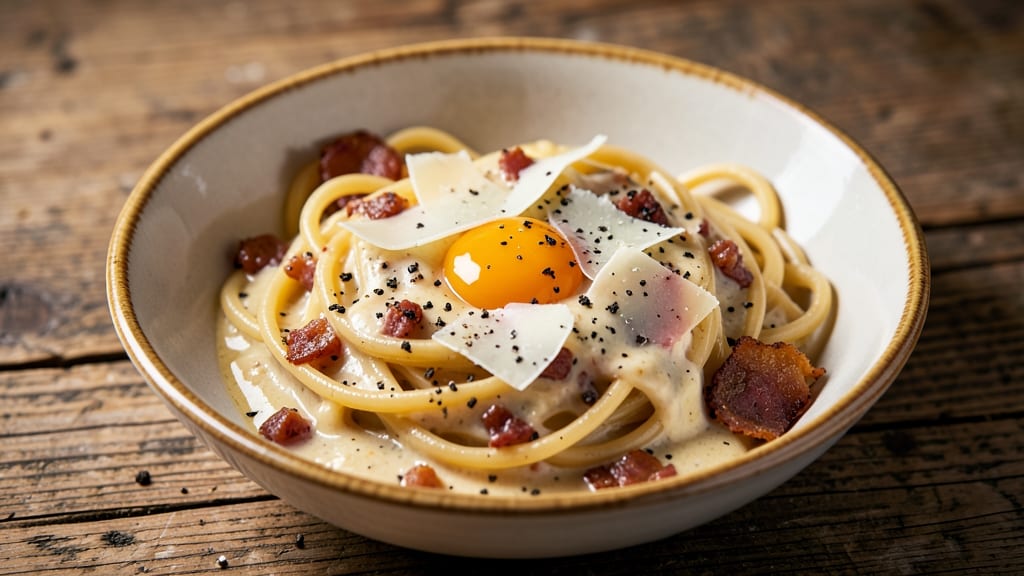
This authentic Italian carbonara sauce recipe delivers the creamy, peppery richness you crave without the heavy guilt—just eggs, Pecorino Romano, guanciale (or pancetta), and black pepper working their magic.
The secret lies in proper emulsification: eggs and cheese tempered with starchy pasta water create a velvety sauce that clings to every strand, not a greasy mess. I’ve perfected this technique after years of testing, ensuring the sauce remains silky-smooth and perfectly balanced.
The magic happens in the timing—off-heat emulsification prevents scrambled eggs while preserving that signature Roman texture. Guanciale (or pancetta) adds deep, savory depth, while freshly cracked black pepper delivers the signature kick. This isn’t your grandmother’s carbonara; it’s a refined, restaurant-quality sauce that transforms simple pasta into something extraordinary.
The result? A sauce so rich it feels decadent, yet light enough to enjoy without regret.
What sets this recipe apart is the precision: no lumps, no oil slick, just a harmonious blend of egg, cheese, and starchy pasta water. The sauce thickens just enough to coat the pasta beautifully, leaving you with al dente strands swimming in a luxurious, pepper-infused emulsion.
Store leftovers in the fridge for up to 3 days, or freeze for later—though I doubt you’ll have any left.
Perfect for weeknight dinners or impressing guests, this carbonara sauce is the heart of any pasta dish. The technique is foolproof once you master the emulsification, and the flavor? Pure, unadulterated Italian comfort. Let’s get cooking—your taste buds will thank you.
Ingredients for authentic italian carbonara sauce
Eight ingredients, perfect balance—this is the heart of authentic Italian carbonara.
| Ingredient | Amount | Notes |
|---|---|---|
| Fresh Egg Yolks 🥚 | 4 whole | Large eggs, room temperature |
| Pecorino Romano Cheese 🧀 | 1 ½ cups | Freshly grated, fine texture |
| Guanciale or Pancetta 🥓 | 6 oz | Diced into 1/4-inch pieces |
| Freshly Ground Black Pepper 🌶️ | 1 ½ tsp | Coarsely cracked, not powdered |
| Extra-Virgin Olive Oil 🫒 | ¼ cup | High-quality, fruity variety |
| Reserved Pasta Water 🍝 | ½ cup | From freshly cooked pasta |
| Salt 🧂 | ½ tsp | Diamond Crystal kosher salt |
| Freshly Cooked Spaghetti 🍝 | 8 oz | Al dente, reserved for sauce |
Pecorino Romano is non-negotiable here—grate it yourself from a wedge for the best texture; pre-grated gets clumpy. Guanciale (cured pork cheek) delivers that authentic Roman depth, but pancetta works in a pinch. Whole Foods or Italian specialty stores carry both, but check the butcher counter for guanciale if you're lucky. Freshly cracked black pepper is essential—no pre-ground powder. For the eggs, room temperature is key; whisk them gently to avoid over-aeration. The pasta water? Save at least 1/2 cup—it’s the emulsifier that makes this sauce magic.
No guanciale? Pancetta or thick-cut bacon in equal amounts, but render the fat first for deeper flavor. Short on Pecorino? Parmigiano-Reggiano at a 1:1 ratio works, though it’s slightly milder. Eggs too rich? Add a splash of pasta water to lighten the texture. Olive oil matters here—avoid cheap varieties that’ll overpower the sauce. The pasta should be al dente; overcooking releases too much starch, which can make the sauce watery. If you’re vegetarian, vegan guanciale and egg substitutes exist, but this isn’t the traditional path.
This sauce is best used immediately, but leftovers keep for 3 days in the fridge—reheat gently with extra pasta water. Freezing isn’t ideal; the emulsion can break. For make-ahead prep, cook the pasta and render the guanciale separately, then assemble everything just before serving. The sauce thickens as it sits, so add pasta water gradually to adjust consistency. Portion into ramekins for individual servings—carbonara is always better fresh, but the leftovers? Still divine.
Why You'll Love This Recipe
- Here’s the thing: this sauce reheats like a dream. Toss it with fresh pasta the next day, and it’s still creamy, still rich—no clumping, no sadness. I keep a jar in the fridge for lazy mornings, and my kids beg for it. (Yes, even on a Tuesday night.)
- No Pasta Fuss: I swear by this method—just toss the guanciale in a pan, let it render its fat, and boom, you’ve got the base. No chopping, no peeling, no waiting for water to boil. The only thing you’re really timing is the eggs, and honestly? That’s the fun part.
- Cheese Love: That Pecorino Romano? It’s the star. Sharp, salty, and melty all at once, clinging to the pasta like it’s never letting go. Between us, I’ve tried Parmigiano—it’s good, but this? This is the flavor. The black pepper? Just a whisper, but it cuts through the richness like a secret handshake.
- Leftovers Lifesaver: Here’s the thing: this sauce reheats like a dream. Toss it with fresh pasta the next day, and it’s still creamy, still rich—no clumping, no sadness. I keep a jar in the fridge for lazy mornings, and my kids beg for it. (Yes, even on a Tuesday night.)
Step-by-step instructions for authentic Italian carbonara sauce
Here's the classic Roman technique that delivers creamy, peppery perfection every time.
Render the Guanciale Until Golden and Crisp
Place the 6 oz of diced guanciale or pancetta in a large skillet over medium heat. Let it cook undisturbed for 5-6 minutes until the fat begins to render and the pieces turn golden brown. This is where the magic starts—those crispy bits will infuse the sauce with incredible depth of flavor.
I stir occasionally after the initial 5 minutes, breaking up any large pieces as they crisp. You're looking for a balance between crispy edges and tender centers. The rendered fat should pool in the pan—this is your sauce foundation. If the guanciale starts to smoke, reduce the heat slightly. Once the fat is shimmering and the guanciale is golden with some crispy edges, it's ready for the next step.
Whisk the Egg-Cheese Mixture to Velvety Perfection
In a medium bowl, combine the 4 whole egg yolks, 1.5 cups of freshly grated Pecorino Romano, and 1.5 teaspoons of coarsely cracked black pepper. Whisk vigorously for about 1 minute until the mixture becomes pale yellow and slightly thickened. This is crucial—you want the eggs to emulsify properly with the cheese.
Real talk: don't rush this step. The texture should be like a thick custard, not runny. I like to use a fork first to break up any cheese lumps, then switch to a whisk for that silky finish. Keep the bowl nearby as you work—you'll need to add this to the pan immediately after removing it from heat.
Cook the Spaghetti Al Dente and Reserve Water
Bring a large pot of well-salted water to a rolling boil. Add the 8 oz of spaghetti and cook until it's 1 minute shy of al dente—this gives it time to finish cooking in the sauce. While the pasta cooks, reserve exactly 0.5 cup of pasta water before draining. This starchy liquid is non-negotiable for the sauce's texture.
I always test the pasta by tasting a piece—it should have a slight bite to it. The pasta water should be cloudy with starch, not clear. Don't rinse the drained pasta—those surface starches are what help the sauce cling beautifully to each strand.
Combine Everything Off Heat for Perfect Emulsification
Remove the skillet with guanciale from heat and immediately add the drained spaghetti. Toss vigorously for about 30 seconds to coat the pasta in the rendered fat. Then add 0.25 cup of extra-virgin olive oil and toss again for another 30 seconds. This step is about building flavor layers.
Now comes the critical moment: add the egg-cheese mixture in a slow, steady stream while tossing the pasta constantly. The residual heat from the pasta will gently cook the eggs into a creamy sauce. If the mixture looks too thick, add reserved pasta water 1 tablespoon at a time until you reach a silky consistency. The sauce should coat the back of a spoon without being too loose.
Finish with Salt and Serve Immediately
Add the 0.5 teaspoon of salt and toss everything together one final time. The sauce should now be glossy with just the right amount of body—creamy but not heavy. Taste and adjust seasoning if needed, adding more black pepper if you prefer it more pronounced.
Here's the thing—carbonara doesn't wait. Serve immediately while the sauce is still warm and silky. The contrast between the crispy guanciale, creamy sauce, and al dente pasta is what makes this dish truly authentic. Each bite should deliver that perfect balance of rich, salty, and peppery flavors that define Roman carbonara.
Pro Tips For Making Authentic Italian Carbonara Sauce
- Crank the Heat High: Guanciale or pancetta won’t render fat properly if you’re shy with the heat—get that pan screaming hot before adding the meat. I used to wimp out at medium, and the result was greasy, undercooked bits that ruined the texture. High heat = crispy edges and golden fat in minutes.
- Grind the Cheese Fresh: Pre-shredded Pecorino Romano turns to paste when mixed with eggs—skip it. Use a microplane or fine grater right before combining with yolks, and adjust the amount as you go. The cheese should dissolve smoothly, not clump like glue.
- Remove Pasta Before It’s Done: Carbonara works best with al dente pasta—pull it out when it’s still firm to the bite (about 1 minute before package time). Tossing it in the sauce while hot will finish cooking it perfectly, and the starches cling better to the eggs instead of turning the sauce into soup.
- Use Cold Yolks, Slowly: Whisk the egg mixture in a separate bowl first, then let the hot pasta cool it down gradually as you add it. I learned this after scrambling eggs straight in the pan—one batch turned into a sad, broken mess. Cold yolks temper better, and the sauce emulsifies like silk.
Troubleshooting this dish
Eggs Scrambling?
If your sauce looks too thick or curdles, you likely cooked the eggs too long. The secret is working off-heat—remove the pan immediately after adding the egg-cheese mixture.
I’ve ruined carbonara this way, but the fix is simple: stir in 1-2 tablespoons of reserved pasta water and return the pan to low heat for 10 seconds max. This re-emulsifies the sauce without scrambling the eggs. 🌡️
Sauce Too Thin?
A watery sauce usually means over-dilution from too much pasta water. Start with just 1 tablespoon at a time and gradually increase. For extra body, whisk in 1 teaspoon of cornstarch mixed with 1 tablespoon cold water and cook for 30 seconds on low heat.
The starch acts as a thickener without altering the authentic texture.
Cheese Clumps?
Pre-grated cheese is the culprit—always grate Pecorino Romano fresh using a microplane or fine grater. For extra smoothness, pulse the cheese in a food processor for 5 seconds before whisking with eggs. If clumps appear, strain the mixture through a fine-mesh sieve before adding to the pasta. 🧀
Guanciale Too Greasy?
If your sauce feels oily, you likely rendered too much fat from the guanciale. For better control, use pancetta instead—it renders less fat. Alternatively, drain excess fat after cooking the guanciale, leaving just enough to coat the pan.
I keep a paper towel handy to blot excess fat if needed.
Pasta Too Dry?
This happens when the sauce isn’t properly emulsified. The fix? Add 2 tablespoons of reserved pasta water and toss vigorously. If the pasta still feels dry, cover the pan for 1 minute to steam the sauce slightly.
For future attempts, ensure your pasta is cooked to 1 minute shy of al dente—it finishes cooking in the sauce.
Pepper Flavor Fading?
Freshly cracked black pepper loses potency when cooked too long. Add the remaining ½ teaspoon of pepper directly to each serving at the table. For extra kick, toast the peppercorns in a dry skillet for 30 seconds before grinding—this intensifies the flavor. 🌶️
Nutrition facts
Frequently asked questions
Why does authentic carbonara use eggs instead of cream?
Traditional Roman carbonara relies on eggs for a lighter, silkier texture that clings beautifully to pasta. Cream wasn't used historically—it makes the sauce heavier and can separate. The eggs emulsify with starchy pasta water and Pecorino Romano to create that signature velvety consistency without adding extra fat.
Can I make carbonara sauce ahead of time?
Fresh is best, but you can prep components separately for 3 days ahead. Cook the pasta, render the guanciale, and whisk the egg-cheese mixture—just assemble everything immediately before serving. For leftovers, store sauce in the fridge for 2-3 days and reheat gently with extra pasta water. Freezing isn't recommended as it can break the emulsion.
What's the difference between carbonara and cacio e pepe?
Both are Roman classics, but carbonara includes guanciale/pancetta and eggs for richness, while cacio e pepe relies solely on Pecorino Romano and black pepper with starchy pasta water. Carbonara is creamier; cacio e pepe is lighter with a sharper pepper kick. The egg-cheese emulsion in carbonara creates its signature velvety texture.
How do I know when the guanciale is cooked perfectly?
Look for golden-brown edges with crispy bits while keeping the center tender. The fat should be shimmering but not smoking. Cook undisturbed for 5-6 minutes first, then stir occasionally. If it smells too strong or darkens too quickly, reduce the heat—it should render slowly, not burn.
Can I substitute pancetta for guanciale?
Yes! Pancetta works well as a substitute, though guanciale has deeper flavor. Use the same amount (6 oz) and render the fat first. For extra flavor, add ½ teaspoon of crushed rosemary to the pancetta while cooking. The texture will be slightly different but still delicious—just expect a milder taste.