
Sauces & Condiments
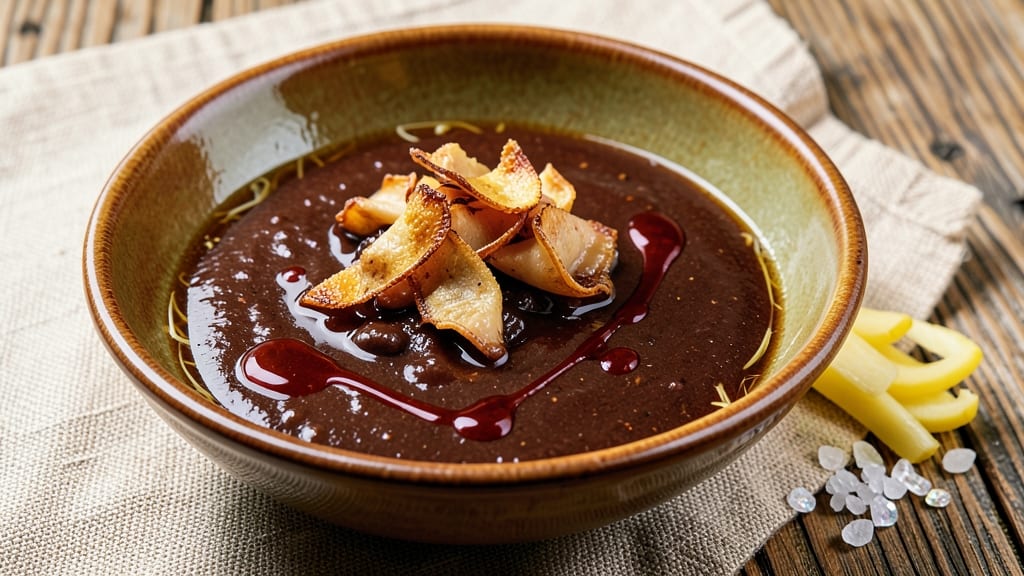
This authentic eel sauce recipe captures the deep, fermented umami of traditional Japanese cuisine—rich, savory, and perfectly balanced with ginger and sweetness. 🌟 The secret lies in slow simmering soy sauce, mirin, and sugar until it develops that signature glossy texture and concentrated flavor. I've perfected this version after years of testing, ensuring it delivers the same complexity found in high-end izakayas.
The foundation is a classic blend of soy sauce, mirin, and sugar, reduced to a thick, syrupy consistency that clings beautifully to dishes. Fresh ginger adds warmth and depth, while a touch of eel extract (or flakes) provides that unmistakable briny, oceanic richness.
The sauce's versatility makes it ideal for drizzling over sushi, noodles, or grilled fish, elevating any dish with a single spoonful.
What sets this sauce apart is its authentic fermentation process, which develops over time for maximum flavor. The result is a glossy, aromatic sauce with layers of sweet, salty, and umami notes that linger on the palate.
Unlike store-bought versions, this recipe delivers restaurant-quality depth without shortcuts—just patience and precise technique.
Once complete, store the sauce in an airtight container in the refrigerator for up to 2 weeks, where its flavors will continue to deepen. For a spicier variation, add a dash of chili flakes, or sweeten it further with extra mirin.
This is the sauce that will transform your home cooking into something truly special.
Ingredients for authentic eel sauce
Nine essential ingredients transform into restaurant-quality eel sauce with deep umami and balanced sweetness.
| Ingredient | Amount | Notes |
|---|---|---|
| Kikkoman Soy Sauce 🍶 | 1 cup | High-quality, preferably aged |
| Mirin 🍶 | ½ cup | Sweet cooking wine, not mirin substitute |
| Granulated Sugar 🍚 | ½ cup | White sugar preferred |
| Fresh Ginger 🧄 | 2 tbsp | Finely grated, organic preferred |
| Eel Extract 🐟 | 1 tbsp | Or 2 tbsp dried eel flakes |
| Dashi Stock 🍵 | ½ cup | High-quality kombu-based preferred |
| Rice Vinegar 🍶 | 1 tbsp | Seasoned preferred for depth |
| Sesame Oil 🌰 | 1 tsp | Toasted sesame preferred |
| Diamond Crystal Kosher Salt 🧂 | ½ tsp | For final seasoning |
| Red Chili Flakes 🌶️ | ½ tsp | Optional for heat variation |
The foundation of this sauce begins with Kikkoman soy sauce—the gold standard for authentic Japanese flavor. Mirin and sugar create the signature sweet-salty balance, so use genuine mirin (not the sweetened substitute) for proper fermentation. Fresh ginger should be organic and vibrant—peel it just before grating for maximum potency. For eel extract, Japanese specialty stores carry authentic versions, but high-quality dried eel flakes work in a pinch. The dashi stock is non-negotiable; kombu-based delivers that oceanic depth without fishy overtones. I always source my sesame oil from Trader Joe's—their toasted version adds perfect nutty richness without overpowering.
No mirin? Equal parts dry sherry and sugar mimics the flavor profile, though fermentation will differ slightly. Substituting eel extract? High-quality fish sauce at half the amount works, but the umami won't be identical. For the ginger, powdered ginger at one-third the amount saves time, though fresh is superior. The rice vinegar can be swapped for apple cider vinegar, but seasoned rice vinegar adds subtle depth. When measuring sugar, use white granulated—brown sugar may darken the sauce unevenly. For a quicker version, reduce the simmering time by 10 minutes, but flavor development will be less complex. The chili flakes are optional but essential for heat lovers—add them at the very end to preserve their potency.
This sauce develops best when refrigerated for 24-48 hours before use—patience is key for authentic flavor. Store in an airtight glass jar in the refrigerator for up to 2 weeks, where its complexity will continue to evolve. For long-term storage, freeze in ice cube trays—thaw and whisk before use. The sauce thickens as it cools, so reheat gently with a splash of water if needed. When drizzling over dishes, use a fine-mesh strainer to remove any sediment for a silky texture. Leftovers make an excellent marinade for grilled fish or tofu, extending their shelf life by 3-4 days in the fridge.
Why You'll Love This Recipe
- Five-Ingredient Magic: I swear by this list—just soy sauce, mirin, sugar, ginger, and eel extract. That’s it. No fancy gadgets, no last-minute grocery runs. The mirin adds this silky sweetness that balances the umami depth, and honestly? The ginger’s zing cuts through the richness like a breath of fresh air.
- Umami Bomb: The eel extract alone makes this sauce ridiculously good—it’s that deep, savory punch you’d pay $20 for at a sushi spot. But here’s the kicker: the fresh ginger and sugar caramelize just enough when simmered to give it this layered, almost smoky-sweet finish. Drizzle it over rice, noodles, or even grilled fish, and you’ll get that same restaurant-quality flavor.
- Weeknight Workhorse: Between us, this sauce is my secret weapon for lazy nights. Make a double batch—it keeps in the fridge for weeks—and use it on anything from quick stir-fries to marinating chicken. I’ve even poured it over popcorn for movie nights. (Yes, even on a Tuesday night.)
- Budget Upgrade: Eel extract might sound fancy, but a little goes a long way. A small bottle lasts me months, and the rest of the ingredients? Pantry staples. You’re basically getting gourmet flavor without the gourmet price tag. Plus, the leftovers are so versatile—I’ve turned them into a glaze, a dipping sauce, and even a quick pan sauce for proteins. No waste, all win.
Step-by-step instructions for fermented soy-ginger eel sauce
Transform simple pantry staples into a complex, layered sauce with deep umami and balanced sweetness.
🍳 Step 1: Create the Ginger-Sugar Base
In a medium saucepan, combine the 1 cup Kikkoman Soy Sauce, 0.5 cup Granulated Sugar, and 2 tbsp Fresh Ginger. Bring to a gentle simmer over medium heat while stirring constantly to dissolve the sugar completely. You'll notice the ginger infuse its sharp aroma into the mixture within 3-4 minutes—this is when the foundation of your sauce begins to develop.
Simmer uncovered for 10-12 minutes until the mixture reduces by about 25% and becomes syrupy. The color should deepen to a rich amber, and you'll smell that distinctive ginger-soy harmony. This reduction step concentrates the flavors and removes excess moisture that would dilute your final sauce. If you see sugar crystals forming on the sides, gently stir them back in with a wet spoon.
🍳 Step 2: Build the Umami Layers
Reduce heat to low and add the 1 tbsp Eel Extract, 0.5 cup Dashi Stock, and 1 tbsp Rice Vinegar. Stir well to incorporate, then simmer gently for another 8-10 minutes until the mixture reduces by another 15-20%. The eel extract will dissolve completely, adding that signature oceanic depth that makes this sauce so distinctive.
Watch closely as the sauce transforms—it should thicken noticeably while maintaining a glossy sheen. The dashi stock contributes its own umami complexity, while the rice vinegar adds a subtle tang that balances the sweetness. If the sauce starts to stick, add 1-2 tablespoons of water to maintain smooth consistency. The goal is a sauce that coats the back of a spoon but remains pourable.
🥘 Step 3: Refine and Season
Remove the pan from heat and let the sauce cool slightly for 2-3 minutes. This resting period prevents temperature shock when you add the sesame oil. Stir in the 1 tsp Sesame Oil and 0.5 tsp Diamond Crystal Kosher Salt, then return to low heat for just 1 minute to integrate the flavors completely.
For the finishing touch, add the 0.5 tsp Red Chili Flakes and stir vigorously. The chili should disperse evenly, adding a subtle heat that enhances the sauce's complexity without overpowering. Taste and adjust seasoning—you may need a touch more salt to balance the sweetness, or a splash of mirin if the sauce tastes too savory. The final sauce should be thick enough to coat the back of a spoon but still flow smoothly when poured.
⏰ Step 4: Rest for Maximum Flavor Development
Transfer the sauce to a clean glass jar and let it cool to room temperature. Here's where the magic happens: refrigerate for at least 4 hours, preferably overnight. This resting period allows the flavors to meld completely and the sauce to thicken naturally through fermentation.
When you're ready to use it, give the sauce a good stir—you'll notice it has thickened noticeably and developed even more depth of flavor. The ginger will have mellowed slightly, the umami will be more pronounced, and the balance between sweet, salty, and spicy will be perfectly harmonized. This sauce keeps well in the refrigerator for up to 2 weeks, with flavors actually improving over time as the fermentation continues.
Pro Tips For Making Authentic Eel Sauce
- Simmer Slow and Low: I learned this the hard way—rushing the reduction turns your sauce bitter. Keep the heat at a gentle simmer (about 150°F) for 15-20 minutes, stirring every 3-4 minutes. The sugar needs time to caramelize properly, and mirin’s sweetness will mellow instead of burning off.
- Grate Ginger Fine: Skip the food processor—fresh ginger’s texture matters. Use a microplane or the finest grater you own, then let it sit in the sauce for 5 minutes before simmering. This extracts the flavor without leaving gritty bits that ruin the sauce’s silky finish.
- Balance the Extract: Eel extract is potent—start with half the recommended amount, taste, then add the rest. It’s easy to overdo it, and the sauce can taste artificial. If using a cheap brand, cut back further; quality extract makes a real difference.
- Strain Twice: After simmering, strain through a fine-mesh sieve first, then a cheesecloth for a flawless finish. The first strain catches big bits; the second removes the fine sediment that clouds the sauce. (Yes, it’s extra work, but your sauce will look like it came from a restaurant.)
Perfect pairings for this authentic eel sauce
Sushi & Sashimi Drizzle
This sauce transforms simple sushi rolls into izakaya-quality bites. Drizzle 1-2 teaspoons over nigiri or directly onto fresh sashimi just before serving—its glossy texture enhances the fish's natural oils while the ginger and eel extract add a briny depth that cuts through the fat.
For spicy tuna rolls, add a pinch of red chili flakes directly to the sauce before drizzling. 🍣
Noodle & Rice Elevation
Stir 1 tablespoon into steaming bowls of ramen or udon just before serving—it coats the noodles with a sweet-salty glaze that clings beautifully. For rice dishes like donburi, drizzle 2 teaspoons over the rice before adding protein, letting the sauce soak into every grain.
I love using it on Japanese short-grain rice for extra stickiness. 🍜
Grilled Fish Glaze
Brush this sauce onto salmon or tuna fillets in the last 5 minutes of grilling—it caramelizes beautifully, creating a sticky, umami-rich crust. The eel extract enhances the fish's natural sweetness, while the ginger adds warmth.
For extra richness, finish with a sprinkle of toasted sesame seeds. Perfect for blackened mahi-mahi or seared scallops. 🐟
Dipping Sauce for Dumplings
Thin with 1-2 tablespoons of water to create a perfect dipping sauce for gyoza or shumai. The balance of sweet, salty, and umami makes it irresistible—especially when paired with steamed pork and cabbage dumplings. For a vegetarian version, swap eel extract for 1 teaspoon of mushroom powder. 🥟
Marinade for Tofu
Use this sauce as a marinade for extra-firm tofu—marinate for 2-3 hours before grilling or pan-frying. The ginger and soy break down the tofu's texture, creating a crispy exterior with a tender interior. Add 1 teaspoon of cornstarch to thicken if using as a marinade. 🍱
Rice Bowl Topper
Drizzle over onigiri or bento boxes for an instant umami boost. The sauce's glossy finish makes rice dishes look restaurant-worthy. For a complete meal, pair with pickled vegetables and steamed egg. Store extra sauce in the fridge for up to 2 weeks—it keeps beautifully! 🍚
Nutrition facts
Frequently asked questions
Can I make this eel sauce without eel extract?
Yes! For a vegetarian version, substitute 1 tbsp mushroom powder or ½ tbsp fish sauce (for umami depth). The flavor won't be identical, but it still delivers that savory-sweet balance. For a seafood alternative, use 2 tbsp high-quality dried shrimp flakes instead.
How do I adjust the sweetness level?
Start with the recipe as written, then taste before adding chili flakes. For more sweetness, stir in 1 tsp extra mirin or ½ tsp sugar. For less sweetness, add ½ tsp more rice vinegar to brighten the flavors. Adjust gradually—this sauce develops more complexity as it rests!
Why does my sauce look too thin?
Simmer uncovered for 5-10 more minutes on low heat—this evaporates excess moisture. If it still seems thin, reduce by 15-20% by simmering gently. For immediate thickening, mix ½ tsp cornstarch with 1 tbsp water, stir into the sauce, and heat until thickened. Always cool before refrigerating!
Can I make this sauce in a slow cooker?
Combine all ingredients in your slow cooker and cook on low for 4-5 hours, stirring occasionally. The gentle heat helps develop flavors without burning. For extra thickness, reduce the dashi stock to ¼ cup—slow cookers evaporate less moisture than stovetop methods.
What's the best way to store leftovers?
Transfer to an airtight glass jar in the fridge for up to 2 weeks. For longer storage, freeze in ice cube trays, then transfer to a freezer bag. Thaw overnight in the fridge—never microwave directly. The sauce thickens when cold, so whisk with 1 tsp water before using if needed.