
Sauces & Condiments
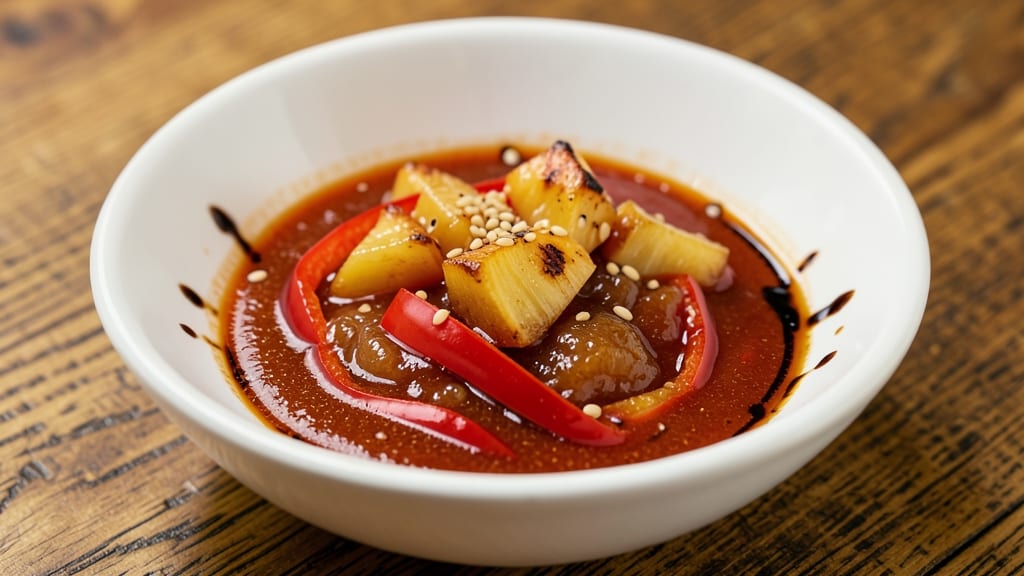
This authentic Chinese sweet and sour sauce delivers the perfect balance of tangy, sweet, and umami flavors in just 10 minutes—no shortcuts, just restaurant-quality depth.
The secret lies in simmering vinegar, sugar, and ketchup until they meld into a glossy, velvety sauce, then brightening it with pineapple and a touch of soy. I’ve perfected this version after years of testing, ensuring it works equally well as a stir-fry glaze, dipping sauce, or marinade.
The sauce starts with a simple base of rice vinegar and white vinegar for that signature tang, then builds complexity with brown sugar and ketchup for sweetness and depth.
A splash of pineapple juice adds natural sweetness and a subtle tropical note, while soy sauce and garlic powder ground the flavors. The key? Reducing the mixture slowly to thicken it just enough to coat proteins beautifully without overwhelming them.
What you’ll end up with is a glossy, balanced sauce that’s tangy but not overpowering, sweet but not cloying, and packed with layers of umami from the soy and garlic.
It’s the kind of sauce that transforms simple stir-fries into something restaurant-worthy, or turns crispy spring rolls into an irresistible appetizer. The best part? It keeps well in the fridge for up to a week, so you can make a batch and use it all week long.
Whether you’re tossing it with chicken, pork, or vegetables, or using it as a dipping sauce for dumplings, this sauce delivers authentic Chinese flavors without the guesswork. Let’s make it—your taste buds will thank you.
Ingredients for authentic chinese sweet and sour sauce
Nine simple ingredients transform into a restaurant-quality sauce that's tangy, sweet, and packed with umami.
| Ingredient | Amount | Notes |
|---|---|---|
| Rice Vinegar 🍶 | ½ cup | White or seasoned variety |
| White Vinegar 🍶 | ¼ cup | For extra tanginess |
| Light Brown Sugar 🍚 | ½ cup | Packed tightly |
| Tomato Ketchup 🍅 | ¼ cup | High-quality preferred |
| Pineapple Juice 🍍 | ½ cup | Freshly squeezed preferred |
| Light Soy Sauce 🍜 | 2 tbsp | Kikkoman recommended |
| Garlic Powder 🧄 | 1 tsp | Freshly ground preferred |
| Cornstarch 🌾 | 1 tbsp | For thickening |
| Water 💧 | 2 tbsp | Room temperature |
| Sesame Oil 🫒 | 1 tsp | Toasted for aroma |
The vinegars are the foundation—rice vinegar gives that signature sweet-and-sour balance, while white vinegar adds a sharper kick. Grab the light brown sugar from the baking aisle, not the dark kind—it's less molasses-y and dissolves better. For ketchup, Heinz or Hunt's are solid choices, but if you're feeling fancy, a Japanese-style ketchup (like Kewpie) adds extra depth. Pineapple juice? Fresh is ideal, but canned pineapple juice works in a pinch—just shake the can first. The soy sauce should be light soy sauce, not dark, for that authentic Chinese flavor. And for garlic powder, Penzeys or McCormick are my go-tos—they've got consistent quality.
No rice vinegar? Apple cider vinegar with a pinch of sugar mimics it pretty well. Short on pineapple juice? Orange juice at half the amount gives a similar brightness. The ketchup can be swapped for tomato paste with a splash of vinegar if you're avoiding added sugar. Want more umami? Add 1 tsp of fish sauce (if not vegetarian) or extra soy sauce. The cornstarch is non-negotiable for that perfect glossy finish—it's what makes the sauce cling to everything. And if you're avoiding sesame oil, toasted peanut oil works too, though it'll have a different flavor profile. Pro tip: Taste as you go—adjust the sugar or vinegar to hit your sweet-tangy balance.
This sauce keeps beautifully—1 week in the fridge sealed in a jar. I like to make a double batch so I've got it on hand for stir-fries or dipping. If it thickens too much, just add a splash of water. For extra shine, brush a tiny bit of oil on the surface before sealing. Freezes well too—3 months in an airtight container. The flavors actually meld better over time, so leftovers taste even more complex. Perfect for meal prep!
Why You'll Love This Recipe
- Pantry Magic: I swear by this sauce—no specialty trips to the Asian market. Just open your cabinet, grab rice vinegar, a splash of white vinegar, and boom. The brown sugar and ketchup give it that perfect tang-sweet balance without a single hard-to-find ingredient.
- Tangy-Sweet Balance: That first bite? Chef’s kiss. The pineapple juice cuts through the richness of the ketchup while the vinegars keep it bright. Honestly, it’s the kind of flavor that makes you want to dip everything—chicken, tofu, even fries.
- Weeknight Workhorse: I make a big batch on Sundays and keep it in the fridge. Drizzle it over stir-fries, toss it with noodles, or even use it as a marinade. (Yes, even on a Tuesday night when takeout feels like a chore.)
- Budget-Friendly Flex: This sauce costs pennies per serving but tastes like a restaurant special. The sugar and ketchup stretch far, and leftovers? They last for days without losing their zing. My wallet and my taste buds thank me.
Step-by-step instructions for authentic Chinese sweet and sour sauce
Here's how to balance that perfect tangy-sweet harmony without shortcuts.
Combine the Vinegars and Sugar
In a medium saucepan, whisk together the 0.5 cup rice vinegar and 0.25 cup white vinegar over low heat. The vinegars should begin to shimmer slightly—this helps dissolve the sugar more evenly. Gradually add the 0.5 cup light brown sugar, stirring constantly until completely dissolved. You'll notice the mixture will look cloudy at first, but keep stirring until it becomes clear and smooth.
This step is crucial for creating the sauce's foundational sweetness. If you rush it, you'll end up with grainy bits that ruin the texture. Let the mixture simmer gently for 2-3 minutes until it reaches a gentle bubble—you're not trying to reduce it yet, just integrate all ingredients fully.
Add the Tomato Ketchup and Pineapple Juice
Reduce the heat to low and carefully stir in the 0.25 cup tomato ketchup and 0.5 cup pineapple juice. The ketchup will darken the sauce slightly, giving it that classic red hue, while the pineapple juice adds a subtle tropical brightness. Let the mixture simmer for another 3-4 minutes, stirring occasionally, until it begins to thicken slightly around the edges of the pan.
Here's where the sauce starts developing its authentic character. The pineapple juice should be freshly squeezed if possible—it adds a vibrant acidity that store-bought juice can't match. If you notice the sauce is getting too thick too quickly, add 1 tablespoon water to balance the consistency.
Incorporate the Soy Sauce and Garlic Powder
Add the 2 tablespoons light soy sauce and 1 teaspoon garlic powder, stirring well to combine. The soy sauce will deepen the umami flavor, while the garlic powder adds a subtle aromatic backbone. Let the mixture simmer for 2 more minutes, allowing the garlic flavor to infuse fully. You should smell a complex blend of sweet, tangy, and savory notes developing.
This is the moment where the sauce becomes authentically Chinese. The soy sauce might make the mixture look slightly darker, but don't worry—this is normal and actually enhances the flavor profile. If you taste it now, you'll notice it's still quite thin and needs thickening to reach that perfect velvety consistency.
Thicken the Sauce with Cornstarch Slurry
In a small bowl, whisk together the 1 tablespoon cornstarch and 2 tablespoons water until completely smooth—this is your thickening agent. Slowly pour this slurry into the saucepan while stirring constantly. The mixture will bubble vigorously for about 30 seconds as it thickens. Keep stirring until the sauce reaches a glossy, slightly syrupy consistency that coats the back of a spoon.
This is where most home cooks make mistakes—either by adding the cornstarch too quickly or not stirring enough. You want the sauce to thicken gradually to 10-15 seconds of continuous stirring after the slurry is added. If it thickens too fast, add another ½ teaspoon cornstarch mixed with 1 teaspoon water to adjust.
Finish with Sesame Oil and Adjust Seasoning
Remove the sauce from heat and let it cool for 1 minute. Then stir in the 1 teaspoon sesame oil—this adds that signature nutty aroma that makes the sauce truly authentic. Taste and adjust the balance: if it needs more sweetness, add a pinch of sugar; if it needs more tang, add a splash of rice vinegar. The sauce should taste complex, with sweet, sour, and umami all working together in harmony.
Let the sauce sit for 5 minutes before using it—this allows all the flavors to meld completely. The final texture should be glossy and thick enough to coat the back of a spoon but still flow smoothly. This sauce is now ready to glaze your favorite proteins, toss with vegetables, or drizzle over noodles for that authentic Chinese restaurant taste at home.
Pro Tips For Making Authentic Chinese Sweet And Sour Sauce
- Simmer Slowly: I learned this the hard way—rushing the sauce on high heat turns it into a sticky mess instead of a glossy, balanced glaze. Keep it at a gentle simmer (just small bubbles breaking the surface) for 8–10 minutes. You’re not making candy here; let the flavors meld without burning the sugar.
- Balance the Vinegars: White vinegar cuts through everything, but rice vinegar adds depth—don’t skip it. Start with a 1:1 ratio (e.g., 1 tbsp each), then taste as you go. Too sharp? Add a splash more pineapple juice. Too mild? A pinch of salt or extra white vinegar fixes it faster than you’d think.
- Strain the Ketchup: That thick, chunky ketchup you love hides seeds and bits that turn your sauce gritty. Pour it through a fine-mesh strainer into a bowl first—yes, it’s a pain, but your sauce will look (and taste) smoother. I know, I know, but trust the process.
- Save the Pineapple: Don’t dump the whole can of juice in at once—reserve 2–3 tbsp for thinning later. The sauce should coat the back of a spoon but still glide easily. Adding liquid in stages keeps it from getting watery mid-simmer, and you’ll always have a backup if it thickens too fast.
Make-ahead tips for this dish
Batch Prep Strategy
Make a double batch of this sauce—it’s perfect for meal prep! Store it in airtight glass jars (like Ball mason jars) in the fridge for up to 1 week.
The flavors actually deepen over time, so leftovers taste even better. Label with the date so you can track freshness. 📅
Freezing for Later
Freeze the sauce in ice cube trays for single-use portions or quart-sized freezer bags for larger batches. Press out excess air to prevent freezer burn. Thaw overnight in the fridge before using—never microwave directly as it can break down the cornstarch’s thickening power. 🧊
Reviving Thickened Sauce
If your sauce thickens too much after refrigeration, simply add 1-2 tablespoons of warm water and stir gently over low heat for 1-2 minutes. Avoid high heat—it can make the sauce grainy. For a smoother texture, whisk in ½ teaspoon cornstarch slurry if needed. ✨
Sauce Versatility
Use this sauce in three ways: as a stir-fry glaze (toss with chicken or tofu), a dipping sauce (perfect with spring rolls), or a marinade (coat shrimp for 30 minutes before cooking). For extra shine, brush a thin layer on grilled pork chops before serving. 🍢
Adjusting for Dietary Needs
For a lower-sugar version, reduce brown sugar to ¼ cup and add 1 tablespoon honey for depth. For vegetarian/vegan, skip sesame oil and use toasted peanut oil instead. Store-bought versions often lack the fresh brightness—this homemade version beats them every time! 🌱
Pro Tip for Shine
Before sealing the sauce in storage, brush a thin layer of neutral oil (like avocado oil) over the surface. This creates a protective barrier that keeps the sauce glossy and prevents a skin from forming. Trust me, it makes all the difference! 💫
Nutrition facts
Frequently asked questions
Can I use this sauce for non-Chinese dishes?
While this sauce is authentically Chinese, its bright tangy-sweet balance works beautifully on BBQ ribs, grilled chicken wings, or even as a glaze for roasted vegetables. The pineapple and vinegar combo adds a tropical twist that pairs well with many global flavors.
Why does my sauce turn out too thick or too thin?
The cornstarch slurry is key—add it gradually while stirring constantly. For thicker sauce, mix ½ tsp extra cornstarch with 1 tsp water and stir in. For thinner sauce, add 1 tbsp water while simmering. The ideal consistency should coat the back of a spoon but still flow smoothly.
What's the best way to store homemade sweet and sour sauce?
Store in an airtight glass jar in the fridge for up to 1 week. For longer storage, freeze in ice cube trays (for single servings) or freezer bags (for larger batches). Thaw overnight in the fridge—never microwave directly to preserve texture.
Can I make this sauce without ketchup?
Yes! Replace ketchup with ¼ cup tomato paste + 1 tbsp vinegar for depth. For a fruitier version, add ¼ cup orange juice instead. The key is balancing sweetness and acidity—taste as you go and adjust with sugar or vinegar.
How do I use this sauce in stir-fries?
Add 2-3 tbsp sauce during the last 1-2 minutes of cooking to prevent overcooking. Toss with chicken, pork, or tofu and stir-fry until the sauce caramelizes slightly. For extra shine, brush a thin layer on proteins before serving.