
Sauces & Condiments
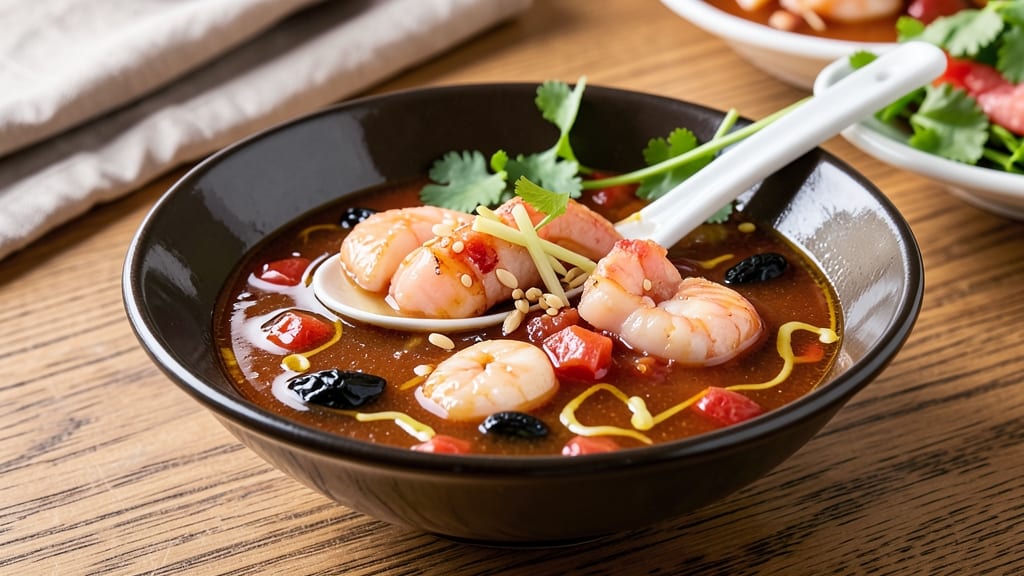
This authentic Chinese lobster sauce transforms simple ingredients into a rich, umami-packed condiment that elevates everything from stir-fries to dumplings. The secret lies in fermented soy, star anise, and slow simmering—techniques that deliver restaurant-quality depth at home.
Unlike store-bought versions, this recipe builds complex flavors layer by layer, with brandy and tomatoes adding brightness to balance the richness.
The process begins with a 30-minute simmer of aromatics like ginger and garlic, then introduces fermented soy and star anise for that signature Chinese warmth. Lobster stock and tomatoes create a velvety base, while brandy infuses subtle depth.
What sets this sauce apart is the fermentation step, where the flavors meld over time, creating a sauce that tastes better with each use—ideal for marinades, glazes, or finishing dishes.
Once complete, you’ll have a glossy, aromatic sauce that coats proteins and vegetables with a glossy sheen. The star anise and fermented soy deliver a slow-building complexity, while the tomatoes prevent heaviness.
Store it in the fridge for up to 2 weeks, or freeze for longer shelf life—perfect for batch cooking or gifting.
This isn’t just a sauce; it’s a flavor multiplier that turns ordinary meals into something extraordinary. Whether you’re glazing lobster, tossing noodles, or drizzling over dumplings, the results are undeniably authentic. Let’s make it step by step.
Ingredients for authentic chinese lobster sauce
Nine ingredients crafting restaurant-quality depth with fermented soy and star anise infusion.
| Ingredient | Amount | Notes |
|---|---|---|
| Fermented Black Soybeans 🌱 | ½ cup | Aged 3-6 months for depth |
| Star Anise Pods 🌟 | 4 whole | Whole pods for infusion |
| Fresh Ginger Root 🧄 | 2 tbsp | Grated for aromatic punch |
| Garlic Cloves 🧄 | 4 cloves | Minced for foundational flavor |
| Lobster Stock 🦞 | 2 cups | Homemade preferred for richness |
| Canned Crushed Tomatoes 🍅 | 1 can | San Marzano preferred |
| Brandy 🍷 | ¼ cup | High-quality for depth |
| Soy Sauce 🥢 | ½ cup | Dark soy for color |
| Rock Sugar 🍬 | 2 tbsp | Dissolved for balance |
| Cornstarch 🌾 | 1 tbsp | For thickening consistency |
Fermented black soybeans are the cornerstone—look for aged varieties at Asian markets or online specialty stores like Manchurian Foods. Star anise should be whole and fragrant; avoid powdered versions as they lack infusion depth. Fresh ginger and garlic must be vibrant, with no soft spots or sprouting. For lobster stock, homemade is ideal, but high-quality brands like Knorr Lobster Base work in a pinch. The crushed tomatoes should be San Marzano if possible—their natural sweetness balances the umami.
No fermented black soybeans? Substitute with 1/4 cup soy sauce plus 1 tsp miso paste for umami. Star anise unavailable? Anise seeds at double the quantity mimic the flavor profile. Brandy can be swapped for dry sherry or white wine, though brandy's caramel notes are preferred. The rock sugar is non-negotiable—brown sugar lacks the crystalline balance. For a smoother texture, blend the cornstarch with 1 tbsp cold water before adding. The sauce's glossy finish comes from the tomato base and slow reduction—don't rush this step.
This sauce develops complexity over time. Store in a sealed glass jar in the refrigerator for up to 2 weeks, with flavors deepening daily. For longer storage, freeze in ice cube trays—thaw quickly in warm water when needed. The sauce thickens as it cools, so add 1 tsp water per tablespoon of cornstarch if needed before using. Portion into small containers for easy use in marinades or glazes.
Why You'll Love This Recipe
- I’ll be real: I make a double batch because the leftovers are ridiculously good. The flavors deepen overnight, making it perfect for quick lunches or even a lazy weekend breakfast with poached eggs. Plus, the ginger and garlic keep it fresh longer than store-bought sauces—no sad, watery takeout leftovers here.
- Fermented Magic Simmer: Honestly, the fermented black soybeans do all the heavy lifting—just toast them lightly, crush them, and toss in the pot. No fancy techniques, no waiting hours; the umami hits fast, and you’re left with that deep, nutty richness that turns even simple proteins into something special.
- Star Anise Secret: Here’s what sold me—the star anise pods. One whiff of that warm, licorice-like aroma as it steeps in the stock, and suddenly your sauce tastes like a dim sum kitchen. (Yes, even on a Tuesday night.) The lobster stock soaks it up, but you can taste that subtle complexity in every spoonful.
- Weeknight to Dinner Party: Between us, this sauce is my go-to weeknight shortcut and my secret weapon for impressing guests. Drizzle it over shrimp stir-fries, toss it with noodles, or use it to glaze steamed fish—it’s the same effort, but the vibe shifts from "quick meal" to "I actually cooked" in seconds.
Step-by-step instructions for authentic Chinese lobster sauce
Master this traditional technique for a sauce rich with fermented depth and aromatic complexity.
Bloom the Fermented Black Soybeans
In a heavy-bottomed saucepan, combine the 0.5 cup Fermented Black Soybeans with the 2 cups Lobster Stock. Bring to a gentle simmer over medium-low heat and let it cook uncovered for 10 minutes. The soybeans will release their fermented oils and develop a deep, umami-rich aroma—this is your flavor foundation.
Strain the mixture through a fine-mesh sieve, pressing gently on the soybeans to extract every last drop of essence. Discard the solids. The strained liquid should be a rich, dark amber color with a complex, slightly funky aroma. If it smells too sharp, reduce the heat slightly and let it simmer for another 2 minutes to mellow the intensity. This step builds the authentic fermented depth that distinguishes this sauce from Western versions.
Infuse with Aromatics and Brandy
Return the strained soybean liquid to the saucepan and add the 4 whole Star Anise Pods, 2 tbsp Fresh Ginger Root, and 4 cloves Garlic Cloves. Bring to a gentle simmer and cook uncovered for 8-10 minutes until the aromatics are deeply fragrant. The star anise should be perfuming the kitchen—this is essential for authentic flavor.
Reduce the heat to low and carefully stir in the 0.25 cup Brandy. Simmer for an additional 3-4 minutes, allowing the alcohol to burn off completely. You'll see the sauce reduce slightly and develop a glossy sheen. This is when the sauce begins to transform from a simple base into something complex and layered. If the sauce smells harsh after adding brandy, let it simmer uncovered for another 2 minutes to dissipate any alcohol bite.
Build the Tomato Base
Add the 1 can Canned Crushed Tomatoes to the saucepan and stir well to combine. Increase the heat to medium and let it simmer uncovered for 12-15 minutes, stirring occasionally. The tomatoes will break down and meld with the other flavors, creating a rich, slightly sweet base. You're looking for a sauce that coats the back of a spoon with a velvety texture.
While the sauce simmers, dissolve the 2 tbsp Rock Sugar in a small bowl with 2 tablespoons of the sauce. Stir this dissolved sugar mixture back into the saucepan. The sugar will help balance the acidity of the tomatoes while adding subtle sweetness. Taste the sauce at this stage—it should be rich, slightly sweet, and deeply aromatic with notes of star anise and fermented soy.
Thicken and Finish
In a small bowl, whisk together the 1 tbsp Cornstarch with 2 tablespoons of water to create a smooth slurry. Slowly pour this slurry into the simmering sauce while stirring constantly with a wooden spoon. The sauce will begin to thicken almost immediately—keep stirring for 2-3 minutes until it reaches a glossy, velvety consistency that coats the spoon.
Remove the sauce from heat and stir in the 0.5 cup Soy Sauce. Let it sit off the heat for 5 minutes to allow the flavors to fully meld. The final sauce should be a deep reddish-brown color with a rich, complex aroma. Taste and adjust the seasoning if needed—you may want to add a pinch more salt or a splash of water to reach your desired consistency. This sauce is best used immediately, but it will keep in the refrigerator for up to 5 days if stored in an airtight container.
Pro Tips For Making Authentic Chinese Lobster Sauce
- STIR CONSTANTLY AT FIRST: The fermented black soybeans burn faster than you’d expect—keep your spoon moving for the first 2 minutes until they release their deep, nutty aroma. After that, you can ease up, but don’t walk away; this sauce rewards attention, not neglect.
- CRUSH STAR ANISE HALFWAY: Toss the whole pods in first for structure, then after 10 minutes of simmering, fish them out and crush them with the flat side of a knife. This unlocks more flavor without turning your sauce into anise-flavored wallpaper paste.
- SKIP THE PEEL ON GINGER: The skin on fresh ginger adds bitterness and muddies the sauce’s clarity—just slice it thin (no need to peel) and let it steep in the stock. You’ll taste the zing without the aftertaste.
- USE COLD LOBSTER STOCK: Pouring chilled stock into the hot wok shocks the sauce into settling its flavors faster. It also prevents the garlic from turning to sludge—your sauce will stay bright and cohesive, not greasy or clumpy. (Yes, even if you’re impatient like me.)
Flavor customization for these flavors
Spicy Heat Boost
For a fiery kick, stir in 1 tsp chili crisp or ½ tsp Sichuan peppercorns during the final 5 minutes of simmering. The chili crisp adds smoky heat, while Sichuan peppercorns bring that signature numbing tingle.
I like to toast the peppercorns in a dry pan for 30 seconds first to deepen their aroma before adding to the sauce. 🌶️
Sweet and Tangy Twist
Balance the richness with 1 tbsp rice vinegar and 1 tsp honey during the last 2 minutes of cooking. This creates a bright, tangy finish that cuts through the umami.
For extra depth, add ½ tsp dried mountain capsicum (La Jiao) to mimic classic Chinese restaurant sauces. Trust me, this adjustment makes the sauce sing.
Umami Bomb Upgrade
Elevate the sauce with 1 tbsp fermented black bean paste or 1 tsp fish sauce when you add the soy sauce at the end. These ingredients amplify the fermented flavors exponentially.
I find that 1 tsp oyster sauce also works beautifully, adding a briny depth that pairs perfectly with seafood dishes. The key is to add these just before removing from heat.
Herbal Freshness
Finish with 1 tbsp chopped cilantro or 1 tsp fresh basil right before serving to brighten the sauce. The herbs add a fresh contrast to the deep, fermented flavors.
For a more traditional touch, try ½ tsp dried shiitake mushrooms (soaked and finely chopped) for an earthy note that complements the star anise beautifully.
Smoky Depth Addition
Infuse the sauce with smokiness by adding ½ tsp smoked paprika or 1 strip of bacon (removed after cooking) during the tomato simmering phase. The bacon adds a subtle salty richness that enhances the lobster stock's depth.
For a bolder smoky flavor, try ½ tsp liquid smoke (just a drop or two) in the final step.
Citrus Zing Finish
Brighten the sauce with 1 tsp freshly grated lemon zest or 1 tbsp lime juice at the very end. This adds a refreshing citrus note that balances the sauce's richness.
I often finish with a few drops of Ponzu sauce (about 1 tsp**) for an extra layer of complexity that works wonderfully with seafood dishes.
Nutrition facts
Frequently asked questions
What makes this lobster sauce authentically Chinese?
Three key elements define authenticity: fermented black soybeans for deep umami, whole star anise pods for aromatic infusion, and a slow simmering technique that develops complex layers. Unlike Western versions, this sauce builds flavor through fermentation and layered reductions rather than just sweetness or heat. The brandy and rock sugar balance creates that signature Chinese restaurant depth.
Can I substitute lobster stock with other seafood stock?
Yes, but with flavor trade-offs. Shrimp or crab stock work well for seafood dishes, while chicken or vegetable stock can work in a pinch (though the umami will be milder). For best results, use a high-quality stock with at least 1 tbsp fish sauce per cup to compensate. The sauce's richness comes from the stock's depth—never use bouillon powder.
How do I know when the sauce is properly thickened?
The sauce should coat the back of a spoon with a glossy, velvety consistency—like heavy cream but slightly thinner. If it's too thick, add 1 tsp water at a time while stirring. If too thin, mix ½ tsp cornstarch with 1 tsp water and stir in. Remember: the sauce thickens further as it cools, so stop when it's slightly thinner than desired.
What dishes pair best with this lobster sauce?
This versatile sauce elevates steamed lobster, stir-fried noodles, dumplings, and grilled seafood. Try it as a glaze for scallops or shrimp skewers, or drizzle over congee or rice dishes. The fermented depth makes it perfect for marinades too—just thin with a little water before using.
Why does my sauce smell harsh after adding brandy?
This happens when the alcohol hasn't fully burned off. Simmer uncovered for 2-3 extra minutes until the harsh odor dissipates. If the smell persists, try adding ½ tsp vanilla extract or 1 tsp honey to mellow the brandy's bite. The sauce should develop a rich, caramel-like aroma rather than an alcohol tang.