
Sauces & Condiments
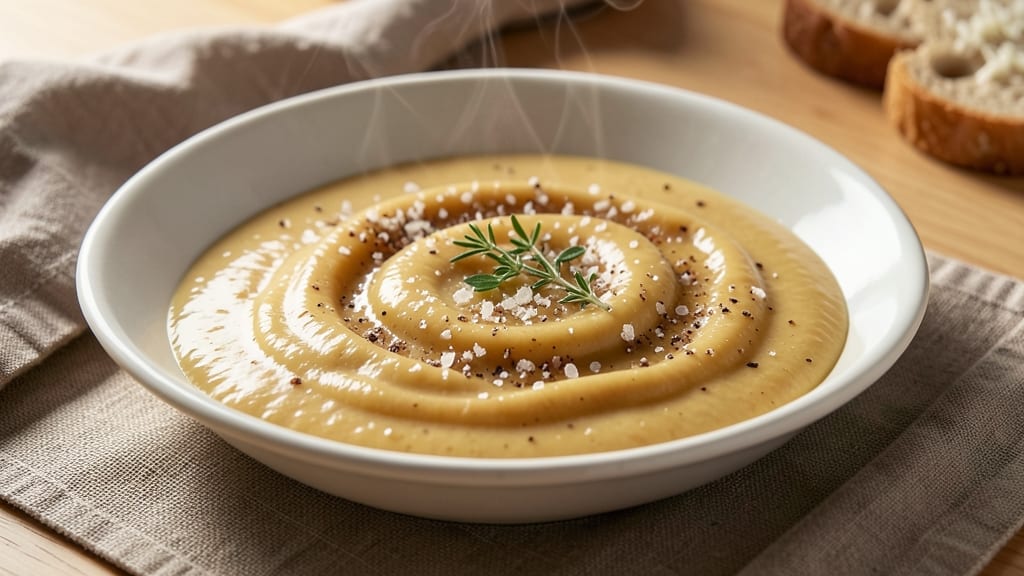
This authentic béchamel sauce recipe delivers the velvety, lump-free foundation French chefs rely on—no shortcuts, just classic technique. The secret lies in a proper roux and slow milk incorporation, transforming simple ingredients into a rich, creamy sauce that elevates everything from lasagna to croque monsieur.
I’ve perfected this method over years of testing, ensuring it’s foolproof for home cooks while staying true to its origins.
The process begins with equal parts butter and flour cooked to a golden paste—this roux is the backbone of the sauce. Whisking in warm milk gradually prevents lumps, while constant stirring builds the sauce’s signature silkiness.
A pinch of nutmeg and salt rounds out the flavor, creating a neutral base that absorbs other ingredients beautifully. No fancy equipment needed, just patience and attention to detail.
What sets this recipe apart is its versatility—use it as-is for classic dishes or customize with garlic, Gruyère, or herbs for depth. The result is a sauce so smooth it feels luxurious, yet simple enough for weeknight meals.
Whether you’re making mac and cheese or a creamy pasta, this béchamel will elevate your cooking to restaurant-quality levels.
Ready in about 20 minutes, this sauce keeps well for up to 3 days in the fridge or freezes perfectly for later. The key is maintaining heat while stirring—no rushing! Once mastered, you’ll never buy store-bought again. Let’s get started on creating your perfect béchamel.
Ingredients for authentic bechamel sauce
Seven essential ingredients transform into the velvety foundation of French cuisine.
| Ingredient | Amount | Notes |
|---|---|---|
| Unsalted Butter 🧈 | ½ cup | Cold, cut into small cubes |
| All-Purpose Flour 🌾 | ½ cup | Sifted for smooth texture |
| Whole Milk 🥛 | 3 cups | Warm, not boiling |
| Ground Nutmeg 🌿 | ¼ tsp | Freshly grated preferred |
| Diamond Crystal Kosher Salt 🧂 | ¼ tsp | Adjust to taste |
| Fresh White Pepper 🌶️ | ⅛ tsp | Ground for subtle flavor |
| Heavy Cream 🥛 | ½ cup | Optional for extra richness |
The quality of your butter and flour makes all the difference here. European-style unsalted butter, like Plugrá or President, contains higher fat content and yields a richer roux. For flour, King Arthur or Gold Medal brands are ideal—their protein content ensures a smooth, lump-free sauce. Sift the flour before measuring to eliminate any clumps, which could create lumps during the roux stage. If you're using a non-stick skillet, reduce the butter by 1 tbsp since non-stick surfaces require less fat for the roux. Always keep your ingredients at room temperature for even cooking.
No heavy cream? Whole milk alone works perfectly—the sauce will still be rich and velvety. Substituting salted butter? Reduce the kosher salt by half to avoid over-seasoning. For a nutmeg-free version, 1/4 tsp ground cinnamon adds warmth without altering the sauce's character. If you're making a large batch, scale the ingredients proportionally—maintain the 1:1 butter-to-flour ratio for the roux. The milk should be warm (around 160°F) when added to prevent curdling, but never boiling. For extra insurance against lumps, whisk the milk vigorously before incorporating it into the roux.
This sauce thickens as it cools, so remove it from heat just before it reaches your desired consistency. For immediate use, it will thicken further when reheated. Store in an airtight container in the refrigerator for up to 3 days, or freeze for up to 3 months. To reheat, warm gently over low heat while whisking constantly to prevent separation. For best results, reheat only what you need—reheating multiple times can degrade the sauce's texture. The sauce can also be frozen in ice cube trays for convenient single-use portions, perfect for last-minute pasta or casserole additions.
Why You'll Love This Recipe
- Five-Ingredient Magic: I swear by this—just butter, flour, milk, nutmeg, and salt. No fancy gadgets, no stress. The roux comes together smoother than I expected, and honestly? Even my burnt-toast mornings can handle this.
- Velvet Smoothness: That slow whisk over low heat? Pure satisfaction. The nutmeg adds this warm, earthy depth while keeping it creamy—not heavy, not grainy, just right. My picky eaters actually ask for seconds.
- Weeknight Swiss Army: Pasta? Check. Chicken pot pie? Done. Even gratin potatoes scream for this. I make a big batch Sunday nights—freezes perfectly, and reheats like it was just made. (Yes, even on a Tuesday night.)
- Budget Luxury: A stick of butter and a bag of flour stretch farther than takeout. This sauce turns basic meals into something that feels special without breaking the bank. My wallet and taste buds agree.
Step-by-step instructions for authentic bechamel sauce
Mastering this classic French sauce requires patience and precision—here's how to achieve velvety perfection every time.
Create the Roux for a Perfect Foundation
In a medium saucepan, melt the 0.5 cup unsalted butter over medium-low heat. Once fully melted and the foam subsides, immediately whisk in the 0.5 cup all-purpose flour using a wire whisk. This is called a roux, and it's the backbone of your bechamel.
Cook the roux for 2-3 minutes, whisking constantly, until it reaches a pale golden color. You're aiming for a light roux—not brown—so watch carefully. If it darkens too quickly, reduce the heat slightly. This step develops the sauce's rich flavor while providing the thickening power.
Gradually Incorporate Warm Milk
Slowly pour in the 3 cups warm whole milk while whisking vigorously to prevent lumps. I use a ladle to control the flow and keep one hand whisking continuously. The milk should be warm—not hot—to avoid cooking the flour before it has time to fully incorporate.
After adding about half the milk, reduce heat to low and continue whisking for 3-5 minutes until the mixture thickens noticeably. You'll see the sauce transform from a thin liquid to a smooth, creamy consistency. If lumps form, strain the sauce through a fine-mesh sieve for an ultra-smooth finish.
Season and Simmer to Perfection
Once the sauce thickens, stir in the 0.25 tsp diamond crystal kosher salt, 0.25 tsp ground nutmeg, and 0.125 tsp fresh white pepper. The nutmeg adds that classic French warmth, while the white pepper provides subtle depth without overpowering. Taste and adjust seasoning if needed—this is where you refine the flavor.
Simmer the sauce for 5-7 minutes over low heat, stirring occasionally. It should coat the back of a spoon but still flow smoothly. If it thickens too much, whisk in 1-2 tablespoons of milk to reach your desired consistency. This simmering step develops the sauce's full flavor and ensures a velvety texture.
Finish with Heavy Cream (Optional)
For extra richness, stir in the 0.5 cup heavy cream during the final 2 minutes of simmering. This step is optional but recommended for a more luxurious texture. The cream adds body and a slight sweetness that balances the nutmeg's warmth. Keep whisking gently to maintain the sauce's smoothness.
Remove the sauce from heat immediately once it reaches your preferred consistency. Cover the saucepan with a lid or plate to prevent a skin from forming, and let it rest for 5 minutes before using. This resting period allows flavors to meld and the sauce to reach its ideal texture—smooth, velvety, and perfectly balanced.
Pro Tips For Making Authentic Bechamel Sauce
- Whisk Like You Mean It: The moment you add milk, stop stirring with a spoon—you’re not making oatmeal. Use a whisk and keep it moving constantly over medium-low heat, or you’ll end up with lumps the size of marbles. I learned this the hard way after scraping a pot full of gluey bechamel off my pan.
- Salt the Butter First: Toss in a pinch of kosher salt with the butter before cooking—it dissolves right into the fat, so your sauce won’t taste flat. Diamond Crystal runs saltier than table salt, so start with ¼ teaspoon and adjust. (Yes, even if you’re using unsalted butter.)
- Don’t Rush the Roux: Cook the butter and flour together until it’s a deep golden brown—think toasted bread, not pale paste. If you rush this, your sauce will taste raw and floury. My grandmother’s trick: pull the pan off heat for 30 seconds if it starts to brown too fast, then finish on low.
- Temper the Milk Slowly: Pour the milk into the roux gradually, a splash at a time, whisking like your life depends on it. Dumping it all in at once? You’ll shock the mixture and end up with a broken sauce. (And no, “slowly” doesn’t mean pouring from a height—use a ladle.)
Flavor customization for this recipe
Classic Nutmeg Twist
Freshly grated nutmeg is the signature seasoning in authentic béchamel, but the type makes all the difference. I recommend Penzeys Madagascar nutmeg—its warm, slightly sweet notes elevate the sauce beautifully. For a subtler flavor, use ½ tsp ground nutmeg instead of grating, though freshly grated always tastes better.
If you don’t have nutmeg, ¼ tsp ground cinnamon provides a similar warmth without altering the sauce’s character. 🌿
Garlic-Infused Richness
For a more complex flavor profile, infuse the butter with 2 minced garlic cloves during the roux stage. Cook them in the butter for 30 seconds before adding flour—this prevents burning while building deep, aromatic notes.
Alternatively, stir in 1 tsp garlic powder after the sauce thickens for a milder but still noticeable garlic presence. This works especially well for creamy pasta dishes or garlic bread dips.
Gruyère Cheese Luxury
Transform your béchamel into a decadent cheese sauce by stirring in ½ cup freshly grated Gruyère during the final 2 minutes of simmering. The cheese melts smoothly, adding nutty depth and a luxurious mouthfeel.
For a vegetarian twist, use Parmesan instead—it adds umami without overpowering. If you prefer a sharper flavor, Comté cheese works beautifully too. Always use freshly grated cheese to avoid clumping.
Herb-Enhanced Freshness
Brighten your béchamel with 1 tbsp finely chopped fresh chives or 1 tsp dried thyme during the final simmer. Chives add a delicate oniony freshness, while thyme brings an earthy warmth.
For a Mediterranean touch, stir in ½ tsp dried oregano after the sauce thickens. These herbs pair exceptionally well with dishes like creamy chicken pot pies or herbed croque monsieur.
Spicy Kick Variations
Add heat by whisking in ¼ tsp cayenne pepper or ½ tsp smoked paprika during the final simmer. For a smoky depth, stir in ½ tsp chipotle powder—this works wonderfully with Mexican-inspired dishes like enchiladas or quesadillas.
If you prefer a milder heat, ½ tsp mild chili flakes add just enough spice to complement the sauce’s creaminess without overwhelming it.
Creamy Texture Boosters
For an ultra-smooth finish, whisk in ¼ cup sour cream during the final 2 minutes of simmering. The acidity balances the richness, while the tang adds a subtle depth. Alternatively, stir in 2 tbsp crème fraîche for a lighter, more delicate texture.
Both options work beautifully in creamy soups or as a topping for baked potatoes. Just be sure to whisk gently to maintain the sauce’s velvety consistency. 💫
Nutrition facts
Frequently asked questions
Why does my béchamel turn out lumpy?
Lumps usually happen when the roux cooks too quickly or milk is added too fast. Always whisk constantly while adding warm milk, and keep heat at low-medium. For extra smoothness, strain through a fine-mesh sieve after thickening. The key is patience—rushing creates lumps!
Can I make béchamel without butter?
Yes! For a dairy-free version, use ½ cup olive oil or vegan butter> instead of butter for the roux. The technique remains identical—cook the oil with flour until golden, then whisk in warm plant-based milk. The texture will be slightly lighter but still creamy.
How do I prevent béchamel from curdling?
Curdling happens when milk gets too hot. Always use warm (not hot) milk and keep heat at low while whisking. If the sauce starts to separate, immediately whisk in 1 tbsp cold milk> to stabilize it. Straining through a sieve also removes any curdled bits.
What's the difference between béchamel and white sauce?
While similar, béchamel is specifically made with milk, butter, and flour (the classic roux method). White sauce can include variations like cream, broth, or cheese. The key difference is béchamel's signature nutmeg seasoning and neutral base—it's the foundation for dishes like lasagna or croque monsieur.
Can I make béchamel ahead of time?
Store it in an airtight container in the fridge for up to 3 days or freeze for 3 months. Reheat gently over low heat while whisking to restore its smooth texture. For best results, reheat only what you need—repeated reheating can make it grainy.