
Sauces & Condiments
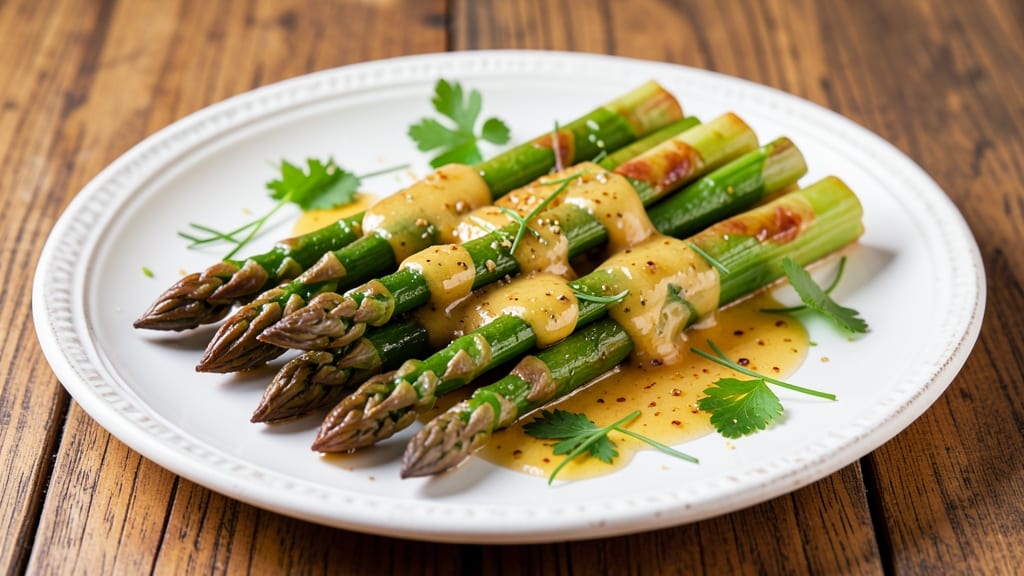
This asparagus with lemon butter sauce recipe transforms simple spring vegetables into an elegant, restaurant-worthy side dish that takes just 20 minutes. The secret lies in balancing tender asparagus with a bright, tangy sauce that cuts through the richness of butter while enhancing its natural flavor. I developed this technique after years of perfecting the art of sauce-to-vegetable ratios, ensuring every bite delivers that perfect harmony of textures and tastes.
The magic happens in two simple steps: roasting the asparagus until tender-crisp, then finishing with a sauce that's equal parts creamy and zesty. A splash of lemon juice brightens the butter, while fresh herbs add depth without overpowering the delicate asparagus flavor.
This method works equally well with fresh or frozen asparagus, making it versatile for any season.
What you'll end up with is asparagus spears with golden, caramelized tips and a velvety sauce clinging to each tender stalk. The sauce isn't just a topping—it's the star, transforming simple asparagus into a dish worthy of a fine dining table.
The contrast between the crisp-tender asparagus and the rich, tangy sauce creates a balance that's both satisfying and refined.
Pair this dish with grilled chicken, steak, or even fish for a complete meal that feels special without requiring hours in the kitchen. The recipe scales perfectly for dinner parties or family dinners, and the leftovers reheat beautifully. Here's how to make it—simple steps for a dish that always impresses.
Ingredients for asparagus with lemon butter sauce
Bright spring flavors meet rich butter for a sauce that transforms simple asparagus into an elegant centerpiece.
| Ingredient | Amount | Notes |
|---|---|---|
| Fresh Asparagus Spears 🌱 | 1 ½ lb | Medium thickness, trimmed ends |
| Unsalted Butter 🧈 | ½ cup | Cold, cut into small cubes |
| Fresh Lemon Juice 🍋 | ¼ cup | From 2-3 lemons, freshly squeezed |
| Fresh Parsley 🌿 | ¼ cup | Flat-leaf, finely chopped |
| Fresh Chives 🌱 | 2 tbsp | Finely chopped, for garnish |
| Garlic Cloves 🧄 | 2 cloves | Minced, for sauce depth |
| Extra-Virgin Olive Oil 🫒 | 2 tbsp | For roasting asparagus |
| Diamond Crystal Kosher Salt 🧂 | 1 tsp | For seasoning asparagus |
| Freshly Ground Black Pepper 🌶️ | ½ tsp | For sauce finish |
| Granulated White Sugar 🍚 | 1 tsp | Balances acidity |
The asparagus should be medium-thickness spears—thick stalks stay too tough, while thin ones overcook. Look for vibrant green stalks with tightly closed tips at specialty markets like Whole Foods or Trader Joe's, where they're often fresher than conventional grocers. Trim the woody ends by bending spears until they snap naturally—no need for a knife. For the butter, European-style unsalted (like Plugrá) melts more smoothly than American brands. If you can't find it, Land O'Lakes works in a pinch, but expect slightly more water content. The lemon juice should come from organic lemons when possible—their higher acidity brightens the sauce more effectively.
No fresh parsley? Fresh cilantro at half the amount works surprisingly well, though it'll change the flavor profile slightly. Out of garlic? Garlic powder at one-third the amount maintains the base flavor, though fresh minced is ideal. For the sugar, honey or maple syrup can substitute, but sugar dissolves more cleanly into the sauce. The olive oil matters here—avoid light or refined oils that lack flavor. A good California extra-virgin (like Corto) adds subtle fruity notes that complement the lemon. If you're using frozen asparagus, thaw and pat completely dry before roasting to ensure crisp-tender results.
Roasted asparagus stays best for 2-3 days in the fridge, though the sauce should be made fresh for optimal flavor. Store spears in a sealed container with a paper towel to absorb moisture. The lemon butter sauce can be made 1 day ahead—store it separately in an airtight container with a thin layer of plastic wrap pressed directly on the surface to prevent a skin from forming. Reheat gently over low heat, adding a splash of water or lemon juice to restore creaminess. For dinner parties, assemble the dish just before serving—the contrast between room-temperature asparagus and warm sauce is what makes this dish truly special.
Why You'll Love This Recipe
- Five-Ingredient Magic: I swear by this recipe because it’s that simple—just butter, lemon, herbs, and asparagus. No chopping, no fuss, and honestly? It’s the kind of dish where you can zone out and still end up with something restaurant-worthy.
- Bright & Buttery Bliss: That lemon butter sauce? It’s the star—bright, tangy, and rich all at once, cutting through the asparagus’s natural bitterness like a perfect hug. The parsley and chives add this fresh, herbal punch that makes every bite feel like a little celebration.
- Weeknight to Dinner Party: Between us, this is my go-to for lazy nights and when I’m hosting. Roast it alongside fish or chicken, serve it as a side, or even pile it on toast for brunch—it’s that adaptable. (Yes, even on a Tuesday night.)
- Leftovers That Don’t Suffer: Unlike some veggie sides that turn sad overnight, this asparagus holds up beautifully. Reheat it gently in the sauce, and it’s still crisp-tender, not mushy. Plus, the butter keeps it from drying out—lunch the next day just got a whole lot easier.
Step-by-step instructions for asparagus with lemon butter sauce
Transform fresh asparagus into a vibrant, restaurant-quality dish with this precise technique.
Prepare the Asparagus for Roasting
Preheat your oven to 425°F and line a rimmed baking sheet with parchment paper. Trim the woody ends from the 1.5 lb fresh asparagus spears by bending each spear until it naturally breaks at the tough base. Discard the ends and pat the spears dry with paper towels—this ensures crispy roasting rather than steaming.
Arrange the spears in a single layer on the prepared baking sheet, leaving ½ inch between each spear. Drizzle evenly with 2 tablespoons extra-virgin olive oil and sprinkle with 1 teaspoon diamond crystal kosher salt and ½ teaspoon freshly ground black pepper. Toss gently to coat, ensuring the oil adheres to the spears without overcrowding the pan.
Roast Until Tender-Crisp
Roast the asparagus for 12-15 minutes, depending on thickness, until the edges are deep golden brown and the spears yield slightly when pressed with tongs. You want them tender but still holding their shape—overcooking will turn them mushy. Rotate the baking sheet halfway through for even browning.
Real talk: the first few batches might have uneven cooking. If you notice the tips browning too quickly, reduce the oven temperature by 25°F for the second batch. The goal is vibrant color with perfect texture—no one wants sad, limp asparagus.
Create the Lemon Butter Sauce
While the asparagus roasts, melt the ½ cup unsalted butter in a small saucepan over low heat. Add the 2 minced garlic cloves and cook for 30 seconds until fragrant—never let it brown, or you'll get bitter flavors. Remove from heat and stir in the 1 teaspoon granulated white sugar and ¼ cup fresh lemon juice.
Return the pan to low heat and whisk constantly for 1-2 minutes until the sauce thickens slightly and the sugar dissolves completely. The sauce should coat the back of a spoon but remain pourable. This balancing act between acidity and richness is what makes the dish sing—too much lemon and it's tart, too little and it's bland.
Combine and Garnish
Transfer the roasted asparagus to a serving platter and immediately drizzle with the warm lemon butter sauce, tossing gently to coat. The residual heat from the asparagus will help the sauce cling beautifully. Sprinkle evenly with the ¼ cup chopped fresh parsley and 2 tablespoons chopped fresh chives for freshness and color contrast.
Serve immediately while the asparagus is still vibrant and the sauce is warm. The bright citrus notes cut through the richness of the butter, creating a perfect balance that elevates simple asparagus to something extraordinary. Pair with grilled fish or crusty bread to soak up every last drop of that luxurious sauce.
Pro Tips For Making Asparagus With Lemon Butter Sauce
- Trim the Tough Ends: I learned this the hard way—peeling asparagus spears is a waste of time unless they’re thick (over ½ inch). For thinner spears, just snap them at the natural break point (hold the base, bend until it cracks) and toss the woody ends. Thick ones? Use a peeler to strip the bottom inch—no need to go crazy.
- Salt the Butter First: Dump ½ teaspoon of flaky salt directly into the cold butter while it melts. This distributes flavor evenly and cuts down on last-minute seasoning guesswork. (Yes, even if you’re using unsalted butter—trust me, it matters more than you’d think.)
- Don’t Overcrowd the Pan: Cook asparagus in batches if needed—2-3 inches per spear, with space to sizzle. I used to jam them all in for speed, and they’d steam instead of sear. A quick shake of the pan after 2 minutes guarantees even browning.
- Zest Before Juicing: Grate the lemon zest directly into the warm butter sauce—it brightens the flavor instantly. Then juice the lemon, but strain the pulp to avoid gritty texture. (Skip the strainer? You’ll taste it, and not in a good way.)
Serving suggestions for asparagus with lemon butter sauce
Protein Pairings
This lemon butter asparagus pairs beautifully with grilled salmon—the buttery sauce complements the fish's natural oils perfectly. I like to serve it alongside seared scallops too, where the sauce's acidity balances the sweetness of the seafood.
For a heartier meal, pair with pan-seared chicken breast or herb-crusted pork tenderloin. 🍽️
Bread & Carbs
Crusty baguette slices or sourdough are essential for soaking up every drop of that rich lemon butter sauce. Toast the bread lightly and serve on the side—it transforms the dish from side to main course. For a more elegant touch, try garlic focaccia or rosemary-infused flatbread.
Cheese Plating
Add a goat cheese crostini to the plate for a sophisticated touch. Top with a slice of aged cheddar or brie to create a flavor contrast that rounds out the meal. I often arrange the asparagus in a fan shape with cheese on the side for an impressive presentation.
Seasonal Additions
In spring, add edible flowers like nasturtiums for color and a subtle peppery bite. For summer, include cherry tomatoes halved and sprinkled with flaky sea salt. In fall, roast sweet potatoes alongside the asparagus and drizzle with extra sauce. Each season brings new ways to elevate this dish.
Wine & Drink Pairings
A crisp Sauvignon Blanc from New Zealand cuts through the butter beautifully, while a dry Riesling adds refreshing acidity. For beer lovers, a Belgian witbier with its citrus notes complements the lemon perfectly. Serve with sparkling water and lemon slices for a refreshing non-alcoholic option. 🍷
Make-Ahead Serving
For dinner parties, roast the asparagus and make the sauce 1 day ahead, storing them separately. Reheat the sauce gently and toss with the asparagus just before serving. Keep the garnishes fresh by chopping herbs last minute. This keeps everything vibrant and restaurant-quality when assembled. ✨
Nutrition facts
Frequently asked questions
Can I use frozen asparagus instead of fresh?
Yes, but with one key adjustment: thaw and pat the spears completely dry before roasting to ensure crisp-tender results. Frozen asparagus works best when spread out in a single layer on a wire rack while thawing. The texture will be slightly different from fresh, but the lemon butter sauce still shines!
How do I prevent the sauce from separating?
Keep the heat low when making the sauce and whisk constantly until it thickens slightly. The sugar helps stabilize the emulsion, but if it still separates, whisk in 1 teaspoon of cold water or a splash of lemon juice to restore creaminess. Never boil the sauce—just warm it gently.
What's the best way to reheat leftovers?
Reheat asparagus and sauce separately over low heat for 2-3 minutes, then toss together. Add a splash of water or lemon juice to restore the sauce's creaminess. The asparagus reheats best when covered to retain moisture—never microwave, as it turns soggy.
Can I make this sauce ahead of time?
Make the sauce up to 1 day ahead and store it in an airtight container with plastic wrap pressed directly on the surface. Reheat gently over low heat, whisking occasionally. The sauce tastes best fresh, but this method works well for dinner parties when you want to prep ahead.
What if my asparagus ends up too tough?
Check your oven temperature—425°F is crucial for tender-crisp results. If overcooked, try this fix: slice the spears lengthwise, toss with extra sauce, and reheat for 1-2 minutes to soften. For future batches, trim spears slightly thicker and reduce roasting time by 1-2 minutes.