
Sauces & Condiments
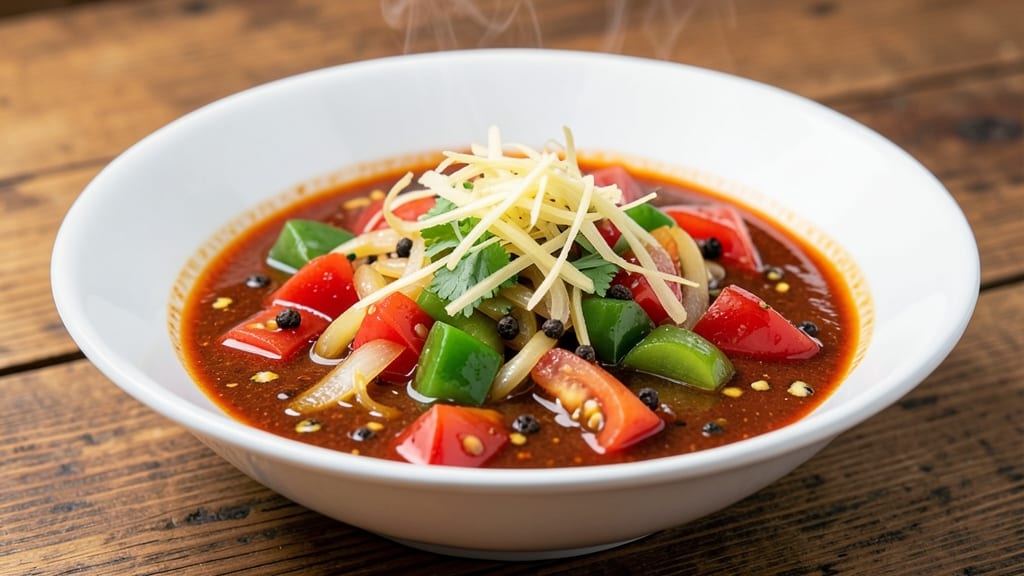
This aso sauce recipe captures the heart of Nigerian cuisine with its rich, velvety texture and deep umami flavor. The blend of palm oil, blended vegetables, and aromatic spices creates a sauce that's both comforting and complex.
I've perfected this recipe over years of cooking, ensuring it delivers that signature depth that elevates dishes like jollof rice or pounded yam.
The secret to authentic aso sauce lies in balancing the ingredients—palm oil for richness, blended vegetables for freshness, and a slow simmer to develop the flavors. This isn't just a sauce; it's a flavor foundation that transforms simple dishes into something extraordinary.
The result is a sauce that's smooth, aromatic, and packed with layers of taste that will make you want to savor every bite.
What sets this recipe apart is the attention to detail in simmering and blending, ensuring the right consistency without losing the vibrant color or depth of flavor. The sauce should coat the back of a spoon, leaving a lingering taste that's both savory and slightly sweet.
It's the kind of sauce that makes every meal feel special, whether you're serving it with rice, fufu, or any traditional Nigerian dish.
Ready to create a sauce that's as versatile as it is delicious? This recipe is your guide to achieving that perfect balance of richness and freshness, turning ordinary meals into something truly memorable. Let's get started on making aso sauce that will impress even the most discerning palates.
Ingredients for aso sauce
Palm oil, fresh vegetables, and aromatic spices blend into this velvety sauce.
| Ingredient | Amount | Notes |
|---|---|---|
| Red Palm Oil 🫒 | ½ cup | High quality, vibrant color |
| Fresh Tomatoes 🍅 | 2 lbs | Ripe, Roma preferred |
| Yellow Onions 🧅 | 1 whole | Medium size, peeled |
| Fresh Bell Peppers 🌶️ | 2 whole | Red or yellow, deseeded |
| Fresh Ginger 🌿 | 1 ½ oz | Freshly grated, aromatic |
| Garlic Cloves 🧄 | 6 cloves | Peeled, minced |
| Fresh Scotch Bonnet Peppers 🔥 | 2 whole | Seeds removed, chopped |
| Dried Fish (Stockfish) 🐟 | ½ oz | Soaked, crumbled |
| Ground White Pepper 🌶️ | ½ tsp | Freshly ground |
| Ground Nutmeg 🌿 | ¼ tsp | Freshly grated |
The palm oil is non-negotiable—African Palm Products or Nigerian specialty stores carry the best quality. Look for vibrant red color with no artificial additives. Fresh tomatoes should be firm and ripe—Roma tomatoes concentrate flavor better than vine-ripened. For the Scotch bonnet peppers, Walmart or Asian markets usually stock them, but if unavailable, substitute habanero (reduce to half the amount). The ginger and garlic need to be freshly grated and minced—pre-minced jars lose potency.
No fresh tomatoes? Canned San Marzano tomatoes work in a pinch, but drain well. Running short on bell peppers? Carrots or zucchini add sweetness without overpowering. The dried fish can be tricky to find—African grocery stores or online retailers like African Foods Direct sell stockfish. If unavailable, sardines or anchovies (drained) provide similar umami depth. For the nutmeg, pre-ground loses flavor quickly, so invest in a whole nutmeg and grate it fresh.
Palm oil lasts 12-18 months unopened in a cool, dark place. Once opened, store it in the fridge to preserve color and flavor. The blended vegetable mixture keeps for 3 days in the fridge—freeze extras in ice cube trays for future use. This sauce develops deeper flavor over time, so reheat gently and adjust seasoning before serving. Portion into jars for easy access during the week.
Why You'll Love This Recipe
- No Chopping Chaos: I swear by this—just dice the onions and peppers roughly. The blender does the heavy lifting, and honestly? That deep red palm oil swirls so smoothly, you’ll forget you even cooked.
- Rich Without Effort: One spoonful of that palm oil, and suddenly your sauce has this depth—earthy, slightly sweet, with a warmth from the ginger that lingers. It’s the kind of flavor that makes you pause mid-bite.
- Party in a Jar: Make a big batch, and you’ve got the ultimate crowd-pleaser. Drizzle it over pounded yam, beans, or even grilled fish—everyone’s going to ask for seconds, and you’ll just smile while you serve more.
- Budget Magic: Fresh tomatoes and onions won’t break the bank, and a little palm oil goes a long way. Leftovers? They taste just as good the next day—perfect for lunches or when you’re too tired to cook again.
Step-by-step instructions for aso sauce
This method delivers authentic Nigerian aso sauce with rich umami depth and vibrant color every time.
Prepare the Base Ingredients
Begin by washing and cutting the 2 lbs fresh tomatoes into quarters, removing the stems. Peel the 1 whole yellow onion and slice it into thin half-moons. Remove the seeds from the 2 whole fresh bell peppers and chop them into small cubes. For the 1.5 oz fresh ginger, use a microplane or grater to create a fine paste—this ensures even distribution of flavor throughout the sauce.
Peeled 6 cloves garlic should be minced finely, and the 2 whole fresh Scotch bonnet peppers should be deseeded and chopped into small pieces. Remember, Scotch bonnet peppers pack serious heat, so handle them with care. The 0.5 oz dried fish (stockfish) should be soaked in warm water for 15 minutes to remove any excess salt, then drained and crumbled into small pieces.
Blend the Ingredients into a Smooth Paste
In a food processor or blender, combine the tomato quarters, onion slices, bell pepper cubes, ginger paste, garlic, Scotch bonnet peppers, and crumbled stockfish. Pulse until you achieve a smooth, even consistency—this is crucial for a well-balanced sauce. You want the mixture to resemble a thick, vibrant paste with no large chunks remaining.
Transfer the blended mixture to a large pot and set it aside. The goal is to create a smooth foundation that will develop into a rich, flavorful sauce. If you notice any oil separating from the tomatoes, stir it back into the mixture—this natural oil will enhance the sauce's depth of flavor.
Cook the Sauce on Low Heat
Place the pot over medium-low heat and add the 0.5 cup red palm oil. Stir continuously for 10 minutes to allow the oil to infuse with the blended ingredients. The sauce will begin to thicken as the moisture evaporates, and you'll notice a rich, aromatic steam rising from the pot. This is where the flavors start to meld together.
Continue cooking for an additional 20-25 minutes, stirring frequently to prevent burning. The sauce should reduce to a thick, glossy consistency, with a deep red color. If it becomes too thick too quickly, add 2-3 tablespoons of water to maintain the right texture. The key here is patience—rushing will result in a bitter, overcooked sauce.
Season and Simmer to Perfection
Add the 0.5 tsp ground white pepper and 0.25 tsp ground nutmeg to the pot. Stir well to distribute the spices evenly throughout the sauce. Reduce the heat to low and let the sauce simmer for another 15-20 minutes. This final step allows the flavors to deepen and the sauce to achieve its signature richness.
Taste the sauce as it simmers. If it needs more depth, you can add a pinch of salt or a splash of water to adjust the consistency. The sauce should be thick enough to coat the back of a spoon but still smooth and glossy. Once it reaches this stage, remove it from heat and let it cool slightly before serving. This sauce is best enjoyed fresh, but it can be stored in the refrigerator for up to 5 days or frozen for 3 months.
Pro Tips For Making Aso Sauce
- Sear the Onions: Cook the onions in the red palm oil until they’re deep golden and slightly caramelized—not just soft. I used to rush this step, and the sauce always tasted flat. Take the extra 3-4 minutes; it builds the base flavor.
- Blend Tomatoes Dry: Drain the blended tomatoes completely—no water, no pulp left behind. I learned this after my sauce turned watery and bland. Use a fine-mesh sieve or cheesecloth, and press hard. The thicker the blend, the richer the sauce.
- Low Heat for Oil: Heat the red palm oil on low until it just shimmers—no smoking, no burning. I’ve ruined batches by cranking the heat too high, which turns the oil bitter. Patience here saves the whole dish.
- Toast the Ginger: Lightly fry the grated ginger in the oil for 30 seconds before adding other ingredients. It deepens the aroma and prevents that raw, medicinal taste. Skip this, and your sauce will still work, but it won’t sing.
Storing and reheating this dish
Refrigerator Storage
Aso sauce keeps beautifully in the fridge for up to 5 days when stored properly. Let it cool completely before transferring to an airtight glass container—I use Pyrex with snap-on lids to prevent leaks.
The sauce thickens slightly when refrigerated, so add 1-2 tablespoons of water when reheating to restore its glossy texture. Always store it in the front of the fridge where it's cooler, not the door. 💛
Freezer Storage
For longer storage, freeze aso sauce in ice cube trays or small airtight containers. Portion into 1-cup servings for easy use in future meals. The sauce maintains its flavor for 3 months when frozen properly.
Thaw overnight in the fridge before reheating—never microwave directly from frozen, as this can create a grainy texture. Label containers with dates to track freshness.
Reheating Methods
My preferred method is reheating on the stovetop over low heat with 1-2 tablespoons of water to prevent burning. Stir frequently for 5-7 minutes until warmed through. For microwave reheating, transfer to a microwave-safe bowl and heat in 30-second intervals, stirring between each, until reaching 165°F internal temperature.
Avoid boiling to preserve the sauce's delicate balance of flavors. ✨
Reviving Thickened Sauce
If your aso sauce thickens too much after storage, revive it by adding 1-2 tablespoons of warm water or stock and simmering gently for 2-3 minutes. For extra richness, stir in ½ teaspoon of palm oil while reheating.
The sauce should return to its glossy, spoon-coating consistency. This trick works especially well for sauces stored longer than 3 days.
Portioning for Convenience
Divide cooled aso sauce into small glass jars (like 8-ounce mason jars) for easy grab-and-go use. These portions are perfect for quick meals like jollof rice or fried plantains. Store jars upright in the fridge to maximize space.
When ready to use, simply reheat a portion and add directly to your dish—no measuring required! This method saves time and keeps your sauce fresh for longer. 💡
Flavor Preservation Tips
To maintain the sauce's vibrant color and depth, avoid exposing it to direct light in the fridge. Use opaque containers or wrap tightly in aluminum foil. If you notice the sauce developing an off smell, discard it immediately—this is a sign of spoilage.
Freshly made aso sauce always smells rich, slightly smoky, and aromatic with a hint of umami from the stockfish. Trust your nose! 🌿
Nutrition facts
Frequently asked questions
Can I substitute stockfish with another protein?
Yes! If you can't find stockfish, use drained sardines or anchovies (about 2-3 fillets) for similar umami depth. For a vegetarian option, try ½ cup soy sauce or mushroom powder—just add it with the spices at the end of cooking. The key is balancing that savory richness the fish provides.
Why does my aso sauce look too thin?
Thin sauce usually means it didn't simmer long enough. Keep cooking on low heat for 10-15 extra minutes, stirring often, until it thickens to coat the back of a spoon. If it's still too runny, remove from heat and stir in 1 tablespoon of cornstarch mixed with 2 tablespoons water—simmer for 2 more minutes until thickened.
How spicy should aso sauce be?
The heat level depends on your preference! The recipe uses 2 Scotch bonnet peppers (whole, deseeded) for mild heat. For medium spice, keep them whole but remove seeds. For hot sauce, chop them finely or add ½ teaspoon cayenne at the end. Always taste as it simmers and adjust.
Can I make aso sauce without palm oil?
While traditional, you can substitute with ½ cup vegetable oil or coconut oil for a similar rich base. For extra depth, add 1 teaspoon smoked paprika with the oil. The sauce will lack the signature red color but still deliver bold flavor. Just remember—palm oil gives aso sauce its authentic velvety texture.
What's the best way to use leftover aso sauce?
Leftover sauce is perfect for jollof rice, fried plantains, or grilled chicken. For extra flavor, stir in 1 tablespoon of tomato paste or ½ teaspoon of thyme when reheating. It also makes a great base for egusi soup—just add 1 cup egusi seeds and simmer for 10 minutes.