
Sauces & Condiments
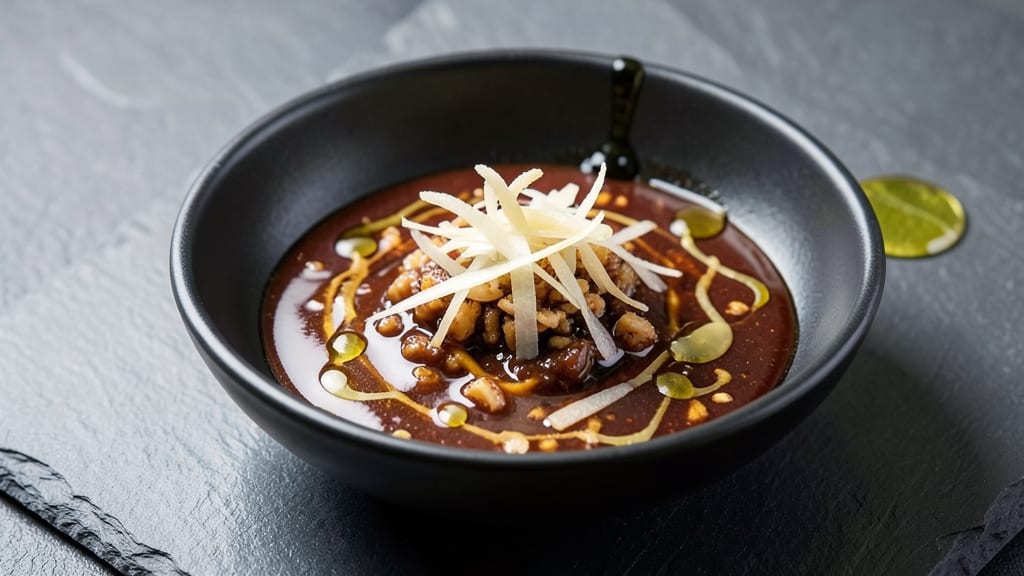
This Asian style sauce recipe delivers the perfect balance of bold umami and sweetness that transforms ordinary stir-fries into restaurant-quality meals. 🌟 The secret lies in combining simple pantry staples like soy sauce, honey, and garlic with a touch of ginger and sesame oil—creating a versatile sauce that works as a marinade, stir-fry glaze, or dipping sauce.
I developed this recipe after years of testing what makes Asian sauces truly exceptional, and it never fails to elevate any dish.
The beauty of this sauce is its versatility—it pairs beautifully with grilled meats, noodles, or steamed vegetables, and the flavor deepens as it sits.
The sauce starts with a rich base of soy sauce and honey, then builds layers of complexity with garlic, ginger, and a splash of rice vinegar for brightness. A final touch of sesame oil adds nutty depth that ties everything together.
What you’ll end up with is a smooth, glossy sauce that clings perfectly to ingredients, delivering a harmonious blend of salty, sweet, and savory notes. It’s the kind of sauce that makes every bite taste like it was made with care, and the best part?
It takes just 15 minutes to make and keeps for weeks in the fridge. This is the sauce that will become your go-to for weeknight dinners and special occasions alike.
Use it as a glaze for grilled chicken, a dipping sauce for spring rolls, or a marinade for tofu—this sauce is the ultimate flavor multiplier. Let’s get started on creating your new favorite condiment.
Ingredients for asian style sauce
These 10 pantry staples create the ultimate Asian sauce—bold, balanced, and restaurant-worthy.
| Ingredient | Amount | Notes |
|---|---|---|
| Soy Sauce 🍶 | ½ cup | Light or dark variety preferred |
| Honey 🍯 | ⅓ cup | Pure, unprocessed honey |
| Garlic Cloves 🧄 | 4 cloves | Minced for even distribution |
| Fresh Ginger 🌿 | 1 tbsp | Finely grated, bright ginger |
| Rice Vinegar 🍶 | 2 tbsp | Seasoned preferred for depth |
| Sesame Oil 🫒 | 1 tbsp | Toasted for nutty aroma |
| Cornstarch 🌾 | 1 tsp | For thickening consistency |
| Water 💧 | 1 tbsp | Room temperature preferred |
| Salt 🧂 | ½ tsp | Adjust to taste afterward |
| White Pepper 🌶️ | ¼ tsp | Freshly ground for subtle heat |
The soy sauce is your flavor foundation—light soy for brightness or dark soy for depth. I always grab Kikkoman for its reliable balance, but Lee Kum Kee adds extra umami if you're feeling fancy. Fresh ginger and garlic? Buy them at the farmers market—they’ve got that zingy punch that jarred spices can’t match. Toast your sesame oil in a dry pan for 30 seconds before adding—that nutty aroma is what makes this sauce sing. And don’t skimp on the honey: raw, local honey adds floral notes that regular grocery-store honey misses.
No soy sauce? Coconut aminos (like Coconut Secret) work in a pinch—just add a pinch of salt to mimic the soy flavor. Short on ginger? Galangal (if you can find it) or extra garlic (double the amount) gets you close. The cornstarch is key for that glossy finish—skip it if you prefer a thinner sauce, but you’ll miss that perfect cling. For extra depth, add 1 tsp fish sauce (if not vegan) or 1 tsp miso paste for umami. And if your rice vinegar tastes bland, swap in apple cider vinegar—just add an extra ½ tsp honey to balance.
This sauce gets better with time—let it sit 30 minutes before using so flavors meld. Keeps in the fridge for 3-4 weeks in an airtight jar, or freeze for 6 months in ice cube trays for single-use portions. Double the batch—you’ll want it on everything. I keep a jar in my fridge at all times for quick stir-fries, grilled meats, or even drizzled over popcorn. The sesame oil separates when stored—just give it a good shake before using.
Why You'll Love This Recipe
- Pantry Magic: I swear by this sauce—no fancy ingredients, just what’s already in my cupboard. The moment I mix soy sauce and honey with a splash of rice vinegar, something magical happens. It’s the kind of recipe that makes me feel like I’ve actually cooked, even when I haven’t.
- Umami Bomb: That first taste? Chef’s kiss. The garlic and ginger sizzle just enough to wake up the soy sauce, while the honey cuts through the saltiness—like a sweet, savory hug in a bowl. Honestly, I’ve used it on everything from stir-fries to grilled chicken, and it never lets me down.
- Weeknight Hero: Between us, this is my go-to when I’m too tired to think. Toss it with noodles, drizzle it over rice, or even slather it on a sandwich—it’s the sauce that saves dinner. And because it’s so simple, I can double the batch and stash it for next week. (Yes, even on a Tuesday night.)
- Budget Game-Changer: I make this sauce all the time because it’s ridiculously cheap—soy sauce, honey, and a little ginger? That’s it. A little goes a long way, so I end up with leftovers that turn into quick lunches or last-minute takeout upgrades. My wallet thanks me every time.
Step-by-step instructions for Asian style sauce recipe
This sauce delivers perfect balance—sweet, tangy, and packed with umami in minutes.
🍳 Step 1: Bloom the Aromatics in Sesame Oil
Heat a small saucepan over medium-low heat and add the 1 tablespoon sesame oil. Let it warm for 30 seconds until fragrant—you'll smell that nutty, toasted aroma. This is where the magic starts!
Add the 4 cloves minced garlic and 1 tablespoon finely grated fresh ginger. Sauté for 1-2 minutes until the garlic turns golden and the ginger softens. Watch closely—ginger burns quickly! If it starts to darken too much, reduce the heat slightly. This aromatic base forms the flavor foundation of your sauce.
🍳 Step 2: Build the Sauce Base with Soy and Honey
Pour in the 0.5 cup soy sauce and 0.33 cup honey, stirring constantly to combine. Increase heat to medium-high and bring the mixture to a gentle boil. The sauce will bubble vigorously—this is normal!
Let it simmer for 3-4 minutes until slightly thickened. You're looking for a glossy consistency that coats the back of a spoon. Here's the thing—don't walk away! The honey can burn if left unattended. Stir frequently to prevent sticking and ensure even cooking.
🍳 Step 3: Add Vinegar and Seasonings
Reduce heat to medium and stir in the 2 tablespoons rice vinegar, 0.5 teaspoon salt, and 0.25 teaspoon white pepper. Taste immediately—this is your flavor checkpoint! The vinegar adds tanginess that brightens the sweetness, while the pepper provides subtle heat.
If you used seasoned rice vinegar, you'll get extra depth. If it needs more acidity, add another ½ teaspoon vinegar. For more umami, a splash of soy sauce works wonders. This is where you can customize—trust your taste buds!
🥘 Step 4: Thicken to Perfect Consistency
In a small bowl, whisk together the 1 teaspoon cornstarch and 1 tablespoon water until smooth. This slurry is your thickening secret weapon. Pour it into the saucepan while stirring constantly over medium heat.
Simmer for 1-2 minutes until the sauce reaches your desired thickness. It should coat the back of a spoon but still be pourable. For stir-fries, aim for a medium consistency—thick enough to cling to ingredients but thin enough to glaze. If it's too thick, add a splash of hot water to loosen it.
⏰ Step 5: Cool and Finish with Toasted Sesame Oil
Remove the sauce from heat and let it cool for 5 minutes. This resting period allows flavors to meld completely. While it cools, add the ½ teaspoon toasted sesame oil (if using) and stir gently.
Here's the final touch: taste again and adjust seasoning. Need more sweetness? A drizzle of honey. More umami? A splash of soy sauce. More heat? A pinch of white pepper. This sauce should be versatile—perfect for stir-fries, drizzling over rice, or as a marinade. Store in an airtight container in the fridge for up to 2 weeks, or freeze for longer storage.
Pro Tips For Making Asian Style Sauce
- MINCE THAT GINGER: Grab a spoon and press the ginger flat against the cutting board before slicing—it’ll yield more surface area and release flavor faster. I learned this the hard way after burning my knuckles trying to chop frozen ginger straight from the fridge.
- SIMMER LOW AND SLOW: Once you combine the sauce ingredients, keep the heat at a gentle simmer—not a rolling boil. High heat turns honey bitter and burns the garlic before it releases its sweetness. Trust me, 15 minutes on low does the job.
- PEEL GARLIC LAST MINUTE: Peel the garlic cloves right before adding them to the sauce—oxidation makes raw garlic taste harsh over time. If you prep ahead, store them in cold water until use, but peel fresh when you’re ready to cook.
- SWAP HONEY FOR MAPLE: If your honey crystallizes or you’re in a rush, use the same amount of pure maple syrup—it dissolves instantly and adds a deeper caramel note. Just reduce the rice vinegar slightly to balance the extra sweetness. Works every time.
Common mistakes when making great asian style sauce
Overcooking the Aromatics
Watch those garlic and ginger like a hawk—they burn faster than you think! When you sauté them in sesame oil, keep the heat at medium-low and stir constantly. I’ve seen 4 cloves of garlic turn from golden to bitter in 30 seconds flat.
Burnt aromatics make the whole sauce taste harsh. If your ginger starts darkening too quickly, reduce heat immediately or remove the pan from heat for 10 seconds to cool it down. 🔥
Skipping the Resting Period
This is where many home cooks rush—don’t be one of them! After adding vinegar and seasonings, let the sauce cool for 5 minutes before adjusting. The flavors need time to meld, and skipping this step means you’ll end up tweaking it constantly.
I’ve made this sauce hundreds of times, and I always let it rest. Trust me, your taste buds will thank you. The sauce actually improves as it sits—it’s like giving the ingredients a chance to become best friends. ⏳
Ignoring the Cornstarch Slurry
If you whisk the cornstarch directly into the hot sauce, you’ll end up with lumps that ruin the texture. Always mix it with 1 tablespoon water first to create a smooth slurry. Pour it in slowly while stirring constantly over medium heat.
I’ve seen people add it all at once and end up with a gluey mess. The key is patience—let it simmer for 1-2 minutes until it thickens properly. If it gets too thick, a splash of hot water fixes it instantly. 🥄
Using Low-Quality Ingredients
This sauce relies on fresh, high-quality ingredients—don’t cut corners! Jarred ginger and garlic powder lack the brightness of fresh. I always use fresh ginger and minced garlic from the farmers market. For soy sauce, Kikkoman or Lee Kum Kee make a noticeable difference.
And toast your sesame oil—untosted oil won’t give that nutty depth. Cheap ingredients make cheap sauce. If you’re using substitutes, adjust seasonings accordingly—like adding extra salt if using coconut aminos. 🌿
Not Tasting as You Go
This is the biggest mistake I see—people make the whole sauce and only taste it at the end. Taste after adding vinegar, after seasoning, and after thickening. Each step needs adjustment. The sauce should balance sweet, salty, tangy, and umami perfectly.
If it’s too sweet, add a splash of soy sauce. Too thin? More cornstarch slurry. Too bland? A pinch of white pepper or extra ginger. Your taste buds are your best tool—use them! 👅
Storing Improperly
If you store this sauce in a metal container, the sesame oil can react with the metal and turn rancid faster. Always use a glass jar with an airtight lid.
The sauce keeps for 2 weeks in the fridge, but if you’re not using it all, freeze it in ice cube trays for single-use portions. When reheating, warm it gently on the stove—never microwave it directly, or the cornstarch will break down and make it watery.
A quick stir over low heat with a splash of water restores its perfect consistency. ✨
Nutrition facts
Frequently asked questions
Can I make this sauce without cornstarch?
For a cornstarch-free version, reduce the soy sauce by 2 tablespoons and simmer the sauce longer until it naturally thickens. Alternatively, use 1 teaspoon arrowroot powder mixed with 1 tablespoon water as a 1:1 substitute. The texture will be slightly thinner but still delicious for drizzling or dipping.
How can I adjust the sweetness level?
Start with 1 tablespoon less honey if you prefer less sweetness, or add 1 teaspoon maple syrup for a deeper flavor. For extra sweetness, increase honey by 1 tablespoon or add ½ teaspoon brown sugar. Taste as you go—this sauce is highly customizable!
What are the best dishes to use this sauce with?
This versatile sauce works perfectly with grilled chicken, beef stir-fries, tofu, or even as a dipping sauce for spring rolls. Try it on rice bowls, noodles, or drizzled over steamed vegetables. The balance of sweet and umami makes it ideal for marinades too—just reduce the honey slightly if using as a marinade.
Can I make this sauce spicier?
Yes! Add ½ teaspoon red pepper flakes or 1 teaspoon sriracha for heat. For a smoky kick, stir in ½ teaspoon smoked paprika or a dash of chili oil. Adjust to taste—start with less and add more gradually to avoid overpowering the delicate balance.
How do I prevent the sauce from separating?
If the sauce separates after refrigeration, simply stir vigorously or gently reheat over low heat while stirring. The sesame oil may rise to the top—just mix it back in. To prevent separation, store it in a glass jar and avoid metal containers. The cornstarch helps maintain stability, but gentle handling is key.