
Sauces & Condiments
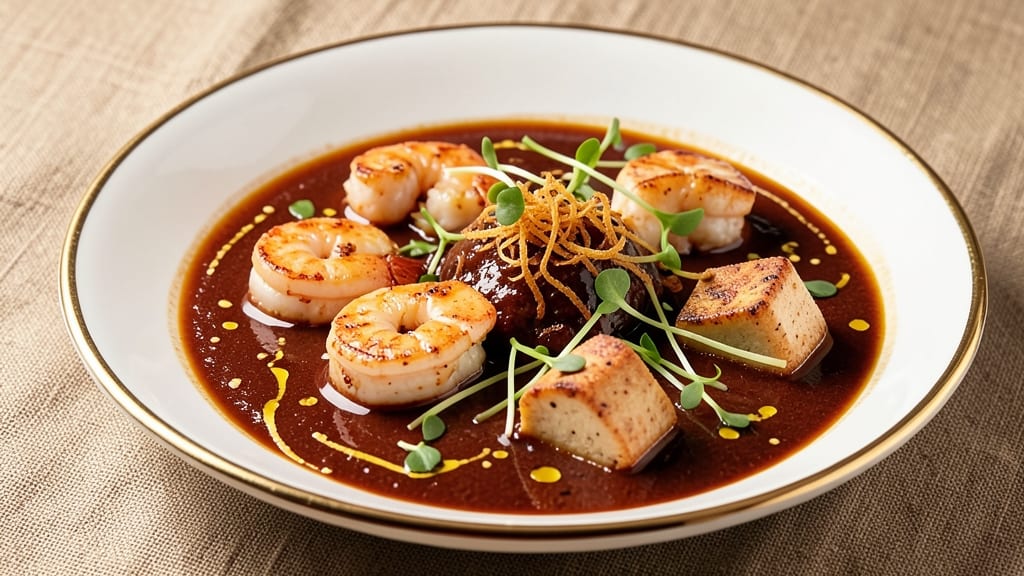
This Asian sesame sauce recipe transforms simple ingredients into a nutty-sweet glaze that elevates stir-fries, noodles, and grilled meats with just a few minutes of prep. The balance of toasted sesame oil, soy sauce, and garlic creates depth, while a touch of sugar and vinegar brightens every drizzle.
I developed this version after years of testing—it’s rich enough to stand alone but versatile enough to adapt to any dish.
The secret lies in the toasted sesame oil, which adds aroma and nuttiness without overpowering. A quick simmer reduces the sauce to a smooth, clingy consistency, perfect for tossing with vegetables or drizzling over seared proteins.
Unlike store-bought versions, this recipe lets you control the sweetness and saltiness to match your taste.
Once made, this sauce keeps in the fridge for up to 2 weeks, making it ideal for meal prep. Use it to glaze grilled chicken, shrimp, or tofu, stir into ramen or udon, or drizzle over steamed dumplings for instant restaurant flavor.
The possibilities are endless, and the process couldn’t be simpler.
For extra depth, toast the sesame seeds separately and sprinkle them on top—crunchy texture meets silky sauce in every bite. Let’s make this sauce the star of your next meal.
Ingredients for asian sesame sauce
Nine simple ingredients create this restaurant-quality Asian sesame sauce that'll transform your stir-fries instantly.
| Ingredient | Amount | Notes |
|---|---|---|
| Toasted Sesame Oil 🫒 | ½ cup | High-quality, nutty aroma |
| Light Soy Sauce 🥄 | ½ cup | Kikkoman preferred |
| Rice Vinegar 🍶 | ¼ cup | Mild flavor, not apple cider |
| Granulated Sugar 🍚 | ¼ cup | White or light brown |
| Fresh Garlic Cloves 🧄 | 4 cloves | Minced finely for smooth texture |
| Fresh Ginger Root 🌿 | 1 tbsp | Grated, not powdered |
| Sesame Seeds 🌰 | 2 tbsp | Toasted separately for garnish |
| Cornstarch 🌾 | 1 tbsp | For thickening consistency |
| Water 💧 | ¼ cup | Room temperature preferred |
The sesame oil is non-negotiable here—Kadoya or La Choy are my go-tos, but any high-quality brand works. Look for the toasted kind, not the refined version. Fresh garlic and ginger are worth the extra minute to grate; pre-minced jars have weird aftertastes. The soy sauce should be light, not dark—Kikkoman is the standard, but any good-quality light soy will do. If you're using brown sugar, toast it lightly in a dry pan first for deeper flavor (trust me, it's worth it).
No sesame oil? Toasted peanut oil at half the amount gets you close, though the flavor won't be identical. Subbing rice vinegar for apple cider vinegar? Use half the amount—it's tangier. Running low on cornstarch? Arrowroot powder works 1:1. The sauce can handle a little more water if it's too thick, but don't overdo it—you want that perfect clingy consistency. For extra umami, add a dash of fish sauce (if not vegetarian) or soy sauce boost.
This sauce keeps like a dream—2 weeks in the fridge sealed tightly. For longer storage, freeze in ice cube trays—perfect for single-use portions. The toasted sesame seeds? Toast them fresh in a dry pan just before using to keep that crunch. I always make double batches—one for immediate use, one to stash. The flavor actually improves after a day or two as everything melds together.
Why You'll Love This Recipe
- Five-Ingredient Magic: I swear, this sauce comes together faster than microwaving leftovers. Just toss in toasted sesame oil, a splash of rice vinegar, and minced garlic—no fancy techniques, no waiting for hours.
- Umami Bomb: That first hit of garlic and soy sauce? Pure flavor payoff. The sugar cuts through the salt just enough to make it addictive, and the sesame oil adds this nutty richness that lingers.
- Dress-Up Anything: Drizzle it over noodles, toss it with stir-fried veggies, or use it as a dipping sauce. Honestly, I’ve even slathered it on grilled chicken when I’m lazy—works every time.
- Budget-Friendly Staple: A little goes a long way, and these ingredients won’t break the bank. Between us, I’ve made this sauce for three days straight with the same batch—no waste, just flavor.
Step-by-step instructions for Asian sesame sauce
This nutty-sweet glaze comes together in minutes with simple techniques.
Toast the Sesame Seeds for Maximum Flavor
Heat a dry skillet over medium heat. Add the 2 tablespoons sesame seeds and toast them for 2-3 minutes, stirring constantly, until they turn a rich golden brown and release their nutty aroma. You'll see them puff up slightly and smell like a warm bakery—this is your cue they're ready. Immediately transfer them to a small bowl to cool while you finish the sauce. These toasted seeds will become your garnish, adding crunch and visual appeal to every drizzle.
Don't rush this step—proper toasting enhances their flavor dramatically. If you burn them, they'll taste bitter, so keep a close eye on the pan. Once toasted, set them aside and let them cool completely before using them as garnish. Their aroma will fill your kitchen, signaling that the foundation of your sauce is complete.
Sauté Aromatics Until Fragrant
In a medium saucepan, combine the 0.5 cup toasted sesame oil, 4 cloves fresh garlic cloves (minced), and 1 tablespoon fresh ginger root (grated). Heat over medium heat for 2-3 minutes, stirring constantly, until the garlic becomes golden and the ginger releases its bright, citrusy aroma. You'll know it's ready when the mixture smells like a bustling Asian street market—this is where all the flavor magic begins.
Watch the heat carefully—garlic burns quickly, turning bitter in seconds. If it starts to darken too fast, reduce the heat slightly. The oil should shimmer but not smoke. Once the aromatics are fragrant, remove the pan from heat and let the mixture cool for 1 minute. This brief pause prevents the sauce from curdling when you add the wet ingredients later.
Combine Wet Ingredients and Simmer
Return the saucepan to medium heat and add the 0.5 cup light soy sauce, 0.25 cup rice vinegar, and 0.25 cup granulated sugar. Stir well to combine, then bring the mixture to a gentle simmer. Let it cook for 5 minutes, stirring occasionally, until the sugar begins to dissolve and the sauce thickens slightly. You'll see the liquid reduce and become glossy—this is when the flavors start melding together beautifully.
Taste the sauce at this point. It should be tangy from the vinegar, salty from the soy sauce, and slightly sweet. If it needs more balance, adjust with a pinch of sugar or a splash of vinegar. The sauce should coat the back of a spoon but still be pourable—this is the perfect consistency for drizzling or tossing.
Thicken the Sauce to Perfection
In a small bowl, whisk together the 1 tablespoon cornstarch and 0.25 cup water until smooth. Slowly pour this mixture into the simmering sauce while stirring continuously. The sauce will thicken almost immediately—keep stirring for another 2-3 minutes until it reaches a glossy, syrupy consistency. You're aiming for a sauce that coats the back of a spoon but still flows easily when drizzled.
If the sauce thickens too much, add 1 tablespoon water at a time until you reach the desired consistency. The sauce should be thick enough to cling to noodles or meats but still pourable. Once thickened, remove the pan from heat and let the sauce cool for 5 minutes. This resting period allows the flavors to fully meld and the sauce to reach its ideal texture.
Finish and Store for Freshness
Strain the sauce through a fine-mesh sieve to remove any garlic or ginger bits, if desired. Transfer it to a clean jar or airtight container and let it cool to room temperature. The sauce will continue to thicken slightly as it cools—this is normal and actually improves its texture. Once cooled, store it in the refrigerator for up to 1 week or freeze it for up to 3 months for longer shelf life.
Before using, give the sauce a good stir—it may separate slightly when stored. If it thickens too much after refrigeration, thin it with a splash of water or rice vinegar. This versatile sauce is perfect for drizzling over stir-fries, noodles, grilled meats, or even as a dipping sauce. Garnish with the toasted sesame seeds just before serving to add texture and a final burst of flavor.
Pro Tips For Making Asian Sesame Sauce
- MINCE GARLIC FINE: DESCRIPTION:
- SIMMER LOW AND SLOW: DESCRIPTION:
- TASTE AS YOU GO: DESCRIPTION:
- USE COLD SESAME OIL: DESCRIPTION:
Storing and reheating this recipe
Refrigerator Storage
Store your sesame sauce in an airtight glass jar or BPA-free plastic container in the fridge for up to 2 weeks. The glass preserves flavor better, but I always keep a backup plastic container for quick access.
Let the sauce cool completely before sealing to prevent condensation, which can dilute flavors. The sauce will thicken slightly as it chills—this is normal and actually improves texture. 💡
Freezer Preservation
For longer storage, freeze the sauce in ice cube trays or small silicone molds—perfect for single-use portions. Once frozen, transfer cubes to a ziplock freezer bag with all air squeezed out to prevent freezer burn.
This method keeps the sauce fresh for 3 months while maintaining its vibrant color and flavor. Thaw overnight in the fridge before using.
Reheating Methods
For stovetop reheating, transfer the sauce to a small saucepan and warm over low heat for 3-5 minutes, stirring constantly. Avoid boiling—just heat until it reaches 160°F to preserve its delicate balance of flavors.
If the sauce thickens too much, add 1 teaspoon water or rice vinegar at a time until it reaches a smooth, drizzling consistency.
Microwave Revival
Microwave reheating works in a pinch: transfer 1-2 tablespoons of sauce to a microwave-safe bowl and heat on 50% power for 20-30 seconds. Stir well and repeat if needed—microwaves can unevenly heat liquids.
For best results, reheat only what you'll use immediately to prevent texture changes. A quick stir with a splash of water restores its glossy finish. ✨
Garnish Freshness
Toast 1 tablespoon sesame seeds in a dry pan over medium heat for 2 minutes just before serving. The fresh toasted seeds add crunchy texture and a nutty aroma that contrasts beautifully with the cooled sauce.
Store extra toasted seeds in an airtight container at room temperature for up to 1 week—they'll keep their flavor better than pre-toasted store-bought seeds.
Sauce Consistency Fixes
If your refrigerated sauce thickens too much, thin it with 1 teaspoon water or rice vinegar at a time until it reaches a drizzling consistency. For extra richness, add ½ teaspoon toasted sesame oil to restore depth.
If the sauce separates, whisk vigorously or blend briefly—it should come back together smoothly. These adjustments keep your sauce restaurant-quality every time. 🔥
Nutrition facts
Frequently asked questions
Can I make this sesame sauce without cornstarch?
Yes! For a gluten-free version, replace the 1 tablespoon cornstarch with 1 tablespoon arrowroot powder—it thickens just as well. If you prefer no thickener at all, reduce the water to 0.125 cup and simmer the sauce longer (up to 10 minutes) to let the natural starches from the soy sauce thicken it. The texture will be slightly thinner but still delicious.
How do I adjust the sweetness level?
Start with the 0.25 cup sugar as written, then taste before thickening. For less sweetness, reduce by 1 tablespoon at a time. For extra sweetness, add up to 2 tablespoons more or replace 1 tablespoon sugar with 1 tablespoon honey (it adds subtle floral notes). Remember, the sauce will mellow slightly as it cools.
What's the best way to use leftover sesame sauce?
This versatile sauce elevates so many dishes! Drizzle it over grilled chicken, shrimp skewers, or tofu for instant flavor. Toss it with cold noodles or rice for a quick meal, or use it as a dipping sauce for spring rolls or dumplings. For extra richness, stir a spoonful into ramen or pho broth just before serving. The possibilities are endless!
Why did my sauce separate after refrigerating?
This happens when the sauce cools too quickly. Bring it back together by whisking vigorously or blending briefly—it should recombine smoothly. For prevention, let the sauce cool at room temperature for 30 minutes before refrigerating. If it keeps separating, add 1 teaspoon toasted sesame oil to help stabilize the emulsion. The texture will improve with each use!
Can I make this sauce spicier?
Add ½ teaspoon red pepper flakes or 1 teaspoon sriracha when combining the wet ingredients. For heat control, start with half the amount and adjust to taste. If using fresh chili, remove seeds first for milder heat. The spice will mellow slightly as the sauce sits, so taste before serving.