
Sauces & Condiments
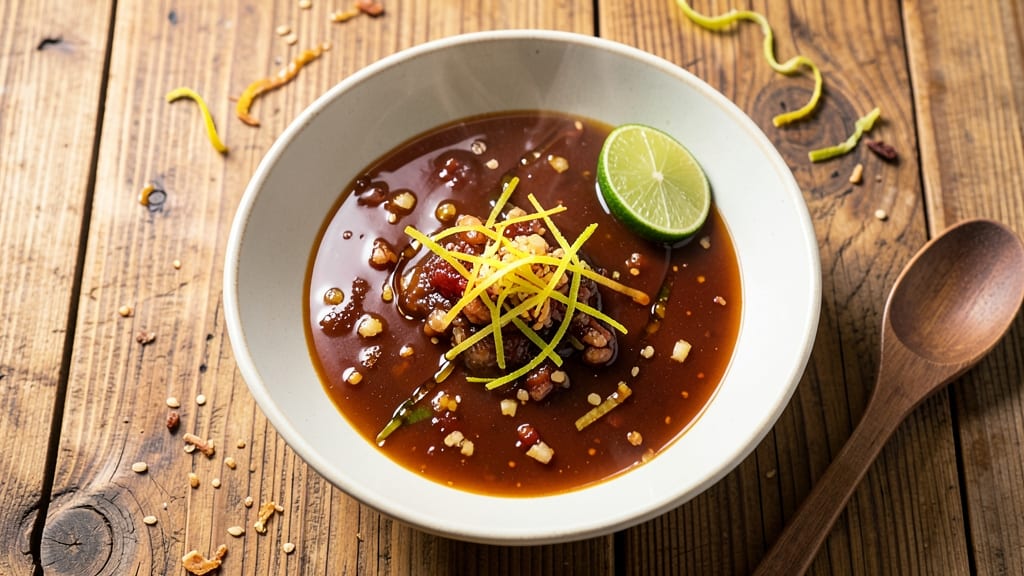
This Asian seafood sauce recipe transforms simple stir-fries into restaurant-worthy dishes with just a few pantry staples. The secret lies in balancing umami-rich fish sauce with sweet, tangy, and aromatic elements—think garlic, ginger, and a touch of heat.
I developed this sauce after craving that perfect harmony of flavors in my favorite takeout dishes, and it’s now my go-to for elevating everything from grilled shrimp to fresh sashimi.
The beauty of this sauce is its versatility—it works as a dipping sauce, stir-fry glaze, or marinade, and it keeps well for up to a week in the fridge.
The ingredients are simple: fish sauce, soy sauce, honey or sugar, garlic, ginger, and a splash of lime or vinegar for brightness. Optional chili or sriracha adds a kick, but even without it, the sauce delivers deep, complex flavor.
What you’ll end up with is a glossy, aromatic sauce that’s sweet, savory, and just slightly tangy—perfect for coating seafood, drizzling over noodles, or serving with steamed vegetables. The sauce clings beautifully to proteins, infusing them with layers of flavor without overpowering their natural taste.
It’s the kind of condiment that turns a simple meal into something extraordinary.
Whether you’re prepping for a weeknight dinner or a weekend feast, this sauce is a game-changer. Make a double batch—you’ll want to use it again and again. Here’s how to create it.
Ingredients for asian seafood sauce
Nine simple ingredients for a sauce that turns seafood into a flavor explosion.
| Ingredient | Amount | Notes |
|---|---|---|
| Fish Sauce 🐟 | ½ cup | Red Boat preferred for quality |
| Soy Sauce 🥢 | ½ cup | Light or dark variety |
| Honey 🍯 | ¼ cup | Or substitute brown sugar |
| Garlic Cloves 🧄 | 6 cloves | Minced for smooth texture |
| Fresh Ginger 🌿 | 2 tbsp | Grated, not powdered |
| Lime Juice 🍋 | ¼ cup | Freshly squeezed preferred |
| Sesame Oil 🫒 | 1 tbsp | Toasted for aroma |
| Sriracha 🌶️ | 1 tbsp | Optional for heat |
| Water 💧 | ¼ cup | For thinning if needed |
The fish sauce is non-negotiable here—Red Boat is my go-to because it's clean, pungent, and free of additives. You'll find it at most Asian markets or the international aisle of larger grocery stores like Whole Foods or Trader Joe's. Fresh ginger and garlic are worth the extra minute to grate and mince yourself; pre-minced versions lose flavor fast. Lime juice should be freshly squeezed—bottled juice lacks the bright acidity. If you're short on time, Key lime juice from the store works in a pinch, but it's not the same.
No honey? Brown sugar dissolved in a splash of water works perfectly—just heat it gently to combine. Skip the sriracha if you're sensitive to heat, but if you want more kick, fresh chili paste or gochujang adds depth. The sauce should be glossy but not too thick—if it's stubborn, add water one teaspoon at a time. For a vegan version, swap honey for maple syrup and use coconut aminos instead of soy sauce. The sesame oil adds that signature aroma, so don't skip it—just add it last to preserve its nutty flavor.
This sauce keeps beautifully for up to 1 week in the fridge, sealed in a jar. The flavors actually improve after the first day as everything melds together. For longer storage, freeze portions in ice cube trays—thaw and use as needed. I always make a double batch because it disappears fast. The sauce pairs perfectly with grilled shrimp, sashimi, or even as a dipping sauce for spring rolls. If you make extra, drizzle it over rice bowls or noodles for instant flavor.
Why You'll Love This Recipe
- Here’s the thing: this sauce keeps perfectly in the fridge for a week. I make a big batch, then use it in different meals—drizzled over rice, mixed into soups, or even as a marinade. No waste, no stress, just flavor that lasts. And honestly? The second batch always tastes better.
- Five-Ingredient Magic: I swear, this sauce is the kind of recipe where you look at the pantry and think, "I’ve got this." Fish sauce, soy, honey, garlic, ginger—no fancy ingredients, just pure flavor. The honey cuts through the saltiness while the ginger adds that zingy warmth that makes it impossible to stop pouring.
- Umami Bomb: That first spoonful of this sauce? It’s like a flavor explosion. The fish sauce brings deep, salty richness, while the garlic and ginger sing together—sharp, sweet, and savory all at once. It’s the kind of taste that makes you want to drizzle it on everything.
- Weeknight Workhorse: Between us, this is my go-to for stir-fries, grilled shrimp, or even a quick noodle bowl. I’ve used it to dress up store-bought rice, toss with pre-cooked shrimp, and even glaze baked fish—no overcomplicating, just good food. It’s the sauce that saves dinner when I’m exhausted.
Step-by-step instructions for Asian seafood sauce
This sauce comes together in minutes but packs layers of umami, sweetness, and brightness.
Mince Garlic and Ginger for Maximum Flavor
Peel the 6 cloves garlic cloves and finely mince them using a sharp knife or microplane. You want the pieces almost paste-like—this ensures they dissolve completely into the sauce. Transfer to a small bowl and set aside.
Next, peel the 2 tablespoons fresh ginger and grate it using the fine side of a box grater. Fresh ginger adds a zesty kick that powdered can't match. I like to press the grated ginger between my fingers to release its oils before adding it to the pan. This step is where the sauce gets its aromatic foundation.
Bloom the Aromatics in Sesame Oil
Heat a small saucepan over medium-low heat and add the 1 tablespoon sesame oil. Let it warm for 30 seconds until it shimmers slightly—this is your signal it's ready. Add the minced garlic and grated ginger, stirring constantly for 1-2 minutes until the garlic turns golden and fragrant.
Watch carefully here—garlic burns quickly. If it starts to darken too much, reduce the heat slightly. The goal is to develop those nutty, sweet aromas without letting them turn bitter. Once you smell that toasty garlic scent, you're ready for the next step.
Combine Wet Ingredients for Perfect Balance
Remove the pan from heat and let it cool for 1 minute. Then add the 0.5 cup fish sauce, 0.5 cup soy sauce, and 0.25 cup honey, stirring vigorously to dissolve everything completely. Return the pan to low heat and simmer gently for 3-4 minutes, stirring occasionally, until the honey begins to thicken slightly.
Here's where the magic happens—the fish sauce brings umami depth, soy sauce adds saltiness, and honey provides that essential sweetness. Taste as you go—you want these flavors to meld together harmoniously. If the mixture seems too thick, add 1 tablespoon water at a time until it reaches a smooth, pourable consistency.
Finish with Lime and Sriracha
Remove the pan from heat again and stir in the 0.25 cup lime juice and 1 tablespoon sriracha. The lime brightens the whole sauce, cutting through the richness, while the sriracha adds a subtle heat that makes everything sing. Taste one more time and adjust—maybe a touch more lime for acidity or a splash of water if it's too thick.
This sauce should coat the back of a spoon with a glossy sheen. If you're using it immediately, let it sit for 5 minutes to let all the flavors fully integrate. For best results, store any leftovers in an airtight container in the refrigerator for up to 1 week—it actually gets better as it sits!
Pro Tips For Making Asian Seafood Sauce
- Bloom the Ginger: Peel and slice that ginger thin—like paper-thin—then toss it straight into cold water for 10 minutes before draining. The water softens the fibers so it blends smooth instead of turning your sauce into a textured mess. (Yes, even if you’re impatient like me.)
- Toast the Garlic: Crush those garlic cloves, then dry-toast them in a pan for 30 seconds until golden and fragrant before adding liquid. It deepens the flavor without burning—no more bitter aftertaste when the sauce reduces. (I learned this the hard way after making a batch taste like a chemistry experiment.)
- Balance the Honey: Add the honey last, after the fish and soy sauces have simmered for 2 minutes. If you dump it in early, it’ll caramelize too fast and overpower the umami. A splash of cold water or lime juice afterward cuts the sweetness if it’s too cloying. (Your taste buds will notice the difference.)
- Simmer, Don’t Boil: Keep the heat low once everything’s combined—just enough to see tiny bubbles at the edges. Boiling turns fish sauce harsh and soy sauce bitter. If it’s too strong, thin it with a splash of water or a pinch of sugar to round it out. (This isn’t the prettiest method, but it’s the tastiest.)
Serving suggestions for this dish
Dipping Sauce Perfection
Serve this sauce warm or at room temperature as a dipping sauce for grilled shrimp skewers, crab legs, or spring rolls. I keep a small bowl on the table when serving seafood platters—it adds a pop of color and flavor that guests love.
For extra presentation, garnish with thinly sliced scallions or sesame seeds. 🌟
Stir-Fry Glaze Magic
Use 2-3 tablespoons of this sauce as a glaze for stir-fried seafood like scallops or squid. Toss the cooked seafood with the sauce and sear in a hot pan for 1-2 minutes until glossy.
The high heat caramelizes the honey slightly, creating a beautiful sheen. Pair with steamed bok choy or snap peas for a complete meal.
Noodle Bowl Elevator
Drizzle 1-2 tablespoons over steaming hot noodles like ramen or udon just before serving. The sauce clings beautifully to the noodles, enhancing their texture. Add sliced green onions and a soft-boiled egg for a restaurant-quality bowl. For extra richness, top with a spoonful of creamy peanut sauce on the side.
Sashimi Companion
Serve this sauce chilled alongside sashimi or raw oysters. The brightness of the lime juice cuts through the richness of fatty fish like salmon or tuna. I like to serve it in a small ceramic dish with a side of wasabi and pickled ginger for a complete sushi experience.
The sauce's balance makes it perfect for delicate seafood dishes.
Marinade for Grilled Seafood
Use ¼ cup of this sauce as a marinade for shrimp or fish fillets. Let them marinate for 15-30 minutes before grilling or broiling. The sauce will create a flavorful crust while keeping the seafood moist.
Brush with extra sauce during the last minute of cooking for maximum flavor infusion. 🔥
Rice Bowl Enhancer
Create a quick seafood rice bowl by mixing 2 tablespoons of this sauce with 1 tablespoon rice vinegar and drizzling over steamed jasmine rice. Top with grilled shrimp, avocado slices, and cucumber. The sauce's sweet-spicy profile complements the mild flavors of rice perfectly, creating a satisfying one-bowl meal.
Nutrition facts
Frequently asked questions
Can I make this sauce without fish sauce?
Yes, but the flavor will change significantly. For a vegan version, use 1 tablespoon coconut aminos plus 1 teaspoon soy sauce per 0.5 cup fish sauce called for. Alternatively, add 1 extra tablespoon soy sauce and a pinch of MSG (optional) to mimic umami depth. The sauce will be less complex but still delicious.
How spicy should this sauce be?
The recipe includes just 1 tablespoon sriracha for mild heat—adjust to taste! For no heat, omit it completely. If you love spice, add 1-2 teaspoons chili paste or gochujang instead. Remember, flavors meld over time, so start conservative and adjust after chilling for 30 minutes.
Can I substitute honey with another sweetener?
Use 3 tablespoons brown sugar dissolved in 1 tablespoon water for a caramel-like depth, or 2 tablespoons maple syrup for a vegan option. Avoid powdered sweeteners—they won’t dissolve properly. For a fruity twist, try 1 tablespoon mango puree, but reduce lime juice slightly to balance acidity.
Why does my sauce look too thin/thick?
Thin sauce? Simmer uncovered for 2-3 extra minutes to reduce. Too thick? Add water 1 teaspoon at a time until pourable. The ideal consistency coats the back of a spoon but remains glossy. Pro tip: Chill the sauce for 1 hour before adjusting—it thickens as it cools.
How long can I store this sauce?
Unopened, it lasts 3 months in the pantry (shelf-stable). Once opened, refrigerate for 1 week or freeze in ice cube trays for 3 months. The flavors actually improve with time! For longer storage, pasteurize by heating to 160°F (71°C) for 10 minutes, then can in sterilized jars.