
Sauces & Condiments
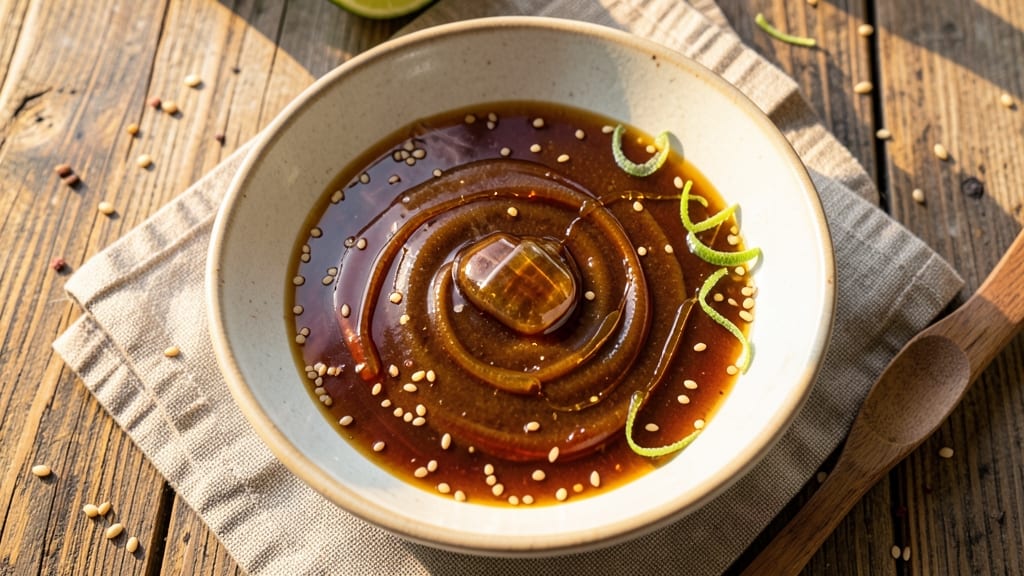
This Asian lettuce wrap dipping sauce recipe transforms ordinary lettuce cups into a vibrant, flavor-packed experience with just a few simple ingredients.
The perfect balance of tangy tamarind, bright lime, and aromatic sesame oil creates a sauce that's bold yet harmonious—ideal for enhancing the natural flavors of your lettuce wraps without overpowering them.
The secret lies in the combination of umami-rich soy sauce, sweet tamarind paste, and a touch of honey or sugar to round out the flavors. Fresh garlic, ginger, and chili add depth and heat, while a splash of rice vinegar keeps the sauce light and refreshing.
What makes this sauce truly special is its versatility—it works equally well with shrimp, chicken, tofu, or even fresh vegetables.
What you'll end up with is a glossy, aromatic sauce that clings beautifully to lettuce leaves, delivering layers of flavor with every bite. The tangy-sweet profile complements the crisp texture of lettuce wraps while standing up to rich fillings like grilled meats or marinated tofu.
This sauce is easy to make in just minutes and keeps well in the fridge for up to a week, so you can enjoy it whenever the craving strikes.
Whether you're serving it at a casual dinner party or meal prepping for the week, this dipping sauce elevates every lettuce wrap into a restaurant-worthy dish. Here's how to make it—simple, balanced, and impossible to resist.
Ingredients for asian lettuce wrap dipping sauce
Nine ingredients. Five minutes. Restaurant-quality tangy zing for your lettuce wraps.
| Ingredient | Amount | Notes |
|---|---|---|
| Tamarind Paste 🍯 | ½ cup | Unrefined for authentic tang |
| Soy Sauce 🍶 | ½ cup | Light or dark preferred |
| Fresh Lime Juice 🍋 | ¼ cup | Strain seeds for smooth sauce |
| Sesame Oil 🫒 | 2 tbsp | Toasted for nutty aroma |
| Honey 🍯 | 2 tbsp | Or maple syrup for vegan |
| Rice Vinegar 💧 | 2 tbsp | For bright acidity |
| Fresh Garlic Cloves 🧄 | 3 cloves | Minced for aromatic punch |
| Fresh Ginger 🌿 | 1 tbsp | Grated, not powdered |
| Red Chili Flakes 🌶️ | 1 tbsp | Adjust for heat preference |
| Water 💧 | ¼ cup | For thinning consistency |
Tamarind is the star here—look for unrefined paste at Asian markets or the bulk section. Trader Joe's usually carries it, but if you can't find it, substitute lime juice + 1 tsp sugar (though it won't be identical). Fresh ginger and garlic? Always better than powdered—peel ginger with a spoon to avoid the stringy bits. The sesame oil should smell toasty, not stale. If it's past its prime, toast your own by heating 1 tbsp in a dry pan for 30 seconds, then cool before adding to the sauce.
No tamarind? Double the lime juice and add 1 tsp sugar. Short on sesame oil? Avocado oil at half the amount keeps the flavor neutral. The honey can be swapped for maple syrup if you're avoiding sugar. For extra heat, add a dash of sriracha or finely chopped fresh chili. Want it smoother? Blend everything first before thinning with water. This sauce is versatile—drizzle it over noodles, use it as a marinade, or even mix it into mayo for sandwiches.
This sauce keeps for up to 1 week in an airtight jar in the fridge. The flavors actually deepen overnight, so make extra. For meal prep, portion into small containers—freezes for 3 months if you want to stock up. If it thickens, just stir in a splash of water. Store the sesame oil separately if you're sensitive to its flavor—add it just before serving for maximum aroma.
Why You'll Love This Recipe
- I’ll be real: this recipe won’t break the bank. Tamarind paste and soy sauce last forever, and a lime sits in my fridge for weeks. The sesame oil? A little goes a long way, so you’re not buying it every week. It’s the kind of sauce that makes you feel like you’re eating fancy without the fancy price tag.
- Five-Ingredient Magic: I swear, this sauce is the kind of recipe where you measure, stir, and boom—it’s ready. No chopping, no waiting for herbs to bloom, just a quick whisk and you’re done. Tamarind paste does all the heavy lifting with that tangy depth, while the honey balances it in one smooth step.
- Tangy-Sweet Balance: Between us, the tamarind and honey combo is chef’s kiss—bright, bold, but never overpowering. That first squeeze of lime juice? It cuts through the richness like a cool breeze on a hot day, making every bite of those crispy wraps sing.
- Party-Ready Secret: Honestly, this sauce is my go-to for game nights, potlucks, or even just a lazy Sunday. It’s the kind of dip that disappears fast, so I double the batch—no one ever complains when there’s extra. Plus, it pairs with more than just lettuce wraps; think grilled meats, fresh veggies, or even as a glaze.
Step-by-step instructions for Asian lettuce wrap dipping sauce
This tangy, spicy, and sweet sauce comes together in minutes with simple ingredients.
Combine Wet Ingredients for a Smooth Base
In a medium bowl, whisk together the 0.5 cup tamarind paste and 0.5 cup soy sauce until fully dissolved. The tamarind paste might clump at first, but keep whisking—it should become smooth and slightly sticky. This combination forms the core of your sauce, balancing the deep umami of soy with the fruity tang of tamarind.
Next, add the 0.25 cup fresh lime juice and 2 tablespoons honey. Whisk vigorously until the honey dissolves completely and the mixture becomes glossy. The lime juice will brighten the flavors while the honey adds just enough sweetness to balance the acidity. If you're using maple syrup instead of honey, it will work just as well, though the flavor profile will be slightly different.
Infuse with Aromatics and Heat
In a small bowl, finely mince the 3 cloves fresh garlic and grate the 1 tablespoon fresh ginger. Add these to the wet mixture along with the 1 tablespoon red chili flakes. Stir well to distribute the aromatics and heat evenly. The garlic and ginger will mellow slightly as they sit, but they’ll still add a bold, fresh punch to the sauce.
Now, drizzle in the 2 tablespoons sesame oil and the 2 tablespoons rice vinegar. The sesame oil will add a nutty depth, while the rice vinegar introduces a bright, clean acidity. Stir everything together until the oil is fully incorporated—you should see a slight sheen on the surface, indicating the sauce is emulsifying. This step is where the sauce starts to come alive with layers of flavor.
Thin and Adjust for Perfect Consistency
Pour in the 0.25 cup water and whisk until the sauce reaches your desired consistency. It should be thick enough to coat the back of a spoon but still flow smoothly, like a thin syrup. If it’s too thick, add a splash more water, 1 teaspoon at a time, until it’s just right. The sauce should cling to lettuce leaves without dripping, making it perfect for dipping.
Taste and adjust the balance of flavors. If it’s too tangy, add a touch more honey. If it lacks heat, sprinkle in a pinch more chili flakes. The goal is a harmonious blend of sweet, sour, spicy, and umami. Once balanced, let the sauce sit at room temperature for 10 minutes—this allows the flavors to meld even deeper, resulting in a more cohesive and delicious final product.
Serve Fresh for Maximum Flavor
Transfer the sauce to a small bowl or jar and serve immediately. The flavors will continue to develop slightly over time, but it’s best enjoyed fresh. This sauce pairs perfectly with crisp lettuce wraps, fresh spring rolls, or even as a marinade for grilled meats. The tangy-tamarind and chili-lime zing will elevate any dish it touches, making it a versatile and exciting addition to your meal.
If you’re making this ahead of time, store it in an airtight container in the refrigerator for up to 5 days. Before serving, give it a quick whisk to re-emulsify and adjust the seasoning if needed. The sauce will keep its vibrant flavors, ready to bring that same bold, tangy punch to your next meal.
Pro Tips For Making Asian Lettuce Wrap Dipping Sauce
- DILUTE TAMARIND GRADUALLY: I learned this the hard way—dumping tamarind paste straight into liquid makes a gloppy, unbalanced mess. Instead, mix it with 2 tablespoons of warm water first to dissolve completely, then whisk it into the sauce slowly while tasting. You want it tangy but not overpowering—stop when it’s smooth, not when it’s gone.
- USE AGED SOY SAUCE: The cheap stuff adds salt but no depth. For this sauce, grab a bottle of light or dark aged soy sauce—it’s pricier but brings real umami richness that cuts through the sweetness. If you’re pinching pennies, at least use a good-quality soy sauce; the difference is noticeable.
- STRAIN THE LIME: Fresh lime juice is non-negotiable, but straining it through a fine-mesh sieve removes pulp that can make the sauce clump or taste bitter. I skip this sometimes, and the texture suffers—especially when the sauce sits for more than an hour. Take 10 seconds to strain; your mouth will thank you.
- ADD SESAME OIL LAST: This isn’t just about aroma—adding sesame oil at the very end preserves its nutty punch. Heat dulls its flavor, so drizzle it in after everything else is mixed, then stir gently. If you’re lazy and add it early, the sauce will taste flat, no matter how much you adjust the other ingredients.
Troubleshooting your asian lettuce wrap dipping sauce
Sauce Too Thick?
If your sauce thickens more than expected, don’t panic—just whisk in 1 teaspoon of warm water at a time until it reaches a smooth, pourable consistency. The tamarind paste can be particularly thick, so start with 0.25 cup water as directed, then adjust gradually.
For extra insurance, blend the wet ingredients first before adding aromatics to prevent clumping. 💧
Separation Issues?
If your sauce separates (oil floating on top), whisk vigorously or use a small hand mixer to re-emulsify. The sesame oil is delicate—add it last and stir gently to avoid breaking the emulsion.
For extra stability, mix 1 teaspoon cornstarch with 1 tablespoon cold water, then stir into the sauce to thicken and bind flavors. 🥄
Not Tangy Enough?
If the tang isn’t bold enough, boost it with an extra 1 tablespoon lime juice or ½ teaspoon fish sauce (for umami depth). Tamarind paste varies in strength—if yours is mild, add ½ teaspoon citric acid (found in baking aisles) for a sharper bite. Taste as you go! 🍋
Heat Too Mild?
For more heat, add ½ teaspoon fresh chili oil or 1 teaspoon sambal oelek. If you prefer a smoother heat, blend in 1 teaspoon gochujang (Korean chili paste) for depth. Always adjust gradually—start with ¼ teaspoon and taste before adding more. 🌶️
Flavor Imbalance?
If the sauce tastes one-dimensional, tweak the ratios: more honey for sweetness, more rice vinegar for acidity, or extra soy sauce for umami. The key is balance—aim for equal parts tangy, sweet, spicy, and savory. Let it rest 10 minutes before tasting to let flavors meld. ✨
Storage Gone Wrong?
If your sauce develops mold or an off smell after refrigeration, toss it—never risk it! To prevent spoilage, store in a sterilized glass jar with a tight seal.
The sesame oil can go rancid, so store it separately and add fresh before serving. Freeze in ice cube trays for single-use portions. ❄️
Nutrition facts
Frequently asked questions
Can I make this sauce without tamarind paste?
If you can't find tamarind, substitute with ½ cup extra lime juice plus 1 teaspoon sugar to mimic the tangy-sweet balance. For deeper flavor, add ½ teaspoon fish sauce to compensate for the umami tamarind provides. The sauce will still be delicious but with slightly different complexity.
How long will this sauce keep fresh?
The sauce stays fresh for up to 1 week in an airtight container in the fridge. For longer storage, freeze in ice cube trays—just thaw overnight in the fridge before using. The sesame oil may separate when refrigerated, so whisk vigorously before serving to restore its glossy texture.
What's the best way to adjust the heat level?
Start with the 1 tablespoon chili flakes as written, then adjust to taste. For milder heat, reduce to ½ tablespoon. For extra kick, add ½ teaspoon chili oil or 1 teaspoon sambal oelek. Always add heat gradually—taste after each addition to avoid overpowering the sauce's balanced flavors.
Can I use this sauce for other dishes?
This versatile sauce works beautifully beyond lettuce wraps! Use it as a marinade for grilled chicken or tofu, a dipping sauce for spring rolls or dumplings, or even a glaze for stir-fried noodles. The tangy-sweet profile complements both delicate and hearty dishes equally well.
Why does my sauce look separated?
Separation happens when the sesame oil and liquid ingredients don't fully emulsify. Whisk vigorously or use a small hand mixer to recombine. For prevention, add the sesame oil last and stir gently. If it keeps separating, mix 1 teaspoon cornstarch with 1 tablespoon water and stir into the sauce to stabilize it.