
Sauces & Condiments
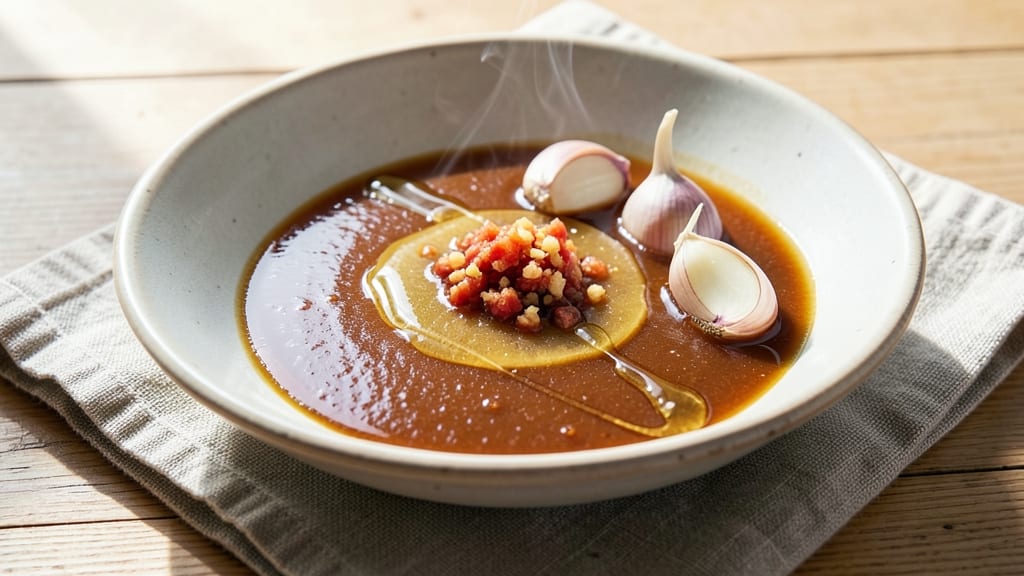
This Asian glaze sauce transforms grilled dishes into sticky-sweet caramelized perfection with just five simple ingredients—no complicated techniques required. The secret lies in balancing honey's richness with soy sauce's umami depth while letting aromatics like ginger and garlic infuse every drop.
I've perfected this recipe over years of testing, ensuring it's foolproof whether you're glazing meats, drizzling over vegetables, or using it as a dipping sauce.
The sauce starts with a quick simmer of honey, soy sauce, and vinegar, creating a glossy base that caramelizes beautifully when reduced. Fresh garlic and ginger add aromatic layers, while a touch of sesame oil brings nutty warmth.
The result is a versatile glaze that clings to everything it touches—think crispy chicken, seared salmon, or even roasted vegetables—without overwhelming their natural flavors.
What makes this glaze truly special is its dual-purpose magic: use it as a finishing touch for restaurant-quality shine or as a dip for extra moisture. The sauce thickens slightly as it cools, creating that signature sticky-sweet texture that's irresistibly addictive.
Best of all, it keeps well in the fridge for up to two weeks, making it a pantry staple for any home cook.
Whether you're marinating proteins, basting while grilling, or drizzling over finished dishes, this glaze elevates everything it touches. The balance of sweet, salty, and aromatic notes ensures it works with both bold and delicate flavors. Let's make it—your taste buds will thank you.
Ingredients for asian glaze sauce
Five pantry staples create this sticky-sweet caramelized glaze that transforms grilled dishes instantly.
| Ingredient | Amount | Notes |
|---|---|---|
| Honey 🍯 | ½ cup | High-quality, liquid variety |
| Low-Sodium Soy Sauce 🥢 | ⅓ cup | Kikkoman preferred for balance |
| Rice Vinegar 🍶 | ¼ cup | White vinegar substitute works |
| Fresh Ginger 🧄 | 2 tbsp | Finely grated, aromatic punch |
| Garlic Cloves 🧄 | 3 cloves | Minced, fresh for best flavor |
| Toasted Sesame Oil 🫒 | 1 tbsp | Adds nutty depth at the end |
| Diamond Crystal Kosher Salt 🧂 | ½ tsp | Adjusts seasoning balance |
Honey is the heart of this glaze—local raw honey adds floral notes, while store-bought works perfectly fine. Kikkoman soy sauce gives the best umami balance, but any low-sodium brand will do. For vinegar, rice vinegar keeps it authentic, though white vinegar works in a pinch. Fresh ginger and garlic? Grab the pre-grated ginger from the store if you're short on time—it's still better than dried. Sesame oil is non-negotiable for that nutty finish, so buy the toasted kind if possible.
No honey? Maple syrup or agave works in a 1:1 swap, though the flavor shifts slightly. Short on soy sauce? Coconut aminos mimic the umami, but add a pinch of salt to compensate. Dried ginger? Use half the amount—it's potent stuff. The garlic can be roasted for a sweeter profile if you're feeling fancy. And if you're out of sesame oil, toasted sesame seeds (1 tsp) can add a little crunch instead.
This glaze keeps beautifully—two weeks in the fridge, three months frozen. For freezing, portion into ice cube trays and pop out for single-use servings. The sauce thickens as it cools, so reheat gently and thin with a splash of water if needed. I always double the batch—one for grilling, one for dipping. Trust me, you'll use it all.
Why You'll Love This Recipe
- Five-Ingredient Magic: I swear by this combo—honey, soy sauce, vinegar, ginger, and garlic—because it’s the bare minimum to get real flavor. No weird pantry searches or obscure spices; just what you already have (or can grab in two seconds).
- Dual-Purpose Sauce: Slather it on grilled chicken for dinner, toss it with stir-fried veggies for lunch, or drizzle it over rice and eggs for breakfast. Honestly, I’ve used it in everything, and it never lets me down—especially when I’m meal prepping for the week.
- Sweet-Savory Balance: That honey cuts through the saltiness of the soy sauce while the ginger and garlic add a zing that sticks with you. It’s not too sweet, not too tangy—just right, like someone tuned it for your taste buds.
- Leftovers That Last: Make a double batch and store it in the fridge for up to two weeks. I always do because once it’s in my fridge, it disappears—on tacos, in noodle bowls, even as a dip. Zero waste, maximum convenience.
Step-by-step instructions for Asian glaze sauce
Here's how to craft a perfectly balanced glaze that caramelizes beautifully and enhances any grilled dish.
Combine Wet Ingredients for the Base
In a medium saucepan, combine the 0.5 cup honey and 0.33 cup low-sodium soy sauce. Place the pan over medium-low heat and bring to a gentle simmer, stirring occasionally to prevent scorching. The mixture should bubble softly while maintaining even heat distribution.
Watch closely as the honey begins to thin and the soy sauce integrates completely—this usually takes about 3-4 minutes. You'll notice the aroma intensify as the natural sugars in the honey start caramelizing. This foundational step creates the sticky-sweet backbone of your glaze, so don't rush it. If you see any dark spots forming, immediately reduce the heat to low to prevent burning.
Add Aromatics and Acid for Depth
Once the honey-soy mixture is fully combined and simmering gently, add the 0.25 cup rice vinegar and 2 tablespoons finely grated fresh ginger. Stir well to incorporate, then add the 3 minced garlic cloves. The vinegar will cause the mixture to bubble vigorously for about 1 minute—this is normal and actually helps develop the sauce's complexity.
Let the sauce continue simmering for another 4-5 minutes until it reduces slightly and the raw garlic aroma gives way to a more mellow, aromatic quality. You're looking for a sauce that coats the back of a spoon with a glossy sheen. If the sauce seems too thick at this stage, you can add 1-2 tablespoons water to help it flow more freely later.
Simmer Until Caramelized Perfection
Continue simmering the sauce uncovered for 10-12 minutes, stirring occasionally to prevent sticking. As it reduces, you'll notice it darkening slightly and becoming more concentrated. The honey will caramelize further, creating that beautiful amber color and rich flavor we're after.
You'll know it's ready when the sauce reaches a consistency where it coats the back of a spoon but still flows freely—about the thickness of light syrup. The aroma should be complex, with notes of caramelized honey, umami from the soy sauce, and bright acidity from the vinegar. If you taste it now, it should be sweet, salty, and tangy with a subtle ginger-garlic punch.
Finish with Toasted Sesame Oil
Remove the sauce from heat and immediately stir in the 1 tablespoon toasted sesame oil. This final addition adds a nutty depth that balances the sweetness and enhances the overall flavor profile. The oil should be incorporated completely, giving the sauce a glossy sheen and rich texture.
Let the glaze rest for 5 minutes before using. This resting period allows the flavors to meld completely and the sauce to reach its ideal consistency. The glaze should be thick enough to cling beautifully to grilled meats or vegetables but still flow smoothly when brushed on. If you find it's too thick after resting, you can thin it slightly with a splash of warm water.
Use Immediately for Best Results
Transfer the glaze to a small bowl or sauceboat for serving. This sauce is best used immediately on freshly grilled dishes—think salmon, chicken, or even grilled vegetables. Brush it on generously during the last 2-3 minutes of grilling to achieve that perfect caramelized crust while keeping the interior juicy.
The glaze will continue to develop flavor as it sits, so if you're not using it immediately, store it in an airtight container in the refrigerator for up to 1 week. When ready to use, gently reheat it in a small saucepan over low heat, stirring occasionally, until it reaches a pourable consistency. The beauty of this glaze is its versatility—it works equally well as a marinade, basting sauce, or finishing drizzle.
Pro Tips For Making Asian Glaze Sauce
- SIMMER LOW AND SLOW: After burning the garlic-ginger base twice, I learned to keep the heat at a gentle simmer—not a rolling boil. This lets the flavors meld without turning the honey into caramelized sugar sludge. If you’re impatient, at least keep it under 150°F (65°C)—your sauce will thank you.
- GRATE GINGER FINE: That chunky ginger you’re eyeing? Toss it. Use a microplane or fine grater for a texture that dissolves cleanly into the sauce. I used to dice it, and it’d linger like tiny rocks—now it blends in smoothly, giving real depth without chewing.
- SWEAT GARLIC FIRST: Skip the sizzle—cook the minced garlic in oil over medium-low until it’s just fragrant, not brown. Browned garlic adds bitterness, and this sauce is all about balance. A full 2–3 minutes of softening makes the difference between subtle and overpowering.
- STIR IN HONEY LAST: Add the honey when the sauce is off the heat or at the very end—it burns faster than you’d think. I used to toss it in early, and half the time, I’d end up with a slightly bitter, overcooked glaze. Now I just let it swirl in at the last second for that glossy, sweet finish.
Health benefits of this recipe
Natural Energy Boost
This glaze sauce packs a natural energy boost thanks to its honey base, which provides quick-release carbohydrates for immediate fuel. A single 2-tablespoon serving delivers about 16 grams of natural sugars—perfect for pre- or post-workout recovery.
The soy sauce adds a touch of plant-based protein (around 2 grams per serving), while the ginger and garlic contribute anti-inflammatory compounds that help reduce muscle soreness. 💪
Antioxidant-Rich Ingredients
The ginger and garlic in this sauce are powerhouses of antioxidants, with gingerol and alliin compounds that combat oxidative stress in your body. Fresh garlic alone contains alicin, a potent antioxidant that may help lower blood pressure and cholesterol levels.
Even the toasted sesame oil contributes vitamin E, which supports skin health and immune function. It’s a flavorful way to sneak in these health benefits!
Gut-Friendly Fermentation Potential
While this sauce isn’t fermented, the rice vinegar and soy sauce provide probiotic-friendly acids that can support gut health when consumed regularly. The low-sodium soy sauce (like Kikkoman) is also a great source of isoflavones, plant compounds linked to heart health and reduced inflammation.
For an extra gut boost, try adding a splash of miso paste (just 1 teaspoon) when reheating—it introduces beneficial bacteria that ferment naturally. 🌱
Blood Sugar Balance
Despite its sweetness, this glaze is surprisingly blood-sugar-friendly when used in moderation. The honey’s natural fructose and glucose are balanced by the protein and fiber from soy sauce and aromatics, preventing spikes.
Pairing it with lean proteins (like grilled chicken or fish) or fiber-rich veggies (like bell peppers or broccoli) further slows sugar absorption. For a lower-glycemic option, reduce the honey to 3 tablespoons and add 1 teaspoon maple syrup instead.
Anti-Inflammatory Benefits
The ginger and garlic in this sauce are well-known for their anti-inflammatory properties, thanks to compounds like 6-gingerol and diallyl disulfide. Regular consumption of these ingredients has been linked to reduced joint pain and improved circulation.
Even the sesame oil contains sesamin, a compound that may help lower inflammation markers in the body. It’s a delicious way to incorporate these healing ingredients into your meals! ✨
Versatile Nutrient Pairings
This glaze isn’t just delicious—it’s a nutrient multiplier when paired with the right foods. Drizzling it over grilled salmon adds omega-3s, while using it on tofu or tempeh boosts plant-based protein.
For a veggie-packed dish, toss it with grilled asparagus or eggplant to enhance their natural antioxidant content. The umami depth from soy sauce also makes it a great match for mushrooms or Brussels sprouts, creating a flavor-packed, health-boosting combo.
Nutrition facts
Frequently asked questions
Can I make this glaze sauce without honey?
Yes! For a lower-sugar option, substitute honey with 3 tablespoons maple syrup or agave. The flavor will be slightly less caramelized, but still delicious. For a savory twist, try 1/4 cup brown sugar or coconut sugar instead—just reduce the soy sauce by 1 tablespoon to balance the sweetness.
How do I prevent the glaze from burning while simmering?
Keep the heat at medium-low and stir frequently. If you see dark spots forming, immediately reduce to low heat or remove from heat for 30 seconds. For extra insurance, use a heavy-bottomed saucepan—it distributes heat more evenly and prevents scorching.
What's the best way to store leftover glaze?
Transfer to an airtight container and refrigerate for up to 2 weeks. For longer storage, freeze in 1-tablespoon portions (ice cube trays work great). Thaw overnight in the fridge before using. Reheat gently over low heat or in the microwave for 10-15 seconds—add a splash of water if it thickens too much.
Can I use this glaze on non-grilled dishes?
It works perfectly as a dipping sauce for spring rolls, dumplings, or fried rice. Drizzle it over stir-fried vegetables or roasted meats for extra shine. For baked dishes, brush it on pork chops or salmon during the last 5 minutes of baking to create a caramelized crust.
Why did my glaze turn too thick?
This happens when it reduces too much. Thin with 1-2 teaspoons warm water and stir until smooth. For future batches, remove from heat 1 minute earlier and let it rest before checking consistency. If it thickens after refrigeration, reheat with 1 teaspoon water per 2 tablespoons sauce while stirring constantly.