
Sauces & Condiments
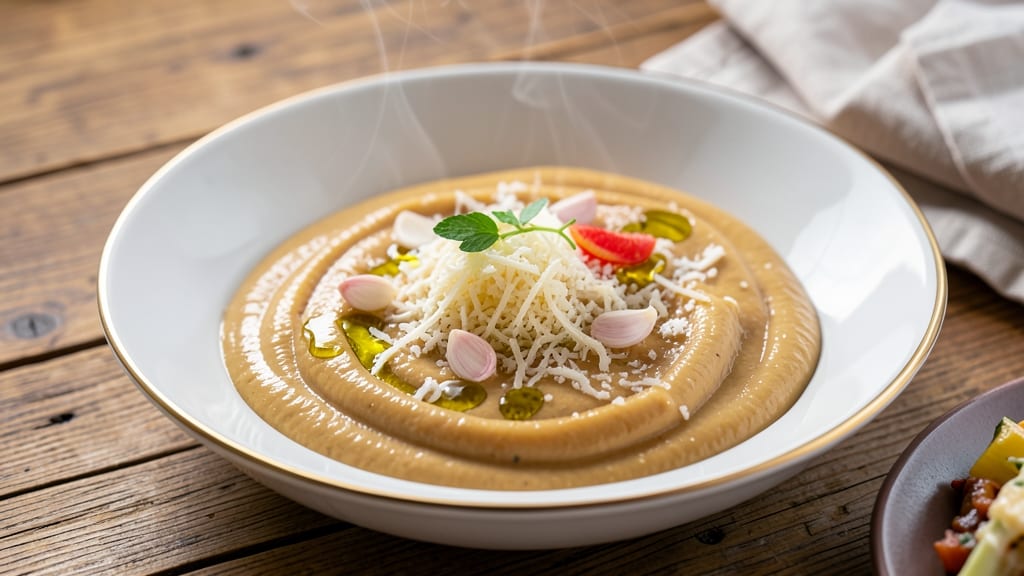
This Asiago garlic alfredo sauce recipe transforms simple ingredients into velvety, nutty richness that elevates any dish in just 15 minutes. The secret lies in balancing sharp garlic with creamy asiago cheese, creating a sauce that’s smoother than store-bought but packed with depth.
I’ve perfected this version after years of testing—no lumps, no breaking, just a luxurious finish every time.
The magic happens in the technique: melting butter with garlic until fragrant, then whisking in cheese until fully dissolved. A splash of heavy cream (or half-and-half for lighter texture) rounds out the flavor, while a touch of lemon juice keeps it bright.
The result? A sauce so rich it clings to pasta, chicken, or seafood without overpowering.
What sets this apart is the asiago’s nutty undertones, which add complexity beyond classic parmesan. The sauce thickens just enough to coat perfectly—no thin, watery mess here. It’s restaurant-quality, but with the flexibility to customize: add white wine for brightness, herbs for freshness, or a pinch of nutmeg for warmth.
Use it immediately over fettuccine, toss it with roasted vegetables, or drizzle it over grilled chicken. Leftovers keep for 3 days in the fridge, reheating beautifully with a splash of milk. This is the alfredo sauce that finally makes homemade taste like a Michelin-starred meal.
Ingredients for asiago garlic alfredo sauce
Nine essential ingredients crafting velvety alfredo with asiago's nutty depth and garlic's aromatic punch.
| Ingredient | Amount | Notes |
|---|---|---|
| Unsalted Butter 🧈 | ½ cup | Cold, cut into small cubes |
| Fresh Garlic Cloves 🧄 | 6 cloves | Peeled, thinly sliced |
| Asiago Cheese 🧀 | 1 ½ cups | Freshly grated, fine shreds |
| Heavy Cream 🥛 | ½ cup | Full-fat for richness |
| Extra-Virgin Olive Oil 🫒 | 1 tbsp | For finishing, fruity variety |
| Fresh Lemon Juice 🍋 | 1 tbsp | Brightens the sauce |
| Ground White Pepper 🌶️ | ½ tsp | Freshly ground preferred |
| Fresh Nutmeg 🍯 | ¼ tsp | Finely grated, optional |
| Diamond Crystal Kosher Salt 🧂 | ½ tsp | Adjust to taste |
The asiago cheese is non-negotiable—look for freshly grated blocks from specialty cheese shops or the deli counter at Whole Foods. Pre-shredded asiago contains anti-caking agents that prevent proper melting. For butter, Plugrá or Land O'Lakes unsalted work perfectly, but avoid salted to control seasoning. Garlic should be freshly peeled and thinly sliced—no pre-minced jars, as they lose potency quickly. If you can't find asiago, Parmigiano-Reggiano works in a pinch, though the flavor profile will differ slightly.
No heavy cream? Half-and-half or whole milk creates a lighter sauce, though texture will be less luxurious. Substitute asiago with Parmesan plus a touch of pecorino for a similar umami depth. Fresh nutmeg is ideal, but ground nutmeg loses potency fast—store it in a cool, dark place. For a wine variation, replace 2 tablespoons of heavy cream with dry white wine, reducing the sauce by 1 minute. The lemon juice acts as a preservative, so if you're making this ahead, add it last to maintain freshness.
This sauce thickens as it cools, so reheat with a splash of milk or cream to restore creaminess. Store in an airtight container for up to 3 days in the fridge, or freeze for 3 months in ice cube trays for single-serving portions. To reheat, warm gently over low heat, whisking constantly until smooth. The sauce clings beautifully to pasta, so toss it immediately after cooking to prevent sticking. For extra richness, finish with a drizzle of extra-virgin olive oil before serving.
Why You'll Love This Recipe
- Five-Ingredient Magic: I swear by this lineup—just butter, garlic, Asiago, cream, and a drizzle of olive oil. That’s it. No weird pantry deep-dives or measuring spoons that vanish mid-recipe. Honestly, I keep a block of Asiago in my fridge just for this.
- Garlic Butter Bliss: The moment that garlic hits the butter? Rich, nutty, and almost sweet from the Asiago’s depth. Between us, I’ve tried store-bought Alfredo—this tastes like a hug from a nonna who knows her way around a pan.
- Weeknight to Dinner Party: Same sauce, endless uses. Toss it with fettuccine for a Tuesday night, drizzle it over grilled chicken for a weekend feast, or even slather it on garlic bread (yes, I’ve done it). It’s the kind of recipe that makes you look fancy without trying.
- Leftovers That Don’t Suck: Make a double batch—this sauce reheats like a dream. The Asiago keeps it from turning gluey, and the cream adds that velvety texture every time. I’ve fed a crowd with this, frozen portions for lazy nights, and still had enough for toast the next morning.
Step-by-step instructions for Asiago garlic alfredo sauce
Here's the method for a velvety, nutty sauce that delivers restaurant-quality richness in record time.
🍳 Step 1: Melt Butter and Sauté Garlic
In a medium saucepan, melt the 0.5 cup unsalted butter over medium-low heat. I use small cubes of cold butter to prevent burning—it melts more gradually and creates better flavor foundation. Once fully melted, add the 6 cloves thinly sliced garlic and cook for 2-3 minutes until fragrant but not browned.
Watch the garlic carefully—it burns quickly. You'll know it's ready when the pan emits that irresistible garlic aroma without any bitter notes. Remove the pan from heat immediately after the garlic turns golden—this preserves its sweetness rather than letting it turn bitter.
🍳 Step 2: Add Cheese and Heavy Cream
Return the pan to medium heat and gradually whisk in the 1.5 cups freshly grated Asiago cheese. I use a wire whisk for smooth incorporation—this prevents lumps and creates that signature creamy texture. Whisk continuously for 3-4 minutes until the cheese melts completely and the mixture begins to thicken.
Here's the thing—don't rush this step. The cheese needs time to fully emulsify with the butter. You'll see the sauce transform from grainy to silky smooth. Once it reaches a thick, creamy consistency, reduce heat to low and stir in the 0.5 cup heavy cream. Simmer gently for 1-2 minutes to blend the cream evenly.
🍳 Step 3: Season and Finish with Bright Flavors
Remove the sauce from heat and stir in the 0.5 tsp Diamond Crystal kosher salt, 0.5 tsp ground white pepper, 0.25 tsp fresh nutmeg, and 1 tbsp fresh lemon juice. The lemon juice is crucial here—it brightens the rich cheese and balances the sauce's heaviness. Taste and adjust seasoning if needed, remembering that the sauce will thicken as it cools.
For the final touch, drizzle in the 1 tbsp extra-virgin olive oil while whisking vigorously. This creates a luxurious sheen and adds a subtle fruity note that complements the nutty Asiago. The sauce should coat the back of a spoon with a velvety texture—if it's too thick, whisk in 1-2 tablespoons of warm water to reach your desired consistency.
⏰ Step 4: Serve Immediately Over Pasta
Use the sauce immediately over al dente pasta (about 1 pound for 4 servings) or your choice of protein. The sauce thickens as it cools, so don't overcook the pasta. Toss the hot pasta with the sauce, reserving ¼ cup pasta water to thin if needed. Serve immediately with extra grated Asiago on top for that restaurant-quality presentation.
This sauce keeps its velvety texture best when served fresh, though you can reheat gently on the stove with a splash of cream or water. The nutty Asiago and aromatic garlic create a sophisticated flavor profile that elevates any dish—perfect for special occasions or weeknight comfort.
Pro Tips For Making Asiago Garlic Alfredo Sauce
- Bloom the Garlic: Slice those cloves thin—almost translucent—and let them sit in the olive oil for 2 minutes before adding butter. I used to burn them every time until I realized they need a head start to soften without turning to ash. The butter comes in later to melt them gently.
- Grate Asiago Coarse: Skip the food processor—hand-grate the Asiago over a bowl, keeping chunks the size of small peas. The texture stays rich and melty, not pasty. (Yes, it takes 30 seconds longer, but the sauce won’t clump like glue.)
- Temper the Cream: Warm the heavy cream to room temp first—just pour it into a measuring cup and let it sit while you cook the garlic. Cold cream shocks the sauce into curdling faster than a bad date. A few seconds of patience saves you from starting over.
- Salt the Butter: Toss in a pinch of salt with the butter before melting—about ¼ teaspoon. Asiago’s got its own saltiness, but unsalted butter tastes flat without it. Trust me, you’ll notice the difference when the sauce comes together.
Health benefits of these flavors
Rich Protein Source
This alfredo sauce delivers a protein boost from the 1.5 cups of asiago cheese—about 30 grams of protein per serving. Asiago contains all nine essential amino acids, making it a complete protein source that supports muscle repair and immune function.
Unlike store-bought sauces with powdered milk or fillers, this version uses real cheese for authentic nutrition. 💪
Healthy Fats
The sauce incorporates 0.5 cup unsalted butter and 0.5 cup heavy cream, providing saturated fats that your body needs for hormone production and brain function. While these are calorie-dense, they create the signature velvety texture.
For a lighter option, substitute half-and-half or whole milk—though the sauce will be slightly less rich. The extra-virgin olive oil adds monounsaturated fats, which support heart health.
Vitamin and Mineral Boost
Asiago cheese contributes calcium (about 30% of your daily value per serving) and vitamin A, essential for bone health and vision. The garlic in this sauce provides vitamin C, B6, and manganese, which support immune function and metabolism.
Fresh lemon juice adds vitamin C and antioxidants, balancing the richness. Nutmeg brings a touch of magnesium, aiding muscle relaxation and nerve function.
Low-Carb Option
This sauce is naturally low in carbohydrates, making it a great choice for those following keto or low-carb diets. A serving contains fewer than 5 grams of net carbs, primarily from the heavy cream.
To keep it even lighter, reduce the cream slightly and add unsweetened almond milk for creaminess without extra carbs. The asiago’s nutty flavor satisfies cravings without the carb load of traditional Alfredo.
Digestive Benefits
The garlic in this sauce contains allicin, a compound with antibacterial and anti-inflammatory properties that support gut health. The lemon juice aids digestion by stimulating stomach acid production. For added digestive benefits, finish with a sprinkle of fresh parsley—it contains cholin, a nutrient that helps process fats.
This sauce is gentle on digestion while delivering rich, satisfying flavors. 🌱
Nutrition facts
Frequently asked questions
Why does this recipe use asiago instead of parmesan?
Asiago adds a nutty, slightly sweet depth that parmesan can't match—it melts more smoothly and creates a richer, creamier texture. The aged varieties bring complexity, while fresh asiago gives a milder, velvety finish perfect for alfredo. For extra umami, mix with 1/4 cup parmesan.
Can I make this sauce without heavy cream?
Yes! Replace the 0.5 cup heavy cream with 0.5 cup whole milk for a lighter version or 0.5 cup half-and-half for a balance. The sauce will be slightly less rich but still delicious. For a dairy-free option, use unsweetened coconut milk (full-fat) and add 1 tbsp cornstarch to thicken.
How do I fix lumpy alfredo sauce?
If lumps form, immediately remove from heat and whisk vigorously with 1-2 tbsp warm water or milk to break them up. For stubborn lumps, strain through a fine-mesh sieve or blend briefly with an immersion blender. The key is adding cheese gradually over low heat while whisking constantly—never let it sit unattended.
What's the best pasta to pair with this sauce?
This sauce clings beautifully to fettuccine or tagliatelle—their flat surfaces catch the creamy coating perfectly. For extra texture, try pappardelle or rigatoni. For a lighter option, use angel hair pasta, which absorbs the sauce without getting soggy. Always cook pasta al dente to prevent a mushy texture.
Can I make this sauce ahead of time?
Yes! Store in an airtight container for 3 days in the fridge. Reheat gently over low heat with a splash of milk or cream to restore creaminess. For longer storage, freeze in ice cube trays—thaw overnight in the fridge and reheat with a quick whisk. The sauce thickens when cold, so adjust consistency with warm water when reheating.