
Sauces & Condiments
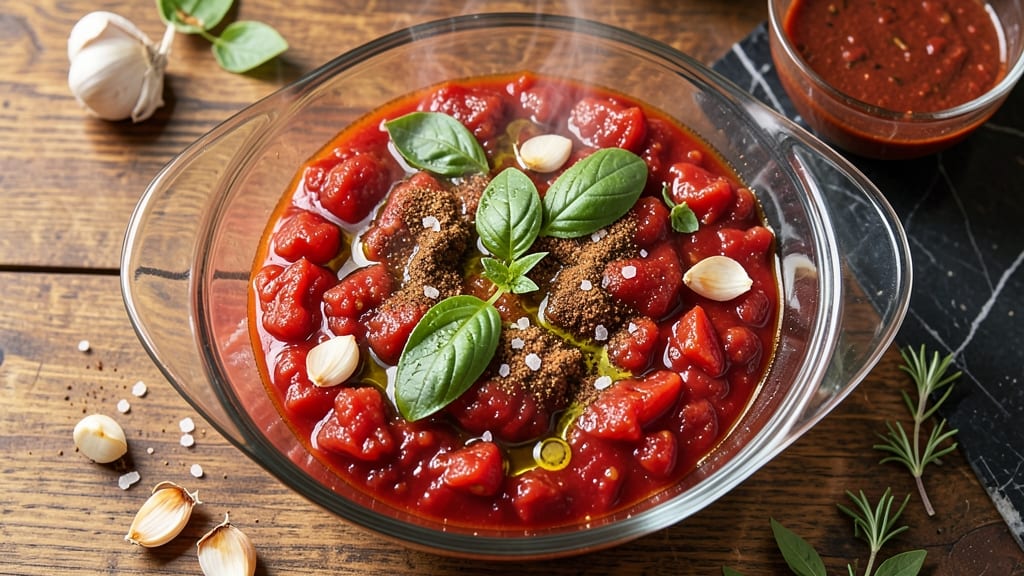
This artisan pizza sauce recipe transforms simple tomatoes into a velvety, smoky masterpiece that elevates every pizza—no shortcuts, just deep flavor. The secret lies in slow simmering San Marzano tomatoes with garlic, olive oil, and a touch of smoked paprika to build complex layers, finished with fresh basil for brightness.
Every spoonful delivers that authentic Italian restaurant taste, but with a technique you can master at home.
What sets this sauce apart is the balance of acidity and richness—no sugar overload or canned tomato paste here. We start with whole peeled tomatoes, simmered until they break down into a silky consistency, then blend with olive oil and garlic for a smooth, spreadable texture.
The key? Patience. Letting the sauce reduce slowly concentrates the flavors while preserving that vibrant red color and natural tomato sweetness.
By the time you're done, you'll have a sauce that's rich yet bright, with just the right smoky depth and herby finish. It keeps beautifully in the fridge for up to a week or freezes for months, making it perfect for batch prep.
Whether you're crafting Neapolitan-style pies or quick weeknight meals, this sauce delivers professional-quality results every time.
The best part? This recipe scales effortlessly—double or triple the batch for parties or meal prep. For variations, try adding a splash of balsamic vinegar for tang, or swap in sun-dried tomatoes for extra umami.
The possibilities are endless, but the foundation remains the same: simple, high-quality ingredients transformed into something extraordinary.
Ingredients for artisan pizza sauce
Eight ingredients. One slow simmer. Restaurant-quality pizza sauce at home.
| Ingredient | Amount | Notes |
|---|---|---|
| San Marzano Tomatoes 🍅 | 28 oz | Whole, peeled, crushed by hand |
| Extra-Virgin Olive Oil 🫒 | ½ cup | High-quality, fruity variety |
| Garlic Cloves 🧄 | 4 cloves | Fresh, minced finely |
| Smoked Paprika 🌶️ | 1 tbsp | For authentic smoky depth |
| Fresh Basil Leaves 🌿 | ¼ cup | Packed, stems removed |
| Sea Salt 🧂 | ½ tsp | Diamond Crystal preferred |
| Black Pepper 🌶️ | ¼ tsp | Freshly cracked |
| Balsamic Vinegar 🍷 | 1 tbsp | Optional for tangy finish |
San Marzano tomatoes are the secret weapon here—sweeter and less acidic than regular canned tomatoes, which keeps the sauce bright. Grab a 28-oz can from Trader Joe's or Costco—they're pre-peeled and crushed, saving you time. The olive oil matters too: avoid cheap brands—look for extra-virgin with fruity notes. Fresh garlic and basil should smell vibrant, not wilted. If your basil looks sad, toss it in ice water for 10 minutes to perk it up.
No smoked paprika? Regular paprika plus a pinch of liquid smoke works in a pinch (start with 1/4 tsp and adjust). Swap the balsamic for red wine vinegar if you prefer sharper acidity. Short on time? Sun-dried tomatoes add umami depth—soak a few in warm water first. The sauce will thicken as it cools, so if it's too thick after blending, stir in a splash of water or tomato juice. For extra richness, add a pat of vegan butter at the end.
This sauce tastes even better the next day as flavors meld. Store in an airtight container in the fridge for up to 1 week or freeze for 3 months in ice cube trays for single-use portions. Label containers—trust me, you'll forget what's in there. Double the batch and freeze half; you'll thank yourself later when pizza night rolls around.
Why You'll Love This Recipe
- Same sauce, endless uses: slather it on crusts, toss it with pasta, or drizzle it over grilled veggies. I’ve served it at potlucks, game nights, and lazy Sundays—it’s the one thing I never have to stress over.
- No-Sweat Simplicity: I swear by this sauce because it’s basically foolproof—just crush tomatoes, simmer, and let the olive oil do the work. No blenders, no strainers, just a pot and 20 minutes of hands-off time while you chop toppings or pour a glass of wine.
- Smoky, Bright Magic: That smoked paprika and fresh basil? It’s the secret weapon—deep, earthy warmth with a bright punch that cuts through even the cheesiest pizza. Honestly, I’ve tasted store-bought sauces that can’t compete with this simple combo.
- Weeknight to Party: Same sauce, endless uses: slather it on crusts, toss it with pasta, or drizzle it over grilled veggies. I’ve served it at potlucks, game nights, and lazy Sundays—it’s the one thing I never have to stress over.
Step-by-step instructions for artisan pizza sauce
Here's how to craft a pizza sauce with smoky depth and bright basil notes that'll make your pies taste like you spent hours in a Neapolitan kitchen.
Crush the San Marzano Tomatoes by Hand
Take the 28 oz San Marzano tomatoes and gently crush them with your hands over a medium bowl. I like to work in batches—hold one tomato at a time and squeeze firmly while rotating it between your palms. You want to break them down into small chunks with just a few seeds remaining, not a puree. This texture gives your sauce body without losing that fresh tomato brightness.
The reason we crush by hand is to preserve the tomato's natural structure, which helps prevent a watery sauce. You'll notice the tomatoes release their juices as you work—they should yield about 2 cups of crushed tomatoes with some liquid. If you're using canned tomatoes, skip this step and just drain them well.
Sauté Garlic in Olive Oil Until Fragrant
Heat the 0.5 cup extra-virgin olive oil in a medium saucepan over medium heat. Add the 4 cloves of finely minced garlic and cook for about 1 minute, stirring constantly. You want the garlic to just barely turn golden—it should smell heavenly but not brown. This step is crucial because overcooked garlic turns bitter, which will ruin your sauce.
Here's the thing—garlic burns faster than you think. Keep your eyes on the pan and stir every 10 seconds. Once the garlic is golden and fragrant, immediately remove the pan from heat. This prevents the garlic from cooking further while you add the tomatoes.
Simmer the Tomato-Garlic Mixture
Return the pan to medium-low heat and add the crushed tomatoes, 1 tbsp smoked paprika, 0.5 tsp sea salt, and 0.25 tsp black pepper. Stir everything together and bring to a gentle simmer. Let it cook uncovered for 20-25 minutes, stirring occasionally. You're looking for a thick, jammy consistency—the sauce should coat the back of a spoon when you stir it.
During this time, the acidity in the tomatoes will mellow out, and the flavors will meld together. I like to taste the sauce after 15 minutes to check the seasoning. If it needs more salt, add it now—you can't fix underseasoned sauce later. The sauce should reduce by about half, leaving you with a rich, concentrated tomato base.
Finish with Fresh Basil and Balsamic
Once the sauce has thickened, remove it from heat and stir in the 0.25 cup packed fresh basil leaves and 1 tbsp balsamic vinegar. Let the mixture sit for 5 minutes to steep—this allows the basil's bright flavor to infuse the sauce. The balsamic adds a subtle tang that balances the sweetness of the tomatoes.
Taste the sauce one final time and adjust the seasoning if needed. The basil will make the sauce look vibrant and green—this is your visual cue that it's ready. For best results, use the sauce immediately or store it in the refrigerator for up to 5 days. If storing, let it cool completely before transferring to an airtight container.
Pro Tips For Making Artisan Pizza Sauce
- Simmer Low and Slow: Don’t rush the tomatoes—after crushing them, keep the heat at a gentle simmer (around 180°F/82°C) for at least 30 minutes. I’ve seen people crank it up high, but you’ll end up with a watery, bitter mess instead of that rich, velvety texture you want.
- Peel the Garlic Right: Mince the garlic cloves after crushing the tomatoes, not before. The acid in the tomatoes softens the skins, making them easier to chop finely—no more struggling with stubborn cloves or uneven bits that burn before the sauce is done.
- Skip the Overmixing: Stir the sauce just enough to combine, then let it sit. Overworking it releases pectin and turns it gluey. I learned this the hard way when my sauce turned into a thick, cloying paste instead of a light, spreadable sauce.
- Toast the Paprika: Heat the smoked paprika in a dry pan for 30 seconds until fragrant—it deepens the flavor without bitterness. Fresh basil can’t hide a poorly toasted spice, so don’t skip this step if you want that smoky depth to shine through.
Wine and beer pairings for this recipe
Classic Italian Reds
For this smoky, tomato-forward sauce, I reach for a Chianti Classico—specifically a 2021 Ruffino Chianti—because its bright acidity and cherry notes cut through the richness of the sauce beautifully.
The medium body and subtle earthiness complement the basil finish without overpowering it. Serve slightly chilled to let the flavors sing. 🍷
If you prefer something lighter, a Pinot Grigio from Alto Adige—like Caldiera Pinot Grigio—works wonders. Its crisp citrus notes refresh your palate between bites of pizza. Avoid heavy, oaked whites or bold reds that would clash with the sauce's delicate balance.
Crisp Italian Lagers
For beer lovers, a Peroni or Moretti is my go-to Italian lager pairing. The crisp, clean profile cleanses your palate between rich bites of pizza, letting the sauce's smoky depth shine. The slight effervescence also helps cut through the fat from cheese toppings.
Looking for something with a bit more character? Try a Belgian witbier like Stella Artois Wit—its coriander and citrus notes create an unexpected but delicious contrast with the basil and smoked paprika. Avoid heavy IPAs or malty stouts that would overpower the sauce.
Unexpected Wine Pairings
Here's a fun twist: a dry Rosé from Provence—like Whispering Angel—pairs surprisingly well with this sauce. The strawberry and citrus notes bridge the gap between the tomato base and basil finish. Serve it slightly chilled for the best experience.
For a bold option, a Sangiovese-based red blend—such as Mastroberardino Taurasi—adds depth to the meal. The sauce's smokiness complements the red's earthy notes, creating a harmonious balance that feels both rustic and refined.
Seasonal Beer Swaps
In summer, I love pairing this sauce with a radler—half lager, half sparkling water with a citrus twist. The lightness keeps the meal feeling fresh, while the bubbles help cleanse your palate. Look for Radeberger Radler for a classic German option.
For fall and winter, a dark Belgian ale like Duvel adds a malty contrast that stands up to the sauce's richness. The caramel and toasty notes create a cozy, hearty pairing perfect for cooler months.
Nutrition facts
Frequently asked questions
Why crush San Marzano tomatoes by hand instead of blending them?
Crushing by hand preserves the tomato's natural texture, preventing a watery sauce. The slight chunkiness gives body while keeping the bright tomato flavor intact. Blending creates a thinner, less vibrant sauce that lacks the authentic Neapolitan texture.
Can I make this sauce without smoked paprika?
Yes! Use 1/4 tsp liquid smoke plus 1 tbsp regular paprika for a similar effect. For a different flavor profile, try 1/2 tsp dried oregano instead. The key is balancing the smoky depth with fresh basil's brightness.
How do I fix a sauce that's too thick or too thin?
For thick sauce, stir in 1 tbsp water or tomato juice while warm. If too thin, simmer uncovered for 5-10 more minutes to reduce. Remember: the sauce thickens as it cools, so don't over-reduce.
What's the best way to store homemade pizza sauce?
Store in an airtight container in the fridge for up to 5 days or freeze for 3 months. For freezing, portion into ice cube trays—perfect for single-use portions. Always let it cool completely before storing to prevent condensation.
Can I use this sauce for other dishes besides pizza?
It works perfectly for pasta, lasagna, or as a marinade for chicken. The smoky depth and fresh basil make it versatile—just adjust seasoning slightly for each application. Try it on grilled vegetables too!