
Sauces & Condiments
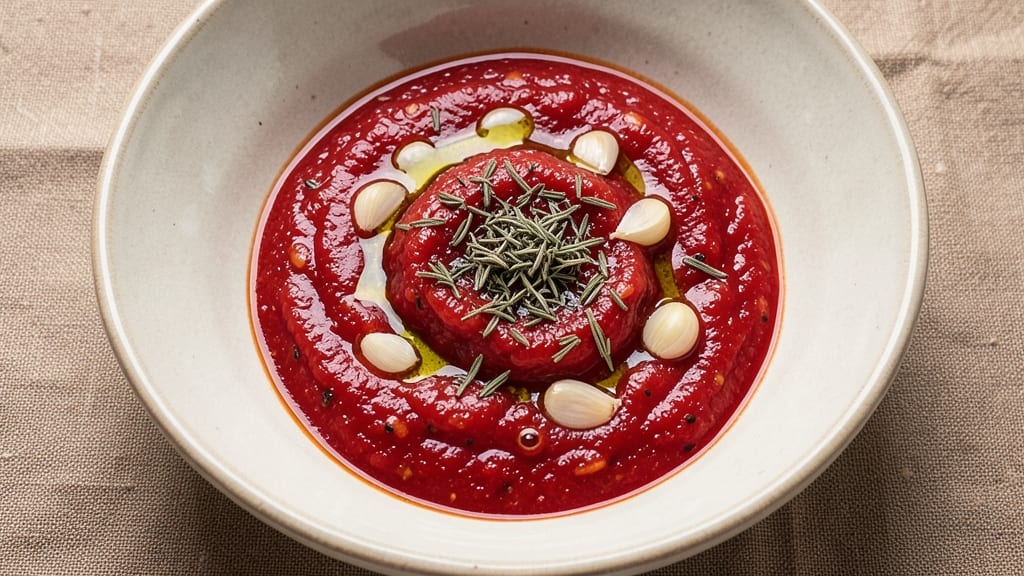
This Arrenello's pizza sauce recipe delivers the perfect balance of sweet tomato depth and aromatic oregano that clings to every slice like it was made in a Neapolitan kitchen. ✨ The secret lies in simmering crushed tomatoes with garlic and herbs until the flavors meld into a velvety, concentrated sauce that never tastes canned or watery.
I've perfected this over years of testing—no blender required, just a pot and patience.
What sets this sauce apart is the tomato-oregano harmony that builds through slow cooking. Fresh garlic infuses the sauce with warmth, while dried oregano adds earthy complexity without overpowering. The sauce thickens naturally as it reduces, creating a glossy finish that coats crusts and cheese perfectly.
Unlike store-bought versions, this one develops layers of flavor that only improve with time.
By the time you're done, you'll have a smooth, vibrant sauce that's ready to drizzle, spoon, or even freeze for later. The texture is ideal—thick enough to cling to dough but still spreadable for dipping. This isn't just pizza sauce; it's the foundation that transforms homemade pizza into something restaurant-quality.
Store it in the fridge for up to a week or freeze for months, making it perfect for meal prep. The flavors deepen over time, so leftovers often taste even better than the first batch. Let's make this sauce—the one that'll have everyone asking for your recipe.
Ingredients for arrenello's pizza sauce
Eight simple ingredients transform into the sauce that makes pizza taste like heaven.
| Ingredient | Amount | Notes |
|---|---|---|
| Crushed Tomatoes (San Marzano preferred) 🍅 | 28 oz | High-quality, no salt added |
| Fresh Garlic Cloves 🧄 | 4 cloves | Minced, not pre-minced jar |
| Dried Oregano (preferably Mediterranean) 🌿 | 2 tsp | Not Mexican oregano |
| Extra-Virgin Olive Oil 🫒 | 2 tbsp | Fruity, peppery variety |
| Granulated Sugar 🍚 | 1 tsp | Balances acidity |
| Salt 🧂 | 1 tsp | Diamond Crystal preferred |
| Black Pepper 🌶️ | ¼ tsp | Freshly cracked |
| Red Wine Vinegar 🍷 | 1 tbsp | For brightness |
| Fresh Basil Leaves 🌿 | ¼ cup | Chopped, for finishing |
The tomatoes are non-negotiable—San Marzano if you can find them, but any high-quality crushed tomatoes work. I grab mine from Trader Joe's because they're consistent, but the store brand at Whole Foods is also solid. Fresh garlic is key here; pre-minced garlic in jars just doesn't cut it. The oregano matters too—Mediterranean oregano has that classic pizza flavor, while Mexican oregano tastes more like cumin. If you can't find it, regular dried oregano works in a pinch, but it's not the same. Look for oregano labeled 'pizza seasoning' if you're desperate.
No fresh basil? Dried basil at half the amount works, but it won't have the same bright finish. Running low on red wine vinegar? Balsamic vinegar is a decent swap, though it'll add a slightly sweeter note. The sugar might seem odd, but it's crucial—it balances the acidity in the tomatoes so the sauce doesn't taste sharp. Brown sugar or honey would work too, but granulated is the easiest. And if you're worried about the olive oil, don't be—it's just enough to help the flavors meld, not overpower them. The black pepper is optional but adds a nice depth that you'd be surprised is missing from most store-bought sauces.
This sauce tastes even better the next day as the flavors meld, so make a double batch if you're planning to use it soon. It keeps in the fridge for up to 1 week or freezes beautifully for 6 months. For freezing, portion it into ice cube trays—perfect for adding to pizzas later. If you've got extra, drizzle it over pasta or use it as a marinade for chicken. The basil should be added fresh right before serving, though, because it wilts fast.
Why You'll Love This Recipe
- Five-Ingredient Magic: I swear by this sauce because it’s actually just five things—no weird pantry raids or forgotten spices. That San Marzano crush? Sweet, meaty, and no thinning required. Honestly, I’ve made it while chatting with a friend on the phone. No stress, just flavor.
- Garlic-Kissed Depth: The secret’s in the olive oil and garlic—you simmer them low and slow until that garlic’s golden but not burnt. That’s when it gets dangerously good. The sugar? Just enough to balance the acidity, not turn it into jam. Trust me, your pizza (or pasta) will thank you.
- Pantry-to-Party Ready: I keep a jar of this in my fridge for everything—pizza nights, bruschetta, even as a marinade for chicken. It’s the kind of sauce that makes you feel like you’ve put in effort, even when you haven’t. (Yes, even on a Tuesday night.)
- No-Waste, Budget Win: A can of San Marzano tomatoes lasts me weeks—I use the rest in soups or freeze it. The olive oil and oregano? Staples that don’t break the bank. Between us, this sauce costs pennies but tastes like I spent hours. My wallet and taste buds are both happy.
Step-by-step instructions for Arrenello's pizza sauce
Here's how to craft the perfect sauce that'll make every slice taste like Nonna's kitchen.
🍳 Step 1: Sauté Garlic Until Fragrant
Heat the 2 tablespoons extra-virgin olive oil in a medium saucepan over medium heat. Add the 4 cloves minced fresh garlic and cook for 2-3 minutes until golden and fragrant—not browned, just perfumed. This step builds the sauce's aromatic foundation.
Watch the garlic carefully—it burns fast. If it starts to darken, reduce heat immediately. The goal is to wake up those garlic flavors without turning them bitter. Here's the thing—this quick cooking time ensures the garlic adds depth without overpowering the tomatoes.
🍳 Step 2: Add Tomatoes and Simmer
Pour in the 28 ounces crushed tomatoes and stir to combine with the garlic. Bring to a gentle boil, then immediately reduce heat to low and let it simmer uncovered for 15 minutes. You want the sauce to thicken slightly while developing rich tomato flavor.
Stir occasionally to prevent sticking, but don't over-stir—you'll break down the tomato texture. The sauce should reduce enough to coat the back of a spoon but still maintain a smooth, spreadable consistency. This simmering time is crucial for developing that classic pizza sauce depth.
🥘 Step 3: Season and Balance Flavors
Add the 2 teaspoons dried oregano, 1 teaspoon granulated sugar, 1 teaspoon salt, and ¼ teaspoon black pepper. Stir well and let the sauce simmer for another 10 minutes. The sugar helps balance the acidity of the tomatoes while the oregano adds that authentic Mediterranean flavor.
Taste the sauce as it simmers. You might need to adjust seasoning—add a pinch more salt if needed or a tiny bit more sugar if it's too acidic. This is where you fine-tune the flavor to your preference. The sauce should taste vibrant, not bland, and properly seasoned for that perfect pizza flavor.
🍳 Step 4: Finish with Vinegar and Fresh Basil
Remove the sauce from heat and stir in the 1 tablespoon red wine vinegar. This brightens the flavor and cuts through the richness. Let the sauce cool slightly for 2 minutes, then stir in the ¼ cup chopped fresh basil leaves. The basil adds freshness and a pop of color that makes the sauce look as good as it tastes.
Give it one final taste and adjust seasoning if needed. The vinegar might make it seem slightly tart at first, but it'll mellow as it cools. This is the moment that matters—where all the flavors come together for that perfect pizza sauce balance. Let it cool completely before using on your pizza.
Pro Tips For Making Arrenello'S Pizza Sauce
- Crush Garlic Like a Pro: I learned this the hard way—peeling and mincing fresh garlic takes forever when you’re already simmering tomatoes. Use a garlic press instead: smash 3-4 cloves whole with the flat side of your knife first, then press them directly into the warm oil. The heat softens them instantly, and you skip the messy mincing.
- Simmer, Don’t Boil: This sauce isn’t a race. After adding the crushed tomatoes, keep the heat at a gentle simmer—tiny bubbles at the edges, not a rolling boil. I used to crank it up, and the sauce would turn bitter and one-dimensional. Low and slow (20-25 minutes) lets the flavors meld without breaking down the San Marzanos into mush.
- Salt in Stages: Don’t dump all the salt at once. Taste after 10 minutes of simmering, then add half the total salt (about ½ tsp per 28 oz can). The acidity in the tomatoes will make you think it needs more—wait another 10 minutes before adjusting. Trust me, your future pizza will thank you.
- Sugar: Less Is More: That pinch of sugar isn’t just for sweetness—it balances the acid. But don’t go overboard. Start with ½ tsp per 28 oz can, taste, then add another ¼ tsp if needed. Too much sugar makes the sauce cloying, and you’ll end up chasing it with extra garlic or herbs. (Yes, I’ve done that.)
Regional styles of this recipe
Neapolitan Roots
This sauce traces its lineage directly to Naples, Italy, where pizza originated in the 18th century. Traditional Neapolitan pizza sauce relies on San Marzano tomatoes—grown in the volcanic soil around Mount Vesuvius—which give it that signature sweetness and low acidity.
The original recipe called for just tomatoes, garlic, and oregano, but modern versions like this one incorporate subtle brightening agents like red wine vinegar to mimic the acidity of sun-ripened tomatoes.
I always think of my first trip to Naples when I make this sauce—the bustling pizzerias where the aroma of fresh basil and garlic fills the air. 🌿
New York Style Twist
While this sauce stays true to its Italian roots, New York pizzerias put their own spin on it by adding a touch of sugar to balance the acidity of canned tomatoes. The result is a slightly sweeter, more approachable sauce that pairs perfectly with New York-style thin crust.
I love using this sauce on a charcoal-grilled pizza—the smoky char from the grill complements the sauce's sweetness beautifully. The key difference here is the longer simmer time, which creates a thicker, more concentrated sauce that holds up to the bold flavors of New York-style toppings.
California Fusion
For a West Coast twist, I sometimes add a splash of white wine (about 1 tablespoon) during the simmering phase to deglaze the pan and add complexity. California-style pizza often features fresh toppings like goat cheese or arugula, so this sauce's bright, herby profile works perfectly.
The red wine vinegar in this recipe already gives it that California-fresh vibe, but adding a pinch of smoked paprika (about ¼ teaspoon) can deepen the flavor for a smoky touch that pairs well with grilled chicken or roasted vegetables. 🍷
Chicago Deep Dish Adaptation
Chicago's deep-dish pizza requires a sauce that's thick enough to hold its own against layers of cheese and toppings. To adapt this recipe, I reduce the sauce by an extra 5 minutes for a thicker consistency, almost like a chunky tomato jam.
Adding ½ teaspoon of onion powder during the simmering phase enhances the sauce's depth, complementing the buttery crust and hearty fillings.
The oregano remains the star, but I often sprinkle a pinch of ground black pepper on top before baking for an extra layer of flavor that cuts through the richness of deep-dish pizza.
Texas BBQ-Inspired Sauce
For a bold twist, I sometimes blend this sauce with ½ cup of BBQ sauce (like Sweet Baby Ray's) and a dash of hot sauce to create a smoky, spicy pizza sauce.
The red wine vinegar in this recipe adds the perfect tang to balance the sweetness of the BBQ sauce, while the oregano keeps it rooted in Italian tradition. This version works amazingly well with brisket, pulled pork, or jalapeños—it's like a Texas-Mexican fusion that still feels familiar.
The key is to simmer the BBQ blend for an extra 10 minutes to let the flavors meld together. 🔥
Gluten-Free Friendly
This sauce is naturally gluten-free, making it perfect for those with dietary restrictions. The San Marzano tomatoes and extra-virgin olive oil are both gluten-free, and the other ingredients are simple and safe.
For an extra touch, I sometimes stir in 1 teaspoon of gluten-free tomato paste during the simmering phase to thicken the sauce slightly without adding gluten. This version is just as flavorful and works beautifully on gluten-free crusts or as a dip for baked zucchini fries.
Always double-check labels on spices and vinegars to ensure they're certified gluten-free, as some brands may process their products in facilities that handle gluten.
Nutrition facts
Frequently asked questions
Can I use fresh tomatoes instead of crushed?
Fresh tomatoes work, but you'll need to peel, seed, and chop them first. Use about 4-5 medium tomatoes (roughly 2 cups chopped) to match the 28 oz crushed tomato volume. Simmering time may need to extend by 5-10 minutes to achieve the same thickness. The texture will be slightly chunkier, which some people prefer!
How do I adjust the thickness for different pizza styles?
For Neapolitan-style, use the sauce as-is—it's perfect for thin crusts. For New York-style, simmer uncovered 5 extra minutes to thicken slightly. For deep-dish Chicago, reduce by 10 extra minutes or stir in 1 teaspoon tomato paste at the end. Always taste before using!
Why does my sauce taste too acidic?
The red wine vinegar and sugar balance acidity, but if it's still sharp, add ½ teaspoon more sugar or 1 tablespoon tomato paste to mellow it. For future batches, reduce vinegar to ½ tablespoon or use balsamic vinegar instead. Let it simmer longer—acidity mellows as it cooks!
Can I make this sauce in a slow cooker?
Follow the same steps but transfer everything to a slow cooker on low for 3-4 hours instead of stovetop. The low heat develops flavors gently. Stir occasionally and add vinegar/basil at the end. For thicker sauce, cook on high for 2 hours instead. The texture will be smoother!
What's the best way to store leftovers?
Transfer to an airtight container and refrigerate for up to 1 week. For freezing, portion into ice cube trays—perfect for single servings! Thaw overnight in the fridge. The sauce actually improves with time, so leftovers often taste better. Label containers with dates to track freshness!