
Sauces & Condiments
This arrabiata sauce recipe with fresh tomatoes delivers the bright, fiery punch of classic Roman cooking in just 20 minutes. The secret lies in fresh tomatoes—ripe, juicy, and bursting with natural acidity—that transform into a velvety red sauce with deep garlic notes and a slow-building heat.
I learned this technique from Nana Mae, who swore by fresh tomatoes over canned for that authentic tang.
The process is simple but precise: sauté garlic in olive oil until fragrant (never let it burn!), add fresh tomatoes and red chili flakes, then simmer until the sauce thickens and flavors meld.
The result is a sauce that's bold enough to stand alone as a dip but versatile enough for pasta, pizza, or grilled meats. No blender needed—just a pot and patience.
What makes this sauce special is its balance: the sweetness of ripe tomatoes, the sharpness of garlic, and the gradual warmth of chili that builds with every bite.
The texture is silky yet vibrant, with just enough body to cling to noodles or crusts. It's the kind of sauce that turns simple meals into something memorable.
Perfect for weeknight dinners or weekend entertaining, this arrabiata sauce keeps well in the fridge for up to five days, making it ideal for meal prep. The fresh tomato approach ensures you're getting the brightest, most authentic flavor possible—no shortcuts, just pure Roman tradition in every spoonful.
Ingredients for arrabiata sauce recipe fresh tomatoes
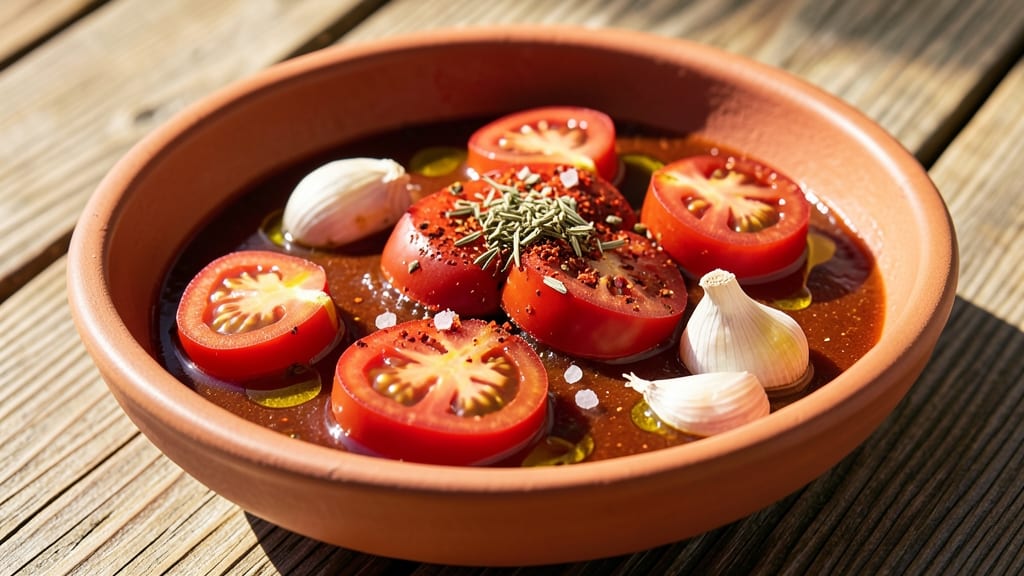
Fresh tomatoes and aromatic garlic form the heart of this vibrant Roman-inspired sauce.
| Ingredient | Amount | Notes |
|---|---|---|
| Fresh Roma Tomatoes 🍅 | 1 ½ lb | Ripe, juicy, seeds removed |
| Extra-Virgin Olive Oil 🫒 | ½ cup | High-quality, fruity variety |
| Garlic Cloves 🧄 | 6 cloves | Peeled, thinly sliced |
| Red Chili Flakes 🌶️ | 1 tbsp | Adjust for heat preference |
| Dried Oregano 🌿 | 1 tsp | Italian or Mediterranean blend |
| Salt 🧂 | 1 tsp | Diamond Crystal preferred |
| Black Pepper 🌶️ | ½ tsp | Freshly ground preferred |
| Fresh Basil Leaves 🌿 | ¼ cup | Chopped, for garnish |
The tomatoes are non-negotiable—Roma or vine-ripened varieties work best, with their dense flesh and minimal seeds. Local farmers markets often have the ripest selection, but grocery store produce section will do in a pinch. Look for tomatoes that yield slightly to gentle pressure, with vibrant red skin and no bruising. If you can't find fresh basil, dried oregano will carry the Mediterranean essence, though fresh basil adds that signature brightness. The olive oil should be extra-virgin—anything less will lack the fruity depth that complements the tomatoes' natural sweetness.
No Roma tomatoes? Heirloom or beefsteak varieties work well, though you may need to adjust the sauce's thickness by simmering longer. Short on garlic? Garlic powder at half the amount is a decent substitute, though fresh is ideal. For a smokier profile, swap half the red chili flakes for smoked paprika. The oregano can be omitted entirely if you prefer a more tomato-forward sauce, but it adds that essential Italian touch. If you're sensitive to acidity, reduce the lemon juice (if added) or simmer the sauce longer to mellow the tomatoes' natural tang.
This sauce keeps beautifully in the fridge for up to 5 days, with flavors deepening over time. For longer storage, freeze in ice cube trays—perfect for single-use portions. The basil should be added fresh at the end, just before serving, to preserve its vibrant color and aroma. If making ahead, store it without the basil and stir it in right before using. The sauce thickens as it cools, so you may need to add a splash of water or olive oil when reheating for a smoother consistency.
Why You'll Love This Recipe
- No Chopping Hassle: That Roma tomato? Just halve it, no dice needed. Toss the halves into the pan with the garlic and chili—minimal prep, maximum flavor.
- Garlic-Chili Magic: The moment those tomatoes break down with the raw garlic and chili flakes? Pure satisfaction. That bright, tangy, slightly spicy punch hits different.
- Weeknight to Dinner Party: Same sauce, endless uses. Slap it on pasta for a quick weeknight meal, or drizzle it over grilled chicken for a fancier guest night. (Yes, even on a Tuesday.)
- Budget-Friendly Pantry Hero: Fresh tomatoes + olive oil + garlic? This sauce costs pennies to make but tastes like you spent hours. And it keeps for days—freezer-friendly, too.
Step-by-step instructions for arrabiata sauce with fresh tomatoes
Here's how to craft this vibrant, spicy tomato sauce using only fresh ingredients.
Prepare the Tomatoes for Cooking
Cut the 1.5 lb fresh Roma tomatoes in half crosswise and remove the seeds and gel using your fingers or a spoon. This step ensures a smoother sauce without excess liquid. Transfer the deseeded tomatoes to a medium saucepan and add the 0.5 cup extra-virgin olive oil. Stir gently to combine, then place the pan over medium heat.
Let the tomatoes cook undisturbed for 5 minutes, allowing them to soften slightly and release their juices. You'll notice the edges starting to break down and the mixture becoming more liquid. This initial cooking process helps develop the sauce's natural sweetness while preserving the tomatoes' bright acidity. Don't rush this step—properly softened tomatoes create a more flavorful base.
Build the Flavor Foundation
Add the 6 peeled, thinly sliced garlic cloves and 1 tbsp red chili flakes to the saucepan. Stir well to distribute the garlic evenly throughout the tomatoes. Cook for 2-3 minutes until the garlic becomes fragrant and just begins to turn golden—this prevents it from burning and developing bitter flavors. You should smell the garlic's sweet aroma mingling with the tomatoes' natural sweetness.
Next, sprinkle in the 1 tsp dried oregano, 1 tsp salt, and 0.5 tsp black pepper. Stir everything together and let the mixture simmer gently for 5 minutes. The spices will infuse into the tomatoes, creating a balanced flavor profile where the heat from the chili flakes complements the oregano's earthy notes. Keep the heat at medium-low to prevent the sauce from boiling vigorously, which could cause it to separate.
Simmer Until Thick and Vibrant
Reduce the heat to low and let the sauce simmer uncovered for 10-12 minutes. Stir occasionally to prevent sticking and ensure even cooking. You're looking for the sauce to thicken noticeably while maintaining a bright red color. The tomatoes should break down completely, creating a smooth yet textured sauce with visible flecks of garlic and chili.
Taste the sauce after 10 minutes of simmering. Adjust the seasoning if needed—add more salt if it tastes bland, or a pinch more chili flakes if you want more heat. The sauce should be vibrant red with a noticeable kick from the chili, balanced by the tomatoes' natural sweetness. If the sauce is too thick, add 1-2 tablespoons of water to reach your desired consistency.
Finish with Fresh Basil
Remove the saucepan from heat and let it cool slightly for 2 minutes. Then stir in the 0.25 cup chopped fresh basil leaves. The basil adds a bright, fresh finish that cuts through the sauce's richness and adds a touch of herbal complexity. Let the basil steep in the warm sauce for 1 minute before serving—this allows its flavors to meld with the other ingredients.
For the best results, serve the arrabiata sauce immediately over your choice of pasta, drizzled with a little more extra-virgin olive oil if desired. The sauce should coat the back of a spoon with a velvety texture while maintaining its vibrant color and spicy kick. If you need to store it, let it cool completely before transferring to an airtight container and refrigerating for up to 3 days. The flavors will continue to develop as it sits, making it even more delicious the next day.
Pro Tips For Making Arrabiata Sauce Recipe Fresh Tomatoes
- CRUSH THE TOMATOES: Ditch the knife—squeeze Roma tomatoes over a fine-mesh strainer with your hands (yes, even if they’re not perfectly ripe). This removes skins and seeds without pulping them into mush, giving you a smoother sauce with less water to evaporate. I used to blitz them in a food processor, but this method cuts prep time in half and keeps the texture silky.
- SWIM GARLIC IN OIL: Heat the olive oil until it shimmers (just before smoking), then add whole garlic cloves—peeled but left intact. Let them sizzle for 30 seconds until golden at the edges, then remove them immediately. This infuses the oil without burning the garlic, which actually makes the flavor deeper. (Yes, I’ve learned the hard way that waiting for them to brown turns the sauce bitter.)
- SALT THE TOMATOES FIRST: Sprinkle ½ teaspoon of salt over the crushed tomatoes before straining, then let them sit for 10 minutes. This draws out excess water and seasons the sauce from the start, so you won’t end up with a bland, watery mess. I skipped this once and spent 20 minutes simmering off liquid I could’ve avoided entirely.
- SIMMER LOW AND LONG: Reduce the heat to the lowest setting after adding chili flakes and oregano—this isn’t a race. A slow simmer (15–20 minutes) lets the flavors meld without turning the tomatoes into a paste. I used to crank the heat to speed things up, but the sauce just turned one-note. Patience here guarantees depth.
Flavor customization for this recipe
Sweet Heat Balance
Adjust the chili heat by swapping red chili flakes for calabrian chili paste (start with 1 tsp) for a deeper, fruity heat. I love adding 1 tsp honey at the end for a sweet-spicy contrast that reminds me of my first trip to Sicily.
For a smoky twist, replace half the chili with smoked paprika—this works beautifully with grilled chicken or steak. 🌶️
Creamy Variations
For a richer texture, stir in ¼ cup heavy cream or ½ cup ricotta cheese at the end. This creates a velvety sauce perfect for pasta or as a dip. I once served this version at a dinner party and it disappeared faster than my famous biscotti recipe.
For a vegan option, use cashew cream (blend ½ cup soaked cashews with 2 tbsp water) instead. 🥛
Herb Infusions
Swap basil for fresh thyme or rosemary for an earthy Mediterranean profile. I like adding 2 sprigs fresh thyme during simmering, then removing them before serving. For a brighter finish, add 1 tbsp chopped parsley along with the basil.
The herb combinations change dramatically—thyme gives a rustic feel while parsley keeps it fresh and vibrant.
Umami Boosters
Deepening the umami flavor is my secret weapon for restaurant-quality sauce. Add 1 tbsp soy sauce or 1 tsp fish sauce (for non-vegetarian versions) during the final simmer. For a vegetarian option, use 1 tsp mushroom powder or 1 tbsp tomato paste—both add incredible depth.
I discovered this trick working in Charleston's seafood restaurants where umami was king. 🍄
Texture Adjustments
For a chunkier sauce, leave the tomato seeds in and blend only half the tomatoes before adding them to the pot. For ultra-smooth, blend the cooked sauce briefly after simmering.
I also like adding 1 tbsp tomato paste at the start to help thicken naturally. The texture changes completely—chunky for rustic appeal, smooth for elegant dishes.
Regional Twists
In Rome, they often add 1 anchovy fillet (dissolved in the oil) for a briny depth. For a Southern Italian version, include 1 tsp fennel seeds toasted in the oil before adding garlic.
I've even seen versions with sun-dried tomatoes** blended into the sauce for concentrated flavor. Each regional twist tells a story—this sauce is more than just tomatoes and chili. 🗺️
Nutrition facts
Frequently asked questions about arrabiata sauce
Can I use canned tomatoes instead of fresh?
Fresh tomatoes give the brightest, most vibrant flavor, but you can use canned tomatoes in a pinch. Choose high-quality crushed tomatoes (not diced) and add 1 tsp sugar to balance the acidity. Simmer the sauce 5 minutes longer to develop deeper flavors. For best results, use San Marzano tomatoes—they're sweeter and less acidic than most store brands.
How do I adjust the heat level?
Start with ½ tbsp red chili flakes for mild heat, 1 tbsp for medium, or 1.5 tbsp for spicy. For a smokier flavor, replace half the chili with smoked paprika. If the heat is too intense, stir in 1 tsp honey or 1 tbsp heavy cream at the end to mellow it. Always taste before serving!
Can I make this sauce ahead of time?
This sauce tastes even better the next day as the flavors meld. Store in an airtight container in the fridge for up to 5 days. For longer storage, freeze in ice cube trays—perfect for single servings. When reheating, add 1 tbsp water to restore smoothness. The basil should be added fresh just before serving.
What's the best pasta to serve with arrabiata?
Classic choices are spaghetti or linguine for their long strands that hold the sauce well. For a rustic feel, try bucatini or rigatoni. If you love texture, add cherry tomatoes or grilled chicken to the sauce before tossing with pasta. The sauce's acidity pairs beautifully with al dente pasta.
Why did my sauce turn bitter?
Bitterness usually comes from burnt garlic or overcooked tomatoes. Always monitor the heat—garlic should be golden but not brown. If the sauce tastes bitter, balance it with 1 tsp sugar or 1 tbsp lemon juice. For future batches, reduce simmering time to 8-10 minutes maximum. Fresh basil at the end helps mask any lingering bitterness.