
Sauces & Condiments
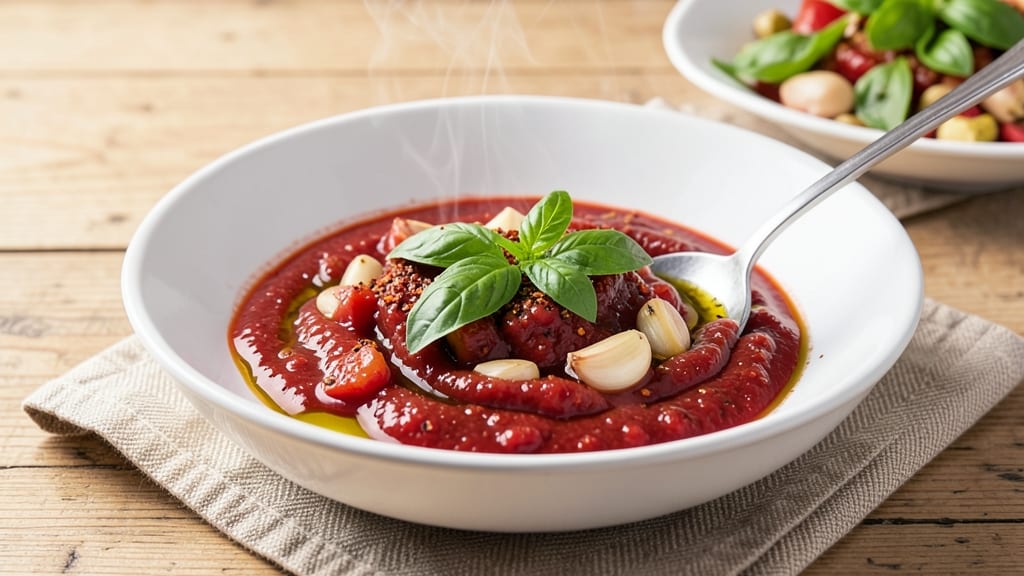
Mario Batali's arrabbiata sauce recipe delivers that signature fiery kick and bright acidity in just 30 minutes, perfect for transforming simple weeknight meals. The secret lies in balancing fresh garlic, chili flakes, and high-quality tomatoes while letting the sauce simmer until it develops that signature depth.
I've been perfecting this technique for years—it's the kind of sauce that makes even the simplest pasta feel like a restaurant masterpiece.
What sets this arrabbiata apart is its perfect balance of heat and acidity, achieved through precise timing and ingredient ratios.
The sauce starts with a quick sauté of garlic and chili flakes, which releases their aromatic oils before being deglazed with white wine—a step that adds complexity without overpowering the tomatoes.
The result is a sauce that's vibrant red, slightly chunky, and packed with intense flavor that lingers on the palate.
By the time you're done, you'll have a sauce that's ready to drizzle over pasta, toss with grilled chicken, or spoon over roasted vegetables. The texture is just right—smooth enough to coat perfectly but with enough body to hold its own.
This isn't just another tomato sauce; it's a flavor bomb that elevates any dish it touches.
One of the best things about this sauce is how well it stores—it actually tastes better the next day as the flavors meld and deepen. Make a double batch and keep it in the fridge for up to five days, or freeze for future use.
The possibilities for this versatile sauce are endless, and once you try it, you'll never go back to store-bought again.
Ingredients for arrabbiata sauce recipe mario batali
Nine ingredients, one fiery sauce that transforms simple meals into restaurant-quality feasts.
| Ingredient | Amount | Notes |
|---|---|---|
| Extra-Virgin Olive Oil 🫒 | ½ cup | High-quality, fruity variety |
| Garlic Cloves 🧄 | 6 cloves | Freshly minced for maximum flavor |
| Red Chili Flakes 🌶️ | 2 tbsp | Crushed slightly for even heat |
| San Marzano Crushed Tomatoes 🍅 | 28 oz | High-quality, no salt added |
| Dry White Wine 🍷 | ½ cup | Bold, dry variety |
| Fresh Basil Leaves 🌿 | ¼ cup | Packed, stems removed |
| Kosher Salt 🧂 | 1 ½ tsp | Diamond Crystal preferred |
| Black Pepper 🌶️ | ½ tsp | Freshly ground for best flavor |
| Red Wine Vinegar 🍋 | 1 tbsp | For bright acidity |
| Sugar 🍬 | 1 tsp | Balances acidity |
The tomatoes are non-negotiable here—San Marzano is the gold standard, but any high-quality canned tomatoes will work. I grab mine from Trader Joe's or Whole Foods because they're consistently ripe and flavorful. The garlic and chili flakes are your flavor anchors, so don't skimp. Fresh garlic makes all the difference, and crushing the chili flakes slightly releases more heat and aroma. White wine adds depth, but any bold, dry red works in a pinch—just reduce the amount by half. The basil is what ties it all together, so grab a big bunch and use half now, half later for garnish.
No white wine? Substitute with extra chicken broth—it won't be identical, but it'll still work. Fresh basil? Dried oregano at half the amount gets you close, but the flavor won't be the same. The sugar might seem odd, but it balances the acidity from the tomatoes and vinegar—skip it if your tomatoes are already sweet. For heat, adjust the chili flakes to your preference—start with 1 tbsp if you're sensitive to spice. The crushed tomatoes can be blended for a smoother sauce, but I like the slight chunkiness for texture. If you're short on time, passata works too—just reduce the liquid by about 2 tbsp.
This sauce tastes even better the next day as the flavors meld. Store it in an airtight container in the fridge for up to 5 days, or freeze for 3 months. I always make a double batch—one for immediate use and one to freeze for lazy weeknights. The sauce thickens as it cools, so you can thin it with a splash of water or broth if needed. Drizzle it over pasta, toss with grilled chicken, or spoon over roasted vegetables—it's that good.
Why You'll Love This Recipe
- No-Fuss Pantry Magic: I swear by this sauce because it uses what’s already lurking in my cabinet—just olive oil, garlic, and a splash of wine. No fancy prep, no last-minute grocery runs. The crushed San Marzano tomatoes handle all the heavy lifting while I chop garlic in 30 seconds flat.
- Spicy-Sweet Balance: That first sip of wine deglazing the pan? Pure alchemy. The chili flakes add heat, but the San Marzano’s natural sweetness tames it into something ridiculously good—bright, tangy, and just a little bit addictive. (Yes, even on a Tuesday night.)
- Pasta Party Starter: This sauce doubles as a marinara for spaghetti and a weeknight pizza base—no rules. I’ve used it for bruschetta (with a sprinkle of pecorino) and even as a dipping sauce for garlic bread. Honestly, the only limit is your imagination.
- Leftovers That Shine: Unlike sauces that turn gluey, this one tastes better the next day—if there’s any left. I freeze it in ice cube trays for quick pasta tosses later, and it’s my go-to for lazy nights when I don’t feel like cooking. Budget-friendly? Absolutely. Time-saving? Even more so.
Step-by-step instructions for Mario Batali's arrabbiata sauce
This sauce delivers bold, fiery flavor with a perfect balance of heat and acidity—let's make it shine.
Bloom the Chili Flakes in Olive Oil
Heat the 0.5 cup extra-virgin olive oil in a large, heavy-bottomed saucepan over medium-low heat. Add the 2 tablespoons red chili flakes and stir constantly for 1-2 minutes until the oil becomes fragrant and the flakes begin to darken slightly. This step is crucial—it infuses the oil with chili flavor before we add anything else.
Watch the oil carefully—it should shimmer but not smoke. If it starts smoking, reduce the heat immediately. The chili flakes will develop a deep, aromatic red hue, signaling they're ready for the next ingredients. Don't rush this step; patience here prevents bitterness later.
Sauté the Garlic and Deglaze with Wine
Add the 6 cloves freshly minced garlic to the chili oil and cook for 30-45 seconds until fragrant but not browned. Stir constantly to prevent burning—garlic turns bitter quickly. Immediately pour in the 0.5 cup dry white wine and scrape up any browned bits from the bottom of the pan with a wooden spoon.
Let the wine simmer for 2-3 minutes until reduced by about half. You'll see the liquid transform from pale to a deeper amber color. This reduction concentrates the flavors and removes any harsh alcohol taste. Don't walk away—constant attention prevents scorching.
Build the Sauce with Tomatoes and Acid
Add the 28 oz San Marzano crushed tomatoes, 1.5 teaspoons kosher salt, 0.5 teaspoon black pepper, 1 tablespoon red wine vinegar, and 1 teaspoon sugar. Stir well to combine, then bring the mixture to a gentle simmer over medium heat. Reduce heat to low and let it cook uncovered for 15-20 minutes, stirring occasionally.
You're looking for a sauce that thickens slightly and develops a glossy sheen. The acidity from the vinegar and sugar will balance the tomatoes' natural acidity, while the chili flakes maintain that signature fiery kick. Taste after 15 minutes—if it needs more brightness, add another ½ teaspoon vinegar.
Finish with Fresh Basil and Adjust Seasoning
Remove the sauce from heat and stir in the 0.25 cup fresh basil leaves (stems removed). Let it steep for 5 minutes—this infuses the sauce with bright, herbal notes. Taste and adjust seasoning if needed: add more salt for depth, or a pinch of sugar if the acidity feels too sharp.
The sauce should coat the back of a spoon with a velvety texture. If it's too thick, whisk in 1-2 tablespoons water to reach your desired consistency. Serve immediately over pasta or save for later—this sauce only gets better with time as flavors meld.
Pro Tips For Making Arrabbiata Sauce Recipe Mario Batali
- Cook Garlic Low and Slow: After burning three batches, I finally figured out that Mario Batali’s arrabbiata isn’t about flash-frying garlic—it’s about letting it sing. Once the oil shimmers, drop in the minced cloves and reduce the heat right away. Let them sizzle gently for 30 seconds until fragrant but not browned. That’s when the sweetness comes out, not the bitterness.
- Deglaze with Wine Immediately: I used to let the garlic toast too long, then wonder why the wine didn’t lift the flavors. As soon as you add the chili flakes, pour in that white wine before it darkens. The alcohol will dissolve the garlic bits and mellow the heat—waiting even 10 seconds risks a dull, sticky mess.
- Crush Tomatoes by Hand: San Marzano tomatoes are already crushed, but I skip the extra step—until I tasted the difference. Lightly smash them with your fingers to break up the seeds and skin. This keeps the sauce silky instead of chunky, and the texture clings better to pasta. (Yes, it’s a pain, but your sauce will thank you.)
- Salt the Wine First: This isn’t just about seasoning—it’s about balance. Before you deglaze, add a pinch of salt to the wine. It rounds out the acidity and prevents the sauce from tasting flat later. I learned this from a Sicilian nonna who swore it was the only way to “tame the fire.”
Creative variations of arrabbiata sauce recipe mario batali
Southern Heat Twist
For a bold Southern-inspired arrabbiata, swap the white wine for ½ cup bourbon (like Maker's Mark) and add 1 tsp smoked paprika when blooming the chili flakes. The bourbon caramelizes beautifully, adding depth while keeping the heat.
I first tried this version at Nana Mae's diner—she'd sneak in a splash of bourbon whenever she made her famous tomato sauce. The result? A sauce with smoky undertones that pairs perfectly with grilled shrimp or fried chicken. 🔥
Spicy-Sweet Fusion
Add 1 tbsp honey or maple syrup when finishing the sauce to balance the acidity and heat. This works especially well with Asian-inspired dishes—toss with rice noodles or drizzle over grilled pork belly. For extra depth, stir in 1 tsp grated fresh ginger when sautéing the garlic.
I developed this variation after a trip to Austin's food truck scene, where fusion sauces were all the rage. The sweetness mellows the spice while keeping that signature tang.
Vegetarian Protein Boost
Transform this sauce into a complete meal by simmering in 1 cup cooked white beans or crumbled tofu during the final 10 minutes of cooking. The beans thicken the sauce naturally while adding plant-based protein.
For extra richness, stir in 2 tbsp nutritional yeast at the end—it gives a cheesy, umami kick. This version is perfect for vegetarian pasta dishes or as a dip for roasted vegetables. I love making this for Emma when she wants something hearty but plant-based. 🌱
Slow-Cooker Adaptation
For hands-off cooking, combine all ingredients in a 6-quart slow cooker and cook on LOW for 4-5 hours or HIGH for 2-3 hours. The slow cooking deepens the flavors without risking scorching. Add 1 extra tablespoon of olive oil to prevent sticking.
This method works especially well if you're prepping for a crowd—just double the ingredients and let the slow cooker do the work. I use this technique when hosting game nights with David and his friends. The sauce keeps warm and ready to serve all evening. ⏰
Freezer-Friendly Variations
Freeze this sauce in ice cube trays for portion control—just pop out what you need and toss with pasta. For a creamy arrabbiata, stir in ¼ cup heavy cream or coconut milk when reheating.
If you prefer extra chunky texture, freeze the sauce with diced tomatoes reserved before blending. I always make a big batch of this variation to keep in the freezer for lazy weeknights. It reheats beautifully and tastes even better the next day. 💫
Global Flavor Swaps
Give your arrabbiata an Italian-American twist by adding ½ tsp dried oregano and ¼ tsp fennel seeds when blooming the chili flakes. For a Mexican-inspired version, swap the red wine vinegar for 1 tbsp lime juice and add ½ tsp ground cumin.
Both variations keep the fiery kick but add exciting new layers. I experimented with these after traveling through Italy and Mexico—each version tells a different story while keeping that arrabbiata essence. 🌎
Nutrition facts
Frequently asked questions
Can I make this arrabbiata sauce without white wine?
For a non-alcoholic version, substitute the 0.5 cup white wine with 0.5 cup chicken or vegetable broth. The sauce will still develop depth, though the wine adds a subtle complexity. If you prefer a different flavor profile, try ½ cup tomato juice instead—it enhances the tomato base beautifully.
How do I adjust the heat level in Mario Batali's arrabbiata?
The recipe starts with 2 tablespoons chili flakes for a medium heat. For milder heat, reduce to 1 tablespoon or use ½ teaspoon cayenne pepper instead. For extra spice, add ½ teaspoon red pepper flakes at the end or a pinch of crushed dried chili peppers during cooking. Always taste as you go!
What's the best way to store and reheat this sauce?
Store in an airtight container in the fridge for up to 5 days or freeze for 3 months. To reheat, warm over medium-low heat until bubbling, then stir in 1 tablespoon water if it thickens too much. For best results, reheat gently—high heat can make it separate. This sauce actually tastes better the next day as flavors meld!
Can I use fresh tomatoes instead of canned?
Fresh tomatoes work but require extra prep. Roast 4-5 large ripe tomatoes (halved, skin-side up) at 400°F for 20 minutes, then blend until smooth. Use 1.5 cups of this purée to replace the crushed tomatoes. The texture will be smoother, but canned tomatoes provide consistent acidity and sweetness that's harder to replicate with fresh.
How does this arrabbiata sauce differ from marinara?
The key differences are heat, acidity, and texture. Arrabbiata features chili flakes and white wine for a fiery kick, while marinara relies on herbs like oregano. This sauce has a chunkier texture from crushed tomatoes, whereas marinara is typically smoother. Both use tomatoes, but arrabbiata's acidity comes from vinegar and wine, while marinara gets its tang from tomato paste and herbs.