
Sauces & Condiments
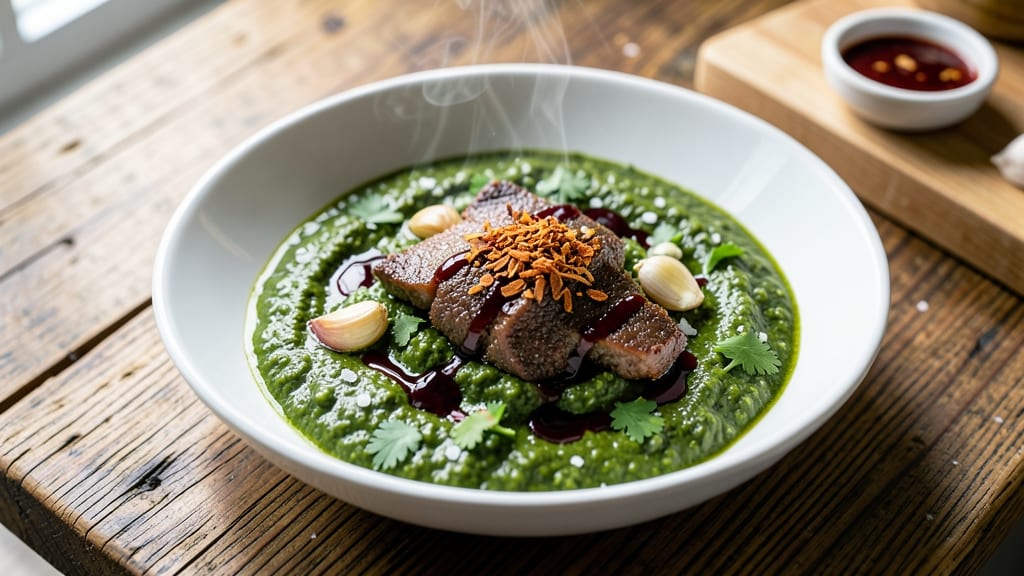
Argentine tuco sauce transforms grilled meats into unforgettable experiences with its rich, meaty depth and bright herbaceousness. This bold chimichurri-style condiment—thicker than traditional chimichurri but lighter than a paste—is the secret behind Argentina’s most iconic flavors. The key lies in simmering ground meat with garlic, parsley, and spices until it develops a velvety, aromatic consistency that clings perfectly to every bite.
What sets tuco apart is its balance of smoky, savory ground meat and fresh herbs, creating a sauce that’s both hearty and vibrant. Unlike chimichurri, which relies solely on herbs and vinegar, tuco incorporates cooked meat for a deeper, more complex flavor profile.
The result is a versatile condiment that elevates grilled steaks, empanadas, or even roasted vegetables with restaurant-quality intensity.
This recipe delivers a foolproof method for achieving authentic tuco at home, with no special equipment beyond a blender or food processor. The meat simmers until tender, absorbing the garlic and spices, while the parsley and vinegar add brightness.
The final texture is thick enough to coat but still spreadable—ideal for drizzling or serving as a dip.
Store it in the refrigerator for up to 5 days, where the flavors deepen over time. Perfect for meal prep or last-minute gatherings, this sauce turns simple dishes into showstoppers. Let’s make it—your taste buds will thank you.
Ingredients for argentine tuco sauce
Nine bold ingredients create this restaurant-quality Argentine tuco sauce, perfect for elevating grilled meats.
| Ingredient | Amount | Notes |
|---|---|---|
| Ground Beef 🥩 | ¾ lb | Lean or 80/20 blend preferred |
| Fresh Flat-Leaf Parsley 🌿 | 1 ½ cups | Stems included for maximum flavor |
| Garlic Cloves 🧄 | 6 cloves | Peeled and lightly crushed |
| Red Wine Vinegar 🍷 | ⅓ cup | Malbec or Cabernet preferred |
| Extra-Virgin Olive Oil 🫒 | ½ cup | High-quality, fruity variety |
| Smoked Paprika 🌶️ | 1 tbsp | For authentic smoky depth |
| Ground Cumin 🌿 | ½ tsp | Toasted for enhanced aroma |
| Diamond Crystal Kosher Salt 🧂 | 1 ½ tsp | Adjust to taste |
| Fresh Red Chili Pepper 🌶️ | 1 whole | Seeded and finely chopped |
| Ground Black Pepper 🌶️ | ½ tsp | Freshly cracked preferred |
The ground beef forms the heart of tuco, so choose a quality cut with good marbling—Whole Foods or Costco carry excellent options. For parsley, farmers markets offer the freshest, brightest stems, but grocery store bunches work if you rinse and shake them dry thoroughly. The garlic should be plump and firm; Lundberg or Organic Garlic brands are reliable. Red wine vinegar is non-negotiable—Bartles & Jaymes or La Vieille Ferme deliver consistent quality. For smoked paprika, Penzeys or Gourmet Garden brands provide the deepest, most authentic smokiness.
No red wine vinegar? Balsamic vinegar works in a pinch, though it adds a slightly sweeter note. Fresh parsley wilt quickly—use within 3 days of purchase. The chili pepper can be omitted entirely if you prefer no heat, but the smoked paprika and cumin already provide depth. For a finer texture, pulse the cooked mixture in a food processor instead of blending. The olive oil should be fruity and peppery—California Olive Ranch or Colavita are excellent choices that won’t overpower the other flavors.
Tuco sauce develops richer flavors over time, so store it in an airtight container in the refrigerator for up to 5 days. The texture will thicken slightly as it rests—simply stir in a splash of water or vinegar to loosen if needed. For longer storage, freeze portions in ice cube trays for up to 3 months. Thaw overnight in the fridge before using. This sauce pairs exceptionally well with grilled steaks, empanadas, or even as a marinade for roasted vegetables—its bold character makes it a versatile addition to any meal.
Why You'll Love This Recipe
- Few Ingredients, Big Payoff: I swear by this recipe because it’s the kind of sauce that feels like a hug—just five simple things: ground beef, garlic, parsley, vinegar, and olive oil. No fancy pantry staples, no last-minute grocery runs. Honestly, I’ve made it with whatever was in my fridge, and it still comes out rich and satisfying.
- Umami Bomb: That red wine vinegar cuts through the richness of the beef in the best way, while the garlic and parsley add a bright, herby punch. The olive oil ties it all together, giving it this silky, almost velvety texture that’s ridiculously good with crusty bread or over grilled meats.
- Weeknight Workhorse: Between us, this is my go-to for busy nights. It’s the kind of sauce that doubles as a marinade, a topping, or even a quick filling for empanadas if I’m feeling fancy. I’ll be real: I’ve reheated leftovers for days, and it still tastes like it was made fresh.
- Budget-Friendly Flex: A pound of ground beef and a handful of herbs stretch far—this recipe feeds four easily, and the leftovers? Even better the next day. It’s my secret weapon for stretching meals without sacrificing flavor, and it’s the kind of dish that makes grocery night feel like a win.
Step-by-step instructions for Argentine tuco sauce
This bold chimichurri-inspired sauce delivers smoky, vinegary depth in minutes—no cooking required.
Build the Herb Base
In a food processor, combine the 1.5 cups fresh flat-leaf parsley (including stems) with the 6 cloves peeled garlic and 1 whole seeded red chili pepper. Pulse until finely chopped but not pasty—you want visible texture, not a smooth purée. This rough texture creates the signature rustic bite of tuco sauce.
I like to work in batches if my processor is small, ensuring even blending. The stems add depth of flavor, so don't skip them. Pulse until the mixture resembles coarse sand—this ensures maximum surface area for the vinegar and oil to penetrate.
Whisk in Vinegar and Spices
Transfer the herb mixture to a large bowl and whisk in the 0.33 cup red wine vinegar, 1 tbsp smoked paprika, 0.5 tsp ground cumin, and 1.5 tsp kosher salt. The vinegar will immediately brighten the herbs, cutting through their grassy intensity. Taste at this stage—you should detect a sharp, herbaceous punch with underlying smokiness from the paprika.
Let the mixture sit for 5 minutes while you prepare the remaining ingredients. This resting period allows the spices to bloom and the vinegar to fully infuse. If you're impatient, stir occasionally, but don't rush—this step ensures balanced flavor development.
Emulsify with Olive Oil
Slowly drizzle in the 0.5 cup extra-virgin olive oil while whisking vigorously. Start with a few tablespoons at a time, allowing each addition to fully incorporate before adding more. The sauce should begin to thicken and coat the back of a spoon—this is the emulsification process creating tuco's signature velvety texture.
If the mixture separates, simply whisk more vigorously. For extra insurance, add 1 tablespoon at a time of the oil while whisking continuously. The final consistency should be thick but pourable, clinging to the back of a spoon without dripping. This emulsion is what makes tuco different from traditional chimichurri.
Season and Rest
Finish with the 0.5 tsp ground black pepper and taste again. Adjust the salt if needed—Argentine tuco should be bold but not overwhelming. The sauce should sing with bright vinegar, smoky paprika, and fresh parsley notes. Let it rest for 10 minutes at room temperature before serving.
This resting period allows all the flavors to meld completely. The acidity will mellow slightly, the herbs will soften, and the oil will fully emulsify. Serve immediately over the 0.75 lb ground beef (cooked to medium-rare and sliced) or use as a vibrant marinade for grilled meats. The sauce keeps well in the refrigerator for up to 5 days, though it's best used within 24 hours for maximum freshness.
Pro Tips For Making Argentine Tuco Sauce
- CRUSH THE GARLIC FIRST: I learned this the hard way—smashing garlic cloves with the flat side of your knife before mincing them turns this sauce from good to unexpectedly bright. The cell walls break, releasing more flavor, and you’ll need less to get that sharp, fresh punch. Just don’t overdo it or you’ll end up with garlic paste.
- SWEAT THE PARSELY: Toss the chopped parsley into the pan with the garlic and let it wilt for 30 seconds before adding vinegar. This softens the stems slightly, so they don’t turn the sauce into a textured mess. (Yes, even if you’re impatient like me—just resist the urge to rush.)
- DON’T BOIL THE VINEGAR: The moment you add red wine vinegar, the heat should drop to medium-low. Let it simmer gently for 2–3 minutes to mellow the acidity—boiling it turns the sauce sharp and one-dimensional. Think of it as a tempering step, like for eggs.
- USE COLD GROUND BEEF: Take the ground beef straight from the fridge and form it into a loose mound before breaking it into the pan. The cold fat renders cleaner and faster, giving you a richer base without grease splattering everywhere. (Pro move: Let it sit out for 10 minutes first if it’s rock-hard.)
Perfect pairings for this argentine tuco sauce
Grilled Meat Pairings
Tuco sauce shines brightest with grilled meats, especially Argentine favorites like skirt steak or flank steak. I like to serve it alongside medium-rare grilled ribeye or flank steak slices, where its bold flavors cling perfectly to the charred exterior.
For extra drama, drizzle it over chimichurri-marinated beef—the double herb punch creates a symphony of textures. 🔥
Don’t limit it to beef—tuco also elevates lamb chops or grilled chicken thighs. The sauce’s smoky depth complements the natural richness of these proteins without overpowering them. For a vegetarian twist, try it with grilled portobello mushrooms or eggplant steaks—the acidity and herbs cut through the earthiness beautifully.
Empanada Filling
Tuco transforms empanadas into a flavor powerhouse. Mix it with ground beef, onions, and hard-boiled eggs for a filling that’s both hearty and vibrant. The sauce’s moisture keeps the pastry from drying out, while its bold flavors shine through the flaky crust.
I love using homemade empanada dough for extra texture, but store-bought works in a pinch.
For a quicker version, spread tuco on grilled provoleta (Argentine-style grilled cheese) before adding the cheese. The sauce’s acidity balances the richness of the melted provoleta, creating a perfect bite. This combo is a staple at Argentine parrillas—now you can recreate it at home.
Dipping Sauce
Tuco makes an unexpected but fantastic dipping sauce for fries, mozzarella sticks, or even grilled calamari. Its thick, emulsified texture clings to food beautifully, while the vinegar and herbs add a refreshing contrast to fried dishes.
I like to serve it alongside crispy beef croquettes or grilled shrimp skewers for a restaurant-worthy appetizer.
For a creative twist, use tuco as a marinade for grilled vegetables like zucchini, bell peppers, or eggplant. The acidity tenderizes the veggies while infusing them with bold flavor. This works especially well for grilled vegetable platters or as a topping for wood-fired pizzas.
Beverage Pairings
Pair tuco with Argentine Malbec—its bold fruitiness complements the sauce’s smoky, vinegary notes. A cool, crisp white wine like Torrontés also works, balancing the richness with bright acidity. For beer lovers, a hoppy IPA cuts through the sauce’s intensity, while a light lager provides a clean, refreshing contrast.
Non-alcoholic options? Try sparkling water with lime or hibiscus iced tea—both enhance the sauce’s vibrant flavors. The effervescence cleanses your palate, making each bite of tuco-paired food taste even fresher. 🍷
Nutrition facts
Frequently asked questions
What's the difference between tuco sauce and chimichurri?
Tuco sauce contains cooked ground meat, giving it a rich, meaty depth that chimichurri lacks. While chimichurri is purely herb-based with vinegar and oil, tuco's emulsified texture and savory base make it heartier—ideal for dipping or drizzling over grilled meats. Think of it as a chimichurri-meat hybrid!
Can I make tuco sauce without ground beef?
For a vegetarian version, replace the ground beef with 2 tablespoons tomato paste or 1/4 cup finely chopped sun-dried tomatoes to maintain depth. The sauce will still emulsify beautifully, though the texture will be slightly lighter. Use it as a marinade or sauce for grilled vegetables or tofu.
How do I fix tuco sauce if it separates?
Simply whisk vigorously or pulse briefly in a food processor to re-emulsify. If it's too thick, add 1 teaspoon red wine vinegar at a time. The key is patience—let it sit for 5 minutes after adjusting before serving. The emulsion should return fully if the ingredients were properly balanced.
Is tuco sauce spicy? Can I make it milder?
The recipe includes a single chili pepper for subtle heat, but you can omit it entirely for a completely mild version. For extra heat, add 1/2 teaspoon cayenne pepper or 1/4 teaspoon red pepper flakes. The smoked paprika provides smokiness without spice, so the heat level is fully customizable!
How long can I store leftover tuco sauce?
Store in an airtight container in the fridge for up to 5 days, where flavors deepen over time. For longer storage, freeze in ice cube trays for 3 months. Thaw overnight in the fridge—never microwave. The texture may thicken slightly; stir in a splash of vinegar or olive oil to restore consistency.