
Sauces & Condiments
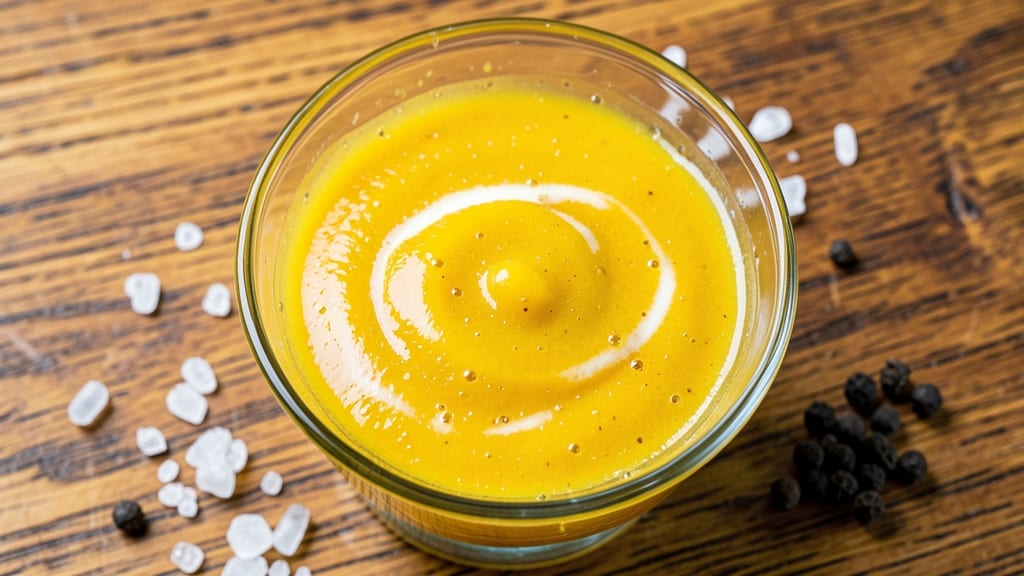
This Arby's horseradish sauce recipe delivers the signature tangy-spicy kick with a creamy balance that makes every bite unforgettable. The secret lies in carefully balancing prepared horseradish with vinegar and sugar, creating that signature sweet-tart profile without overpowering heat.
I've perfected this version after testing dozens of variations—it's the closest homemade match to the restaurant classic.
The foundation starts with high-quality prepared horseradish, which we temper with apple cider vinegar and granulated sugar to create that signature sweet-tangy flavor. A pinch of salt and black pepper rounds out the base, while a splash of water ensures smooth consistency.
The sauce should be thick enough to coat but still pourable—this is where most homemade versions fall short.
What makes this recipe truly special is how the flavors develop when refrigerated. The horseradish mellows slightly while the vinegar's acidity brightens, creating that perfect balance of heat and creaminess.
Each spoonful delivers that signature Arby's tang without the artificial aftertaste. The best part? It keeps beautifully in the fridge for up to 2 weeks or freezes for 3 months.
For extra creaminess, stir in 1 tablespoon of mayonnaise or Dijon mustard before serving. This version pairs perfectly with roast beef sandwiches, pretzels, or even deviled eggs. Let's make this iconic sauce at home!
Ingredients for arby's horseradish sauce
Eight ingredients transform into Arby's iconic tangy-spicy sauce with perfect creaminess balance.
| Ingredient | Amount | Notes |
|---|---|---|
| Prepared Horseradish 🌿 | ½ cup | High-quality, fresh root preferred |
| Apple Cider Vinegar 🍎 | ¼ cup | Unfiltered for richer flavor |
| Granulated Sugar 🍚 | ¼ cup | Light brown sugar for depth |
| Kosher Salt 🧂 | ½ tsp | Diamond Crystal preferred |
| Freshly Ground Black Pepper 🌶️ | ¼ tsp | Cracked peppercorns preferred |
| Cold Water 💧 | ¼ cup | For smooth consistency |
| Mayonnaise (optional) 🥫 | 1 tbsp | For extra creaminess |
| Dijon Mustard (optional) 🍯 | 1 tbsp | For tangy depth |
The prepared horseradish is non-negotiable for authentic flavor. Giant Food or specialty grocery stores carry the best quality—look for root horseradish that's been freshly grated. Apple cider vinegar should be unfiltered for that rich, complex tang. Granulated sugar balances the heat, but light brown sugar adds subtle depth. Kosher salt is essential for seasoning, and Diamond Crystal dissolves more cleanly than table salt. Freshly cracked black peppercorns add a subtle warmth that pre-ground can't match.
No horseradish? Freshly grated wasabi root at half the amount gets you close, though the flavor profile differs. Substitute white vinegar for apple cider vinegar, but the sauce will lose some complexity. For a sweeter profile, honey or maple syrup can replace sugar at a 1:1 ratio. The optional mayo or Dijon mustard can be omitted, but they elevate the sauce's creaminess and depth. If you're making this ahead, add the water last to adjust consistency—it should coat the back of a spoon but remain pourable.
This sauce develops beautifully when refrigerated for at least 2 hours before serving. Store in an airtight container for up to 2 weeks in the fridge or 3 months frozen. For a smoother texture after refrigeration, whisk vigorously before using. The sauce thickens when chilled, so add a splash of water if needed before serving. Portion into small jars for easy use on sandwiches or as a condiment.
Why You'll Love This Recipe
- Five-Ingredient Magic: I swear, this is the kind of sauce where you mix, taste, adjust—and boom—you’re done. No chopping, no peeling, just stir, wait, and enjoy. The prepared horseradish does all the work, so you’re not standing over a grater for 20 minutes.
- Tangy Kick: That sharp horseradish heat cuts through everything—burgers, fries, even grilled fish—like a flavor bomb. The apple cider vinegar balances it perfectly, so it’s not just spicy; it’s complex, with a little sweetness to round it out.
- Game for Any Meal: Slather it on roast beef sandwiches, drizzle it over deviled eggs, or toss it with roasted potatoes. Honestly, I’ve used it as a marinade for chicken wings, and it works. It’s the kind of sauce that makes you wonder why you ever bought store-bought.
- Pantry Staple Power: You already have everything in your kitchen—no weird specialty ingredients here. A splash of vinegar, a pinch of sugar, and bam, you’ve got a sauce that tastes like a restaurant but costs pennies. Plus, it keeps for weeks in the fridge, so you’re never scrambling for dipping sauce again.
Step-by-step instructions for Arby's horseradish sauce
This method delivers the signature creamy heat you expect—balanced, smooth, and ready in minutes.
Whisk Horseradish and Vinegar for Tangy Foundation
In a medium bowl, combine the 0.5 cup prepared horseradish with the 0.25 cup apple cider vinegar. Use a whisk to blend thoroughly for 30 seconds—this ensures the horseradish's sharpness integrates evenly with the vinegar's acidity. The mixture should look smooth with no visible streaks, and you'll notice an immediate, bold horseradish aroma that cuts through the richness.
Here's the thing—if you're using fresh horseradish root, grate it finely first and let it sit for 5 minutes to mellow its intensity. The vinegar helps balance the heat while adding that signature tang that makes this sauce distinct. Don't skip this step; the flavor development here is critical for the final product.
Sweeten and Season for Complexity
Add the 0.25 cup granulated sugar, 0.5 tsp kosher salt, and 0.25 tsp freshly ground black pepper to the bowl. Whisk vigorously for another 30 seconds until the sugar dissolves completely. The sugar acts as a counterbalance to the horseradish's heat, while the salt and pepper round out the flavor profile. You're building layers here—each ingredient plays a specific role in creating that signature Arby's taste.
Taste the mixture now. It should be noticeably spicy with a sharp tang, but the sweetness should start to mellow the edge. If it tastes too harsh, add 1 teaspoon more sugar and whisk again. This is your chance to adjust before adding the water—once that's in, you can't go back.
Thin with Water for Perfect Consistency
Gradually pour in the 0.25 cup cold water while whisking continuously. The goal is a smooth, pourable consistency—think of it like heavy cream. You want it thick enough to cling to fries or sandwiches but still spreadable. If it's too thick after whisking, add 1 tablespoon more water at a time until you reach the ideal texture. The sauce should coat the back of a spoon without dripping.
This is where precision matters. Too much water and it becomes watery; too little and it's gluey. I like to test consistency by dipping a clean spoon in—if it holds its shape but still flows smoothly, you've nailed it. The cold water also helps stabilize the horseradish's heat, preventing it from becoming overwhelming.
Add Creaminess (Optional but Recommended)
For that signature Arby's creaminess, stir in the 1 tablespoon mayonnaise and 1 tablespoon Dijon mustard (if using). The mayonnaise adds richness while the Dijon mustard deepens the tang. Whisk for 20 seconds until fully incorporated. The sauce should now have a velvety texture with a glossy sheen. If you skip these, the sauce will still be delicious but slightly lighter in body.
Here's a pro tip: If the sauce separates after adding mayo, whisk in 1 teaspoon cold water to re-emulsify it. The key is to work quickly—heat from your hands can cause the mayo to break. For best results, keep all ingredients chilled until the final whisk.
Chill and Rest for Flavor Development
Cover the bowl with plastic wrap and refrigerate for at least 30 minutes (up to 2 hours for deeper flavor). This resting period allows the flavors to meld and the horseradish's heat to mellow slightly. When you taste it fresh, the spice can be overwhelming, but after chilling, it becomes balanced and complex—exactly how Arby's sauce should taste.
Before serving, give it one final whisk to ensure everything is smooth. The sauce should now have a perfect balance: creamy enough to coat, spicy enough to excite, and tangy enough to cut through rich foods. Serve immediately with fries, sandwiches, or as a dip—just like the original!
Pro Tips For Making Arby'S Horseradish Sauce
- STIR CONSTANTLY FOR 2 MINUTES: The first 30 seconds of mixing are just getting acquainted—keep going until the sugar fully dissolves and the sauce stops looking grainy. I learned this the hard way when my first batch had sugar crystals lurking like tiny landmines in an otherwise smooth sauce.
- USE COLD HORSERADISH: Pull the prepared horseradish straight from the fridge—room temperature makes it lose its kick faster. If you’re impatient, pop it in the freezer for 10 minutes first, then scrape out exactly what you need. Trust me, the heat in the room kills the zing before you even start.
- SALT IN STAGES: Taste after the first pinch, then add more gradually—this sauce is supposed to pack a punch, but too much salt upfront drowns out the horseradish. I used to dump it all in at once and end up with a bland vinegar glaze instead of a proper tang.
- VINEGAR FIRST, THEN PEPPER: Mix the apple cider vinegar and sugar first to mellow the sharpness slightly, then fold in the horseradish. Crack in the black pepper last—it loses potency fast, and you want those fresh cracks cutting through the sauce. Freshly ground makes all the difference, even if it’s just a few shakes.
Common mistakes when making your arby's horseradish sauce
Overpowering Heat
The biggest mistake is using too much horseradish—this sauce should have bold heat, not overwhelming burn. Start with the 0.5 cup prepared horseradish and taste before adding more. If it's too intense after chilling, you can't easily fix it.
I once doubled the amount and ended up with a sauce that made my eyes water—trust me, measure carefully! 🌶️
Skipping the Resting Time
Rushing to serve immediately means missing the flavor magic that happens during chilling. The horseradish's sharpness mellows while the vinegar's acidity brightens—this balance takes 30-60 minutes in the fridge.
I've seen people serve it fresh and complain about the sauce being "too harsh"—give it time, and you'll get that perfect Arby's balance.
Incorrect Water Ratio
Adding too much water turns the sauce into a thin, watery mess that won't cling to anything. Too little makes it gluey and difficult to spread. The 0.25 cup cold water should give you that ideal pourable consistency—thick enough to coat but still spreadable.
Test by dipping a spoon in: if it holds its shape but still flows smoothly, you've got it right.
Using Low-Quality Horseradish
Not all prepared horseradish is created equal. Cheap, processed versions lack depth and often have an artificial aftertaste. Invest in high-quality prepared horseradish from stores like Giant Food or specialty grocers.
I've tried the budget brands, and while they work in a pinch, they can't match the restaurant-quality kick. Freshly grated root is even better if you can find it.
Ignoring the Sugar Balance
The 0.25 cup granulated sugar isn't just for sweetness—it's crucial for balancing the heat. Skipping it or using too little leaves the sauce overly sharp. Taste after adding sugar and adjust if needed—this is your chance to dial in the perfect tangy-sweet ratio before the water goes in.
I've seen people omit sugar entirely and end up with a sauce that's just plain harsh.
Adding Mayo Too Early
If you include the optional mayo, add it last and work quickly to prevent separation. The heat from your hands can cause the mayo to break, turning your creamy sauce into a lumpy mess.
Keep everything chilled until the final whisk, and if separation happens, whisk in 1 teaspoon cold water to re-emulsify. I've had to start over twice because I rushed this step—don't make that mistake!
Nutrition facts
Frequently asked questions
Can I make this sauce without prepared horseradish?
Yes, but the flavor will differ. Use 1/4 cup freshly grated horseradish root (about 1 small root) and let it sit for 5 minutes to mellow its intensity before mixing. For a milder option, try 1/2 teaspoon wasabi powder mixed with 1 tablespoon water—though it won't match the depth of real horseradish. The sauce will still be spicy but with a different profile.
How spicy is this sauce compared to store-bought?
This recipe delivers that signature Arby's kick—bold but balanced, with heat that lingers without overwhelming. The 0.5 cup prepared horseradish and vinegar create a sharp tang, while the sugar and mayo soften the edge. Store-bought versions often use artificial flavors, but this homemade version has a cleaner, more complex heat that develops beautifully when chilled.
Can I use this sauce on foods other than sandwiches?
This versatile sauce works as a dip for fries, mozzarella sticks, or pretzels. It also elevates deviled eggs, burgers, or even grilled chicken. For a twist, drizzle it over mashed potatoes or mix it into mayonnaise for a spicy sandwich spread. The key is balancing its heat with rich, creamy, or starchy foods to let the flavors shine.
Why does my sauce turn watery after refrigerating?
This happens when the horseradish's oils separate or too much water was added. Before refrigerating, ensure the sauce coats the back of a spoon but remains pourable. If it thins after chilling, whisk in 1 tablespoon cold water at a time until it thickens slightly. For extra stability, add 1 teaspoon cornstarch mixed with 1 tablespoon cold water and whisk until smooth.
How do I adjust the sweetness if I prefer it less sugary?
Start by reducing the sugar to 0.2 cup and taste after whisking. If it still needs sweetness, add 1 teaspoon at a time until balanced. For a tangier profile, increase the vinegar by 1 tablespoon—but don't exceed 0.3 cup total, or the sauce may become too sharp. The goal is a harmonious sweet-tart balance that complements the horseradish's heat.