
Sauces & Condiments
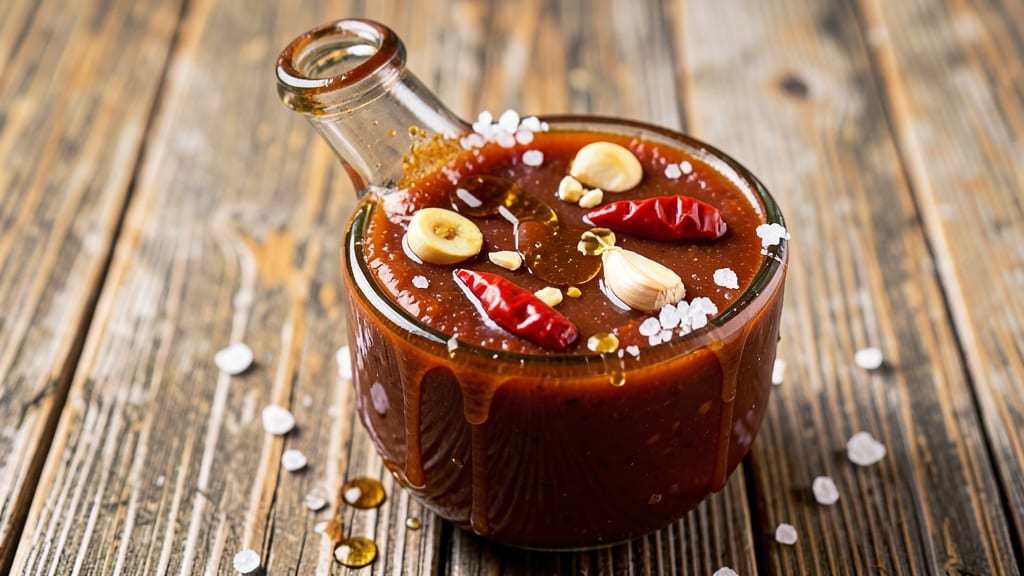
Arbol pepper hot sauce delivers the kind of smoky, fiery heat that transforms everyday meals into bold flavor experiences. This recipe captures the deep, charred flavor of arbol peppers while balancing it with tangy vinegar and a touch of sweetness. The process is straightforward, but the results are restaurant-quality heat in a bottle.
The foundation of this hot sauce starts with properly charring and blending fresh arbol peppers, which gives it that signature smoky depth. A simple blend of vinegar, water, and a hint of garlic creates the base, while optional ingredients like sugar or salt help balance the heat.
The sauce can be made quickly on the stovetop or fermented for a more complex flavor profile.
What you'll end up with is a vibrant, fiery sauce that's perfect for drizzling over tacos, wings, or grilled meats. The heat level can be adjusted to your preference, making it versatile for any dish.
Once bottled, it keeps for months, ready to elevate your favorite recipes with a burst of smoky heat.
Storage is simple—just keep it refrigerated in a clean glass bottle. Whether you're a hot sauce enthusiast or just love adding a kick to your meals, this recipe delivers bold, customizable heat in minutes. Let's get started!
Ingredients for arbol pepper hot sauce
Smoky peppers, tangy vinegar, and a touch of sweetness—this is all you need for bold, customizable heat.
| Ingredient | Amount | Notes |
|---|---|---|
| Fresh Arbol Peppers 🌶️ | 1 cup | Chopped, seeds removed for less heat |
| White Vinegar 💧 | 1 ½ cups | Distilled or apple cider preferred |
| Water 💧 | ½ cup | Filtered or bottled |
| Garlic Cloves 🧄 | 3 cloves | Fresh, peeled, smashed |
| Granulated Sugar 🍯 | ¼ cup | Adjust for sweetness preference |
| Kosher Salt 🧂 | 1 tsp | Diamond Crystal preferred |
| Olive Oil 🫒 | 1 tbsp | Extra-virgin for richness |
| Lime Juice 🍋 | 1 tbsp | Freshly squeezed |
| Cumin Seeds 🌿 | ½ tsp | Toasted for depth |
| Fresh Cilantro 🌿 | ¼ cup | Stems removed, optional garnish |
Arbol peppers are the star here, so hit a Mexican market or specialty store for the freshest—dried won't give that same smoky char. If you can't find them, arbol pepper powder works in a pinch, but the flavor won't be as deep. Toast the cumin seeds first in a dry pan until fragrant—about 30 seconds—that adds a whole new layer of warmth. For vinegar, apple cider or white vinegar both work, but apple cider adds a subtle fruitiness that pairs well with the peppers.
No fresh arbol peppers? Ancho chiles or chipotle peppers can mimic the smokiness, but you'll need to adjust the heat level by reducing the amount. Short on lime? Lemon juice works too, though it's slightly less bright. The sugar is optional—skip it if you prefer pure heat, or double it for a sweeter, more balanced sauce. Olive oil is key for emulsifying the sauce, so don't skip it. If you're feeling adventurous, add a pinch of smoked paprika to enhance the smoky profile.
This sauce keeps like a dream. Pour it into a clean glass bottle and store it in the fridge for up to 6 months. The flavor actually improves with time, so make a big batch. If you want to experiment, ferment it for 2-4 weeks in the fridge—it develops a deeper, tangier complexity. Shake well before each use, and trust me, a little goes a long way—start with a drizzle and adjust to your heat tolerance.
Why You'll Love This Recipe
- I’ll be real: this sauce comes together faster than I can say "garlic burn." Just toss the peppers, vinegar, and water into a pot, simmer until the arbols soften, then mash in the garlic and sugar. No chopping, no fuss—just 20 minutes of hands-off time.
- No-Fuss Blend: I’ll be real: this sauce comes together faster than I can say "garlic burn." Just toss the peppers, vinegar, and water into a pot, simmer until the arbols soften, then mash in the garlic and sugar. No chopping, no fuss—just 20 minutes of hands-off time.
- Smoky-Garlic Magic: That first bite? Chef’s kiss. The arbol peppers bring a fruity, slightly smoky heat, while the garlic roasts into something deeper than raw—like a hug for your taste buds. The sugar just rounds it out, so it’s not just fire; it’s complex.
- Taco Night’s Secret Weapon: I keep a jar in my fridge for everything—drizzled over eggs, stirred into soups, or slathered on grilled chicken. It’s the kind of sauce that makes a simple meal feel like a fiesta. (Yes, even on a Tuesday night.)
Step-by-step instructions for arbol pepper hot sauce
Let's make this smoky, fiery hot sauce together—simple steps for bold flavor.
👨🍳 Step 1: Prepare the Peppers and Aromatics
Start by removing the stems and seeds from the 1 cup fresh arbol peppers—this reduces the heat while keeping the smoky depth. Cut them into ¼-inch slices and place them in a medium saucepan. Add the 3 cloves garlic cloves (peeled and smashed) and the 0.5 tsp toasted cumin seeds—toasting them first in a dry skillet for 30 seconds until fragrant adds incredible depth.
I like to toast the cumin seeds first because it releases their earthy oils, which blend beautifully with the pepper's smoky notes. Keep the heat low here—you're just waking up the flavors, not cooking them yet. The peppers should look bright and vibrant, not wilted, at this stage.
🔥 Step 2: Simmer the Base Ingredients
Pour in the 1.5 cups white vinegar and 0.5 cup water, then add the 1 tbsp olive oil and 1 tbsp lime juice. Bring the mixture to a gentle boil over medium-high heat, then immediately reduce to a simmer. Let it cook uncovered for 15 minutes, stirring occasionally—this helps the peppers soften and release their oils without burning.
You'll notice the liquid turns a deep amber color and smells like a smoky campfire. The peppers should be tender enough to mash with a wooden spoon but still hold their shape. If you see any foam forming, skim it off—it's just the oils rising to the surface. This is where the magic happens: the vinegar mellows the peppers' heat while preserving their signature smokiness.
🍳 Step 3: Blend and Strain for Smoothness
Remove the pan from heat and let the mixture cool for 5 minutes. Transfer it to a blender and blend until completely smooth. For extra-smooth sauce, strain it through a fine-mesh sieve into a clean jar, pressing down on the solids with a spoon to extract every last drop of flavor. This step is key for a professional finish—no chunks, just pure heat and depth.
I always strain my hot sauces because even tiny pepper pieces can make the texture uneven. The strained version looks stunning in bottles and delivers consistent heat with every pour. If you prefer texture, skip the straining and blend until just combined—just know it'll be chunkier.
⏰ Step 4: Sweeten, Season, and Rest
Return the blended sauce to the pan and stir in the 0.25 cup granulated sugar and 1 tsp kosher salt. Simmer gently for 5 minutes to let the sugar dissolve completely and the flavors meld. Taste and adjust the sweetness or saltiness—this is your chance to tweak it to your liking.
The sugar isn't just for sweetness; it balances the acidity of the vinegar and rounds out the heat. Let the sauce cool completely to room temperature, then transfer it to a clean glass jar. Seal it tightly and let it rest for at least 24 hours in the refrigerator—this allows all the flavors to fully develop and mellow slightly. The longer it sits, the better it tastes!
🍽️ Step 5: Garnish and Store for Maximum Flavor
Before serving, stir in the 0.25 cup fresh cilantro (stems removed) for a bright, herbal finish. The cilantro adds freshness that cuts through the heat and ties all the flavors together. Store the hot sauce in the refrigerator for up to 3 months—it'll only get better with time as the flavors continue to meld.
This sauce is incredible on tacos, grilled meats, or even drizzled over avocado toast. Start with small amounts—it's hotter than it looks! If you want to reduce the heat, add a splash of water or vinegar when you strain it. Enjoy the smoky, fiery kick you've just created!
Pro Tips For Making Arbol Pepper Hot Sauce
- Char the Peppers First: Toss whole arbol peppers directly into a dry skillet over medium-high heat for 30 seconds per side until blackened in spots. This deepens their smoky flavor—don’t skip rinsing them afterward, though, or your sauce will taste bitter.
- Peel Garlic Under Running Water: After smashing the garlic cloves, hold them under cold water while peeling to prevent your kitchen from smelling like a ghost kitchen for days. The water cools the oils and makes skins slip right off.
- Balance Heat with Sugar Early: Add half the sugar to the vinegar-water mix before the peppers hit the heat—this tempers the initial burn and lets the sweetness mellow as the sauce simmers. Trust me, your taste buds will notice the difference.
- Strain Twice for Smoothness: Use a fine-mesh sieve first to catch seeds and skin, then a cheesecloth for a second pass if you want that silky texture. Yes, it’s extra work, but your sauce won’t taste like you’re chewing on pepper pulp.
Serving suggestions for this dish
Taco Topper
Drizzle this hot sauce over al pastor tacos or carne asada for an instant smoky heat boost. I love adding it to warm corn tortillas with crumbled queso fresco and pickled onions. For extra drama, serve it alongside salsa verde—the contrast between the two sauces is amazing. 🌶️
Wing Sauce
Toss grilled or fried wings in this sauce after baking or frying for a sticky, fiery glaze. I recommend brushing it on honey-glazed wings right before serving—it caramelizes slightly and adds a deep, smoky char.
For extra richness, mix in 1 tablespoon melted butter before serving. Pair with blue cheese dressing for the ultimate heat-and-cool combo.
Dipping Sauce
Thin it with equal parts water or beer (I prefer Mexican lager) to create a perfect dipping sauce for chips, empanadas, or even fries. The beer adds a subtle maltiness that balances the heat.
For a spicy margarita twist, rim your glass with tajín and drizzle this sauce inside before adding the tequila mixture. 🍹
Grilled Meat Glaze
Brush this sauce onto skirt steak, pork chops, or even ribs during the last 5 minutes of grilling to create a smoky crust. The vinegar base helps tenderize the meat while the peppers add heat.
I especially love it on grilled shrimp skewers—just toss them in sauce after cooking and serve with lime wedges. The acidity cuts through the richness beautifully.
Egg Enhancer
Yes, you read that right! Stir 1 teaspoon of this sauce into scrambled eggs or fried eggs for a smoky, spicy kick. It’s a game-changer for huevos rancheros or breakfast tacos.
For extra heat, add a pinch of smoked paprika to the eggs first. Trust me, your morning meal will never be the same. 💛
Pasta Finish
Toss 1 tablespoon of this sauce with pasta dishes like penne alla vodka or chicken Alfredo for a bold, unexpected twist. The smoky heat cuts through the creaminess perfectly.
I also love drizzling it over grilled zucchini noodles with burrata—the contrast is divine. Start with small amounts and adjust to taste, as the heat builds over time.
Nutrition facts
Frequently asked questions
Can I use dried arbol peppers instead of fresh?
Dried arbol peppers work in a pinch, but fresh peppers give the sauce that signature smoky depth. If you must use dried, soak 1 tablespoon dried arbol peppers in ½ cup hot water for 10 minutes to rehydrate, then strain and use the liquid in place of the fresh pepper mixture. The heat will be more concentrated, so reduce the amount by half.
How can I adjust the heat level?
To mellow the heat, add 1-2 extra tablespoons of sugar or ½ cup more vinegar when blending. For extra spice, blend in ½ teaspoon cayenne pepper or add 1 extra fresh pepper (seeds included). Always taste before bottling—heat builds as the sauce rests! Start conservative and adjust gradually.
What’s the best way to ferment this sauce for deeper flavor?
After blending, pour the sauce into a clean glass jar and refrigerate for 2-4 weeks. Stir daily to distribute flavors. The fermentation process enhances tanginess and complexity. For safety, use pasteurized vinegar (like apple cider) and ensure the jar is completely submerged in water if fermenting at room temperature.
Can I make this without a blender?
Yes! Mash the cooked peppers and garlic with a wooden spoon or potato masher until smooth. For extra texture, leave small chunks. Strain through a fine-mesh sieve if you prefer a chunk-free sauce. The flavor will be slightly rustic but still delicious—just stir well before serving.
Why did my sauce turn cloudy after bottling?
Cloudiness usually means the sauce separated due to oil or pepper particles. Stir well before using, or blend again briefly to re-emulsify. For prevention, add ½ teaspoon xanthan gum when blending (dissolved in a little water first) to stabilize the sauce. This is normal and doesn’t affect taste or safety.