
Sauces & Condiments
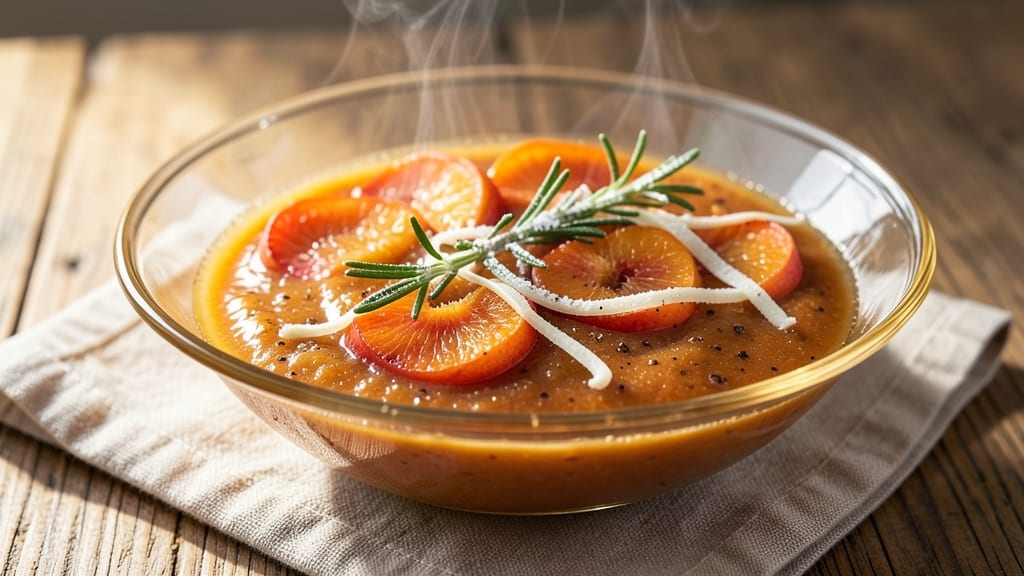
This apricot dessert sauce transforms simple fruit into a luxurious glaze that elevates everything from pancakes to cheesecake. 💛 The secret lies in slow simmering fresh apricots until they break down into a velvety, aromatic sauce—no fancy techniques required.
Just a few ingredients and patience create a sauce so versatile it becomes your new dessert essential.
The process is straightforward: simmer apricots with sugar and water until tender, then strain for a smooth, spiced fruit reduction. A splash of vanilla or citrus zest adds depth, while a cornstarch slurry thickens it to the perfect glaze consistency.
The result? A sauce that's rich, naturally sweet, and packed with warm fruit flavor—ideal for drizzling, dipping, or layering.
What makes this sauce special is its adaptability. Use it as a topping for ice cream, a filling for fruit tarts, or a glaze for baked goods. The aroma alone—spiced and fruity—will have everyone asking for seconds.
Best of all, it keeps well in the fridge for up to a week, ready to enhance desserts anytime.
For extra warmth, try adding cinnamon or cardamom to the simmering fruit, or a squeeze of lemon for brightness. The possibilities are endless, but the foundation remains the same: fresh apricots transformed into pure, decadent fruit magic. Let's make this sauce!
Ingredients for apricot sauce recipe dessert
Nine simple ingredients transform fresh apricots into a velvety glaze perfect for cakes and ice cream.
| Ingredient | Amount | Notes |
|---|---|---|
| Fresh Apricots 🍑 | 1 ½ lb | Pitted, sliced into halves |
| Granulated Sugar 🍚 | 1 cup | Light brown preferred for depth |
| Water 💧 | 1 cup | Filtered or spring water |
| Vanilla Extract 🌿 | 1 tsp | Pure Madagascar vanilla |
| Ground Cinnamon 🌶️ | ½ tsp | Freshly toasted preferred |
| Cornstarch 🌾 | 1 tbsp | For thickening consistency |
| Lemon Juice 🍋 | 1 tbsp | Freshly squeezed |
| Unsalted Butter 🧈 | 1 tbsp | Cold, cubed for richness |
| Cardamom Pods 🌿 | 2 whole | Lightly crushed for aroma |
The apricots are the heart of this sauce—ripe but firm for perfect texture. Local farmers markets often have the best quality, especially in summer. Look for vibrant orange fruit with minimal bruising. If using canned apricots, opt for San Marzano-style in juice, not syrup. The sugar should be light brown for that caramelized depth; Domino brand is consistently reliable. Cardamom adds an exotic touch, but if unavailable, a pinch of allspice works beautifully. Always pit your apricots before slicing—it makes the sauce smoother and prevents bitterness.
No vanilla extract? Vanilla bean paste or even a drop of vanilla-infused almond extract works in a pinch. Running short on cornstarch? Arrowroot powder at the same amount thickens just as well. The butter adds richness, but for a vegan version, substitute coconut oil at room temperature. If you prefer a tangier sauce, increase the lemon juice to 2 tablespoons. The sauce thickens as it cools, so if it's too runny while warm, add a bit more cornstarch slurry. For a smoother texture, strain the sauce through a fine-mesh sieve after simmering.
This sauce keeps beautifully in an airtight container in the fridge for up to 1 week, though the flavor actually deepens over time. For longer storage, freeze in ice cube trays and transfer to a bag—perfect for quick dessert upgrades. The sauce reheats beautifully; just warm gently on the stove with a splash of water to restore its glossy texture. Use it to drizzle over warm pancakes, swirl into yogurt, or layer between cheesecake and fruit. The aroma alone will make your kitchen smell like a bakery.
Why You'll Love This Recipe
- Five-Ingredient Magic: I swear by this recipe because it’s that simple—just apricots, sugar, water, vanilla, and cinnamon. No fancy techniques, no last-minute grocery runs. You’re basically turning fruit into a dessert with minimal effort, and honestly? That’s my kind of cooking.
- Sunshine in a Bowl: The flavor is what makes this worth repeating: sweet-tart apricots caramelized just enough, with warm cinnamon and a whisper of vanilla that makes it taste like summer. It’s not overly sweet—just rich, fruity, and comforting, like a hug from your grandma’s kitchen.
- Dessert for Any Occasion: This sauce is my secret weapon for everything from pancakes to ice cream, even drizzled over toasted almonds. Need a quick breakfast? Done. Hosting a dinner party? It pairs perfectly with cheese plates. It’s the kind of versatile dessert that never feels like an afterthought.
- Zero-Waste Win: Between us, I hate food waste, and this recipe uses up fresh apricots before they spoil. Plus, the leftovers keep for days in the fridge—great for when I’m too lazy to make something fresh. A little goes a long way, so you’re not stuck with a ton of extra sauce either.
Step-by-step instructions for warm apricot glaze
Transform fresh apricots into a velvety spiced sauce perfect for drizzling over desserts.
🍳 Step 1: Simmer Apricots Until Tender
In a medium saucepan, combine the 1.5 lb fresh apricots (halved and pitted), 1 cup water, and 2 whole cardamom pods. Bring to a gentle boil over medium-high heat, then immediately reduce to medium-low heat. Let the mixture simmer uncovered for 15-20 minutes until the apricots break down and release their juices.
You'll know it's ready when the apricots are fork-tender and the sauce thickens slightly. Gently mash the apricots against the side of the pan with a wooden spoon to release more fruit pulp. This step builds the sauce's natural sweetness and aromatic depth.
🍳 Step 2: Strain and Sweeten the Mixture
Strain the apricot mixture through a fine-mesh sieve, pressing gently on the solids to extract all the juice. Discard the cardamom pods and apricot skins. Return the strained liquid to the saucepan and add the 1 cup granulated sugar, 1 tbsp lemon juice, and 0.5 tsp ground cinnamon. Stir well to dissolve the sugar completely.
Bring the mixture back to a gentle simmer over medium heat, stirring occasionally. This step enhances the sauce's natural sweetness while balancing the bright acidity of the lemon. The cinnamon will infuse warmth throughout the glaze.
🥘 Step 3: Thicken with Cornstarch Slurry
In a small bowl, whisk together the 1 tbsp cornstarch with 2 tablespoons of the apricot mixture to create a smooth slurry. Slowly pour this mixture back into the saucepan while stirring constantly. The sauce will begin to thicken almost immediately.
Continue cooking over low heat for 3-5 minutes, stirring frequently, until the sauce reaches a glossy, pudding-like consistency. You're aiming for a sauce that coats the back of a spoon but still flows smoothly when drizzled. This ensures the perfect balance of texture for your desserts.
🔥 Step 4: Finish with Butter and Vanilla
Remove the sauce from heat and stir in the 1 tbsp cold unsalted butter (cubed) and 1 tsp vanilla extract. The butter adds richness while the vanilla deepens the flavor profile. Let the sauce cool slightly for 5 minutes to allow the flavors to meld together.
Taste and adjust seasoning if needed—you might want to add a pinch more cinnamon or sugar to suit your preference. The sauce should be sweet, aromatic, and perfectly balanced. For best results, serve warm over cakes, ice cream, or pancakes.
Pro Tips For Making Apricot Sauce Recipe Dessert
- PEEL AND PIT FIRST: Fresh apricots are stubborn—those pits hide like cowards. Grab a sharp paring knife, slice a shallow slit along the seam, then twist to pop the pit out. No one wants to chew on a surprise in their sauce, and yes, even "ripe" apricots can have sneaky pits.
- SIMMER LOW AND LONG: After the initial boil, drop the heat to a bare simmer—think tiny bubbles, not a rolling boil. I used to rush this, and the sauce turned into syrup glue. Forty-five minutes at low heat breaks down the fruit properly, giving you that silky texture without burning the sugar.
- STRAIN THE SKINS: Apricot skins add bitterness unless you’re going for a rustic jam vibe. After cooking, strain through a fine-mesh sieve to catch those fibrous bits. (Yes, it’s extra work, but your sauce will taste like summer, not like you raided the garden shed.)
- SALT THE WATER: Add a pinch of salt to the water before boiling the apricots—just like pasta water. It seasons the fruit subtly, so you don’t have to overcompensate with sugar later. Trust me, your taste buds will notice the difference, even if your guests won’t ask why.
Troubleshooting this recipe
Sauce Too Thin?
If your apricot sauce isn’t thickening enough, you likely need more cornstarch slurry. Mix an extra ½ tbsp cornstarch with 1 tbsp apricot liquid and stir into the simmering sauce. Cook for an additional 2-3 minutes over low heat until it reaches the desired consistency.
For a smoother texture, strain again through a fine-mesh sieve after adding the extra slurry. 💡
Sauce Too Thick?
If your sauce thickens too much, simply whisk in 1-2 tablespoons of warm water to loosen it. Return to low heat and stir gently until it reaches a pourable consistency. Avoid adding too much liquid at once—start with small amounts and adjust gradually.
The sauce will thicken further as it cools, so err on the side of slightly thinner while warm. ❄️
Grainy Texture?
A grainy texture usually means the sauce wasn’t strained properly or the apricots weren’t mashed enough. After simmering, press the apricot mixture through a fine-mesh sieve again, using a spoon to extract all the pulp.
For extra smoothness, blend the strained sauce briefly in a blender before returning it to the pan. If using canned apricots, opt for San Marzano-style in juice for a cleaner texture. 🌾
Sauce Too Tart?
If the lemon juice overpowers the sweetness, balance it by adding ½ cup more sugar while simmering. Stir well to dissolve and let it cook for an additional 2-3 minutes.
Alternatively, add a pinch of ground cinnamon or vanilla extract to enhance the fruit’s natural sweetness. Taste as you go—adjust gradually to avoid overcompensating. 🍋
Sauce Separates?
Separation happens when the sauce cools too quickly or the butter isn’t incorporated properly. To fix it, gently reheat the sauce over low heat, stirring constantly until smooth. If the butter has congealed, whisk it vigorously until fully melted into the sauce.
For future batches, stir in the butter off the heat and let it sit for 5 minutes before serving. 🧈
Fruit Not Soft Enough?
If your apricots aren’t breaking down after 20 minutes, they may not be ripe enough. Use a fork to mash them more aggressively against the pan’s sides to release their juices.
For extra tenderness, cover the pan and simmer for an additional 5-10 minutes. If using canned apricots, opt for peeled, halved varieties that soften more easily. 🍑
Nutrition facts
Frequently asked questions
Can I use canned apricots instead of fresh?
Yes! Canned apricots work well, but choose San Marzano-style in juice (not syrup) for the best texture. Drain and rinse them before using to reduce excess liquid. For extra smoothness, blend the canned apricots briefly before simmering. The flavor will be slightly sweeter than fresh, so you may need to reduce the added sugar to ¾ cup instead of 1 cup.
How long will this apricot sauce keep?
Store the sauce in an airtight container in the fridge for up to 1 week. For longer storage, freeze in ice cube trays and transfer to a bag—perfect for quick dessert upgrades. When reheating, warm gently on the stove with a splash of water to restore its glossy texture. The flavor actually deepens over time!
What are the best desserts to drizzle this sauce over?
This sauce shines on warm pancakes or waffles, vanilla ice cream, or layered between cheesecake and fruit. It also pairs beautifully with panna cotta, custard tarts, or even as a glaze for baked apples. For a showstopper, drizzle over crème brûlée just before serving.
Can I make this sauce without cornstarch?
Yes! For a naturally thickened version, simmer the apricots longer (up to 30 minutes) to reduce more liquid. Alternatively, use 1 tbsp arrowroot powder or 1 tsp gelatin (for a firmer texture). If you prefer no thickener, the sauce will be more like a fruit compote—still delicious, just less glossy.
Why does my sauce taste bland?
If your sauce lacks depth, try adding a pinch of ground ginger or orange zest while simmering. For extra warmth, steep a cinnamon stick in the hot sauce for 5 minutes before serving. If using canned apricots, opt for unsweetened varieties to avoid masking the natural fruit flavor. Taste as you go—adjust sugar or spices gradually!