
Sauces & Condiments
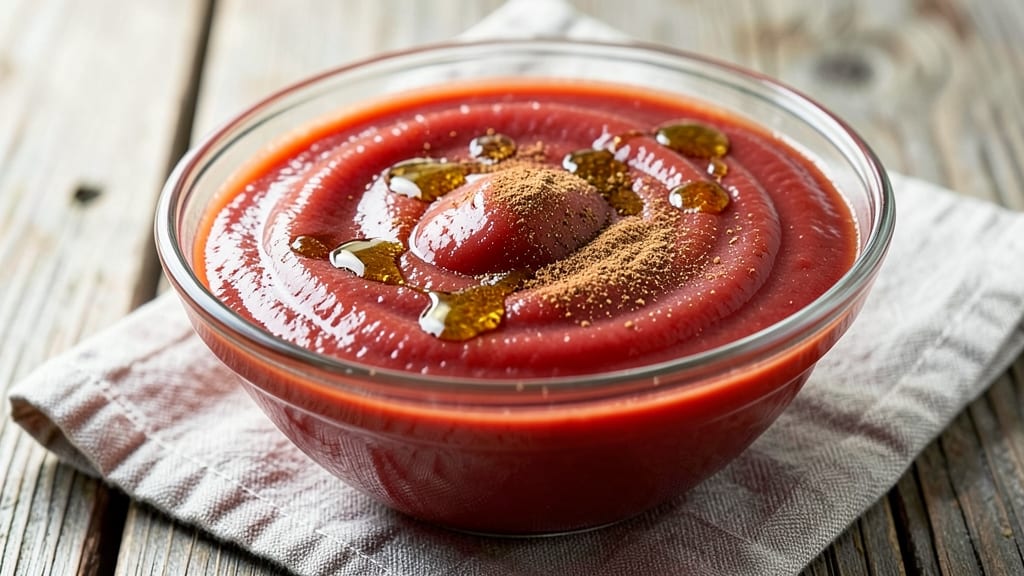
This no-sugar applesauce recipe delivers restaurant-quality smoothness while lasting months in the freezer—no spoilage, no added sweeteners, just pure apple flavor preserved perfectly.
The secret lies in proper cooking and storage techniques that lock in texture and freshness, transforming simple apples into a versatile condiment that works as a topping, spread, or baking ingredient.
What sets this recipe apart is its foolproof method for achieving a velvety, lump-free texture without sugar or artificial preservatives. By simmering peeled apples with cinnamon and a touch of lemon juice, we enhance natural sweetness while preventing browning.
The freezer-friendly process ensures your applesauce stays fresh for up to 6 months, ready to brighten oatmeal, pair with cheese, or sweeten baked goods.
You'll end up with smooth, vibrant applesauce that maintains its color and flavor long after store-bought versions spoil. The cinnamon adds warmth without overpowering the apple's natural taste, while the lemon juice preserves freshness.
This recipe is perfect for meal preppers, health-conscious cooks, or anyone who wants to avoid added sugars while still enjoying creamy, delicious applesauce.
The best part? This freezer-friendly method requires no special equipment—just a pot, a blender, and proper storage containers. Whether you're prepping for winter or stocking your pantry with healthy staples, this applesauce will be your go-to for months to come. Let's get started!
Ingredients for applesauce recipe no sugar freezer
Sweet apples, warm spices, and clever storage tricks—this no-sugar applesauce keeps its smooth texture for months.
| Ingredient | Amount | Notes |
|---|---|---|
| Apples (Peeled and Chopped) 🍎 | 4 lb | Use sweet-tart varieties like Honeycrisp or Gala |
| Water 💧 | 1 ½ cups | Enough to cover apples during simmering |
| Ground Cinnamon 🍃 | 1 tbsp | Ensures warm, aromatic flavor |
| Lemon Juice 🍋 | 1 tbsp | Freshly squeezed to prevent browning |
| Extra-Virgin Olive Oil 🫒 | 1 tbsp | Adds richness and prevents sticking |
| Salt 🧂 | ½ tsp | Enhances natural apple sweetness |
| Vanilla Extract 🌸 | ½ tsp | Optional for subtle depth of flavor |
The apples are the foundation, so choose Honeycrisp, Gala, or Fuji—their natural sweetness shines without sugar. Organic apples work best since their skins are thinner and easier to peel. Trader Joe's and Whole Foods carry great organic varieties year-round. If you're using pre-cut apples, rinse them well to remove any preservatives. The cinnamon should be fresh-ground if possible—Penzeys sells high-quality pre-ground cinnamon that lasts months in a sealed jar. For the lemon juice, always use freshly squeezed; bottled juice lacks the bright acidity that prevents browning and enhances flavor.
No sweet apples? Add 1/4 tsp of stevia or monk fruit sweetener after blending if needed, but honestly, the natural sweetness should be enough. Running low on cinnamon? Nutmeg at half the amount works in a pinch, though it has a different profile. The olive oil is non-negotiable for texture—it prevents the applesauce from sticking to the pot and adds a subtle richness. If you're avoiding all oil, use 1 tbsp of unsweetened applesauce instead. For storage, the lemon juice acts as a natural preservative, but adding a thin layer of olive oil on top before freezing creates a barrier that locks in freshness for up to 6 months.
This applesauce reheats beautifully—just microwave for 1-2 minutes or warm on the stove with a splash of water. It keeps 1 week in the fridge and 6 months in the freezer. Portion into ice cube trays before freezing for perfect single-serving sizes. For baking, thaw overnight in the fridge—no need to defrost quickly. The texture remains velvety smooth even after months in the freezer, thanks to the olive oil and proper storage technique. Trust me, your pantry will thank you.
Why You'll Love This Recipe
- Five-Ingredient Magic: I swear by this combo—just apples, water, cinnamon, lemon, and olive oil. No clutter, no stress, and the result? Smooth, bright, and actually flavorful without a single spoonful of sugar.
- Cinnamon-Kissed Brightness: That pinch of cinnamon and splash of lemon juice? It’s the secret to applesauce that tastes like fall in a jar. The olive oil keeps it silky, and the acidity cuts through any sweetness you might crave.
- Freezer-Friendly Flex: Make a big batch, freeze it, and pull it out whenever you need a quick snack or topping. It’s my go-to for oatmeal, toast, or even a last-minute dessert—no fuss, just pure convenience.
- Budget Breakthrough: Apples are cheap, and these ingredients won’t break the bank. Honestly, it’s one of those recipes where you’re getting restaurant-quality taste for pennies—especially when you stretch it across multiple meals.
Step-by-step instructions for homemade no-sugar applesauce
Here's how to craft silky-smooth applesauce without added sugar that stays fresh for months.
Simmer Apples Until Tender
Combine the 4 lb peeled and chopped apples with the 1.5 cups water in a large pot. Place over medium-high heat and bring to a gentle boil. Once boiling, reduce heat to medium-low and let the apples simmer uncovered for 20-25 minutes until they break down completely and the mixture becomes thick and saucy.
Stir occasionally to prevent sticking, especially when you notice the apples beginning to soften around the edges. You'll know they're ready when a spoon slides through easily with minimal resistance, and the texture resembles a thick puree. The natural sweetness will concentrate as the water evaporates, creating a perfectly balanced flavor without needing sugar.
Add Aromatics and Prevent Browning
Remove the pot from heat and stir in the 1 tbsp lemon juice, 1 tbsp extra-virgin olive oil, and 0.5 tsp salt. The lemon juice acts as a natural preservative while preventing browning, and the olive oil adds a subtle richness that enhances the apple's natural sweetness. Let the mixture sit for 5 minutes to allow the flavors to meld together.
This is also the perfect time to taste and adjust seasoning if needed. The natural sweetness should be prominent, but the acidity from the lemon and warmth from the cinnamon will balance it beautifully. Real talk: if your apples are particularly tart, you might want to add a touch more lemon juice here, but don't worry—this recipe is designed to be flexible.
Blend to Silky Perfection
Using an immersion blender, blend the mixture directly in the pot until completely smooth. If you prefer a slightly chunkier texture, pulse briefly for just 10-15 seconds. For the smoothest results, blend until no lumps remain and the consistency is velvety. If you don't have an immersion blender, transfer the mixture to a regular blender in batches, blending until smooth before returning to the pot.
This blending step is crucial for achieving that restaurant-quality texture. The olive oil helps create a luxurious mouthfeel, while the cinnamon and vanilla extract add depth. If you're using vanilla extract, add it now and stir gently to incorporate. The mixture should be glossy and inviting, with a rich, warm aroma that fills your kitchen.
Finish with Warm Spices
Return the pot to low heat and stir in the 1 tbsp ground cinnamon along with the 0.5 tsp vanilla extract. Let the mixture warm through for just 2-3 minutes, stirring constantly to ensure even distribution of the spices. The cinnamon will infuse the applesauce with its warm, aromatic qualities, while the vanilla adds a subtle complexity that elevates the dish.
Here's the thing—don't overheat the mixture. You're simply looking to warm through and meld the flavors, not to cook further. Once the spices are fully incorporated and the applesauce is heated through, remove it from the heat immediately. The texture should remain smooth and glossy, with a gentle simmer that indicates it's ready for the next step.
Store for Long-Term Freshness
Let the applesauce cool completely to room temperature, then transfer it to clean, airtight freezer-safe containers or jars. Press plastic wrap directly onto the surface to minimize air exposure, which helps prevent freezer burn. Label each container with the date and store in the freezer for up to 6 months.
When you're ready to use it, thaw overnight in the refrigerator or quickly in the microwave. The applesauce should retain its smooth texture and vibrant flavor, with no added sugar needed. This method ensures you have a pantry staple that's always on hand for baking, oatmeal, or simply enjoying a warm bowl on a chilly day. The natural sweetness of the apples shines through, making this a healthier alternative to store-bought versions.
Pro Tips For Making Applesauce Recipe No Sugar Freezer
- Peel Apples Evenly: A knife isn’t your only tool—use a paring knife to slice off the peel in one smooth motion, then run the flat side of the knife along the fruit to shave off the last bit. I learned this the hard way when my applesauce tasted bitter from uneven peeling and stuck-on skin.
- Simmer Low and Slow: After the apples break down, drop the heat to a bare simmer—just enough to keep tiny bubbles dancing. Rushing it with high heat turns your sauce into mush and burns the edges. Trust me, 20 minutes at low heat is better than 10 minutes of chaos.
- Strain for Smoothness: Skip the food mill if you hate cleanup—just press the cooked apples through a fine-mesh sieve with a wooden spoon. The extra effort removes skin bits and seeds, giving you that restaurant-quality texture. (Yes, it’s a pain, but the result is worth it.)
- Swirl in Oil Last: Stir in the olive oil after the sauce cools slightly—it coats the apples and makes freezing easier. Add it too early, and you’ll end up with a greasy mess. A splash of lemon juice at the same time brightens the whole batch.
Common mistakes when making great applesauce recipe no sugar freezer
Overcooking Apples
Applesauce turns grainy and unappetizing when overcooked—watch for 25+ minutes of simmering. The moment they break down completely and the mixture thickens into a puree-like consistency, remove from heat immediately.
I’ve ruined batches by letting them cook too long, so use a spoon test: if it slides through effortlessly, you’re golden. 🍎
Skipping Lemon Juice
Lemon juice isn’t just for flavor—it’s a natural preservative that prevents browning and extends freezer life. Omitting it risks dull, grayish applesauce that spoils faster. Always use freshly squeezed lemon juice (bottled lacks the potency). The 1 tbsp in this recipe is non-negotiable for that vibrant, fresh-tasting result.
Ignoring Cooling Time
Rushing the cooling process before freezing causes condensation inside containers, leading to ice crystals and watery texture. Let applesauce cool to room temperature (about 1 hour) before transferring to the freezer.
I learned this the hard way—my first batch had a sad, icy texture because I couldn’t wait to store it. Patience here makes all the difference.
Using the Wrong Containers
Not all containers are freezer-safe! Opt for glass jars with airtight lids or BPA-free plastic containers designed for freezing. Mason jars are my go-to, but avoid thin plastic or metal—they can crack or leach flavors.
Leave 1-inch headspace to prevent expansion cracks when frozen. Label everything with dates to track freshness.
Thawing Too Quickly
Microwaving frozen applesauce straight from the freezer creates a rubbery texture. Always thaw overnight in the fridge or use low microwave power (50%) in 30-second intervals, stirring between each. The slow method preserves that velvety consistency. I’ve seen people nuke it at full power—don’t be that person. 🔥
Adding Sugar Later
While this recipe is sugar-free, some cooks add sweeteners after freezing. This is a mistake—sugar crystals form during thawing, creating a grainy mess. If you must sweeten, blend in stevia or monk fruit before freezing, and only after the applesauce has cooled completely.
The natural sweetness of the apples should be your guide—trust the process!
Nutrition facts
Frequently asked questions
Can I use any type of apples for this recipe?
Sweet-tart varieties work best—think Honeycrisp, Gala, or Fuji. These hold their shape during cooking and develop natural sweetness without needing sugar. Avoid overly tart apples like Granny Smith unless you want a more pronounced acidity.
How do I prevent my applesauce from getting watery after freezing?
Simmer the apples until they're completely tender (20-25 minutes) so all the water evaporates naturally. Then blend thoroughly and let it cool completely before freezing. The olive oil in the recipe also helps maintain a thick, creamy texture. Never skip the cooling step—this is key to preventing ice crystals!
Can I make this applesauce without olive oil?
Yes, but the texture may be slightly less velvety. Replace with 1 tbsp unsweetened applesauce or 1 tsp cornstarch mixed with 1 tbsp water to help thicken. The oil isn't just for flavor—it creates that luxurious mouthfeel and prevents sticking during cooking. If avoiding all fats, the cornstarch method works well.
What's the best way to reheat frozen applesauce?
For smoothest results, thaw overnight in the fridge. If short on time, use low microwave power (50%) in 30-second bursts, stirring between each. Never microwave straight from frozen—this creates rubbery texture. For stove-top reheating, warm in a saucepan over low heat with a splash of water to restore creaminess.
How can I tell if my applesauce has gone bad?
Fresh applesauce should smell sweetly apple-y with cinnamon notes. If it develops a sour, fermented, or off odor or shows mold, discard it. Color changes (grayish or dark spots) also indicate spoilage. When in doubt, taste a small amount—if it's tangy or bitter rather than sweet, it's time to make a new batch. Safety first!