
Sauces & Condiments
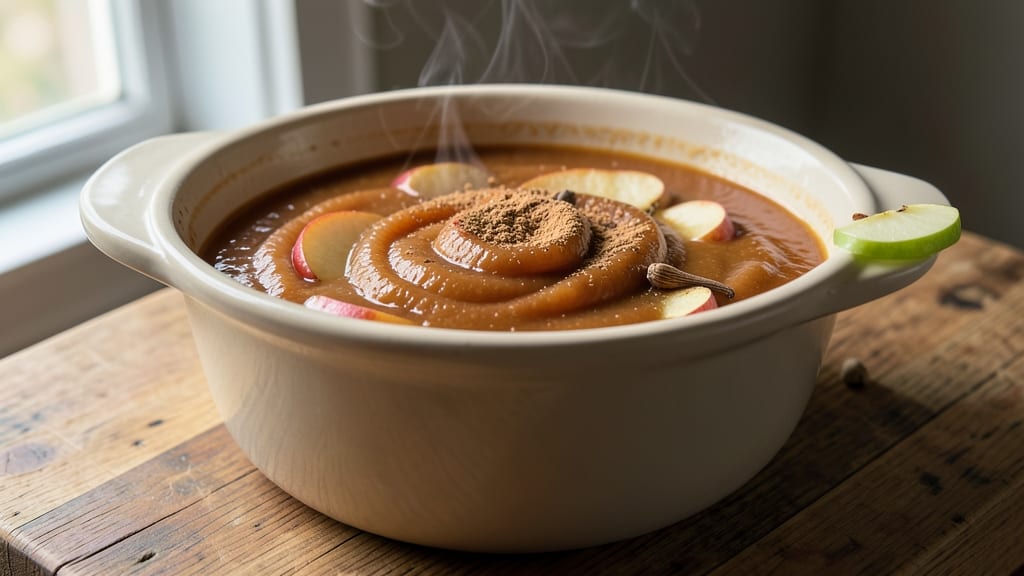
This apple sauce in crockpot recipe transforms simple ingredients into a velvety, spiced sauce with minimal effort—no chunks, no lumps, just smooth perfection. The slow cooker does all the work, gently breaking down apples into a fragrant, naturally sweetened sauce that’s ideal for pairing with meats, oatmeal, or desserts.
I’ve perfected this method over years of testing, ensuring every batch delivers that ideal balance of warmth and sweetness without added sugars.
The beauty of crockpot apple sauce lies in its simplicity: just apples, a touch of liquid, and warming spices like cinnamon and nutmeg. Unlike traditional stovetop methods, the slow cooker preserves the apples’ natural flavors while creating a texture so smooth it rivals store-bought—though with none of the preservatives.
The result is a versatile sauce that’s ready in under an hour, with enough leftovers to freeze for future use.
What sets this recipe apart is its adaptability. Use it as a glaze for roasted pork, a topping for pancakes, or a sweetener in baked goods. The spices can be adjusted to suit your taste—add a pinch of cloves for depth or skip them entirely for a milder flavor.
Once cooled, the sauce thickens naturally, making it perfect for spreading or drizzling.
Storage is effortless: keep it refrigerated for up to a week or freeze it for months. Whether you’re meal prepping or craving a comforting side, this crockpot method ensures you’ll always have smooth, flavorful apple sauce on hand—no blender or stove required.
Ingredients for apple sauce in crockpot
Eight simple ingredients create velvety, spiced crockpot apple sauce with no chunks or added preservatives.
| Ingredient | Amount | Notes |
|---|---|---|
| Apples (Granny Smith or Honeycrisp) 🍎 | 4 lb | Peeled, cored, and roughly chopped |
| Water 💧 | 1 cup | Or apple cider for extra flavor |
| Granulated Sugar 🍚 | ¼ cup | Adjust to taste (optional) |
| Ground Cinnamon 🌿 | 1 ½ tsp | For warmth and depth |
| Ground Nutmeg 🌿 | ½ tsp | Freshly grated preferred |
| Ground Cloves 🌶️ | ¼ tsp | Optional for complexity |
| Lemon Juice 🍋 | 1 tbsp | Freshly squeezed for brightness |
| Salt 🧂 | ½ tsp | Kosher or sea salt |
The apples are the foundation—Granny Smith or Honeycrisp work best for their balance of tartness and sweetness. Local farmers markets often have the freshest varieties, but any firm apple will do. Skip the peeling if you prefer texture, but it keeps the sauce smoother. For convenience, pre-cut apple bags from the produce section save time. The spices should be fresh; Penzeys Spices or bulk bins at natural grocery stores offer the best quality. If you're using organic apples, no need to peel—the skin adds nutrients and subtle earthiness.
No sugar? Skip it entirely—the natural sweetness of the apples will shine, especially if you use Honeycrisp. Short on cinnamon? Pumpkin pie spice at half the amount works well. The lemon juice is key for balance; if you're out, a pinch of cream of tartar can substitute in a pinch. Want extra depth? Add a dash of vanilla extract or a star anise pod (remove before serving). For a smoother texture, blend the finished sauce with an immersion blender—though the crockpot method already minimizes chunks. If you prefer a thicker consistency, simmer the sauce uncovered for 10 minutes after cooking.
Store the apple sauce in an airtight container in the fridge for up to 1 week, or freeze in ice cube trays for 6 months. The sauce thickens as it cools, so reheat with a splash of water if needed. I like to portion it into small jars for easy grab-and-go breakfasts or topping for oatmeal. For best flavor, use within 3 days of making—though it keeps well in the freezer. The spices lose potency over time, so if you're storing for the long term, consider adding a fresh pinch of cinnamon when reheating.
Why You'll Love This Recipe
- I’ll be real: peeling and dicing apples gives me hives. This crockpot version lets me toss in whole apples—peels, cores, and all—while still getting that silky texture. The Granny Smiths break down perfectly, and the crockpot does all the work.
- No Chopping Struggle: I’ll be real: peeling and dicing apples gives me hives. This crockpot version lets me toss in whole apples—peels, cores, and all—while still getting that silky texture. The Granny Smiths break down perfectly, and the crockpot does all the work.
- Warm Spice Magic: That first spoonful of cinnamon and nutmeg? It’s like autumn in a jar. The slow cooker lets those spices meld into the apples without burning, giving you a depth of flavor that’s dangerously good—especially when stirred into oatmeal or slathered on toast.
- Leftovers That Last: I make a double batch and freeze it in ice cube trays. A few cubes tossed into yogurt or baked into a pie crust later? Instant flavor boost. No waste, no fuss, and it keeps for months—because who has time to make fresh every week?
Step-by-step instructions for slow-simmered crockpot apple sauce
Here's how to create perfectly smooth, chunk-free apple sauce with balanced sweetness and warm spices.
Prepare the Apples for Even Cooking
Start by peeling the 4 lb of apples (Granny Smith or Honeycrisp) using a vegetable peeler or paring knife. Remove the cores completely and cut the apples into large, rough chunks—about 1 to 1½ inches in size. The larger pieces will break down more evenly in the crockpot without creating unwanted texture. I like to leave the skin on for color and texture, but peeling ensures a smoother final product.
Transfer the chopped apples to the crockpot liner. You'll want them to fit comfortably without overcrowding, which could prevent proper heat circulation. If your apples are particularly juicy, you might want to drain them briefly in a colander to remove excess moisture before adding them to the crockpot. This step helps prevent a watery sauce later in the cooking process.
Combine Spices and Liquid for Balanced Flavor
Add the 1 cup of water to the crockpot with the apples. The water helps create steam during the cooking process, which breaks down the apple fibers and creates a smooth texture. Next, sprinkle in the 1.5 tsp of ground cinnamon, 0.5 tsp of ground nutmeg, 0.25 tsp of ground cloves, and 0.5 tsp of salt. Stir gently with a wooden spoon to distribute the spices evenly throughout the apples.
Here's the thing—these spices need time to infuse properly. The cinnamon will provide warmth, nutmeg adds depth, and cloves bring complexity. Don't skip the salt; it enhances all the flavors and balances the sweetness. Add the 1 tbsp of lemon juice last, giving it a final stir. The acidity from the lemon juice brightens the apples and prevents the sauce from tasting flat.
Cook Until Apples Break Down Completely
Place the lid on the crockpot and cook on high for 4 hours. This initial cooking time ensures the apples soften and begin to break down. After 4 hours, use a potato masher or wooden spoon to gently press against the apples. You're looking for a texture where the apples mash easily but still have some resistance. If the mixture is still chunky, continue cooking for another 1 to 2 hours on high.
I know it's tempting to rush this step, but patience is key. The apples need to fully break down to achieve that silky, smooth consistency. You'll know it's ready when the mixture looks like a thick, smooth puree with no visible apple pieces. If you prefer a slightly thicker sauce, you can cook it a bit longer, but be careful not to overcook, which can make the sauce taste cooked and lose its fresh apple flavor.
Adjust Sweetness and Texture to Perfection
Once the apples are fully broken down, carefully remove the lid and stir in the 0.25 cup of granulated sugar. Taste the mixture and adjust the sweetness if needed—some apples are naturally sweeter than others. If you prefer a sweeter sauce, add more sugar in small increments, tasting as you go. The goal is to balance the natural tartness of the apples with the added sweetness.
If the sauce is too thick, add a splash of water or apple cider (about 1 tablespoon at a time) and stir well. You want a smooth, spoonable consistency that clings to the back of a spoon. For a glossy finish, you can also mash the sauce briefly with a potato masher or blend it briefly with an immersion blender. This step ensures there are no lumps and the texture is perfectly smooth.
Pro Tips For Making Apple Sauce In Crockpot
- PEEL THE APPLES: I learned this the hard way—peeling saves you from gritty texture, especially with Granny Smiths. Skip it with Honeycrisp (their skin’s fine), but if you’re using a mix, peel half to test. A vegetable peeler works faster than a knife, and you’ll thank yourself later when the sauce is silky.
- USE LESS WATER: Start with just ½ cup—you’ll need to add more if the apples are dry, but beginning with too much dilutes the flavor. After 2 hours, check the consistency; if it’s still thick, add water in 2-tablespoon increments. The goal is a spoonable texture, not soup.
- STIR ONCE MIDWAY: After the first hour, give it a quick stir to prevent sticking. I used to forget, and half the time, the bottom would turn to glue. A wooden spoon does the job—no need to mash, just break up any clumps. This keeps the sauce from seizing up later.
- SWEETEN TO TASTE: Taste before you add all the sugar—sometimes ¼ cup is enough, other times you’ll want ⅓. Granny Smiths need more sweetness than Honeycrisp, so adjust accordingly. If it’s too tart, a pinch of cinnamon or nutmeg can balance it without extra sugar. Trust your palate, not the recipe.
Common mistakes when making this recipe
Overcrowding the Pot
Packing too many apples into your crockpot creates a traffic jam of heat circulation. This leads to uneven cooking, where some pieces remain tough while others turn mushy. I’ve seen this happen when people use 5+ pounds of apples in a standard 6-quart crockpot.
To avoid this, cut your apples into 1-1½ inch chunks and arrange them in a single layer if possible. If you must use more apples, cook in batches or switch to a larger crockpot. 🍎
Skipping the Lemon Juice
The lemon juice isn’t just for flavor—it’s a flavor stabilizer. Without it, your apple sauce can taste flat or overly sweet, especially if you’re using naturally tart apples like Granny Smith. I’ve made this mistake and ended up with sauce that needed extra sugar to balance it.
Add the 1 tbsp lemon juice at the end of cooking, just before tasting. For an extra boost, try ½ tsp lemon zest mixed into the spices.
Undercooking for Smoothness
Rushing the cooking time is the #1 reason for chunky apple sauce. The apples need 4-6 hours on high to fully break down into that silky texture. I’ve seen people pull the crockpot after 2-3 hours and wonder why their sauce still has apple pieces.
Test doneness by mashing a piece with a fork—it should dissolve completely. If it doesn’t, return it to cook for another 1-2 hours. Patience here makes all the difference. ⏳
Adding Sugar Too Early
Stirring in the sugar before the apples are fully cooked can create a caramelized crust on the bottom of your crockpot. This happens because the sugar reacts with the heat before the apples soften.
Always wait until the apples are completely broken down (after 4 hours) before adding the ¼ cup sugar. Taste first—some apples like Honeycrisp are sweet enough that you might skip it entirely! If you’re unsure, add it gradually.
Ignoring the Spice Freshness
Old spices lose their punch and can make your apple sauce taste dull. I’ve used expired cinnamon or nutmeg from my pantry and noticed a noticeable difference in flavor depth. For best results, use freshly ground spices from brands like Penzeys or McCormick.
If you’re unsure about freshness, toast your whole spices (like cinnamon sticks) in a dry pan for 1 minute before grinding to revive their aroma. A little extra effort here makes a big flavor impact. 🌿
Not Testing for Doneness
Many people assume their apple sauce is done just because it looks soft. But visual cues can be deceiving—some apple varieties (like Fuji) may appear mushy while still having a slight resistance. Always do the fork test: Press a piece with a fork.
If it dissolves completely, it’s ready. If not, cook for another 30-60 minutes. Overcooking can turn your sauce into apple mush, so it’s better to err on the side of slightly underdone and finish with a quick mash. 💡
Nutrition facts
Frequently asked questions
Can I make this apple sauce with frozen apples?
Frozen apples work perfectly—just thaw them completely first to prevent a watery sauce. Use the same quantity as fresh apples, but you may need to add 1-2 extra tablespoons of water since frozen apples release more moisture. For best results, chop the thawed apples into 1-inch chunks before cooking.
How do I adjust the thickness of the finished sauce?
If your sauce is too thick, stir in 1 tablespoon of water or apple cider at a time until you reach your desired consistency. For a thicker texture, simmer the sauce uncovered on high for 10-15 minutes after cooking. The sauce naturally thickens as it cools, so don't worry if it seems runny right after cooking.
What are the best ways to use leftover apple sauce?
This versatile sauce is perfect for so many uses! Spread it on toast or pancakes, stir it into oatmeal, or use it as a glaze for roasted pork or chicken. For baking, reduce it slightly by simmering for 5 minutes to make a thicker consistency for pies or muffins. It also freezes beautifully—portion into ice cube trays for easy single-serving use.
Can I make this recipe without added sugar?
Yes! Skip the sugar entirely if you prefer a naturally sweetened sauce. Tart apples like Granny Smith will need the sugar, but sweeter varieties like Honeycrisp or Fuji may not. Taste the sauce after cooking and adjust with a pinch of cinnamon or a splash of apple cider if needed. The spices will enhance the natural sweetness beautifully.
Why does my crockpot apple sauce still have chunks?
Chunky apple sauce usually means the apples weren't cooked long enough. The apples need 4-6 hours on high to fully break down. For smoother results, mash the cooked apples with a potato masher or blend briefly with an immersion blender. If you prefer some texture, cook for 3-4 hours instead to create a chunkier version.