
Sauces & Condiments
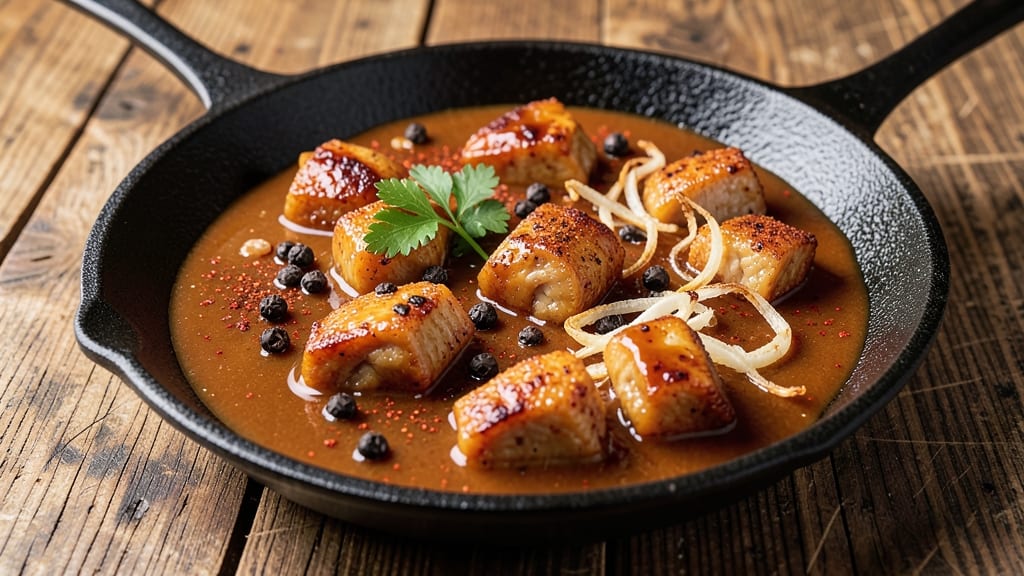
Angelo's Coney sauce transforms a simple hot dog into a Chicago classic with its signature tangy-sweet, smoky depth that clings to every bite. This isn’t your average tomato sauce—it’s a carefully balanced blend of vinegar, spices, and caramelized tomato paste that creates that unmistakable, slightly sweet-savory flavor. The secret lies in slow simmering, which develops layers of complexity as the sugars caramelize and the spices meld together.
What sets this sauce apart is its versatility—it’s bold enough to stand alone but flexible enough to complement everything from hot dogs to roasted meats. The recipe relies on simple pantry staples like tomato paste, vinegar, and spices, but the technique is what elevates it to restaurant-quality.
No fancy equipment is needed, just patience and attention to balance the tangy, sweet, and smoky notes.
The result is a sauce that’s rich, slightly sticky, and packed with flavor—perfect for drizzling over hot dogs, burgers, or even as a dipping sauce for fries. The caramelization adds depth, while the vinegar keeps it bright and tangy.
This is the kind of sauce that turns a casual meal into something special, with just a few ingredients and a little time.
Once you taste the difference, you’ll never go back to store-bought. The best part? It keeps well in the fridge for up to a week, so you can make a big batch and enjoy it all week long. Let’s get started on creating this iconic flavor profile.
Ingredients for angelo's coney sauce
Pantry staples with a smoky twist—this sauce transforms simple ingredients into Chicago's iconic flavor.
| Ingredient | Amount | Notes |
|---|---|---|
| Tomato Paste 🍅 | ½ cup | High-quality, unsweetened |
| White Vinegar 💧 | ½ cup | White or apple cider |
| Water 💧 | 1 cup | Room temperature preferred |
| Granulated Sugar 🍚 | ¼ cup | Light brown sugar for depth |
| Smoked Paprika 🌶️ | 2 tsp | For authentic smoky flavor |
| Ground Black Pepper 🌶️ | 1 ½ tsp | Freshly cracked preferred |
| Onion Powder 🧅 | 1 tsp | Adds subtle sweetness |
| Garlic Powder 🧄 | 1 tsp | Freshly ground if possible |
| Mustard Powder 🌶️ | ½ tsp | For that signature tang |
| Salt 🧂 | 1 tsp | Kosher or sea salt |
The tomato paste is where the magic happens. Look for high-quality, unsweetened in the canned goods aisle—Muir Glen or Hunt's are solid choices. Smoked paprika is non-negotiable for that authentic Coney sauce smokiness. Penzeys or McCormick have great options, but any brand works if it's labeled 'smoked'. The vinegar should be white or apple cider—no balsamic or red wine vinegar, which can add unwanted flavors. I always grab a small bottle of white vinegar from Trader Joe's since it's cheap and reliable. For the sugar, light brown adds subtle caramel notes that really elevate the sauce.
No smoked paprika? Substitute with a pinch of liquid smoke—about 1/4 teaspoon—but use sparingly. Mustard powder missing? Dijon mustard at half the amount works in a pinch. The spices can be adjusted to taste, but keep the ratio balanced: if you add more sugar, bump up the vinegar slightly to maintain that tangy-sweet balance. For a deeper flavor, toast the spices in a dry pan for 30 seconds before adding to the sauce. The sauce will thicken as it cools, so if it's too thick while cooking, add a splash of water or vinegar to loosen it up.
This sauce tastes even better the next day as the flavors meld. Store it in an airtight container in the fridge for up to 1 week. For longer storage, freeze in ice cube trays—perfect for single-use portions. The sauce thickens when cold, so give it a quick stir before using. If it's too thick after refrigeration, thin it with a splash of water or vinegar. Trust me, the first time you drizzle this over a hot dog, you'll never go back to store-bought.
Why You'll Love This Recipe
- Pantry Magic: I swear by this sauce because it lives in my cabinet. No fresh herbs? No problem. The smoked paprika and vinegar cut through the sweetness of the tomato paste and sugar, creating that tangy, smoky depth that’s actually restaurant-quality. Honestly, I’ve made it with just those five ingredients when I forgot garlic powder—still tasted like I tried.
- Two-Ingredient Secret: That sugar-vinegar balance? It’s the real MVP. The vinegar brightens the tomato paste so it doesn’t taste like a can of sauce you’d buy at the store, and the sugar rounds it out—just enough to make it dangerously good on grilled cheese or fried chicken. I’ll be real: I’ve used it as a marinade too, and it sticks like glue.
- Game for Any Meal: This stuff doesn’t just belong on hot dogs. Slather it on roasted Brussels sprouts, drizzle it over eggs, or toss it with pasta—it’s the kind of sauce that turns a lazy dinner into something special. Between us, I’ve even used it as a glaze for baked sweet potatoes when I’m in a rush. Versatile? More like versatile chaos in the best way.
- Leftovers That Don’t Suck: Make a big batch—it keeps for weeks in the fridge—and it only gets better as the flavors meld. I double the recipe on Sundays because it’s cheaper than buying jars of sauce, and by Thursday, it’s still the star of my meal. Plus, it’s the kind of leftovers that actually make you happy to reheat. No sad, watery sauces here.
Step-by-step instructions for Angelo's Coney sauce
Here's how to build that iconic smoky-sweet sauce from scratch—simple steps for deep flavor.
Bloom the Spices in Vinegar
In a medium saucepan, combine the 0.5 cup white vinegar, 2 teaspoons smoked paprika, 1.5 teaspoons ground black pepper, 1 teaspoon onion powder, 1 teaspoon garlic powder, and 0.5 teaspoon mustard powder. Place over medium heat and bring just to a simmer. Let it bubble gently for 3-4 minutes—this blooms the spices and infuses the vinegar with their flavors.
Here's the thing—don't rush this step. You'll notice the mixture darken slightly and develop an aromatic steam. That's your signal the spices are releasing their oils and flavors into the vinegar. If you skip this, your sauce will taste flat and one-dimensional. Stir occasionally to prevent scorching, but don't over-stir—just enough to keep things moving.
Build the Base with Tomato Paste
Lower the heat to medium-low and whisk in the 0.5 cup tomato paste until completely smooth. Add the 0.25 cup granulated sugar and 1 teaspoon salt, stirring constantly. The mixture will thicken noticeably as the sugar begins to dissolve and the paste integrates.
This is where the sauce starts taking shape. You're creating a balanced foundation of sweet, tangy, and savory elements. Let it cook for 5-7 minutes, stirring frequently, until the mixture becomes slightly syrupy and coats the back of a spoon. You're aiming for a consistency somewhere between thick ketchup and thin gravy—this will develop further as it reduces.
Simmer and Reduce to Perfection
Pour in the 1 cup water and bring the mixture back to a gentle simmer. Here's where patience pays off—let it reduce uncovered for 20-25 minutes on medium-low heat. You'll see the sauce darken and thicken as the water evaporates, intensifying all those flavors.
Real talk: this is the moment that matters. Stir occasionally to prevent sticking, but don't obsess over it. You're looking for a sauce that coats a spoon smoothly but still flows easily. It should smell rich and complex—smoky from the paprika, tangy from the vinegar, with underlying sweetness from the sugar. If it gets too thick before the time is up, add 1-2 tablespoons water to loosen it.
Finish and Adjust Seasoning
Once the sauce has reduced to your desired consistency, remove it from heat and let it cool for 5 minutes. Taste and adjust the seasoning—add more sugar if it needs sweetness, more salt if it's bland, or a splash of vinegar if it's too thick. The sauce will continue thickening as it cools, so don't worry if it looks perfect now.
For that authentic Coney sauce texture, you want it to be glossy yet still pourable. If it's too thick when cold, thin it with 1 teaspoon water at a time until it reaches the right consistency. The sauce should be vibrant red with a deep, caramelized hue—this indicates proper reduction and flavor development. Transfer to a clean jar or container and let it cool completely before using.
Pro Tips For Making Angelo'S Coney Sauce
- STIR CONSTANTLY FIRST 5 MINUTES: The sauce will fight you hard at first—don’t walk away. I’ve seen people turn their stovetop into a science experiment because they let the tomato paste burn before the vinegar could cut through it. Keep that spoon moving until the mixture smells tangy and the color deepens.
- USE WHITE VINEGAR SPARINGLY: Start with half the amount called for, then taste as you go. Too much vinegar makes the sauce taste like a pickle jar, not a barbecue sauce. My grandmother used to say, "You can always add more sugar, but you can’t take it back." She was right—especially with this recipe.
- DILUTE THE SUGAR FIRST: Mix the sugar into the water before adding it to the pot. I learned this the hard way when I dumped dry sugar into the hot mixture and ended up with grainy lumps that ruined the texture. A quick stir in cold water first makes it dissolve smoothly.
- LOW AND SLOW AFTER BOIL: Once the sauce starts simmering, drop the heat to the lowest setting you can tolerate. Rushing this step makes the sauce bitter and thin. I’ve seen people walk away for "just a minute," and by the time they return, the sauce is a sad, watery mess. Keep an eye on it—it’s the thing that matters most.
Best sauces and condiments for this recipe
Classic Coney Dog Topping
This sauce is designed to elevate Chicago-style hot dogs to legendary status. Drizzle it generously over grilled or steamed hot dogs, letting it cascade down the sides for maximum flavor impact.
I like to add a sprinkle of crushed potato chips on top for that signature crunch you find at Angelo’s. Serve with yellow mustard on the side if you want to mix it up—some purists insist on sauce-only, but I love both together. 🌭
Burger Sauce Upgrade
Skip the ketchup and mayo combo—this sauce transforms burgers into a whole new experience. Spread a thick layer on toasted brioche buns, then top with your favorite burger patty.
The smoky-sweet balance cuts through rich beef perfectly. For extra indulgence, add caramelized onions and blue cheese crumbles to create a gourmet burger that still feels nostalgic. 🍔
Dipping Sauce for Fries
Fries become a gourmet snack when dipped in this sauce. The tangy-sweet profile balances the saltiness of fries beautifully. I like to serve it with crinkle-cut fries and a side of pickles for that classic diner combo.
For a Chicago twist, add a dash of celery salt to the sauce before serving. The sauce’s thickness makes it perfect for dipping without making a mess. 🍟
Meat Roast Glaze
Brush this sauce on pork chops, ribs, or even chicken thighs during the last 10-15 minutes of cooking to create a sticky, flavorful crust. The sugar in the sauce caramelizes beautifully, creating a glossy glaze that locks in moisture.
I’ve used it on baby back ribs and it turned out restaurant-quality—just don’t overcook or it’ll burn. 🍖
Mac and Cheese Twist
Stir a ladle of this sauce into your favorite mac and cheese recipe for a smoky, tangy kick. The acidity cuts through the richness of the cheese, creating a perfect balance.
I like to add sharp cheddar and Gruyère for depth, then fold in the sauce at the end. The result is a cheesy pasta dish with unexpected complexity. 🧀
Pizza Sauce Alternative
Use this sauce as a bold alternative to traditional tomato sauce on pizza. Spread it thinly on dough, then top with mozzarella, pepperoni, and red onions. The smoky-sweet flavor pairs perfectly with pepperoni’s spiciness. For extra authenticity, finish with a sprinkle of crushed potato chips on top. 🍕
Nutrition facts
Frequently asked questions about Angelo's Coney sauce
Why does this sauce need to simmer for so long?
The extended simmering is key to developing that signature depth. The 20-25 minute reduction concentrates the flavors, caramelizes the sugar, and creates a glossy texture. This is what gives it that restaurant-quality stickiness and complex smoky-sweet balance.
Can I make this sauce without smoked paprika?
Yes, but the flavor will be different. Substitute with 1/4 teaspoon liquid smoke or a pinch of cayenne pepper for heat. The smoky element is what makes this sauce iconic, so if possible, track down smoked paprika for that authentic Chicago taste.
How do I fix sauce that's too thick or too thin?
For thick sauce, thin with 1 teaspoon water or vinegar at a time while warm. If too thin, simmer uncovered for 5-10 more minutes to reduce. The sauce will naturally thicken as it cools, so don't worry about getting it perfect while hot.
What's the secret to balancing the sweet and tangy flavors?
The magic is in the ratio: 1/4 cup sugar to 1/2 cup vinegar. Taste as you go and adjust incrementally. Too sweet? Add more vinegar. Too tangy? Add a pinch of sugar. The goal is that perfect sweet-tangy balance that makes Coney sauce irresistible.
Can I make this sauce in a slow cooker?
Combine all ingredients in your slow cooker and cook on Low for 2-3 hours or High for 1-1.5 hours, stirring occasionally. The slow cooker method actually enhances the caramelization and flavor development even more. Just watch the water level and add a splash if needed.