
Sauces & Condiments
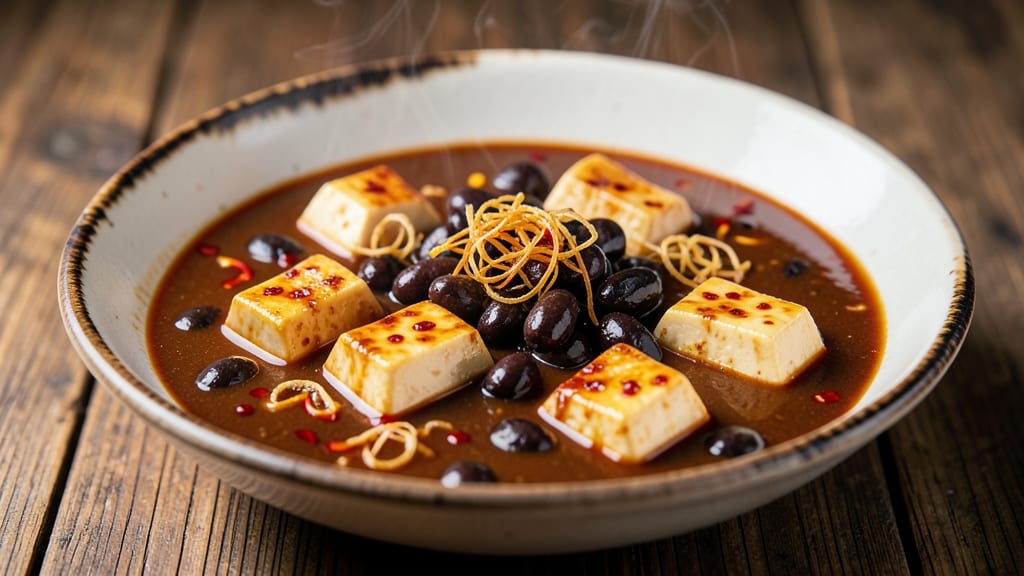
This Amoy mapo tofu sauce recipe delivers the perfect balance of fermented chili oil heat and silky bean curd richness that defines Sichuan cuisine.
The sauce builds complexity through layered flavors—smoky doubanjiang, umami fermented black beans, and a touch of sweetness from soy sauce—creating a condiment that transforms simple dishes into restaurant-quality meals.
What sets this version apart is the careful balance of spice and depth, achieved through traditional techniques that preserve authentic flavor profiles.
The foundation of this sauce lies in its fermented ingredients, which develop rich, complex flavors over time. Chili oil infuses the sauce with its signature heat and aroma, while fermented black beans add a deep, savory note that anchors the dish.
Unlike many simplified versions, this recipe maintains the traditional ratio of ingredients to ensure the sauce remains vibrant and flavorful, not overpowering. The result is a sauce that's versatile enough for tofu, noodles, or even dipping, yet bold enough to stand alone.
What you'll achieve is a sauce that's deeply aromatic, with a perfect harmony of spicy, umami, and slightly sweet notes. The texture is smooth yet slightly textured from the fermented ingredients, creating a mouthfeel that's both luxurious and comforting.
This isn't just a condiment—it's a flavor experience that elevates every dish it touches, whether you're serving it with silken tofu, stir-fried vegetables, or as a dipping sauce for dumplings.
Storage is simple: keep the sauce in an airtight container in the refrigerator for up to two weeks, where the flavors will continue to deepen.
For those who prefer less heat, you can adjust the amount of chili oil or fermented chili paste used, though the traditional balance is what makes this sauce truly special. Ready to transform your cooking with this authentic Amoy mapo tofu sauce?
Ingredients for amoy mapo tofu sauce
Fermented heat meets silky richness in this Sichuan masterpiece—authentic ingredients for restaurant-quality depth.
| Ingredient | Amount | Notes |
|---|---|---|
| Fermented Chili Oil 🌶️ | ½ cup | Authentic Sichuan chili oil for signature heat |
| Doubanjiang 🌶️ | ¼ cup | Fermented chili bean paste, smoky and spicy |
| Fermented Black Beans 🫘 | ¼ cup | Umami-rich, essential for depth |
| Light Soy Sauce 🍶 | ¼ cup | Balances flavors, use premium brand |
| Dark Soy Sauce 🍶 | 1 tbsp | Adds color and complexity |
| Silken Tofu 🧀 | 8 oz | Extra-firm for best texture |
| Green Onions 🧅 | 3 whole | Fresh, sliced for garnish |
| Garlic Cloves 🧄 | 4 cloves | Minced, aromatic foundation |
| Ginger 🌿 | 1 tbsp | Freshly grated, zesty kick |
| Sesame Oil 🫒 | 1 tsp | Toasted, for nutty aroma |
The fermented ingredients are non-negotiable for authentic flavor. Doubanjiang and fermented black beans should be sourced from Asian markets or specialty stores like H Mart or 99 Ranch Market, where you'll find properly aged products with vibrant colors and rich aromas. Look for doubanjiang with visible oil separation—this indicates proper fermentation. Fermented black beans should be slightly sticky and deeply aromatic; avoid powdered versions. The chili oil, often labeled as 'la jiao you,' should have a deep red hue and a balanced heat level—not overly oily or dry. If you can't find authentic fermented chili oil, chili crisp mixed with sesame oil works in a pinch, though it lacks the same depth.
Substitutions require careful balance to maintain authenticity. No fermented black beans? Use a mix of black soybeans and a dash of molasses for umami depth. Doubanjiang unavailable? Combine 1 tbsp chili paste with 1 tsp soy sauce and 1 tsp vinegar for a basic substitute. The soy sauces can be swapped—light for saltiness, dark for color—but avoid low-sodium versions that lack complexity. For the tofu, extra-firm holds up best when stir-fried, while silken tofu works better for dipping. Fresh ginger and garlic are essential; powdered versions lack the necessary aromatic punch. If you must use powdered, double the amount but toast it first in a dry pan to revive some flavor.
This sauce develops best when made fresh, but it keeps beautifully in the refrigerator for up to 2 weeks in an airtight container. For longer storage, freeze in ice cube trays—each cube makes a perfect single-serving portion. Reheat gently over low heat, stirring in a splash of water if it thickens too much. The sauce gains complexity over time, so leftovers often taste even better the next day. If the heat becomes too intense after refrigeration, balance it with a few drops of rice vinegar or a pinch of sugar. Always taste before serving—adjust with soy sauce for saltiness or sesame oil for richness as needed.
Why You'll Love This Recipe
- Pantry Magic: I swear by this sauce because it’s all about what’s already in my cabinet. Fermented chili oil and doubanjiang? Those two ingredients alone turn a simple stir-fry into something special—no fancy shopping required.
- Umami Bomb: Between us, that combo of fermented black beans and dark soy sauce is chef’s kiss. It’s rich, deep, and hits every flavor spot without needing a dozen jars of spices. One taste and you’ll be nodding along.
- Leftovers That Shine: This sauce keeps like a dream—toss it in rice bowls, drizzle it over noodles, or even mix it into scrambled eggs. Honestly, I’ve had it three days in a row and still crave it. (Yes, even on a Tuesday night.)
- Budget-Friendly Powerhouse: Doubanjiang and fermented chili oil stretch across multiple meals, and a little goes a long way. I make a big batch, freeze half, and still have enough for stir-fries, dumplings, or even a quick soup. Not the prettiest, but the taste makes up for it.
Step-by-step instructions for fermented chili oil mapo tofu
This method delivers restaurant-quality texture and flavor through precise technique.
Prepare the Fermented Base
In a clean, dry skillet, combine the 0.5 cup Fermented Chili Oil and 0.25 cup Doubanjiang over medium-low heat. Let them warm together for 2 minutes until you can smell the deep, smoky aroma rising. The chili oil should shimmer but not smoke—this preserves its signature heat without burning.
Add the 0.25 cup Fermented Black Beans and stir continuously for 3-4 minutes until they soften and release their umami essence. You'll notice the mixture darken slightly and develop a thick, paste-like consistency. This is your flavor foundation—don't rush this step as the beans need time to break down and infuse their depth into the oil.
Build the Sauce Base
Increase heat to medium and add the 4 cloves minced Garlic Cloves and 1 tbsp freshly grated Ginger. Stir vigorously for 30 seconds until fragrant—you should detect the sharp, bright aroma of garlic and the zesty kick of ginger cutting through the smoky base. Immediately add the 0.25 cup Light Soy Sauce and 1 tbsp Dark Soy Sauce.
Bring the mixture to a gentle simmer and reduce heat to low. Let it cook uncovered for 5 minutes while stirring occasionally. You're looking for the sauce to thicken slightly and develop a glossy sheen. The dark soy sauce will add color and complexity while the light soy balances the overall flavor profile. This reduction step is crucial for developing the sauce's depth.
Incorporate the Silken Tofu
While the sauce simmers, cut the 8 oz Silken Tofu into ½-inch cubes. Gently fold them into the sauce using a silicone spatula, being careful not to break them apart. The tofu should be fully submerged in the sauce for even cooking. Return the heat to medium-low and let it cook for 4-5 minutes until the tofu is heated through but still maintains its delicate texture.
Here's the thing—silken tofu has a delicate structure. You want it warm and infused with flavor without becoming rubbery. The sauce should coat the tofu pieces lightly, creating that signature silky texture that defines mapo tofu. If the sauce becomes too thick, add 1-2 tablespoons of water to maintain the proper consistency.
Finish and Garnish
Remove the skillet from heat and stir in the 1 tsp Sesame Oil. This final addition brings nutty aroma and helps balance the heat from the fermented chili oil. Let the sauce rest for 1 minute to allow the flavors to meld completely.
Divide the mapo tofu among serving bowls and garnish with sliced 3 whole Green Onions. The green onions add freshness and visual contrast to the rich, spicy sauce. Serve immediately while the tofu is still warm and the flavors are at their peak intensity. The contrast between the silky tofu and the fiery, aromatic sauce creates the perfect balance that makes this dish so beloved.
Pro Tips For Making Amoy Mapo Tofu Sauce
- Bloom the Doubanjiang First: I learned this the hard way—skipping the initial bloom step means your sauce will taste flat and one-dimensional. Heat your wok until it’s smoking, then toss in the doubanjiang and fermented black beans. Let them sizzle for 30 seconds before adding anything else—this unlocks their deep, nutty aroma and prevents a muddy flavor.
- Control the Chili Oil: Fermented chili oil is the star, but it’s easy to overdo it. Add it last, just before serving, and drizzle it in thin streams while stirring constantly—this keeps the heat balanced and the oil from separating. If your sauce looks too thick, a splash of hot water (not cold!) thins it out without killing the texture.
- Toast Fermented Black Beans: Don’t just toss them in raw—they need a quick toast in the wok with the doubanjiang. Fry them for 20-30 seconds until they’re fragrant and slightly darkened. This step makes a real difference: untosted beans add bitterness instead of their signature smoky depth.
- Balance the Soy Sauces: Dark soy sauce for color, light soy for flavor—but measure carefully. Start with 1 teaspoon of each, taste, then adjust. Too much dark soy makes your sauce look like ink; too much light soy flattens the umami. If you’re unsure, add a pinch of sugar to round out the acidity from the fermented ingredients.
Common mistakes when making great amoy mapo tofu sauce
Overcooking Fermented Ingredients
One of the biggest mistakes is letting the fermented ingredients—especially the doubanjiang and fermented black beans—overcook. These need just 3-4 minutes of gentle heat to soften and release their umami.
Pushing beyond this turns them bitter or overly salty. I’ve ruined batches by keeping them on heat too long—trust your nose: when you smell that deep, smoky aroma, it’s ready. 🌶️
Skipping the Reduction Step
The 5-minute reduction after adding soy sauce is non-negotiable. This step concentrates flavors and creates that glossy sheen. Without it, your sauce will taste flat and watery. I once made this sauce and skipped it—big mistake!
The result lacked depth, no matter how much I adjusted later. Think of it like making a good gravy: patience pays off.
Using Low-Quality Fermented Ingredients
Not all doubanjiang or fermented black beans are created equal. Cheap or poorly fermented versions will make your sauce taste harsh or overly salty. Always source from trusted stores like H Mart or 99 Ranch Market.
Look for doubanjiang with visible oil separation—this means it’s properly aged. The same goes for fermented black beans: they should be sticky and aromatic, not dry or powdery.
Breaking the Tofu
Silken tofu is delicate, and aggressive stirring will turn it into a mushy mess. Use a silicone spatula to gently fold it into the sauce. I’ve seen home cooks use metal utensils and end up with a gloopy texture.
The goal is to coat the tofu lightly, not mash it. If it starts to fall apart, reduce heat immediately and work quickly.
Ignoring the Resting Time
After adding sesame oil, let the sauce rest for 1 minute before serving. This allows flavors to meld and the heat to distribute evenly. Skipping this step means the first bite might be overwhelmingly spicy or uneven.
I’ve learned this the hard way—rushing leads to a less balanced dish. Think of it like letting coffee steep: patience enhances the experience. ✨
Over-Adjusting Heat Levels
If your sauce is too spicy, don’t just add more tofu or water—balance it with a pinch of sugar or a splash of rice vinegar. These ingredients complement the heat without diluting the sauce.
I’ve seen people dump in extra soy sauce, which can make it taste salty and unbalanced. Start with small adjustments and taste as you go. The key is harmony, not just fixing one flavor at the expense of others.
Nutrition facts
Frequently asked questions
What makes Amoy mapo tofu sauce different from regular mapo tofu sauce?
The Amoy version emphasizes fermented chili oil and black bean depth while balancing heat with subtle sweetness from soy sauces. Traditional Sichuan mapo tofu often includes minced pork and a thicker, oilier texture, while this sauce focuses on the silky tofu and aromatic fermented base. The Amoy style is more vegetarian-forward and lighter in body.
Can I make this sauce without fermented black beans?
Yes, but the flavor will be less complex. Replace 0.25 cup fermented black beans with 2 tbsp black soybeans (soaked overnight) plus 1 tsp molasses for umami depth. For extra richness, add 1 tsp miso paste. The texture will be slightly different, but the overall balance will still work.
How do I adjust the heat level if I can't handle spicy food?
Start by reducing the fermented chili oil to 0.25 cup instead of 0.5 cup. For milder heat, replace some with neutral oil (like vegetable oil) and add 1 tsp sugar or 1 tsp rice vinegar to balance. If needed, stir in 1 tbsp silken tofu to dilute the spice naturally. Always taste as you go!
Can I use this sauce for dishes other than tofu?
This versatile sauce works beautifully with stir-fried noodles, steamed dumplings, or as a dipping sauce for spring rolls. For noodles, add 1 tbsp cornstarch slurry to thicken it slightly. For dumplings, use it as a filling or glaze. The key is to maintain the sauce-to-food ratio—about 2 tbsp sauce per serving for best flavor impact.
How long will the sauce keep, and can I freeze it?
The sauce stays fresh in an airtight container in the fridge for up to 2 weeks, with flavors deepening over time. For freezing, portion into ice cube trays and transfer to a bag. Thaw overnight in the fridge—never microwave directly. Frozen sauce lasts 3 months but may separate slightly. Stir well and reheat gently over low heat before using.