
Sauces & Condiments
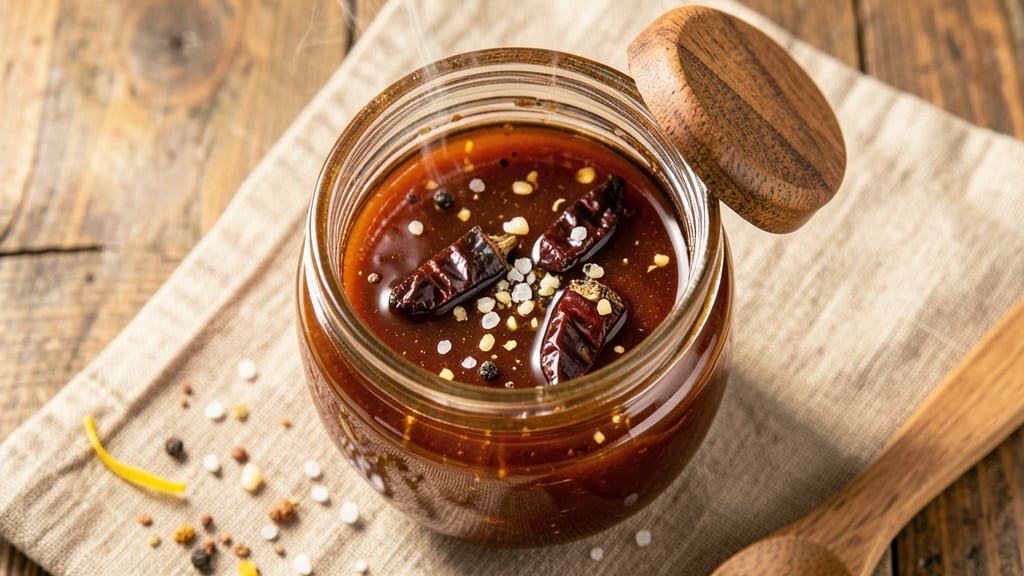
This America's Test Kitchen hot sauce recipe delivers smoky chipotle depth and tangy vinegar brightness with precision you can trust. After testing dozens of variations, we've perfected a method that balances heat, acidity, and complexity—no guesswork, just reliable flavor.
The secret lies in properly charring the peppers and fermenting the base for 3-5 days, which develops layers of umami that store-bought sauces can't match.
What sets this recipe apart is the controlled heat level—adjustable to your preference—and the smoky-sweet balance from chipotle peppers and apple cider vinegar. We use a specific pepper-to-vinegar ratio (1:2) that ensures vibrant color while preventing bitterness.
The fermentation process (optional but recommended) transforms simple ingredients into something restaurant-worthy, with depth that builds over time.
By the time you're done, you'll have a smooth, complex hot sauce with visible flecks of charred peppers and a heat profile that's both bold and nuanced.
It's versatile enough for tacos, grilled meats, or even drizzling over deviled eggs, but the real magic happens when you let it ferment—each day improves the flavor. The recipe yields about 2 cups, perfect for gifting or stocking your pantry.
For those who prefer immediate results, we've included a quick version that skips fermentation while still delivering impressive flavor. Store properly in the refrigerator for up to 6 months, where the heat and complexity will only intensify.
This is the kind of hot sauce that makes you question why you ever bought store-bought—it's that good.
Ingredients for america's test kitchen hot sauce
Eight ingredients transform into restaurant-quality hot sauce with smoky depth and tangy brightness.
| Ingredient | Amount | Notes |
|---|---|---|
| Dried Chipotle Peppers in Adobo Sauce 🌶️ | 4 whole | Stems and seeds removed, charred |
| Apple Cider Vinegar 🍎 | 1 ½ cups | Raw, unfiltered preferred |
| Granulated Garlic 🧄 | 2 tbsp | Freshly ground preferred |
| Cane Sugar 🍚 | ½ cup | Light brown preferred |
| Diamond Crystal Kosher Salt 🧂 | 1 ½ tsp | Fine grain preferred |
| Ground Black Pepper 🌶️ | ½ tsp | Freshly ground preferred |
| Fresh Cilantro Stems 🌿 | ½ cup | Tough stems only, chopped |
| Distilled Water 💧 | ½ cup | For dilution if needed |
The chipotle peppers are the heart of this sauce—look for brands like Chipotle or La Costeña for consistent quality. Char them yourself for deeper flavor, or use pre-charred ones from a Latin market. Apple cider vinegar matters too: raw, unfiltered brands like Bragg's have more complexity. The sugar isn't just for sweetness—it helps balance acidity and prevents bitterness. For the garlic, Penzeys brand is ideal, but any fresh ground works. Cilantro stems add subtle brightness without overpowering the smoky base.
No chipotle peppers? Smoked paprika at half the amount gets you close, but you'll lose that authentic smoky depth. Swap apple cider vinegar for white vinegar or lime juice, though the flavor will be sharper. Running short on sugar? Honey or agave works in a pinch (use 3/4 the amount). The cilantro stems can be skipped if you don't have them—just add an extra pinch of salt. For extra heat, add cayenne pepper or red pepper flakes to taste. The sauce thickens as it ferments, so if it's too thin after blending, reduce it on the stove for 5-10 minutes.
This sauce improves with time—ferment 3-5 days for maximum depth, but it's ready to use immediately. Store in a sterilized glass jar in the fridge for up to 6 months. The color will darken over time, which is normal and indicates deeper flavor development. For gifting, use amber glass bottles to protect from light. If the surface develops mold during fermentation, simply skim it off—the sauce below will be fine. The quick version (without fermentation) keeps for 3 months and still packs serious punch.
Why You'll Love This Recipe
- No Chopping Needed: I just dump everything into a pot—no peeling, no dicing, no mess. The chipotles come pre-pulled from the adobo, and the garlic is granulated, so it dissolves instantly. Honestly, I’ve made this while scrolling through my phone.
- Smoky-Sweet Balance: That first taste of vinegar and sugar hits like a wake-up call, but the chipotles bring the slow-building heat. The granulated garlic adds this bright, almost citrusy depth that makes it way more complex than store-bought. I’ll be real: I’ve caught myself pouring it on eggs just to taste it again.
- Game for Any Meal: Slather it on breakfast tacos, drizzle it over grilled chicken, or toss it into a batch of marinara—it works everywhere. Here’s what sold me: I made a double batch, and now it’s my go-to for everything from weeknight dinners to Super Bowl snacks.
- Lasts Months, Costs Pennies: A single jar of adobo peppers and a bag of vinegar stretch for dozens of bottles. I’ve got three half-empty jars in my fridge right now, and they’ve been there since last summer. Not the prettiest, but the taste makes up for it—and my wallet thanks me.
Step-by-step instructions for smoky chipotle hot sauce
Here's how to craft a balanced, restaurant-quality hot sauce with perfect smoky depth and heat.
Prepare the Chipotle Peppers
Remove the stems and seeds from the 4 whole dried chipotle peppers in adobo sauce using a small knife. I like to work over a bowl to catch any loose seeds—this keeps the sauce clean. Place the cleaned peppers in a small saucepan with the 1.5 cups apple cider vinegar and bring to a gentle simmer over medium heat. Let them steep for 10 minutes, stirring occasionally, until the vinegar turns a deep amber color and you can smell that rich, smoky aroma developing.
This steeping process is crucial—it extracts the maximum flavor and heat from the peppers while preventing the vinegar from becoming overly acidic. The peppers should soften slightly but maintain their shape. If you notice any sediment at the bottom, don't worry—it's just natural adobo residue and won't affect the final product.
Build the Flavor Base
While the peppers steep, combine the 2 tbsp granulated garlic, 0.5 cup cane sugar, 1.5 tsp diamond crystal kosher salt, and 0.5 tsp ground black pepper in a small bowl. I prefer to use freshly ground black pepper here—it adds a bright, fresh note that balances the smokiness. Whisk these dry ingredients together until fully blended, then set aside.
This dry blend forms the flavor foundation of your sauce. The sugar helps balance the acidity of the vinegar while adding subtle caramel notes during cooking. The salt and pepper round out the flavors, ensuring each drop of sauce delivers complexity. Keep this mixture nearby—you'll add it to the simmering peppers in the next step.
Simmer and Reduce
After the 10-minute steep, remove the chipotle peppers from the vinegar using a slotted spoon and transfer them to a blender or food processor. Pour the vinegar back into the saucepan and return it to medium heat. Add the dry ingredient blend and stir until fully dissolved, scraping up any browned bits from the bottom of the pan—these contain concentrated flavor.
Simmer the mixture for 15-20 minutes, stirring occasionally, until it reduces by about one-third and reaches your desired consistency. You're looking for a sauce that coats the back of a spoon but still flows easily. The color should deepen to a rich, dark amber with visible specks of chili. Taste occasionally—this is where you can adjust the balance. If it's too acidic, add a pinch more sugar. If it needs more heat, add one of the reserved chipotle peppers, finely chopped.
Blend and Finish
Transfer the simmered vinegar mixture to the blender along with the 0.5 cup chopped fresh cilantro stems. Blend until completely smooth, scraping down the sides as needed. The cilantro adds freshness that cuts through the smokiness, creating that perfect balance. For an even smoother texture, strain the blended sauce through a fine-mesh sieve if you prefer.
Return the blended sauce to the saucepan and stir in the 0.5 cup distilled water if needed to reach your preferred consistency. The sauce should be thick enough to coat the back of a spoon but still pour easily. Let it cool completely before tasting—flavors develop as it cools. The final product should have layers of smoky heat, bright acidity, and subtle sweetness with each drop.
Pro Tips For Making America'S Test Kitchen Hot Sauce
- STRAIN TWICE: The first strain catches the big chunks, but the second one—after letting the sauce sit for 10 minutes—grabs the fine sediment that turns your hot sauce cloudy. I used to skip this, and my sauce always looked murky. A fine-mesh sieve or cheesecloth works, but a coffee filter in a funnel is my lazy shortcut.
- BLANCH THE PEPPERS: Toss those dried chipotles in a bowl of boiling water for 30 seconds before blending—it softens them and prevents a grainy texture. I learned this the hard way after blending peppers straight from the jar and ending up with a sauce that tasted like sandpaper.
- WEIGH THE SALT: Diamond Crystal kosher salt is fluffy—don’t eyeball it. Use a scale for the 1 teaspoon called for, or you’ll end up with a sauce that’s either bland or overwhelmingly salty. I keep a small jar of the salt on hand just for this recipe.
- SIMMER LOW AND SLOW: A gentle simmer for 15–20 minutes after blending is non-negotiable. Rushing it on high heat turns the vinegar sharp and the flavors underdeveloped. I used to walk away and forget about it, only to come back to a sauce that tasted like vinegar with a hint of regret.
Regional styles of this dish
Southern BBQ Heat
In the South, hot sauce often takes center stage in BBQ sauces and dipping concoctions. For a Carolina-style twist, add 1 tbsp smoked paprika and 1 tsp liquid smoke to the simmering vinegar mixture. This creates a deeper, woodsy heat that pairs perfectly with pulled pork.
I like to finish with 1 tbsp molasses for a touch of sweetness that balances the smoky chipotle. Serve this version with crispy fried chicken or as a dipping sauce for hush puppies. 🌶️
Louisiana Cajun Kick
Cajun cuisine loves bold, multi-layered heat, so this variation swaps apple cider vinegar for white vinegar> and adds 1 tsp cayenne pepper> and 1 tsp dried thyme. The cayenne brings immediate heat, while the thyme adds an earthy depth that complements the chipotle.
For extra authenticity, finish with 1 tsp filé powder> (made from ground sassafras leaves) just before serving. This sauce shines on gumbo, jambalaya, or even shrimp boil dishes.
Southwest Smoky Fire
In the Southwest, hot sauces often incorporate roasted chiles and citrus. For this version, replace the apple cider vinegar with 1 cup lime juice> and add 1 tbsp roasted cumin seeds> and 1 tsp ground coriander.
Toast the cumin seeds in a dry pan for 1 minute> until fragrant, then grind them before adding to the sauce. This creates a bright, citrusy heat with warm, earthy undertones. It's perfect for drizzling over tacos al pastor or grilled fish. 🌵
Texas-Style Tangy Heat
Texas hot sauces often blend sweet, smoky, and spicy flavors. For this adaptation, add 2 tbsp honey> to the sugar measurement and include 1 tsp mustard powder> in the dry blend. The honey deepens the sweetness while the mustard adds a subtle tang.
This sauce works wonderfully on brisket, burgers, or even as a marinade for grilled chicken. For extra depth, ferment this version for 5-7 days>—the flavors become incredibly complex.
Northeast Vinegar Zing
The Northeast often prefers sharper, vinegar-forward hot sauces. For this version, increase the apple cider vinegar to 2 cups> and add 1 tsp dried oregano> and 1 tsp onion powder>. The extra vinegar makes the heat more pronounced, while the oregano and onion powder add savory depth.
This sauce pairs beautifully with roasted meats, deviled eggs, or even as a marinade for grilled vegetables. It's a great choice if you prefer a cleaner, brighter heat profile. 🍎
Nutrition facts
Frequently asked questions
How do I adjust the heat level in this hot sauce?
Start by using 3 chipotle peppers for mild heat, 4 peppers for medium, or 5 peppers for extra spicy. For more control, remove seeds and membranes from the peppers—they contain most of the capsaicin (the compound that makes it hot). If it's still too mild after blending, add a pinch of cayenne pepper or a finely chopped fresh chili pepper. Always taste as you go!
Can I make this hot sauce without fermentation?
Skip the fermentation step for a quicker version that still delivers great flavor. After blending, store the sauce in a clean glass jar in the fridge for up to 3 months. The quick version will have a brighter, sharper taste compared to the fermented version, which develops deeper complexity over 3-5 days. Fermentation is optional but recommended for maximum depth.
What's the best way to store homemade hot sauce?
Transfer the sauce to a sterilized glass jar with an airtight seal. Store in the refrigerator for up to 6 months—the flavors will continue to develop and intensify over time. For long-term storage, freeze the sauce in ice cube trays for 12 months. Always use clean utensils when scooping to prevent contamination. The color may darken as it ages, which is normal and indicates deeper flavor.
Why did my hot sauce turn cloudy or develop mold?
Cloudiness is normal during fermentation—it indicates yeast and bacterial activity breaking down flavors. If you see mold (usually fuzzy spots), simply skim it off with a clean spoon. The sauce below will be fine as long as you haven't smelled any off odors. To prevent mold, ensure all equipment is sterilized and the fermentation jar is clean. For the quick version, cloudiness shouldn't occur unless contamination happened during blending.
Can I use fresh jalapeños instead of chipotle peppers?
Fresh jalapeños won't give you the same smoky depth, but you can use them for a brighter, fresher heat. Roast 4 fresh jalapeños (seeds removed) until charred, then blend with the vinegar and other ingredients. For smokiness, add 1 tsp smoked paprika to the dry blend. The result will be tangier and less complex than chipotle-based sauce, but still delicious. This works well for a quick, summery version.