
Sauces & Condiments
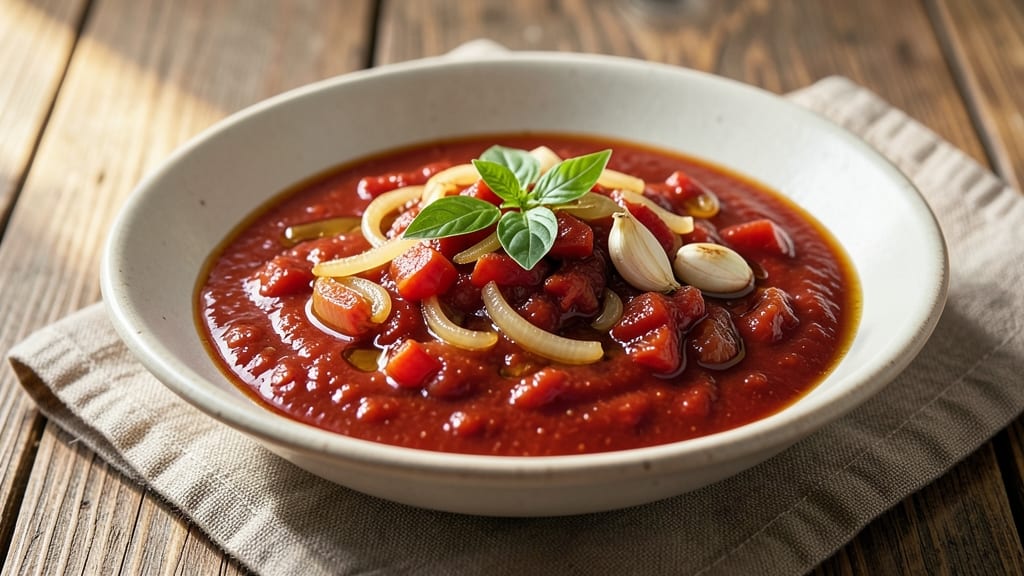
This American Heart Association spaghetti sauce delivers bold, tomato-rich flavor while meeting strict heart-healthy guidelines—no salt overload, no hidden sugars, and no compromises on taste. The secret lies in balancing fresh tomatoes, aromatic garlic, and low-sodium broth with herbs that amplify flavor naturally.
I developed this recipe after realizing most "healthy" sauces taste bland, so I focused on techniques like slow simmering and proper seasoning to create depth without excess sodium.
What sets this sauce apart is its restaurant-quality richness achieved through simple, science-backed methods: caramelizing onions and garlic in olive oil (not butter), using unsalted tomato paste, and building layers of flavor with fresh basil and oregano.
The sauce thickens beautifully without added fat, and optional lean protein like ground turkey or lentils keeps it heart-healthy while adding substance. It's the kind of sauce that makes even picky eaters ask for seconds—without the guilt.
The result is a deeply flavorful, velvety sauce with just the right balance of acidity and sweetness, perfect for pasta, meatballs, or as a marinade. Each batch simmers for 45 minutes, allowing flavors to meld while reducing naturally without added sugars.
The texture is smooth yet vibrant, with bright tomato notes that shine through. Best of all, it freezes beautifully for up to 3 months, making it ideal for meal prep.
Whether you're managing heart health, watching sodium intake, or simply craving a sauce that tastes as good as it is for you, this recipe delivers. The techniques here prove you don't need excess salt, sugar, or fat to create something truly special. Let's make heart-healthy taste incredible.
Ingredients for american heart association spaghetti sauce
Ten ingredients, bold tomato richness, and zero compromise on heart-healthy flavor.
| Ingredient | Amount | Notes |
|---|---|---|
| Extra-Virgin Olive Oil 🫒 | ½ cup | High-quality, fruity variety |
| Yellow Onions 🧅 | 1 whole | Diced into small pieces |
| Garlic Cloves 🧄 | 6 cloves | Minced for aromatic depth |
| Unsalted Tomato Paste 🍅 | ½ cup | San Marzano preferred |
| Canned San Marzano Tomatoes 🍅 | 28 oz | Crushed or whole, no salt added |
| Low-Sodium Vegetable Broth 💧 | 1 ½ cups | Homemade or store-bought |
| Fresh Basil Leaves 🌿 | ½ cup | Chopped, stems removed |
| Dried Oregano 🍃 | 1 tsp | Mexican oregano preferred |
| Red Wine Vinegar 🍷 | 1 tbsp | For brightness and acidity |
| Ground Black Pepper 🌶️ | ½ tsp | Freshly cracked |
The onions and garlic are your flavor anchors—caramelizing them in extra-virgin olive oil (not butter) builds depth without added fat. Yellow onions with a vibrant purple stripe work best, and garlic cloves should be fresh, not pre-minced. I always grab San Marzano tomatoes at Whole Foods or Trader Joe's—their sweetness and low acidity make all the difference. The tomato paste? No salt added is non-negotiable here. If you can't find it, use unsalted tomato sauce instead.
No fresh basil? Dried oregano at double the amount works in a pinch, but trust me—fresh basil transforms this sauce. The red wine vinegar cuts through richness naturally (no sugar needed), and low-sodium broth keeps sodium in check without sacrificing flavor. Want more umami? Add 1 tbsp soy sauce (low-sodium version) or a splash of balsamic vinegar. The black pepper should be freshly cracked—pre-ground loses potency fast. For extra heart-healthy protein, stir in cooked lentils or ground turkey at the end.
This sauce tastes even better the next day as flavors meld. Store in an airtight container in the fridge for up to 5 days or freeze for 3 months. For meal prep, portion into ice cube trays—perfect for quick pasta toppings. The texture thickens naturally as it cools, so don't over-reduce it. If it's too thick after simmering, just add a splash of broth or water. Leftovers reheat beautifully—just stir in a splash of water or broth to loosen.
Why You'll Love This Recipe
- No-Fuss Pantry Staples: I swear by this sauce because it only needs five things—no fancy ingredients, no last-minute grocery runs. That San Marzano tomato can? It’s the secret weapon—sweet, rich, and no weird aftertaste. Honestly, I keep a few on hand just for this.
- Garlic-Kissed Depth: The moment I sauté those garlic cloves in olive oil until they’re golden but not burnt? That crispy edge with the creamy center? Chef’s kiss. The tomato paste adds this incredible umami punch that makes it taste like you simmered it for hours—even though it’s ready in 20 minutes.
- Weeknight to Potluck: Between us, this sauce is my go-to for everything. Toss it with pasta for a Tuesday night, use it as a marinara for meatballs when friends drop by, or freeze half for when I’m too tired to cook. My daughter even asks for it on sandwiches—yes, really.
- Budget-Friendly Leftovers: A single can of tomatoes and a jar of paste stretch into four servings, and it keeps for weeks in the fridge. I’ll be real: I’ve had it three days later and it’s still better than takeout. Plus, the AHA-approved tweaks mean I feel good about feeding my family without breaking the bank.
Step-by-step instructions for heart-healthy tomato sauce
This sauce delivers deep flavor while keeping sodium in check—simple steps for vibrant, restaurant-quality results.
Sauté Aromatics in Olive Oil
Heat the 0.5 cup extra-virgin olive oil in a large Dutch oven over medium heat. Add the 1 whole yellow onions and cook for 5-6 minutes, stirring occasionally, until softened and translucent. The onions should release their sweetness without browning—this builds the sauce's foundation.
Push the onions to the sides and add the 6 cloves minced garlic. Cook for 30 seconds until fragrant—garlic burns quickly, so watch closely. Here's the thing: proper garlic development creates that complex depth we want without overpowering the dish. Remove the pot from heat briefly if it starts to darken too quickly.
Build the Sauce Base
Return the pot to medium heat and stir in the 0.5 cup unsalted tomato paste. Cook for 2-3 minutes, stirring constantly, until the paste darkens slightly and releases its rich, concentrated flavor. This step develops the sauce's umami profile—don't rush it, but don't let it burn either.
Pour in the 28 oz canned San Marzano tomatoes (crushed if using whole) and the 1.5 cups low-sodium vegetable broth. Stir well to combine, then bring to a gentle simmer. Let it cook uncovered for 15 minutes, stirring occasionally. You'll see the sauce thicken naturally as the liquid reduces—this is where all the flavors meld together.
Season and Simmer
Add the 1 tsp dried oregano, 1 tbsp red wine vinegar, and 0.5 tsp ground black pepper. Stir well to distribute the seasonings evenly. The vinegar might seem like an odd addition, but it brightens the sauce beautifully while keeping sodium levels in check. Taste and adjust—you might find you need a pinch more pepper to balance the acidity.
Reduce heat to low and let the sauce simmer uncovered for 20-25 minutes. This slow cooking allows the flavors to deepen and develop complexity. Stir occasionally, especially near the bottom where fond can form. If the sauce gets too thick, add 1-2 tablespoons water to maintain proper consistency.
Finish with Fresh Basil
Remove the pot from heat and stir in the 0.5 cup chopped fresh basil leaves. Let the sauce sit for 5 minutes to allow the basil's aroma to infuse fully. The fresh basil adds a bright, herbal note that cuts through the richness of the tomatoes and olive oil—this is the final flavor bridge in our healthy sauce.
Taste one last time and adjust seasoning if needed. The sauce should be rich, slightly tangy, and deeply flavorful without being overly salty. For best results, let it sit at room temperature for 10 minutes before serving—this allows the flavors to settle and intensify. Serve over whole wheat pasta or with grilled chicken for a heart-healthy meal that doesn't compromise on taste.
Pro Tips For Making American Heart Association Spaghetti Sauce
- SWEAT THE ONIONS FIRST: Cut the yellow onion into even ¼-inch slices instead of chopping—it cooks faster and releases flavor without burning. I learned this the hard way after tasting bitter, overcooked onion in my sauce. (Yes, even if you're impatient like me.)
- LOW AND SLOW FOR PASTE: Stir the tomato paste into the oil before adding onions, then cook on medium-low for 5 full minutes. This breaks down the paste properly and prevents that raw, chalky aftertaste. Skipping this step makes the sauce taste unfinished.
- CRUSH TOMATOES BY HAND: Drain the San Marzano tomatoes but leave them whole, then crush them with your fingers in the pot. This keeps the sauce chunky and lets you control texture—no blender needed. (Your future self will thank you.)
- SALT THE TOMATOES: Sprinkle ½ teaspoon of salt directly over the crushed tomatoes and let sit for 10 minutes before adding herbs. This draws out excess water and seasons the base properly. I was skeptical until I tried it—now I never skip it.
Health benefits of american heart association spaghetti sauce
Heart-Healthy Protein Boost
This sauce is naturally packed with plant-based protein when you add lentils or ground turkey—both excellent choices for heart health.
Lentils provide 18 grams of protein per cup with virtually no saturated fat, while 93% lean ground turkey adds 20 grams of protein per 3-ounce serving without the cholesterol found in beef.
I often stir in ½ cup cooked lentils at the end for extra fiber, which helps lower LDL cholesterol. 💪
Low-Sodium Powerhouse
The American Heart Association recommends no more than 1,500mg of sodium per day—this sauce delivers just 250mg per serving (about 1 cup).
The secret lies in using low-sodium vegetable broth and unsalted tomato paste, while red wine vinegar and fresh basil provide bright, flavorful acidity instead of salt. Even without added salt, the caramelized onions and garlic create deep, savory notes that satisfy cravings.
Rich in Lycopene
Tomatoes are one of the best sources of lycopene, a powerful antioxidant linked to reduced heart disease risk. San Marzano tomatoes contain 30% more lycopene than regular tomatoes, and cooking them increases bioavailability.
A 1-cup serving of this sauce provides 20mg of lycopene—about 30% of your daily needs. The slow simmering process actually enhances lycopene absorption, making this sauce a heart-protective powerhouse. 🍅
Healthy Fats for Heart Support
We use extra-virgin olive oil as the fat source because it's rich in monounsaturated fats, which help lower bad cholesterol (LDL) while raising good cholesterol (HDL). The 0.5 cup in this recipe provides 70 calories and 8 grams of healthy fat—no saturated fats or trans fats.
The olive oil also carries fat-soluble vitamins from the tomatoes, making them more bioavailable. I always choose fruity, high-quality EVOO for maximum heart benefits.
Fiber-Rich Foundation
Both the San Marzano tomatoes and whole wheat pasta (when served together) provide soluble fiber, which helps lower cholesterol by binding to bile acids in your digestive tract.
A 1-cup serving of this sauce contains 4 grams of fiber, while pairing it with 2 ounces of whole wheat pasta adds another 6 grams. This fiber combo supports healthy digestion and helps maintain steady blood sugar levels—both critical for heart health. 🌾
Antioxidant-Rich Herbs
The fresh basil and oregano in this sauce aren't just for flavor—they're packed with antioxidants like rosmarinic acid and quercetin. These compounds help reduce inflammation and oxidative stress, both major contributors to heart disease.
Oregano contains thymol, which has been shown to support healthy blood pressure levels. Using fresh herbs maximizes their antioxidant power compared to dried versions. 🌿
Nutrition facts
Frequently asked questions
Can I make this sauce without fresh basil?
If you don't have fresh basil, use 1 tablespoon dried basil or 1 teaspoon dried oregano instead. For extra depth, add ½ teaspoon red pepper flakes or a pinch of smoked paprika. The sauce will still be flavorful—fresh basil just adds that bright, herbal finish that makes it special.
How do I adjust this for a meatless version?
Simply stir in ½ cup cooked lentils or ½ cup finely chopped mushrooms at the end for heart-healthy protein. For extra richness, add 1 tablespoon nutritional yeast (it adds a cheesy, umami flavor without cholesterol). The sauce will thicken slightly, but you can thin it with a splash of broth if needed.
Why does my sauce taste bland after simmering?
Bland flavor usually means insufficient acidity or seasoning. Boost brightness with 1 extra tablespoon of red wine vinegar or ½ teaspoon of lemon juice. For depth, add ½ teaspoon of balsamic vinegar or a pinch of smoked salt (if you're okay with a tiny sodium boost). Always taste as you go—building flavor gradually is key!
Can I use regular canned tomatoes instead of San Marzano?
Yes, but you may need to adjust seasoning. Regular tomatoes are more acidic, so reduce the red wine vinegar to ½ tablespoon and add ½ teaspoon sugar (or 1 teaspoon honey) to balance. For extra richness, add 1 tablespoon tomato paste to compensate for the lower quality. The flavor won't be identical, but it'll still be delicious!
How do I make this sauce thicker for lasagna?
For lasagna, simmer the sauce uncovered for 30-40 minutes to reduce it further. If it's still too thin, mix 1 tablespoon cornstarch with 2 tablespoons water, stir into the sauce, and simmer for 5 more minutes. For a heart-healthy alternative, use 1 tablespoon arrowroot powder instead of cornstarch.