
Sauces & Condiments
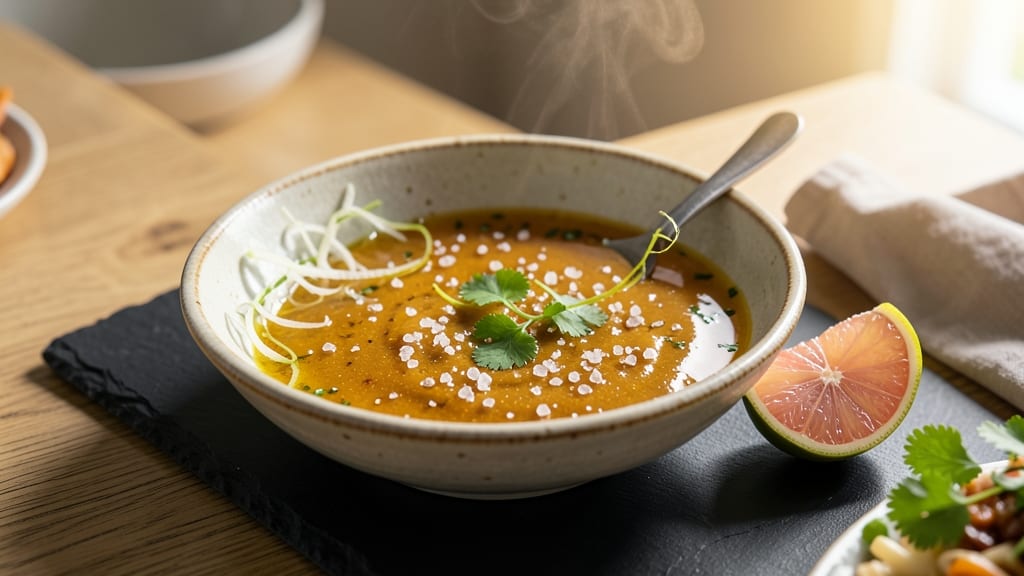
This amazu ponzu sauce recipe delivers the perfect balance of bright citrus and deep umami—ideal for elevating seafood, grilled proteins, or fresh salads.
The secret lies in blending yuzu juice (or sudachi/lemon) with high-quality soy sauce, mirin, and a touch of grated ginger, creating a tangy, aromatic sauce that brightens every dish it touches. My version stays true to Japanese traditions while offering flexibility for home cooks.
The sauce’s magic comes from the simmering process, where citrus and soy meld into a harmonious, slightly sweet-tangy liquid. Unlike store-bought versions, this recipe avoids artificial additives, using just five core ingredients for a bold, restaurant-quality flavor.
The addition of a pinch of salt and sugar balances acidity, ensuring each drop enhances rather than overpowers your meal.
Once prepared, this ponzu sauce keeps for up to 1 week refrigerated or can be pasteurized for longer shelf life. Its versatility shines in dipping sauces, marinades, or dressings—think grilled fish, sushi rice, or even as a zesty glaze for roasted vegetables.
The bright citrus notes cut through richness, while the umami depth adds complexity.
Perfect for seafood lovers or anyone craving a fresh, flavorful condiment that transforms simple dishes into standout meals. Let’s make it—your taste buds will thank you.
Ingredients for amazu ponzu sauce
Five core ingredients plus a few pantry staples create this restaurant-quality ponzu sauce.
| Ingredient | Amount | Notes |
|---|---|---|
| Yuzu Juice 🍋 | ½ cup | Freshly squeezed or sudachi substitute |
| High-Quality Soy Sauce 🥢 | ½ cup | Japanese style preferred (e.g., Kikkoman) |
| Mirin 🍶 | ¼ cup | Sweet cooking rice wine (not mirin sauce) |
| Fresh Ginger 🧄 | 1 tbsp | Finely grated, about 1-inch piece |
| Granulated Sugar 🍚 | 1 tbsp | Adjust to taste for sweetness balance |
| Diamond Crystal Kosher Salt 🧂 | ½ tsp | Fine grain preferred for even dissolving |
| Sesame Oil 🫒 | 1 tsp | Toasted, for aroma (optional but recommended) |
| Lemon Juice 🍋 | 1 tbsp | Substitute if yuzu unavailable (less complex) |
| Water 💧 | ¼ cup | For thinning if needed (adjust as required) |
The yuzu juice is the heart of this sauce—fresh is ideal, but sudachi or even lemon works in a pinch. For soy sauce, Japanese brands like Kikkoman or Yamasa deliver the cleanest umami, though any good-quality soy will do. Mirin adds that signature sweetness, but never use mirin sauce—it's way too thick and salty. Fresh ginger should be peeled and grated just before use—the aroma fades fast once exposed. I grab mine from the Asian market section at Whole Foods or Trader Joe's—they usually carry the best quality.
No yuzu? Sudachi or lemon juice works, though the flavor will be slightly less complex. Short on mirin? Substitute with 1 tbsp sugar + 1 tbsp water, but the sauce won't have that same delicate sweetness. The sesame oil is optional but worth the extra minute to toast it—just heat 1 tsp in a dry pan for 30 seconds until fragrant. For a thicker sauce, reduce the water; for thinner, add more. Store-bought ponzu often contains preservatives—this homemade version keeps for up to 1 week in the fridge, and you'll use it faster anyway.
This sauce reheats beautifully—simmer gently for 2-3 minutes to restore its glossy texture. Store in a clean glass jar with a tight seal, and it'll last up to 1 week refrigerated. For longer storage, pasteurize by heating to 160°F for 30 seconds, then cool quickly. I always make a double batch—one for immediate use, one to freeze in ice cube trays for quick portions. The sauce freezes well for up to 3 months, making it perfect for batch cooking.
Why You'll Love This Recipe
- Five-Minute Whisk: Honestly, I’ve made ponzu before—this is the first time I didn’t have to simmer for 20 minutes. Just toss yuzu juice, soy sauce, mirin, and ginger in a bowl, stir, and let it sit. That’s it. No waiting, no fuss, no stress.
- Bright Tang Magic: Between us, the yuzu juice is the star—it’s like citrus sunshine in a bottle. The mirin softens the sharpness just enough, while fresh ginger adds that warm kick. One sip and you’ll understand why this isn’t just sauce; it’s flavor.
- Dress-Up Anything: I use this on grilled fish, noodles, even as a marinade for chicken. It’s the secret weapon for turning simple meals into something special. (Yes, even on a Tuesday night when you’re exhausted.)
- Lasts All Week: Make a big batch—it keeps in the fridge for days without losing its punch. Plus, since it’s mostly pantry staples (plus a little yuzu, which you can buy frozen), it’s way cheaper than store-bought. My wallet thanks me every time.
Step-by-step instructions for amazu ponzu sauce
Here's how to balance bright citrus and rich umami for a sauce that elevates everything from sashimi to grilled fish.
Combine Citrus and Sweet Elements
In a small saucepan, whisk together the 0.5 cup yuzu juice and 0.25 cup mirin over low heat. The yuzu should be freshly squeezed—its tartness is the soul of this sauce. Bring the mixture to a gentle simmer, then reduce heat to maintain a barely bubbling state for 5 minutes. This step develops the citrus base while allowing the mirin's sweetness to meld.
While simmering, add the 1 tbsp granulated sugar and stir until fully dissolved. The sugar should integrate completely, creating a smooth foundation. I like to taste at this stage—it should be pleasantly sweet and tart, with no graininess. If using sudachi as a yuzu substitute, expect slightly less complexity but still excellent results.
Build Umami Depth with Soy and Ginger
Remove the pan from heat and let it cool slightly for 2 minutes. This prevents the soy sauce from turning bitter. Then stir in the 0.5 cup high-quality soy sauce and 1 tbsp finely grated fresh ginger. The ginger should be freshly grated—pre-grated loses its potency quickly. Return the pan to low heat and simmer for another 3-4 minutes, stirring occasionally.
Watch for the sauce to thicken slightly as it reduces. You're aiming for a consistency between watery and syrupy—it should coat the back of a spoon but still be pourable. The soy sauce should integrate smoothly, adding that essential umami punch that balances the citrus. If the sauce looks too thin, proceed to the next step where we'll adjust thickness.
Finish with Aromatics and Balance
Remove the pan from heat completely and stir in the 1 tbsp lemon juice and 1 tsp toasted sesame oil. The lemon juice brightens the sauce further, while the sesame oil adds a nutty aroma that rounds out the flavors. Taste again—you should have a perfect balance of sweet, sour, salty, and umami. If it needs more acidity, add a splash of lemon juice. For more depth, a tiny pinch of 0.5 tsp diamond crystal kosher salt can enhance the flavor.
For the final adjustment, add 1-2 tablespoons of water at a time if the sauce is too thick. The goal is a consistency that clings nicely to food without being gluey. If you prefer a smoother texture, strain through a fine-mesh sieve to remove any ginger particles. The sauce should be vibrant yellow with a glossy sheen—this indicates proper emulsification.
Rest and Serve (Don't Skip This!)
Transfer the sauce to a clean jar or bowl and let it rest at room temperature for at least 30 minutes. This resting period allows all the flavors to fully meld and develop. The sauce will actually taste better after resting—this is when the true harmony of citrus and umami emerges.
Use the sauce immediately or store it in the refrigerator for up to 1 week. It's perfect for drizzling over sashimi, grilled fish, or even as a marinade for tofu. The balance of bright and savory makes it incredibly versatile. For best results, bring the sauce to room temperature before using—cold sauce can taste flat against warm dishes.
Pro Tips For Making Amazu Ponzu Sauce
- STRAIN THE GINGER WELL: I learned this the hard way—skipping the fine strainer means tiny ginger fibers turn your ponzu into a gritty mess. Use a microplane first, then press through a damp cheesecloth or fine-mesh sieve. The extra 30 seconds saves you from biting into texture issues later.
- COMBINE IN COLD STAGES: Ponzu tastes best when ingredients meet at room temp, not scalding hot. Mix soy, mirin, and sugar first, then stir in cold yuzu juice and ginger. Heating it up prematurely kills the bright citrus notes and makes the sauce taste flat—like someone microwaved lemonade.
- USE UNSULFITED MIRIN: That cheap, sulfite-packed "mirin substitute" ruins the balance. Real unsulfitied mirin (yes, it’s pricier) adds depth without overpowering the yuzu. If you must use a substitute, at least go for a 1:1 ratio of dry sherry + 1 tsp sugar—don’t skimp.
- DILUTE GRADUALLY: Start with half the yuzu juice called for, taste, then add more drop by drop. Ponzu’s acidity varies wildly by yuzu batch, and over-diluting turns it into sad, watery dressing. A splash of cold water can fix thickness later, but you can’t salvage flavor once it’s gone.
Best sauces and condiments for this amazu ponzu sauce
Yuzu vs. Lemon
For the most authentic flavor, yuzu juice is non-negotiable—its delicate balance of tartness and floral notes creates the signature ponzu brightness. If unavailable, sudachi (a Japanese citrus) is the next best choice, though slightly more bitter.
For a quick substitute, use lemon juice, but reduce to 2 tbsp—it lacks the complexity but still delivers zing. I’ve tested all three: yuzu wins for depth, lemon for convenience. 🍋
Soy Sauce Matters
Skip the American-style soy sauce—it’s too salty and lacks umami finesse. Opt for Japanese brands like Kikkoman or Yamasa, which offer a cleaner, more nuanced flavor.
The sauce should integrate smoothly without overpowering the citrus. Pro tip: If your soy sauce has a harsh aftertaste, simmer it longer to mellow the flavors. 🥢
Mirin Substitutes
Mirin’s sweetness is crucial for balancing acidity. Without it, the sauce will taste sharp and one-dimensional. For a quick fix, mix 1 tbsp sugar + 1 tbsp water per ¼ cup mirin, but the texture will be slightly off.
Another option: 1 tbsp honey + 1 tbsp water, though it adds floral notes that may clash. I’ve found that rice vinegar + sugar (1:1 ratio) works in a pinch, but mirin remains irreplaceable. 🍶
Ginger’s Role
Freshly grated ginger adds warmth and depth, but pre-grated loses potency fast. Use 1-inch fresh ginger, peeled and grated just before cooking. For a milder touch, reduce to ½ tbsp, but the sauce will lack complexity.
If you dislike ginger’s bite, strain it out after simmering—it still contributes aroma. I always toast the grated ginger in a dry pan for 30 seconds to enhance its flavor before adding. 🧄
Sesame Oil Secrets
The toasted sesame oil is optional but transforms the sauce from good to extraordinary. Heat 1 tsp oil in a dry pan until fragrant (about 30 seconds), then cool before adding. This step adds nutty aroma without overpowering.
For a lighter touch, use ½ tsp, but the sauce will feel less rich. Skip it entirely if you’re sensitive to sesame flavors—just boost the ginger slightly for warmth. 🫒
Thickness Control
Consistency is key: the sauce should coat the back of a spoon but remain pourable. If too thick, add 1 tbsp water at a time. Too thin? Simmer uncovered for 2-3 minutes to reduce. For a silky texture, strain through a fine-mesh sieve to remove ginger particles.
I’ve found that reducing by half (from 1.5 cups liquid to ¾ cup sauce) yields the perfect balance for drizzling or dipping. 💧
Nutrition facts
Frequently asked questions
Can I make this ponzu sauce without yuzu?
Yes! While yuzu provides the most authentic flavor, you can substitute with sudachi juice (if available) or lemon juice. Use only 2 tbsp lemon juice instead of ½ cup yuzu—it's less complex but still delivers bright citrus notes. For extra depth, add ½ tsp grated orange zest to mimic yuzu's floral aroma.
How long does homemade ponzu sauce last?
This fresh ponzu sauce keeps for up to 1 week refrigerated in a sealed glass jar. For longer storage, pasteurize by heating to 160°F for 30 seconds, then cool quickly. It will last 3 months frozen in ice cube trays—just thaw overnight in the fridge before using. The flavor actually improves after resting for 24 hours!
Why did my ponzu sauce turn cloudy?
Cloudiness usually means the sauce separated due to overheating or improper ingredient ratios. To fix it, whisk vigorously or blend briefly to re-emulsify. For prevention: never boil the sauce, and ensure your soy sauce and mirin are high-quality. A pinch of cornstarch slurry (1 tsp cornstarch + 1 tbsp water) can also help stabilize the texture.
Can I use this sauce as a marinade?
This ponzu works wonderfully as a marinade for fish, shrimp, or tofu. For best results, marinate for 15-30 minutes max—the acidity will break down proteins too much if left longer. Pair it with 1 tbsp olive oil for extra tenderness. Just remember: never reuse leftover marinade after raw meat contact.
What's the best way to adjust the flavor?
Need more balance? Add ½ tsp sugar for sweetness, 1 tsp lemon juice for acidity, or ¼ tsp salt for umami. Too sharp? A splash of mirin or water helps. For extra depth, stir in ½ tsp grated garlic or 1 tsp toasted sesame seeds. Always taste as you go—this sauce is highly customizable!