
Sauces & Condiments
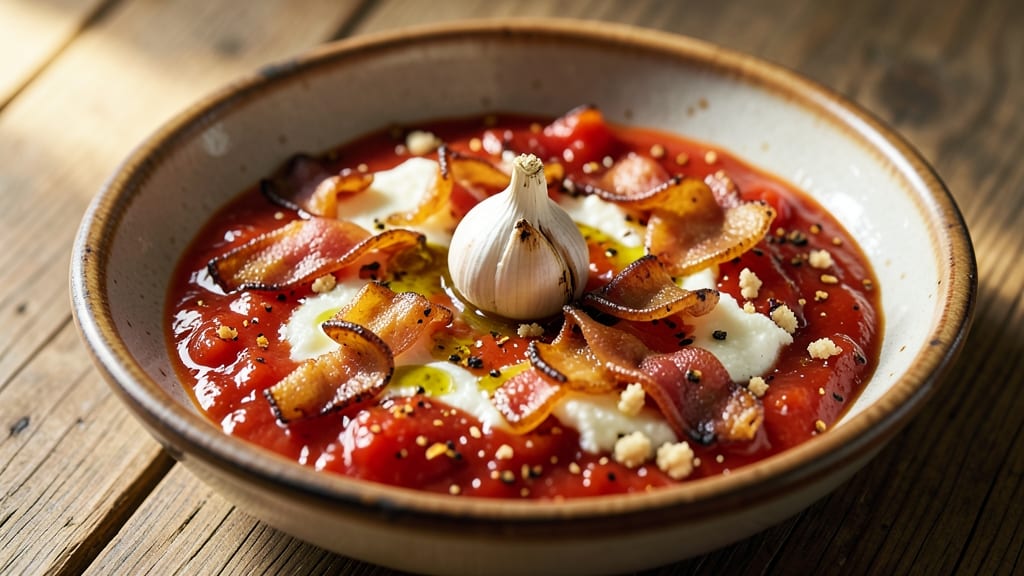
Jamie Oliver’s amatriciana sauce transforms simple ingredients into a rich, velvety sauce that’s bold yet balanced—no heavy cream, just tomato, pancetta, and peperoncino working their magic.
The secret lies in slow simmering to deepen flavors while keeping the sauce light and silky, with just enough acidity to brighten the richness. This isn’t your grandmother’s version; it’s a modern take that stays true to Rome’s roots but cuts the guilt with a fraction of the fat.
What sets this apart is Jamie’s two-stage cooking method: first rendering pancetta until crisp, then letting it infuse into the sauce while it reduces. The result? A sauce with layers of umami—smoky from the pancetta, bright from the tomatoes, and a whisper of heat from the chili.
Pecorino cheese adds a sharp, salty finish that ties everything together without overpowering. It’s the kind of sauce that makes simple pasta feel like a restaurant dish.
By the time you’re done, you’ll have a glossy, clingy sauce that coats every strand of spaghetti, leaving just enough of that crispy pancetta to add texture.
The acidity from the tomatoes cuts through the richness, balancing the saltiness of the cheese and the fat from the pancetta—no heavy cream, no after-dinner nap. This is sauce that sings, not one that weighs you down.
The best part? It’s foolproof—no fancy techniques, just patience and attention. Let the flavors develop slowly, and you’ll end up with a sauce that’s restaurant-quality at home, ready to elevate any plate. Here’s how to make it.
Ingredients for amatriciana sauce recipe jamie oliver
Nine essential ingredients for Jamie’s restaurant-quality amatriciana—light, bright, and packed with umami.
| Ingredient | Amount | Notes |
|---|---|---|
| Pancetta 🥓 | 6 oz | Diced into small cubes |
| Extra-Virgin Olive Oil 🫒 | ½ cup | High-quality, fruity variety |
| San Marzano Tomato Cans 🍅 | 2 cans | Crushed by hand, seeds removed |
| Garlic Cloves 🧄 | 4 cloves | Minced into a fine paste |
| Peperoncino Chili Flakes 🌶️ | 1 tsp | Adjust to taste for heat |
| Pecorino Romano Cheese 🧀 | ½ cup | Freshly grated, fine texture |
| Dry White Wine 🍷 | ¼ cup | Bold, dry variety like Pinot Grigio |
| Diamond Crystal Kosher Salt 🧂 | 1 tsp | Adjust to taste |
| Freshly Ground Black Pepper 🌶️ | ½ tsp | Cracked over sauce at the end |
Pancetta is the star here—look for thick-cut, cured slices at Whole Foods or your local butcher. The crispy bits add texture, so don’t skip rendering them properly. If you can’t find pancetta, guanciale works too, but it’s pricier. San Marzano tomatoes are a must—they’re sweeter and less acidic than regular canned tomatoes. Trader Joe’s sells them for a reasonable price, and they keep well in the pantry. The garlic should be fresh, with no green shoots—roasted garlic adds a mellow sweetness if you prefer less punch.
No white wine? Substitute with chicken stock—it’ll be less complex but still work. Fresh peperoncino flakes are ideal, but crushed red pepper flakes at half the amount will do in a pinch. The Pecorino needs to be freshly grated—pre-shredded loses its intensity. For a sharper finish, swap in Parmigiano-Reggiano. The olive oil matters too—avoid light or refined oils; they lack flavor. If you’re watching fat, use half the pancetta and make up the umami with an extra splash of wine.
Pancetta keeps 3 months in the fridge, but it’s best used within 2 weeks for peak crispiness. Grate your Pecorino just before using—it loses flavor fast. Store the sauce in a glass jar with a thin layer of olive oil on top to preserve freshness. It reheats beautifully—just add a splash of water to loosen it up. Freeze portions for up to 3 months; thaw overnight in the fridge. The wine and tomatoes can be prepped ahead, but render the pancetta fresh for the best texture.
Why You'll Love This Recipe
- Pancetta Perfection in Minutes: I swear by this sauce—just chop the pancetta into tiny cubes (no fancy knife skills needed) and let it crisp in the olive oil. That golden crunch? It’s the star, and it happens while you’re chopping garlic.
- Tomato Love, No Mess: San Marzano tomatoes transform this into something special—sweet, rich, and just tangy enough. No blender, no straining, just crushed by hand (or a fork) straight from the can.
- Weeknight to Weekend Hero: Between us, this sauce works on pasta, eggs, or even toasted bread. Make a big batch on Sunday, and you’ve got dinner covered all week—no sad leftovers here, just happy seconds.
- Budget-Friendly Gourmet: Pancetta and olive oil might sound fancy, but they stretch far. A single can of tomatoes and a handful of garlic turn this into a $10 dinner that tastes like you spent hours. (Spoiler: You didn’t.)
Step-by-step instructions for amatriciana sauce
This is how Jamie Oliver would make it—rich, smoky, and perfectly balanced with just the right kick.
Render the Pancetta Until Crispy
Place the 6 oz pancetta in a large, heavy-bottomed saucepan over medium-low heat. Let it cook undisturbed for 8-10 minutes, stirring only once or twice, until the fat renders out and the pancetta becomes golden brown and crispy. The key here is patience—rushing will make it greasy instead of flavorful.
Once the pancetta is crispy, use a slotted spoon to remove it from the pan, leaving the rendered fat behind. Set the pancetta aside on a paper towel to drain excess fat. You should have about 2 tablespoons of golden fat left in the pan—this is the foundation of your sauce. If the fat smells smoky, that’s perfect; if it smells burnt, start over with fresh pancetta.
Sauté Garlic Until Fragrant
Add the 4 cloves minced garlic to the pancetta fat and cook over medium heat for 30-45 seconds until the garlic is lightly golden and fragrant, not browned. Stir constantly to prevent burning—garlic burns in seconds, and burnt garlic tastes bitter. If the garlic starts to darken too quickly, reduce the heat slightly.
Here’s the thing—you want the garlic to infuse the fat with its aroma without adding bitterness. Once it’s fragrant, immediately add the 1 teaspoon peperoncino chili flakes and stir for 10 seconds to toast them lightly. This step deepens the sauce’s complexity with a subtle, smoky heat.
Deglaze with Wine and Simmer
Pour in the 0.25 cup dry white wine and scrape up any browned bits from the bottom of the pan with a wooden spoon. This deglazing step captures all the flavor locked in the pancetta fat. Let the wine simmer for 2-3 minutes until it reduces by half and the alcohol cooks off—you’ll smell it evaporating.
Next, add the 2 cans crushed San Marzano tomatoes (with seeds removed) and the 1 teaspoon Diamond Crystal kosher salt. Stir well to combine, then reduce the heat to low and let the sauce simmer uncovered for 15 minutes. This slow cook allows the flavors to meld and the sauce to thicken naturally. Stir occasionally to prevent sticking, but don’t over-stir or you’ll break the emulsification.
Finish with Cheese and Pepper
After 15 minutes, taste the sauce and adjust the seasoning if needed—you might need a pinch more salt or a splash of water to loosen it if it’s too thick. Now, sprinkle the 0.5 cup finely grated Pecorino Romano cheese over the sauce and stir for 1-2 minutes until it melts completely into a silky consistency. The cheese should dissolve smoothly; if it clumps, whisk vigorously to emulsify.
Finally, remove the sauce from heat and stir in the 0.5 teaspoon freshly ground black pepper. The pepper should be cracked fresh over the sauce at the end—this adds a bright, aromatic finish. Taste again and adjust seasoning one last time. The sauce should be rich, slightly tangy, and balanced with heat—not overpowering, but with a noticeable kick from the peperoncino.
Incorporate the Pancetta and Rest
Return the crispy pancetta to the sauce and toss gently to coat. Let the sauce rest for 5-10 minutes off the heat—this allows the flavors to fully integrate and the sauce to thicken slightly. The pancetta will soften slightly but retain its crispy texture, adding layers of flavor with every bite.
Serve the Amatriciana sauce immediately over al dente spaghetti, tossing it well to coat each strand. The sauce should cling beautifully to the pasta, with pockets of crispy pancetta and melted cheese in every forkful. If the sauce thickens too much while serving, loosen it with a splash of pasta water—just enough to reach a smooth, velvety consistency.
Pro Tips For Making Amatriciana Sauce Recipe Jamie Oliver
- CRISP THE PANCETTA LOW: Start your pancetta in a cold pan—yes, even if you’re eager to get cooking. Heat it on medium-low until the fat renders and the edges turn golden, not brown. I used to rush this and ended up with greasy, undercooked bits that turned the sauce into a sad, oily mess.
- DICE GARLIC SMALL: Jamie’s recipe calls for minced garlic, but I’ve found thinly sliced cloves (about 1/8-inch) caramelize better without burning. Toss them in with the pancetta when the fat is hot but not smoking—this way, they infuse flavor without turning bitter.
- SIMMER TOMATOES LONG: Don’t skip the 20-minute simmer on low heat. The sauce needs time to thicken and meld, not just reduce. I learned this after a rushed batch tasted flat—patience here makes the difference between good and wow.
- SALT THE TOMATOES: Add a pinch of salt to the crushed San Marzano tomatoes before cooking. It draws out moisture, concentrates the flavor, and prevents a watery sauce. Sounds weird, but it works—your future self will notice.
Pro cooking tips for this dish
Pancetta Perfection
Jamie’s secret starts with crispy pancetta—this isn’t just about rendering fat, it’s about building flavor. Use thick-cut pancetta (or guanciale) and cook it slowly over medium-low heat for 8-10 minutes until golden and crisp.
The key? Don’t stir too often—let the fat pool at the bottom to create a smoky, aromatic base. If your pancetta turns greasy instead of crispy, you’re cooking too fast.
Once done, drain on paper towels to remove excess fat, but leave 2 tablespoons in the pan—this is your sauce’s soul. 🥓
Garlic Timing
The garlic needs 30-45 seconds max over medium heat—any longer and it burns, turning bitter. Add it to the pancetta fat when it’s smoking slightly, then stir constantly.
For extra depth, toast 1 teaspoon peperoncino chili flakes with the garlic for 10 seconds—this adds a smoky, fruity heat without overpowering. If your garlic darkens too quickly, reduce heat immediately and add a splash of wine to deglaze. The goal? Fragrant, not fried.
Wine Deglaze
This step is non-negotiable—the wine dissolves the browned bits (fond) stuck to your pan, adding layers of umami. Use dry white wine (like Pinot Grigio) and let it reduce by half before adding tomatoes.
If you’re short on wine, chicken stock works in a pinch, but the sauce will taste less complex. The alcohol burns off during reduction, leaving behind bright acidity that balances the richness. Skim off any foam that forms—it’s just protein, not flavor. ✨
Tomato Technique
San Marzano tomatoes are a must—their sweetness and low acidity make all the difference. Crush them by hand (not blend) to keep texture, and remove seeds for a smoother sauce. Simmer uncovered on low heat for 15 minutes—this lets the sauce thicken naturally without breaking.
Stir gently every few minutes to prevent sticking, but don’t over-stir or you’ll emulsify too early, losing that silky, clingy texture Jamie loves.
Cheese Emulsification
Pecorino Romano is non-negotiable—it’s sharper and saltier than Parmigiano, giving the sauce its signature tang. Grated fresh (not pre-shredded) is crucial—it dissolves into a velvety emulsion when stirred over low heat for 1-2 minutes.
If it clumps, whisk vigorously or add a splash of pasta water to break it down. The cheese should melt smoothly, not sit in chunks. Taste before serving—you might need another pinch of salt or a splash of water to adjust consistency. 🧀
Resting Matters
Let the sauce rest for 5-10 minutes off the heat before serving—this lets flavors marry and the sauce thicken slightly. The pancetta will soften just enough to coat the pasta without losing its crispy edges.
If the sauce seems too thick when tossing with pasta, loosen with pasta water (not milk or cream—this sauce is light and bright). Serve immediately over al dente spaghetti for the best texture contrast. Patience here makes all the difference. ⏳
Nutrition facts
Frequently asked questions
Can I substitute pancetta with bacon?
You can use bacon, but it won’t be the same! Pancetta has a more delicate, sweet flavor and renders cleaner fat. If substituting, use thick-cut smoked bacon (not lean) and reduce the amount by 1 oz to avoid excess saltiness. Cook it until crispy, then drain well—this step is critical for texture and flavor balance.
Why does my amatriciana sauce turn out too acidic?
This usually happens when using regular canned tomatoes instead of San Marzano, which are sweeter and less acidic. To fix it, add 1 teaspoon sugar or 1 extra tablespoon of Pecorino cheese (the saltiness balances acidity). If the sauce is still too sharp, simmer it uncovered for 5 more minutes to let excess liquid evaporate.
How long can I store this sauce?
The sauce keeps well in an airtight glass jar in the fridge for 3-4 days, or up to 3 months in the freezer. For freezing, portion into ice cube trays, then transfer to a freezer bag. Thaw overnight in the fridge—never at room temperature. Reheat gently on low heat, adding a splash of water if it thickens too much.
Can I make this sauce without wine?
Replace the wine with 0.25 cup chicken or vegetable stock—it’ll add depth without alcohol. For extra richness, add 1 teaspoon balsamic vinegar along with the tomatoes. The key is to deglaze the pan thoroughly to capture all the pancetta flavors. If using stock, reduce it by half before adding tomatoes for best results.
What’s the best pasta to serve with this sauce?
Spaghetti is classic, but tonnarelli or bucatini work beautifully too. The sauce should cling to the pasta without needing extra liquid. For a lighter option, try linguine. Always cook pasta al dente (1 minute less than package instructions) so it holds up to the sauce’s weight.