
Sauces & Condiments
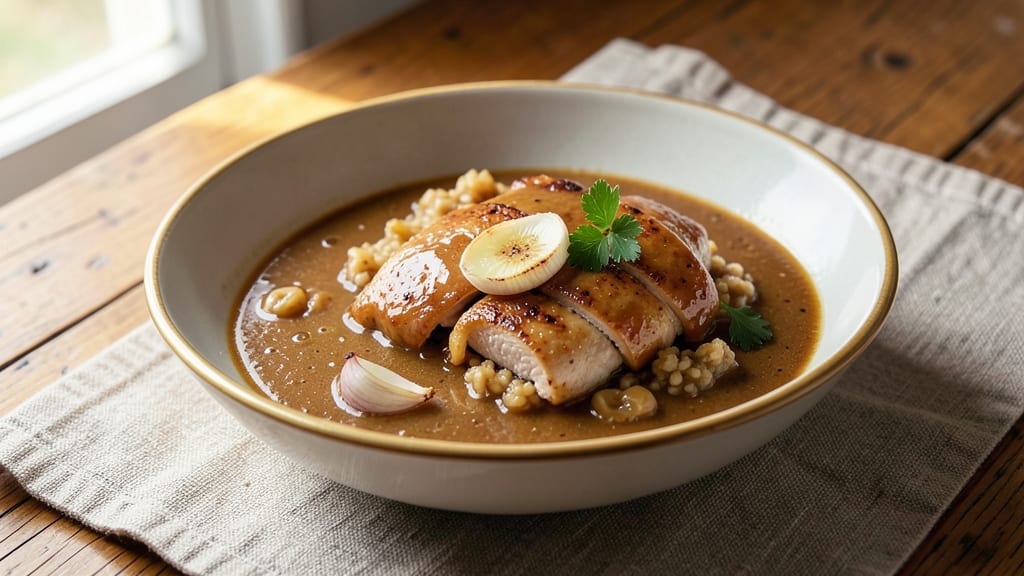
This all-purpose sauce recipe transforms simple pantry staples into a versatile flavor base that elevates everything from weeknight dinners to holiday feasts. The secret lies in a classic roux foundation—equal parts butter and flour—cooked to a golden brown before whisking in liquid for a silky, foolproof texture.
I’ve perfected this over years of restaurant-style cooking, and it’s the one sauce I always have on hand for emergencies, last-minute meals, or when I need to rescue a forgotten pan.
The beauty of this sauce is its adaptability—it works as a pan sauce for steak, a gravy for mashed potatoes, or even a base for creamy pasta dishes. Start with a simple broth or milk (depending on your needs), then build flavor with herbs, garlic, or spices.
The key is patience: letting the roux cook until nutty and aromatic ensures a rich, deep flavor that stands up to any protein or vegetable. No fancy ingredients required, just technique.
What you’ll end up with is a smooth, velvety sauce that clings perfectly to meats, vegetables, or grains, adding depth without overpowering. It keeps well in the fridge for up to a week, making it ideal for meal prep, and freezes beautifully for future use.
Whether you’re searing chicken, deglazing a pan, or making gravy from scratch, this sauce is your secret weapon.
Ready in just 15 minutes, it’s the kind of recipe that proves restaurant-quality cooking doesn’t require complicated ingredients—just the right method. Let’s get started.
Ingredients for all purpose sauce
Simple pantry staples transform into the ultimate kitchen workhorse sauce.
| Ingredient | Amount | Notes |
|---|---|---|
| Unsalted Butter 🧈 | ½ cup | Cold, cut into small cubes |
| All-Purpose Flour 🌾 | ½ cup | Sifted for smooth texture |
| Vegetable Broth 💧 | 2 cups | Low-sodium preferred |
| Whole Milk 🥛 | 1 cup | For creamier sauce |
| Garlic Cloves 🧄 | 3 cloves | Minced for aromatic base |
| Shallot 🧅 | 1 whole | Finely diced, or sub onion |
| Fresh Thyme Leaves 🌿 | ½ tsp | Or 1/4 tsp dried thyme |
| Salt 🧂 | ½ tsp | Diamond Crystal preferred |
| Black Pepper 🌶️ | ¼ tsp | Freshly ground for heat |
| White Wine 🍷 | ¼ cup | Dry variety, optional |
The butter and flour form the sauce's backbone, so don't rush the roux. Cook it low and slow until nutty and golden—this takes patience, but it's what gives the sauce that restaurant-quality depth. For the butter, Land O'Lakes or Plugrá work perfectly, but any good-quality unsalted butter will do. The flour? King Arthur or Gold Medal are my go-tos—they're reliable and blend smoothly. If you're using pre-sifted flour, give it a quick whisk to break up any lumps before adding. The shallot adds sweetness that balances the richness—if you can't find shallots, yellow onion works just fine, but you'll need about twice the amount.
No white wine? Substitute extra broth—just reduce the total liquid by 1/4 cup. Fresh thyme is ideal, but dried works in a pinch (use one-third the amount). The garlic can be roasted for a sweeter flavor—wrap the whole cloves in foil with a drizzle of olive oil, roast at 400°F for 10 minutes. For a dairy-free version, swap milk for unsweetened almond milk, though the sauce will be slightly lighter. The broth is where you can get creative—chicken, vegetable, or even seafood all work beautifully, depending on what you're pairing with the sauce. If you're using powdered broth, dissolve it completely before adding to the roux.
This sauce keeps like a dream—1 week in the fridge and 3 months in the freezer. For easy storage, portion into ice cube trays and freeze; pop out what you need later. Reheat gently on the stove, stirring constantly to prevent lumps. The sauce thickens as it cools, so thin with a splash of milk or broth if needed. I always make a double batch—one for immediate use and one to freeze for future emergencies. It's the kind of sauce that makes you look like a pro, even when you're just throwing together a last-minute meal.
Why You'll Love This Recipe
- Pantry Magic: I swear by this sauce—no fancy ingredients, just butter, flour, broth, and milk. That’s it. The kind of recipe where you open your fridge and boom, you’ve got dinner covered.
- Garlic Kiss: One crushed clove while the butter melts? That’s all it takes to turn this into something special. Rich, nutty, with just enough garlic warmth to make every bite feel like a hug.
- Dinner Party Ready: Slap it on roasted chicken, toss it with pasta, or drizzle it over veggies—it works for weeknights and guests alike. Honestly, I’ve even used it as a gravy substitute, and no one’s ever asked for seconds just for the sauce.
- Leftovers That Shine: Make a double batch and thank me later. This sauce thickens beautifully when reheated, so it’s perfect for meal prep. My freezer’s always stocked with it—because nothing says “I care” like a well-stocked pantry.
Step-by-step instructions for all-purpose sauce
Here's how to build a rich, velvety base that works for everything from pasta to proteins.
Create the Roux Foundation
In a medium saucepan over medium heat, melt the 0.5 cup unsalted butter until it foams. Add the 0.5 cup all-purpose flour all at once and whisk vigorously for 1-2 minutes until the mixture turns a deep golden brown and smells nutty—this is your roux, the flavor backbone of the sauce.
Watch for color changes carefully: it should be the color of peanut butter, not white. If it darkens too quickly, reduce the heat slightly. This step is crucial—undercooked roux will make your sauce taste raw and floury. Keep whisking constantly to prevent burning.
Deglaze and Build Flavor
Immediately after the roux is golden, pour in the 0.25 cup white wine (if using) and whisk constantly for 1 minute until the alcohol smell dissipates completely. Add the 1 whole finely diced shallot and 3 cloves minced garlic, cooking for 30 seconds until fragrant but not browned.
Here's where the magic happens: the wine deglazes the pan, capturing all those browned bits that pack serious flavor. If you skip this step, you're missing out on layers of depth. Keep the heat at medium-low to prevent the garlic from burning—it should smell sweet and aromatic, not bitter.
Develop the Sauce Base
Gradually whisk in the 2 cups vegetable broth and 1 cup whole milk, about ½ cup at a time, allowing each addition to fully incorporate before adding more. Bring the mixture to a gentle simmer over medium heat, then reduce heat to low and let it cook uncovered for 8-10 minutes.
Stir occasionally with a wooden spoon, scraping up any browned bits from the bottom of the pan. You're looking for a smooth, thickened consistency that coats the back of a spoon. If it thickens too quickly, whisk in a splash of warm water or milk to reach your desired texture. This is your all-purpose sauce base—simple but incredibly versatile.
Season and Finish
Remove the sauce from heat and stir in the 0.5 tsp fresh thyme leaves, 0.5 tsp salt, and 0.25 tsp black pepper. Taste and adjust seasoning—this is where you can customize. For a brighter sauce, add a squeeze of lemon juice. For richness, stir in a pat of butter.
The sauce should be perfectly seasoned and ready to use immediately or store for later. If it's too thick, thin with additional broth or milk. If it's too thin, simmer uncovered for another 2-3 minutes to reduce. The key is balance: the sauce should coat the back of a spoon but still pour smoothly.
Pro Tips For Making All Purpose Sauce
- WHISK THE FLOUR FIRST: Don’t just dump the flour into the butter—whisk it into a paste with a splash of milk or broth before adding it to the pot. I learned this the hard way when my sauce turned into gluey lumps every time. A smooth paste = no clumps, every single time.
- MINCE THAT GARLIC: Skip the press—finely mince your garlic cloves with the flat of your knife before cooking. Pressed garlic turns to mush and burns faster, while minced garlic adds texture and flavor without taking over. (Yes, even if you’re impatient like me.)
- LOW AND SLOW: Once the roux is golden, drop the heat to medium-low and let it simmer gently. I used to rush this step, and the sauce would either break or taste raw. Patience here makes the sauce creamy, not grainy.
- SALT THE BROTH: Season your vegetable broth before adding it to the sauce—don’t wait until the end. Unsalted butter and plain flour need that initial boost to balance the flavors. (Your future self will thank you.)
Make-ahead tips for this dish
Freezer Prep Tips
Portion your sauce into 1-cup freezer-safe containers or ice cube trays before freezing—this makes it easy to grab just what you need later. I use Glasslock containers because they’re microwave-safe and don’t absorb odors.
Label each container with the date and sauce type (e.g., "Pan Sauce" or "Gravy Base") so you can track freshness. 🧊
Fridge Storage Hacks
Store your sauce in the fridge for up to 1 week, but transfer it to an airtight container first to prevent absorption of fridge odors. I like to press plastic wrap directly onto the sauce’s surface before sealing the lid—this creates a barrier that keeps it fresh longer.
If the sauce thickens overnight, just whisk in a splash of warm milk or broth to restore consistency.
Thawing Safely
For quick use, transfer frozen sauce to the fridge and let it thaw overnight. If you’re in a hurry, place the sealed container in a bowl of warm water for 10-15 minutes, stirring occasionally.
Never microwave frozen sauce directly—it can create hot spots and ruin the texture. Always reheat on the stove over low heat, stirring constantly until smooth. 🔥
Double-Batch Strategy
Make a double batch of this sauce whenever possible—I always do. One portion goes straight to the fridge for immediate use, while the other gets frozen for future meals. This way, you’re never scrambling to make sauce from scratch when you need it most.
The extra effort pays off when you’re searing steaks or making gravy at a moment’s notice. It’s the ultimate kitchen insurance policy.
Reheating Perfection
Reheat sauce on the stove over medium-low heat, stirring frequently to prevent lumps. If it’s too thick after reheating, thin with a splash of warm milk or broth. For extra richness, stir in a pat of butter at the end.
I avoid microwaving because it can make the sauce grainy—stovetop reheating keeps it silky smooth every time. ✨
Nutrition facts
Frequently asked questions
Can I make this sauce without wine?
Skip the white wine and simply add 1/4 cup extra broth instead. The sauce will still develop rich, deep flavors from the roux and aromatics. For extra brightness, add a splash of lemon juice or a pinch of sugar to balance the richness.
How can I adjust the thickness for different uses?
For a thinner sauce (like for pasta or soups), whisk in 1-2 tablespoons of warm milk or broth while reheating. For a thicker consistency (ideal for gravy or meat glazes), simmer uncovered for 2-3 extra minutes to reduce. Always taste as you go!
What are the best proteins to pair with this sauce?
This versatile sauce works beautifully with seared steaks, roasted chicken, pan-fried fish, or even grilled vegetables. For extra flavor, deglaze the pan with the sauce after cooking protein—those browned bits add incredible depth. It's also perfect for drizzling over mashed potatoes or pasta.
Why did my sauce turn out grainy?
Graininess usually happens from over-stirring or adding cold liquid too quickly. Always whisk in liquids gradually and keep heat at medium-low while cooking. For a quick fix, blend the sauce briefly with an immersion blender or strain through a fine-mesh sieve. Prevention is key—keep stirring gentle and consistent!
Can I make this sauce dairy-free?
Yes! Replace the butter with olive oil or vegan butter, and swap the milk for unsweetened almond milk or coconut milk. The texture will be slightly lighter but still delicious. For extra richness, add a tablespoon of nutritional yeast at the end for that cheesy flavor.