
Sauces & Condiments
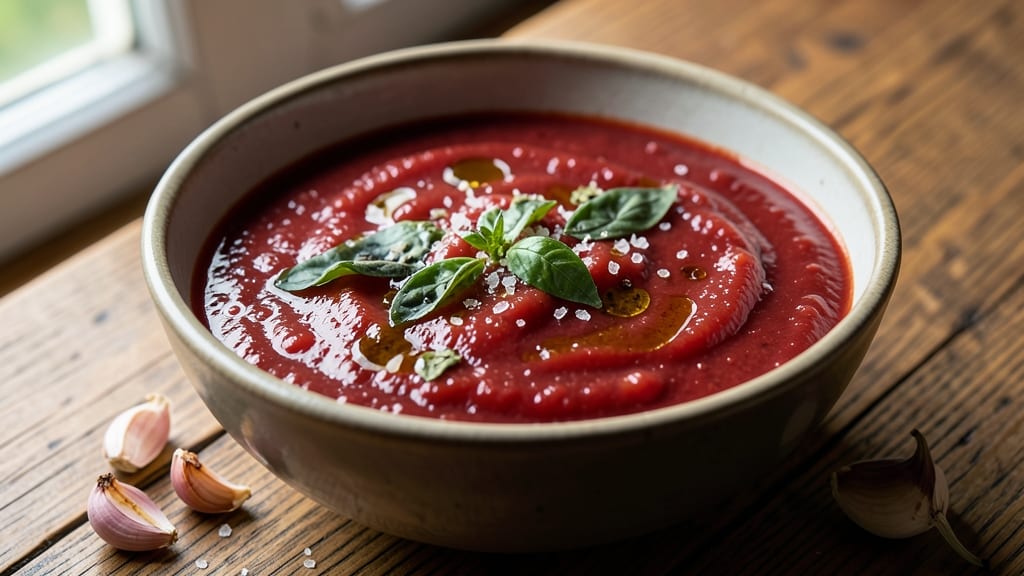
This alkaline tomato sauce recipe transforms ordinary tomatoes into a nutrient-rich, digestion-friendly condiment with just a pinch of baking soda. The process is straightforward yet precise—cooking down tomatoes with a carefully measured alkaline agent creates a velvety sauce that retains vibrant flavor while supporting balanced pH levels.
I developed this recipe after years of experimenting with traditional tomato sauces, seeking a version that preserved nutrients without compromising taste.
The key lies in the controlled alkaline reaction, where baking soda gently neutralizes acidity without overpowering the natural sweetness of the tomatoes. This method yields a sauce that's smoother, more digestible, and packed with concentrated lycopene—ideal for health-conscious cooks who still crave rich, flavorful sauces.
The process involves simmering, straining, and balancing pH, but the result is worth every step.
What sets this sauce apart is its versatility and shelf stability—perfect for pasta, dips, or marinades while maintaining its alkaline properties. The recipe delivers a smooth, slightly sweet profile with none of the acidity found in conventional tomato sauces.
Whether you're meal prepping or cooking for a crowd, this sauce keeps beautifully in the fridge for up to a week.
For best results, use ripe but firm tomatoes and adjust the baking soda incrementally to avoid bitterness. The sauce thickens as it cools, creating an ideal consistency for drizzling or simmering. Store in airtight containers to preserve freshness and nutritional benefits. Ready to elevate your dishes with a healthier twist?
Ingredients for alkaline tomato sauce
Nine essential ingredients transform ordinary tomatoes into a nutrient-rich, digestion-friendly alkaline sauce.
| Ingredient | Amount | Notes |
|---|---|---|
| Ripe Roma Tomatoes 🍅 | 2 lb | Crushed by hand or food mill |
| Extra-Virgin Olive Oil 🫒 | ½ cup | High-quality, fruity variety preferred |
| Baking Soda 🧂 | ¼ tsp | Pure, non-iodized grade |
| Fresh Garlic Cloves 🧄 | 4 cloves | Minced for depth of flavor |
| Organic Cane Sugar 🍯 | 1 tbsp | Balances acidity naturally |
| Dried Basil 🌿 | 1 tsp | Or 1 tbsp fresh basil leaves |
| Sea Salt 🧂 | ½ tsp | Diamond Crystal preferred |
| Red Wine Vinegar 🍷 | 1 tbsp | For brightness and pH balance |
| Freshly Ground Black Pepper 🌶️ | ¼ tsp | Enhances herbal notes |
| Fresh Parsley Leaves 🌿 | ¼ cup | Chopped for fresh finish |
The tomatoes form the foundation, so prioritize ripe but firm Roma tomatoes—their lower water content yields a thicker, more concentrated sauce. Local farmers markets often carry the freshest varieties, or opt for organic Roma tomatoes from the produce section at Whole Foods or Trader Joe's for consistent quality. Avoid overripe tomatoes, as their high acidity can overwhelm the alkaline process. For large batches, San Marzano tomatoes (canned) provide a balanced sweetness and acidity, though fresh tomatoes deliver superior texture. Fresh garlic and basil should be vibrant, with no signs of wilting or discoloration, as these herbs contribute significantly to the sauce's aromatic profile.
Baking soda is the critical alkaline agent, but it requires precise handling: start with half the amount and taste as you go, adding more incrementally if needed. No baking soda? A pinch of potassium bicarbonate (available at health food stores) offers a gentler alternative. The organic cane sugar and red wine vinegar create a delicate balance, so don't substitute with artificial sweeteners or balsamic vinegar, which can introduce unwanted flavors. Pre-minced garlic works in a pinch, but freshly minced garlic releases more aromatic compounds. For the olive oil, avoid heavily refined varieties—look for cold-pressed extra-virgin with a harvest date within the last year for optimal freshness.
This sauce thickens as it cools, so store it in airtight glass jars to maintain its velvety consistency. In the fridge, it remains stable for up to 1 week, though the flavor deepens over time. For longer storage, freeze in ice cube trays for single-serving portions or in sterilized glass jars, leaving 1-inch headspace to prevent cracking. The sauce's alkaline properties make it particularly stable for meal prep—simply reheat gently on the stove or microwave until warmed through. Portion into small containers for easy use in pasta, dips, or marinades, ensuring minimal waste and maximum convenience.
Why You'll Love This Recipe
- No-Chop Needed: I’ll be real—this sauce starts with just halved Roma tomatoes, no dicing, no peeling. Toss them in a pot with olive oil and baking soda, and the tomatoes break down into silky perfection on their own. Honestly, my lazy Sundays just got a whole lot easier.
- Umami Bomb: That baking soda isn’t just a trick—it deepens the tomatoes into something rich and caramelized, like a slow-simmered sauce without the wait. Add fresh garlic and a touch of cane sugar, and you’ve got a flavor that clings to pasta, pizza, or even toast like it’s been there forever.
- Pantry Staple Upgrade: This sauce keeps for weeks in the fridge, so I make a big batch and freeze it in jars. Need a quick weeknight dinner? Toss it with spaghetti. Hosting? Slather it on bruschetta. It’s the one sauce I always have on hand—no last-minute grocery runs.
- Budget Magic: Ripe Roma tomatoes and baking soda? Cheap as dirt. A few cloves of garlic and a drizzle of olive oil turn those into something restaurant-worthy. Between us, this is how I stretch my grocery budget without sacrificing taste—every spoonful feels like a splurge.
Step-by-step instructions for alkaline tomato sauce
This method balances acidity while preserving rich tomato flavor through precise technique.
Prepare the Tomatoes for Optimal pH Balance
Begin by halving the 2 lb ripe Roma tomatoes and removing the cores. I prefer using a food mill for this step—it creates an ultra-smooth texture while preserving the natural sweetness. If you're crushing by hand, work in batches to avoid pulping the tomatoes too finely, which can make the sauce watery.
Transfer the crushed tomatoes to a large, heavy-bottomed saucepan. The goal here is to create a smooth base before adding any alkaline agents. I like to let the tomatoes sit uncovered at room temperature for 10 minutes—this helps release their natural juices and makes the subsequent steps more effective. The tomatoes should yield about 3-4 cups of crushed pulp.
Infuse Flavors with Aromatics and Acid Balance
Add the 0.5 cup extra-virgin olive oil, 4 minced fresh garlic cloves, 1 tbsp organic cane sugar, 1 tsp dried basil, 0.5 tsp sea salt, and 1 tbsp red wine vinegar to the saucepan. The vinegar serves a dual purpose here—it brightens the tomatoes while preparing them for the alkaline adjustment. Stir well to combine all ingredients thoroughly.
Place the saucepan over medium heat and bring to a gentle simmer. This low-and-slow approach allows the flavors to meld without burning the garlic. Let it cook uncovered for 15-20 minutes, stirring occasionally, until the mixture reduces slightly and the raw tomato taste mellows. You'll notice the aroma becomes more complex and inviting—this is when the natural sweetness begins to emerge.
Adjust pH with Precision Timing
Once the sauce reaches a gentle simmer, reduce the heat to low and carefully sprinkle in the 0.25 tsp baking soda. This is the critical step for achieving the alkaline balance. Stir constantly for 2-3 minutes—the baking soda will react with the acidic components in the tomatoes, creating a subtle effervescence. This reaction neutralizes some of the acidity while preserving the tomato's natural flavor profile.
I recommend using a small whisk or spatula for this step to ensure even distribution. The sauce should thicken slightly and develop a smoother texture. Taste at this stage—you'll notice the acidity has mellowed while retaining the tomato's inherent sweetness. If the flavor seems too alkaline, you can add a pinch more red wine vinegar to rebalance, but typically this amount creates the perfect equilibrium.
Finish with Herbs and Seasoning
Add the 0.25 tsp freshly ground black pepper and 0.25 cup chopped fresh parsley leaves to the sauce. The parsley adds a fresh finish that brightens the overall flavor profile. Stir gently to incorporate, being careful not to overmix which could make the sauce too thin. Let the sauce simmer uncovered for an additional 10 minutes to allow the flavors to fully meld.
The final texture should be velvety with a slight sheen—this indicates proper reduction. If the sauce is too thick, you can add 1-2 tablespoons of water to achieve your desired consistency. For best results, remove from heat and let it rest for 5 minutes before serving. This resting period allows the flavors to settle and the sauce to reach its optimal balance.
Serve and Store for Maximum Freshness
Transfer the alkaline tomato sauce to a clean jar or airtight container. For immediate serving, ladle it over your choice of pasta, grains, or proteins. The balanced pH makes this sauce particularly gentle on digestion while delivering robust tomato flavor. When storing, keep refrigerated for up to 5 days or freeze for up to 3 months—the alkaline adjustment helps preserve the sauce's quality during storage.
I like to serve this sauce with whole wheat pasta or as a base for vegetable stir-fries. The reduced acidity makes it an excellent choice for those with sensitive stomachs or acid reflux, while the rich tomato flavor remains intact. The key to this recipe's success lies in the precise timing of the baking soda addition—too little won't balance the acidity, while too much can make the sauce taste soapy. This method consistently delivers a well-balanced, flavorful sauce that's both nutritious and delicious.
Pro Tips For Making Alkaline Tomato Sauce
- Simmer Slow and Steady: I learned this the hard way—rushing the simmer with baking soda turns your sauce bitter faster than you can say "sour disaster." Keep it at a gentle bubble (think tiny, lazy waves) for at least 20 minutes after adding the baking soda, stirring occasionally. The sauce will mellow out, and you’ll avoid that harsh aftertaste that ruins everything.
- Blanch Tomatoes First: Peeling Roma tomatoes is a pain, but skipping it means gummy texture and extra work later. Drop halved tomatoes into boiling water for 30 seconds, then ice bath—skins slip off like magic. (Yes, it’s extra steps, but your sauce will be silky smooth instead of fighting for consistency.)
- Measure Baking Soda Precisely: Too much baking soda, and your sauce tastes like a science experiment gone wrong. Stick to ¼ teaspoon per quart of tomatoes—no more. If you’re nervous, start with half that and adjust. The goal is to brighten, not overpower.
- Sweat Garlic in Oil: Crushing raw garlic into hot oil is a recipe for burnt bits and wasted flavor. Instead, heat the olive oil until shimmering, then add minced garlic and let it sit for 30 seconds—just until fragrant but not browned. This keeps the sauce from tasting bitter or acrid, and the garlic flavor stays clean and bright. (Trust me, your nose will thank you.)
Make-ahead tips for alkaline tomato sauce
Batch Prep Strategy
Double the recipe for meal prep—simply multiply all ingredients by 2 and use a 6-8 quart Dutch oven to maintain even heat distribution. I prepare 4-6 servings at once and portion into 1-cup glass jars for easy grab-and-go meals.
The alkaline process makes this sauce particularly stable for freezing, so I always make extra for future use. 📅
Freezer-Friendly Tips
For long-term storage, freeze the sauce in ice cube trays—each cube equals about 1 tbsp, perfect for quick flavor boosts. Once frozen, transfer cubes to a ziplock freezer bag and flatten to save space.
Label with the date—this sauce maintains quality for up to 3 months without texture degradation. Thaw overnight in the fridge before using.
Fridge Storage Secrets
Store in sterilized glass jars with airtight lids to preserve freshness for 5-7 days. The alkaline balance actually enhances shelf life compared to traditional tomato sauces.
I like to keep a jar in my fridge at all times—it's perfect for last-minute pasta dishes or as a base for quick soups. Always leave ½ inch headspace to prevent mold growth from condensation.
Reheating Perfection
For stovetop reheating, transfer sauce to a saucepan with 1 tbsp water and simmer on low heat for 5-7 minutes, stirring occasionally. Microwave reheating works too—heat in 30-second intervals on 50% power, stirring between each interval until warmed through.
Never boil, as this can break down the alkaline balance and make the sauce watery.
Portion Control Hacks
Use 1-tablespoon measuring spoons to portion sauce for individual servings—ideal for meal prep containers. For pasta dishes, I typically use ¼ cup sauce per serving (about 2 oz) with 2 oz cooked pasta.
Store portions in bento-style containers with separate compartments for grains and proteins to keep everything fresh. The alkaline properties make this sauce particularly stable in meal prep containers.
Flavor Preservation
To maintain maximum flavor, avoid reheating more than once. The alkaline adjustment helps preserve nutrients, but repeated heating can still degrade quality. For best results, reheat only what you need for the day.
If you notice the sauce separating slightly after refrigeration, simply stir vigorously before reheating—the texture will return to velvety smoothness. 💫
Nutrition facts
Frequently asked questions
Why does this sauce taste different from regular tomato sauce?
The baking soda creates an alkaline reaction that neutralizes acidity while enhancing natural sweetness. You'll notice a smoother, slightly sweeter profile with less tang—ideal for sensitive stomachs while keeping rich tomato flavor intact. The vinegar and sugar work together to balance any residual alkalinity for a refined taste.
Can I use canned tomatoes instead of fresh?
Yes, but choose high-quality San Marzano tomatoes and reduce them first to remove excess water. Start with 28 oz canned tomatoes (about 4 cups crushed) and simmer uncovered for 15 minutes before adding other ingredients. The canning process concentrates flavors, so you may need slightly less baking soda (¼ tsp max) to avoid bitterness.
How do I know if I've added too much baking soda?
Watch for a soapy aftertaste or white residue on the sauce's surface. If this happens, immediately add 1 tsp lemon juice or red wine vinegar and stir well. The reaction should neutralize the alkalinity while restoring balance. Start with ¼ tsp baking soda and taste frequently—you can always add more, but you can't remove excess.
Is this sauce safe for people with acid reflux?
The alkaline process significantly reduces acidity, making this sauce much gentler than traditional tomato-based sauces. Many acid reflux sufferers report better tolerance for this version. The reduced acidity also makes it easier on digestion while maintaining all the beneficial lycopene from tomatoes.
Can I adjust the thickness of the finished sauce?
Yes, but do it gradually. For thicker sauce, simmer uncovered for 10-15 minutes longer after adding baking soda. For thinner sauce, stir in 1-2 tbsp water at the end. Avoid adding liquid during cooking as this can dilute the alkaline balance. The sauce naturally thickens as it cools, so plan accordingly when adjusting during cooking.