
Sauces & Condiments
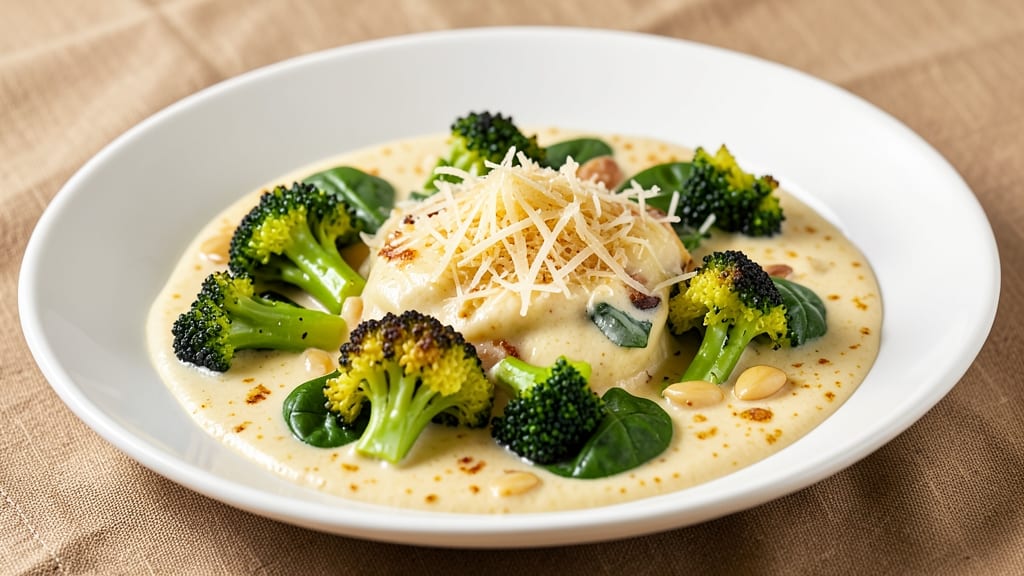
This alfredo sauce with vegetables recipe transforms a classic creamy sauce into a one-pot powerhouse packed with hidden veggie goodness. The rich, velvety base—built with butter, garlic, and Parmesan—coats tender vegetables like broccoli or spinach, creating a dish that’s both comforting and nutritious.
Perfect for pasta, chicken, or even as a standalone meal, this sauce delivers restaurant-quality flavor in under 30 minutes.
The secret to a truly exceptional sauce lies in the balance of textures and flavors. Sautéing vegetables until just tender before blending them into the sauce preserves their natural sweetness while ensuring a smooth, velvety consistency.
For a lighter twist, Greek yogurt or cashew cream can replace traditional heavy cream, keeping the sauce rich without the guilt. Every spoonful delivers that signature creamy comfort with a subtle veggie boost.
What sets this recipe apart is its versatility—use it as a pasta sauce, a creamy dip, or a flavorful topping for grilled meats. The one-pot method minimizes cleanup while maximizing flavor, making it ideal for weeknight dinners or meal prep.
Whether you stick to the classic version or explore variations, this sauce will become a staple in your culinary routine.
For those watching their intake, a lighter version with Greek yogurt or a vegan alternative using cashew cream ensures the sauce remains indulgent yet balanced. The result is a creamy, comforting dish that sneaks in vegetables without compromising on taste. Ready to elevate your meals with this foolproof recipe?
Ingredients for alfredo sauce with vegetables
Butter, cream, and Parmesan form the creamy base, while broccoli and spinach add hidden veggie nutrition.
| Ingredient | Amount | Notes |
|---|---|---|
| Unsalted Butter 🧈 | ½ cup | Cold, cubed for even melting |
| Garlic Cloves 🧄 | 4 cloves | Minced, fresh preferred |
| Heavy Cream 🥛 | 1 ½ cups | Full-fat for richness |
| Fresh Broccoli Florets 🥦 | 2 cups | Small florets, chopped |
| Fresh Spinach Leaves 🌿 | 2 cups | Chopped, stems removed |
| Parmesan Cheese 🧀 | 1 cup | Freshly grated, block preferred |
| All-Purpose Flour 🌾 | 2 tbsp | For thickening |
| Salt 🧂 | ½ tsp | Diamond Crystal preferred |
| Ground Black Pepper 🌶️ | ¼ tsp | Freshly ground |
| Nutritional Yeast 🍄 | 1 tbsp | Optional, for umami boost |
The butter quality makes all the difference here—Plugrá or Land O'Lakes are reliable choices, but splurge on European-style butter if you can. Fresh garlic is non-negotiable; pre-minced jars lack the aromatic punch. Heavy cream should be full-fat for that signature velvety texture, though you can substitute half-and-half for a lighter version. For the vegetables, organic broccoli and spinach from the grocery store's fresh section work best—avoid pre-shredded bags that wilt quickly. Parmesan? Grate it yourself—pre-grated clumps ruin the sauce's silky finish.
No heavy cream? Full-fat coconut milk or Greek yogurt work surprisingly well for a lighter version. Skip the spinach? Zucchini or cauliflower hold up beautifully in the sauce. The flour is just a thickener—if you're watching carbs, cornstarch or arrowroot powder (half the amount) does the job. Nutritional yeast isn't mandatory but adds that savory depth; if you've got it, toss it in. For extra richness, a splash of white wine (2 tbsp) deglazes the pan beautifully before adding cream. And if you're making this ahead, add a pinch of salt to the cold sauce to prevent curdling when reheating.
This sauce keeps beautifully—3-4 days in the fridge, sealed tightly under a layer of plastic wrap pressed directly on the surface. For freezing, divide into ice cube trays and transfer to a bag; thaw overnight in the fridge. The vegetables will soften further when reheated, so add them fresh when serving. Portion into mason jars for easy storage; the sauce will last up to 3 months frozen. For meal prep, make a double batch—it freezes perfectly and becomes a quick weeknight staple when combined with pasta or grilled chicken.
Why You'll Love This Recipe
- No Chopping Chaos: I swear by this recipe because the broccoli and spinach just wilt into the sauce—no tiny florets to lose, no overcrowding the pan. Honestly, I toss in whatever greens I have on hand, and it still comes out rich and satisfying.
- Creamy Garlic Magic: That moment when the butter melts into the garlic and heavy cream? Pure flavor payoff. The sauce clings to every piece of veggie like a velvety hug, and the spinach turns bright green—proof it’s actually good for you.
- Leftovers That Shine: This sauce reheats like a dream, whether it’s for lunch the next day or frozen for a lazy night. I’ll be real: my freezer’s full of it, and it’s always the first thing I grab when I’m too tired to cook.
- Budget-Friendly Luxury: Fresh spinach and broccoli stretch across multiple meals, and a stick of butter plus a few garlic cloves go a long way. It’s fancy enough for company but cheap enough to make twice a week—no guilt, just comfort.
Step-by-step instructions for one-pot alfredo sauce with vegetables
This method delivers rich, velvety sauce with perfectly cooked vegetables—all in one pot.
Melt Butter and Sauté Garlic
In a large, heavy-bottomed pot over medium heat, melt the 0.5 cup unsalted butter until it foams and bubbles gently. This should take about 2-3 minutes. Watch for golden flecks forming at the bottom—this indicates the butter is ready.
Add the 4 cloves minced garlic and sauté for 30-45 seconds until fragrant. Be careful not to let it brown—garlic burns quickly and becomes bitter. Stir constantly to distribute the heat evenly. The garlic should smell intensely aromatic but remain pale in color.
Add Flour and Cook to Remove Raw Flour Taste
Sprinkle the 2 tbsp all-purpose flour over the garlic butter mixture and stir vigorously with a wooden spoon. Cook for 1-2 minutes until the mixture turns a light golden color and smells nutty. This process, called "blonding," removes the raw flour taste and creates a smooth base for your sauce.
I like to use a wooden spoon for this step because it helps scrape up any browned bits from the bottom of the pot—those bits are packed with flavor. The mixture should resemble wet sand and coat the back of a spoon when you drag it through.
Gradually Add Cream and Vegetables
Slowly pour in the 1.5 cups heavy cream while whisking continuously to prevent lumps from forming. The sauce will thicken immediately as it incorporates. Then add the 2 cups fresh broccoli florets and 0.5 tsp salt, stirring to combine.
Bring the mixture to a gentle simmer over medium-low heat. Cover the pot and let it cook for 5-6 minutes until the broccoli is tender but still vibrant green. You want it to be fork-tender but not mushy—it should still have a slight bite. The sauce should be thick enough to coat the back of a spoon but still flow smoothly.
Finish with Cheese and Spinach
Reduce heat to low and stir in the 1 cup freshly grated Parmesan cheese and 1 tbsp nutritional yeast until fully melted and smooth. The nutritional yeast adds a subtle umami depth that complements the richness of the cream. Taste and adjust seasoning with additional salt or 0.25 tsp ground black pepper if needed.
Finally, stir in the 2 cups chopped spinach leaves and cook for 1-2 minutes until just wilted. The spinach should collapse completely but still retain some texture. Remove from heat immediately—overcooking will turn it bitter. The sauce should be thick, creamy, and vibrant green from the vegetables.
Serve Immediately Over Pasta
Ladle the sauce over cooked pasta (like fettuccine or penne) and toss gently to coat evenly. The one-pot method ensures the vegetables stay vibrant and the sauce maintains its perfect consistency. For extra richness, you can stir in a splash of pasta water if the sauce becomes too thick while serving.
This sauce delivers on all the promises: creamy without being heavy, packed with hidden vegetables, and ready in one pot. The nutritional yeast adds that extra layer of flavor that makes it taste restaurant-quality, while the fresh spinach and broccoli keep it vibrant and nutritious.
Pro Tips For Making Alfredo Sauce With Vegetables
- Cook Butter Low and Slow: I learned this the hard way—when you melt butter for Alfredo, keep it on medium-low heat until it’s just golden, not brown. Watching it bubble aggressively means you’re risking a bitter taste, and that’s the last thing you want when the sauce is supposed to be rich and creamy. The butter should foam gently, like a lazy Sunday morning.
- Prep Broccoli Small and Even: Cut broccoli florets into uniform 1-inch pieces—this ensures they cook at the same pace. I used to leave some big chunks in there, thinking they’d look nice, but they’d end up either raw or mushy while the smaller pieces were perfect. Even cooking makes a real difference, especially when you’re adding spinach later.
- Salt the Cream Early: Add a pinch of salt to the heavy cream before mixing it in—it blends better and saves you from having to adjust later. I used to wait until the end, and the sauce would always taste flat unless I went back to tweak it. Trust me, the cream absorbs it better when it’s warm, not after everything’s already combined.
- Wilt Spinach in Batches: Don’t dump all the spinach in at once—it’ll steam instead of wilt. Add it in two handfuls, stirring constantly, until it collapses completely before adding more. I was skeptical until I tried it—now I make sure to do this, or the spinach just sits there looking sad and soggy.
Flavor customization for this alfredo sauce with vegetables
Creamy vs. Light Versions
For the classic rich version, stick with 1.5 cups heavy cream and 1 cup Parmesan—this delivers that signature velvety texture. But for a lighter twist, swap half the cream for Greek yogurt (about ¾ cup) or use full-fat coconut milk for a dairy-free option.
The yogurt version stays creamy but adds a subtle tang that brightens the vegetables. 🥛
Vegetable Swaps
Broccoli and spinach are my go-to veggies, but zucchini or cauliflower hold up beautifully in the sauce. For a heartier texture, add ½ cup chopped mushrooms with the broccoli—they absorb the cream while adding earthy depth.
If you prefer leafy greens, kale or Swiss chard work too, but reduce cooking time to 1 minute to avoid bitterness.
Spicy Kick
For heat lovers, stir in ½ tsp red pepper flakes with the garlic or add 1 tsp hot sauce (like Cholula or Frank's RedHot) at the end.
For a smoky twist, swap ½ tsp smoked paprika for regular black pepper. The cream mellows the heat, so you can go bolder than you might think! 🌶️
Umami Boosters
Nutritional yeast isn’t mandatory, but it adds a savory punch. For extra depth, stir in 1 tsp soy sauce or ½ tsp fish sauce (if not vegan) with the garlic.
A splash of white wine (about 2 tbsp) deglazes the pan before adding cream, adding complexity. Even a pinch of MSG elevates the flavor without altering the taste.
Texture Variations
For a chunkier sauce, blend only half the vegetables before adding the rest whole. Or, pulse ½ cup of the cooked veggies in a blender for a silky texture while keeping the rest intact.
This creates visual interest and lets you enjoy both creamy and textured bites. The one-pot method makes it easy to customize on the fly!
Sweet Balance
To offset the richness, stir in 1 tsp honey or maple syrup at the end. The sweetness pairs beautifully with the savory Parmesan and caramelizes slightly when reheated.
For a tangy contrast, add 1 tsp lemon juice or ½ tsp apple cider vinegar—just enough to brighten the sauce without overpowering it.
Nutrition facts
Frequently asked questions
Can I make this Alfredo sauce without dairy?
For a vegan version, replace the butter with olive oil or vegan butter, the heavy cream with full-fat coconut milk or cashew cream, and the Parmesan with nutritional yeast or vegan Parmesan. The sauce will still be rich and creamy, just without dairy.
Why did my Alfredo sauce turn grainy?
Graininess usually happens when the sauce cools too much before the cheese melts completely or if you add cold ingredients too quickly. Always keep the sauce warm over low heat while stirring in cheese. For extra smoothness, whisk vigorously or blend briefly with an immersion blender.
Can I use frozen vegetables in this recipe?
Frozen vegetables work fine, but you may need to adjust cooking times. Thaw them first, then cook for 2-3 minutes longer to ensure they're tender. For spinach, frozen leaves work well, but they'll release more water—drain excess before adding to the sauce.
How can I make this sauce thicker or thinner?
To thicken, simmer uncovered for 2-3 extra minutes or whisk in 1 tsp cornstarch mixed with water. For a thinner sauce, stir in 2 tbsp warm water or pasta water. The sauce should coat the back of a spoon but remain pourable.
What's the best way to store leftover Alfredo sauce?
Store leftovers in an airtight container in the fridge for up to 4 days. To reheat, warm over low heat while stirring constantly to prevent separation. For freezing, portion into ice cube trays and transfer to a bag—thaw overnight in the fridge before reheating.