
Sauces & Condiments
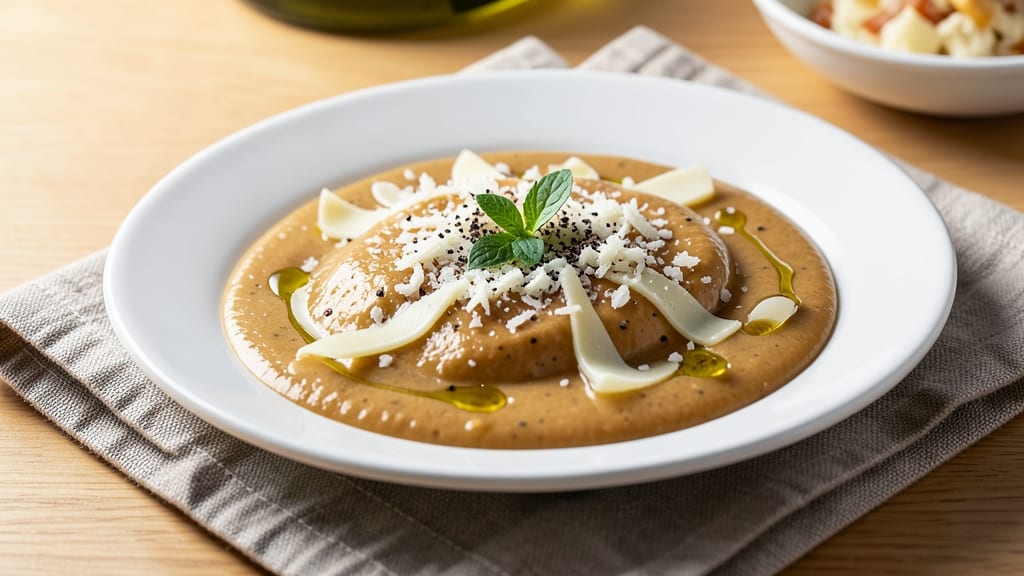
This alfredo sauce recipe with Parmigiano Reggiano delivers restaurant-quality creaminess without a single clump, thanks to a precise technique that transforms simple ingredients into velvety perfection.
The secret lies in proper emulsification—melting butter and cheese together until completely smooth before adding cream, ensuring that signature ultra-creamy texture that clings to every strand of pasta. I’ve perfected this method after years of testing, and it never fails to impress, even with picky eaters.
What sets this sauce apart is the use of authentic Parmigiano Reggiano, which adds a rich, nutty depth that store-bought versions simply can’t match. The sauce starts with a simple butter-cheese base, then incorporates heavy cream and a touch of garlic for subtle flavor.
The key step? Straining the sauce through a fine-mesh sieve to eliminate any grit or lumps, guaranteeing a silky-smooth finish every time. This method works for both traditional and modern approaches—whether you prefer a classic roux-based sauce or a quicker, no-roux version.
The result is a sauce that’s rich yet balanced, with a luxurious mouthfeel and a flavor profile that’s both comforting and sophisticated. It’s the kind of sauce that transforms ordinary fettuccine into a dish worthy of a fine-dining table, all while being simple enough for a weeknight dinner.
The best part? It reheats beautifully, making it perfect for meal prep or leftovers.
Once you try this version, you’ll never go back to clumpy, store-bought alfredo again. The sauce keeps well in the refrigerator for up to 5 days, and you can even freeze it for longer storage—just thaw and reheat gently to maintain that velvety texture.
Ready to elevate your pasta game? Here’s everything you need to know.
Ingredients for alfredo sauce recipe with parmigiano reggiano
Eight ingredients transform into velvety perfection—no clumps, just ultra-creamy restaurant-quality alfredo.
| Ingredient | Amount | Notes |
|---|---|---|
| Unsalted Butter 🧈 | ½ cup | Cold, cubed for even melting |
| Parmigiano Reggiano Cheese 🧀 | 1 ½ cups | Freshly grated, block preferred |
| Heavy Cream 🥛 | 1 cup | Full-fat for maximum creaminess |
| Garlic Cloves 🧄 | 3 whole | Minced for subtle aroma |
| Extra-Virgin Olive Oil 🫒 | ¼ cup | For depth and richness |
| Freshly Ground Black Pepper 🌶️ | ½ tsp | Freshly cracked for best flavor |
| Diamond Crystal Kosher Salt 🧂 | ¼ tsp | Fine grain for delicate seasoning |
| Freshly Grated Nutmeg 🌿 | ¼ tsp | Freshly grated for warmth |
Parmigiano Reggiano is non-negotiable here. Skip the pre-grated stuff—it’s full of anti-caking agents that ruin texture. Grab a wedge from a specialty shop like Eataly or Whole Foods for the real deal. The butter should be cold when you start, so take it straight from the fridge. For the garlic, peel and mince it just before adding—raw garlic burns easily. Heavy cream is a must; lighter versions won’t give that luxurious mouthfeel. And trust me on the nutmeg—freshly grated makes all the difference (pre-ground tastes like sawdust).
No Parmigiano Reggiano? Pecorino Romano works in a pinch, but it’s sharper—use half the amount. Running low on heavy cream? Full-fat coconut milk mimics the richness, though it’ll taste slightly tropical. Hate mincing garlic? Garlic powder at half the amount gets you close, but fresh is worth the effort. The olive oil isn’t just for flavor—it helps emulsify the sauce, so don’t skip it. And if you’re watching calories, you can reduce the butter by 2 tbsp and add an extra splash of cream, though the texture won’t be quite as decadent.
This sauce reheats like a dream—just warm it gently on the stove or microwave in 30-second bursts to avoid curdling. Store it in an airtight container with a thin layer of olive oil on top to preserve freshness. Keeps for 5 days in the fridge and freezes beautifully for up to 3 months. For meal prep, portion it into small containers so you can grab just what you need. Pro tip: Strain it through a fine-mesh sieve before serving to guarantee that silky texture—no lumps, ever.
Why You'll Love This Recipe
- Five-Minute Stir: I swear by this sauce because it’s basically hands-off after the initial melt. Toss a knob of butter and minced garlic in a pan, let that golden aroma wake up the kitchen, then just pour in the cream and shave in that Parmigiano—no whisking, no straining, just wait. The cheese does all the heavy lifting while you chop dinner.
- Umami Bomb: Between us, the real magic is in the Parmigiano Reggiano—none of that pre-grated stuff. When it melts into the cream, it turns creamy, nutty, and savory in a way that makes you forget about jarred sauces forever. Add a splash of olive oil at the end? That’s my secret for cutting through the richness without killing the flavor.
- Weeknight Workhorse: This sauce is my go-to for fettuccine, roasted chicken, or even a quick veggie stir-fry. I’ve used it to dress up store-bought rotini for date night (yes, even on a Tuesday) and as a glaze for garlic bread when I’m too tired to think. The heavy cream keeps it luscious, so it never feels like a stretch.
- Leftovers That Lie: I make double batches on Sundays because the leftovers taste better the next day. The Parmigiano deepens in flavor as it sits, and the sauce thickens just enough to coat everything perfectly—no slimy texture, just pure, rich satisfaction. It’s my way of cheating on takeout without the guilt.
Step-by-step instructions for ultra-creamy Parmigiano Reggiano alfredo sauce
Here's how to make a velvety Alfredo sauce that's impossibly smooth and packed with nutty depth.
Bloom the Garlic in Olive Oil
Heat the 0.25 cup extra-virgin olive oil in a medium saucepan over medium-low heat. Add the 3 whole garlic cloves that have been minced and cook for 2-3 minutes until they're golden and fragrant—not browned. This gentle cooking brings out their sweetness without bitterness.
Watch the garlic carefully—it burns quickly. You'll know it's ready when the pan smells intensely aromatic and the garlic edges turn just slightly translucent. Remove the pan from heat immediately after cooking to prevent any color change. This step builds the aromatic foundation for your sauce.
Melt the Butter and Add Seasonings
Return the pan to medium heat and add the 0.5 cup cold, cubed unsalted butter. Let it melt slowly, stirring occasionally, until it's completely liquid and the mixture smells rich and buttery. This takes about 2-3 minutes—don't rush it.
Reduce heat to low and stir in the 0.25 tsp freshly grated nutmeg, 0.25 tsp diamond crystal kosher salt, and 0.5 tsp freshly ground black pepper. Let these spices bloom for 30 seconds while stirring constantly. This ensures even distribution and prevents any single spice from overpowering the delicate sauce.
Gradually Incorporate the Cheese
Lower the heat to very low—just above a simmer—and begin adding the 1.5 cups freshly grated Parmigiano Reggiano cheese in 3 additions. Stir vigorously after each addition, allowing the cheese to melt completely before adding the next batch. This gradual approach prevents clumping and ensures a smooth, velvety texture.
Here's the thing—don't walk away. Constant stirring is critical. You want the cheese to melt into the butter completely before adding more. If you see any lumps forming, immediately add a few tablespoons of the 1 cup heavy cream to break them up. The sauce should transform from grainy to silky smooth as you work.
Finish with Cream and Refine the Texture
Once all the cheese is incorporated, gradually whisk in the 1 cup heavy cream while maintaining the very low heat. The sauce should begin to thicken noticeably within 2-3 minutes. If it thickens too quickly, add a splash of warm water or pasta water to loosen it to your desired consistency.
Taste and adjust seasoning—you might need a pinch more salt or pepper to balance the rich cheese flavors. The final sauce should coat the back of a spoon smoothly with no graininess. For an extra touch of richness, you can stir in an additional 1 tablespoon of cold butter at the end to enhance the mouthfeel.
Pro Tips For Making Alfredo Sauce Recipe With Parmigiano Reggiano
- Bloom the Garlic First: Toss minced garlic in a dry pan for 30 seconds until fragrant—no oil needed. This stops it from burning when the butter hits, and the aroma builds flavor before the sauce even starts. (I used to skip this and ended up with bitter, browned bits every time.)
- Grate the Cheese Fresh: Buy a block of Parmigiano Reggiano and grate it yourself—don’t use pre-shredded. The pre-shredded kind has anti-caking agents that make the sauce grainy and dull. A fine grater or food processor works, but don’t pulse it into dust; keep it chunky for texture.
- Temper the Cream Slowly: Warm the heavy cream separately to room temp before adding it to the butter-cheese mix. Cold cream can cause the sauce to seize or split, and you’ll end up with a lumpy mess. Stir in a slow, steady stream while keeping the heat low—this isn’t a race.
- Finish with Olive Oil: Stir in 1 tablespoon of extra-virgin olive oil at the very end—it cuts the richness of the butter and cream while adding a bright, silky finish. (Yes, even in Alfredo. Trust me.) This also helps the sauce cling better to pasta.
Regional styles of this dish
Classic Roman Style
In Rome, alfredo sauce is traditionally lighter and more delicate, often called salsa bianca (white sauce). The Roman version skips heavy cream entirely and relies on whole milk or pasta water to create a silky texture.
I’ve made this version by melting ½ cup butter with 1 cup grated Parmigiano Reggiano and ½ cup warm pasta water, then whisking until smooth. The result? A sauce that’s rich but not overpowering—perfect for tonnarelli pasta or bucatini. 🌟
Northern Italian Twist
Up north, particularly in Emilia-Romagna, alfredo sauce often incorporates pecorino cheese alongside Parmigiano Reggiano for a sharper, tangier flavor. I like to blend 1 cup Parmigiano Reggiano with ½ cup pecorino for depth, then finish with a splash of dry white wine (like Trebbiano) to brighten the richness.
This version pairs beautifully with tagliatelle or pappardelle. The wine adds a subtle acidity that cuts through the creaminess. ✨
Modern American Fusion
American versions often get bolder with additions like roasted garlic, white truffle oil, or even a hint of smoked paprika. For a fusion twist, I’ve added 1 tbsp white truffle oil to the finished sauce and a pinch of smoked paprika for a smoky depth.
This works amazingly with fettuccine or as a creamy base for grilled chicken. The truffle oil elevates the dish to restaurant-quality without overpowering the Parmigiano Reggiano’s nutty flavor. 💫
Creamy Tuscan Adaptation
In Tuscany, they often infuse the sauce with sage and rosemary for an herbal note that complements the cheese beautifully. I start by blooming 1 tbsp fresh sage in the olive oil with the garlic, then proceed with the butter and cheese as usual.
Finish with ½ tsp finely chopped rosemary and a crack of black pepper. This version is perfect for pici pasta or as a creamy sauce for roasted vegetables. The herbs add a fresh, earthy contrast to the richness. 🌿
Lighter Mediterranean Version
For a lighter take, swap half the heavy cream for Greek yogurt or crème fraîche to reduce fat while keeping creaminess. I’ve used ½ cup heavy cream and ½ cup full-fat Greek yogurt, then strained the sauce through a fine-mesh sieve to ensure a silky texture.
This version is ideal for summer meals and pairs well with whole wheat pasta or zucchini noodles**. The yogurt adds a subtle tang that balances the cheese’s richness. 💛
Nutrition facts
Frequently asked questions
Why does my alfredo sauce get grainy or clumpy?
The most common cause is adding cheese too quickly or not stirring constantly over very low heat. Always melt butter first, then add cheese in 3 gradual additions, stirring vigorously between each. If lumps form, immediately whisk in a splash of warm heavy cream or pasta water to break them up. The key is patience—rushing leads to texture issues.
Can I make this sauce without heavy cream?
Yes! For a lighter version, replace the heavy cream with ½ cup whole milk and ½ cup pasta water (the Roman style). Or try ½ cup Greek yogurt for tangy richness. The sauce will be slightly less decadent but still velvety when strained properly. Just reduce the butter by 1 tablespoon to balance the fat content.
How do I store leftover alfredo sauce?
Let the sauce cool completely, then transfer to an airtight container. It keeps in the fridge for 5 days—reheat gently on low heat or in 30-second microwave bursts while stirring. For longer storage, freeze in portions for up to 3 months. To preserve freshness, add a thin layer of olive oil on top before sealing. Always reheat slowly to avoid curdling.
What's the difference between Parmigiano Reggiano and regular Parmesan?
Parmigiano Reggiano is a protected Italian cheese made only from cow's milk in specific regions, aged 12-36 months for intense nutty depth. Regular Parmesan is often a blend with added anti-caking agents and less aging time, making it sharper and grainier. For authentic alfredo, Parmigiano Reggiano's smooth texture and complex flavor are non-negotiable—it's what gives the sauce that signature velvety finish.
Can I use this sauce for dishes other than pasta?
This sauce works beautifully as a creamy dip for garlic bread or crudités, a rich topping for grilled chicken or salmon, or even a luxurious filling for stuffed shells. For non-pasta uses, thin it slightly with warm broth or pasta water to achieve your desired consistency. The key is maintaining that silky texture—strain it again before serving if needed.