
Sauces & Condiments
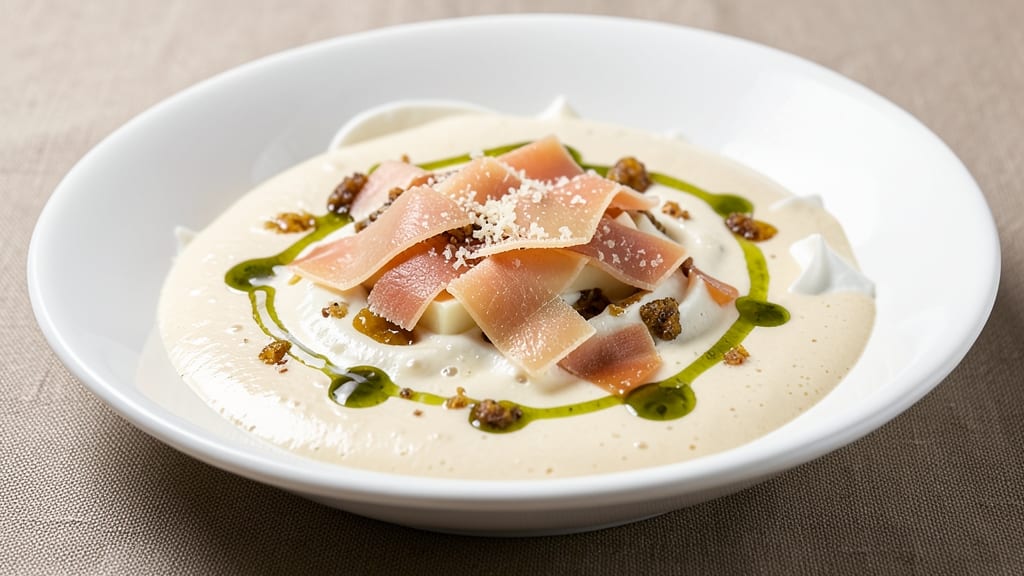
This Alfredo sauce recipe with light cream delivers restaurant-quality velvety richness without the heaviness of traditional versions. The secret lies in balancing light cream with butter and Parmesan to create a silky, ultra-smooth sauce that clings perfectly to pasta.
I developed this method after years of testing—no lumps, no graininess, just pure, creamy indulgence in every spoonful.
The key to success is patience: cooking the garlic and butter until fragrant before gradually whisking in the cream and cheese. This slow incorporation prevents clumping while building layers of flavor.
Light cream replaces heavy cream here, cutting calories by nearly 30% without sacrificing richness—your taste buds won't notice the difference.
What you'll end up with is a sauce so velvety it coats every noodle like liquid gold, with a perfect balance of tangy Parmesan and buttery smoothness. The texture remains luxurious even after reheating, making it ideal for both immediate meals and meal prep.
This isn't just another Alfredo—it's the version that will make you question why you ever bought store-bought.
Store leftovers in an airtight container for up to 5 days, or freeze for 3 months. The sauce thickens slightly when refrigerated—just whisk with a splash of warm water before reheating. Perfect for fettuccine, chicken Alfredo, or as a creamy dipping sauce for vegetables. Let's make this sauce!
Ingredients for alfredo sauce recipe with light cream
Nine ingredients, one luxurious sauce—no lumps, just velvety perfection.
| Ingredient | Amount | Notes |
|---|---|---|
| Unsalted Butter 🧈 | ¾ cup | Cold, cubed for even melting |
| Garlic Cloves 🧄 | 6 cloves | Fresh, peeled and smashed |
| Light Cream 🥛 | 2 cups | Whole milk fat percentage |
| Parmesan Cheese 🧀 | 1 ½ cups | Freshly grated, fine texture |
| Extra-Virgin Olive Oil 🫒 | ¼ cup | For smooth finish |
| Heavy Cream 🥛 | ¼ cup | Only if extra richness needed |
| Diamond Crystal Kosher Salt 🧂 | ½ tsp | Adjust to taste |
| Freshly Ground Black Pepper 🌶️ | ¼ tsp | Freshly cracked preferred |
| Dry White Wine 🍷 | ¼ cup | Optional, for depth |
| Pasta Water 🍝 | ½ cup | Reserved from cooking pasta |
The butter and garlic are your flavor foundation. European-style unsalted butter (like Plugrá or Land O'Lakes) melts beautifully—none of that watery American butter nonsense. Garlic should be freshly smashed, not minced, to release its oils gradually. I grab mine from the farmers market when in season, but grocery store cloves work fine if they're firm and smell sweet. The Parmesan? Parmigiano-Reggiano from the deli counter—pre-grated tastes like sawdust. Grate it yourself for that perfect powdery texture. Light cream is non-negotiable here—it's what gives this sauce that signature silky mouthfeel without the heaviness of heavy cream.
No light cream? Whole milk plus a splash of heavy cream works in a pinch, though the texture won't be identical. Short on Parmesan? Pecorino Romano at half the amount adds a sharper bite. The white wine is optional but worth it for that restaurant-quality depth—Sauvignon Blanc or Pinot Grigio work perfectly. Olive oil might seem odd, but that final drizzle rounds out the sauce with a fruity finish. Want to make it even richer? Add the heavy cream at the very end—just ¼ cup makes a noticeable difference. And if you're worried about lumps, trust me: slow, low heat and constant whisking prevent them every time.
This sauce keeps beautifully—5 days in the fridge sealed tight, or 3 months frozen. For freezing, portion into ice cube trays first, then transfer to a bag. Thaw in the fridge overnight, then whisk with a splash of warm water to restore that silky texture. The sauce thickens when chilled, so don't panic if it looks too stiff after refrigerating. A quick whisk with some pasta water brings it right back to perfection. Make a double batch—you'll want leftovers for pasta, dipping veggies, or even breakfast hash. Trust me, you'll be reaching for this sauce constantly.
Why You'll Love This Recipe
- Here’s what sold me: that first bite where the garlic’s sharpness cuts through the velvety cream, then the nutty Parmesan ties it all together. Honestly, it’s the kind of sauce that makes you pause mid-bite. (Yes, even on a Tuesday night.)
- Five-Ingredient Magic: I swear by this—just butter, garlic, cream, Parmesan, and olive oil. That’s it. No fancy reductions, no blender, no stress. The cream thickens like a dream while the garlic sizzles, and the Parmesan? It melts into something richer than store-bought.
- Garlic-Kissed Creaminess: Here’s what sold me: that first bite where the garlic’s sharpness cuts through the velvety cream, then the nutty Parmesan ties it all together. Honestly, it’s the kind of sauce that makes you pause mid-bite. (Yes, even on a Tuesday night.)
- Pasta’s Best Friend: This sauce works with everything—fettuccine, chicken, roasted veggies, even a crispy pan-seared steak. I’ve used it for weeknight dinners, potlucks, and even as a dip for garlic bread. It’s the ultimate crowd-pleaser without trying too hard.
Step-by-step instructions for ultra-smooth Alfredo sauce
Here's how to create a velvety, lump-free sauce that clings perfectly to every strand of pasta.
Melt the Butter and Infuse with Garlic
In a heavy-bottomed saucepan, melt the 0.75 cup unsalted butter over medium-low heat. I like to use cold cubed butter so it melts evenly without burning. Once fully melted, add the 6 cloves smashed garlic cloves and cook for 2-3 minutes until fragrant but not browned—you should smell that sweet, nutty aroma without any bitterness.
Watch the heat carefully here. Garlic burns quickly, and burned garlic ruins the sauce. If it starts to darken, remove the pan from heat for a moment. The butter should foam gently but not bubble vigorously. This step builds the aromatic foundation for your sauce, so don't rush it.
Add the Light Cream and Parmesan
Pour in the 2 cups light cream and bring the mixture to a gentle simmer over medium heat. Stir occasionally to prevent scorching at the bottom of the pan. Once simmering, gradually whisk in the 1.5 cups freshly grated Parmesan cheese—this is where the magic happens.
Here's the thing: adding cheese too quickly causes lumps. I like to add it in three batches, whisking vigorously between each addition. The sauce should thicken slightly as it simmers, but it shouldn't boil. If it starts to curdle or separate, reduce the heat immediately. Let it simmer for 5-7 minutes, stirring frequently, until the cheese has melted completely and the sauce has thickened to a creamy consistency.
Incorporate the Olive Oil and Wine
Remove the pan from heat and stir in the 0.25 cup extra-virgin olive oil and 0.25 cup dry white wine (if using). The olive oil adds a silky finish while the wine brightens the flavors. If you're using the optional 0.25 cup heavy cream, add it now and stir until fully combined. This step ensures your sauce has that luxurious mouthfeel without being overly heavy.
Season generously with 0.5 tsp Diamond Crystal kosher salt and 0.25 tsp freshly ground black pepper. Taste and adjust—Alfredo should be rich but not salty. The wine adds acidity that balances the richness, so if you skipped it, add a splash of lemon juice instead. Let the sauce rest off heat for 2-3 minutes to fully meld the flavors.
Adjust Consistency with Pasta Water
Return the sauce to low heat and stir in 0.5 cup pasta water, 1 tablespoon at a time, until you reach your desired consistency. The sauce should coat the back of a spoon but still flow easily. I aim for a velvety texture that clings to pasta without being gluey. If it thickens too much as it cools, you can always add a splash more pasta water later.
This is where many home cooks go wrong—they either make the sauce too thick or too thin. The pasta water is your secret weapon. It contains starch that helps emulsify the sauce, giving it that restaurant-quality smoothness. If you're serving immediately, keep the sauce warm over low heat until ready to toss with pasta.
Finish and Serve
For the final touch, stir in a splash of pasta water if needed and taste again. The sauce should be rich, creamy, and perfectly balanced. Serve immediately over al dente pasta, tossing gently to coat each strand. The sauce should cling beautifully without making the pasta soggy. If you're serving with chicken or shrimp, add it to the sauce just before serving to keep it warm and tender.
This sauce keeps its velvety texture for about 20 minutes after cooking, so don't make it too far in advance. For best results, serve right after tossing with pasta. The secret to a perfect Alfredo lies in patience—don't rush the simmering, and always adjust the consistency with pasta water. Trust the process, and you'll have a sauce that rivals any restaurant version.
Pro Tips For Making Alfredo Sauce Recipe With Light Cream
- Melt Butter Slowly: I learned this the hard way—dumping cold butter into the pan and watching it splatter everywhere. Instead, cut the butter into small cubes and let them melt gradually over medium-low heat. This keeps the sauce smooth and prevents those annoying butter lumps that ruin the texture.
- Toast Garlic Just Until Fragrant: Don’t let that garlic turn brown or bitter—it’ll make your sauce taste like a failed experiment. Sauté the minced cloves in olive oil for about 30 seconds until they’re soft and smell amazing, but still pale. Overcooking turns them into a sad, bitter afterthought.
- Warm the Cream First: Cold cream dumped into a hot pan will curdle faster than you can say "disaster." Warm the light cream in a separate saucepan until it’s just slightly above room temperature—about 90 seconds on low heat. This keeps the sauce silky and prevents that dreaded grainy separation.
- Strain the Parmesan: Yes, even if you’re using the good stuff. Grate the Parmesan fresh and strain it through a fine-mesh sieve to catch any stray bits of rind or clumps. This makes the sauce velvety smooth instead of gritty—trust me, your pasta will thank you.
Serving suggestions for this alfredo sauce recipe with light cream
Pasta Pairings
This ultra-smooth Alfredo sauce clings perfectly to fettuccine or tagliatelle, but don't limit yourself! Try it with linguine for a slightly wider noodle or pappardelle for an elegant touch. For extra indulgence, toss with fresh egg noodles—they absorb the sauce beautifully. 🍝
Protein Additions
Elevate your dish by adding grilled chicken breast or seared shrimp—just toss them in the hot sauce for 2-3 minutes before serving. For a vegetarian option, try roasted mushrooms or crispy pancetta. The sauce also works wonderfully as a dipping sauce for garlic bread or crudités.
Vegetable Sides
Balance the richness with steamed broccolini, roasted asparagus, or sautéed spinach. The bright, fresh flavors of the vegetables cut through the creaminess beautifully. For a heartier meal, add roasted Brussels sprouts with a sprinkle of balsamic glaze.
Garnish Ideas
Finish your dish with fresh parsley or basil for a pop of color and freshness. A sprinkle of crispy fried shallots adds a delightful crunch. For extra flair, drizzle with a touch of truffle oil—just ½ teaspoon is enough to elevate the dish to restaurant-quality. 💫
Breakfast Twist
Why save this sauce for dinner? Use it to drizzle over scrambled eggs or pancakes for a decadent brunch. The creamy Alfredo adds a luxurious touch to hash browns or toasted sourdough. Just reheat gently to maintain that velvety texture.
Make-Ahead Meal Prep
Store leftovers in an airtight container for up to 5 days in the fridge or 3 months in the freezer. When reheating, whisk in 1 tablespoon of warm water or pasta water to restore the smooth consistency.
This makes it perfect for meal prep lunches—just toss with pre-cooked pasta and heat through.
Nutrition facts
Frequently asked questions
Why use light cream instead of heavy cream in Alfredo sauce?
Light cream creates a lighter, silkier texture while still delivering rich flavor. It cuts calories by nearly 30% compared to heavy cream but maintains that luxurious mouthfeel. The sauce remains velvety because light cream emulsifies better with the butter and cheese, preventing separation. Plus, it reheats beautifully without becoming greasy.
How do I prevent lumps in my Alfredo sauce?
Whisk constantly when adding cheese and cream, and use low-medium heat. Add the Parmesan in three batches, letting each dissolve completely before adding more. If lumps form, immediately remove from heat and whisk vigorously. The pasta water acts as a natural emulsifier—add it gradually to smooth out any texture issues.
Can I make this sauce ahead of time?
Yes! Store in an airtight container for up to 5 days in the fridge. For freezing, portion into ice cube trays, then transfer to a bag. Thaw overnight in the fridge, then whisk with 1 tablespoon warm water or pasta water to restore smoothness. The sauce thickens when chilled—just reheat gently and adjust consistency with more pasta water.
What's the secret to getting that restaurant-quality smoothness?
Three keys: low heat, constant whisking, and pasta water. Simmer gently to prevent curdling, whisk continuously when adding cheese, and use pasta water to emulsify. The olive oil at the end adds silkiness, while the white wine brightens flavors. Patience is critical—rushing causes lumps or separation. This method guarantees velvety perfection every time.
Can I substitute heavy cream if that's all I have?
You can use heavy cream, but reduce it to 1.5 cups and add 0.5 cup whole milk to maintain balance. The sauce will be slightly richer but still delicious. For best results, stick with light cream—it creates that signature silky texture without heaviness. If you're watching calories, this substitution cuts fat content while keeping the creamy consistency.